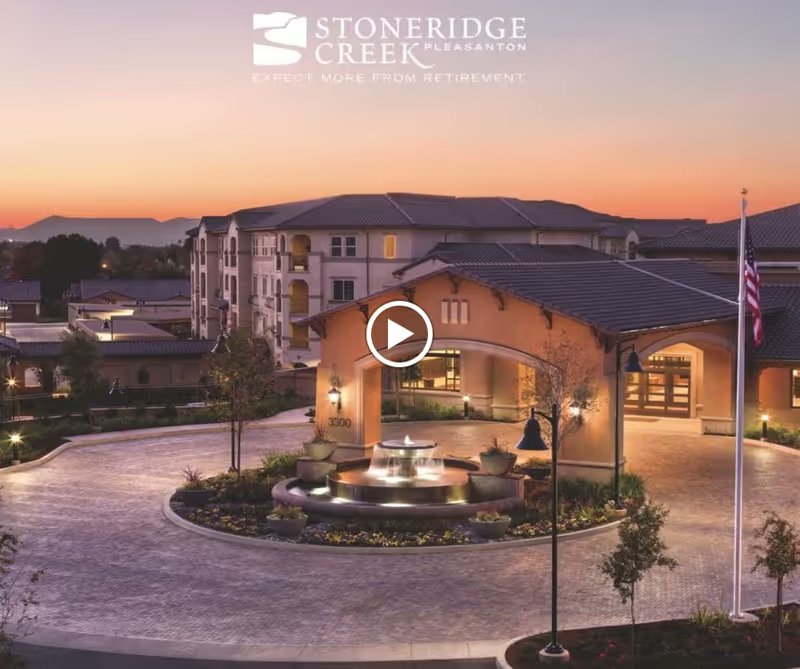
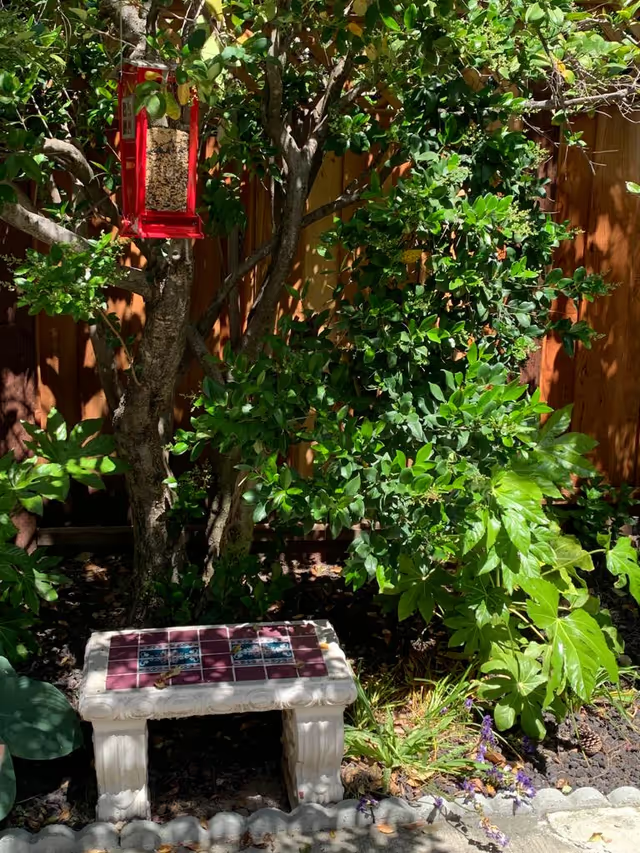
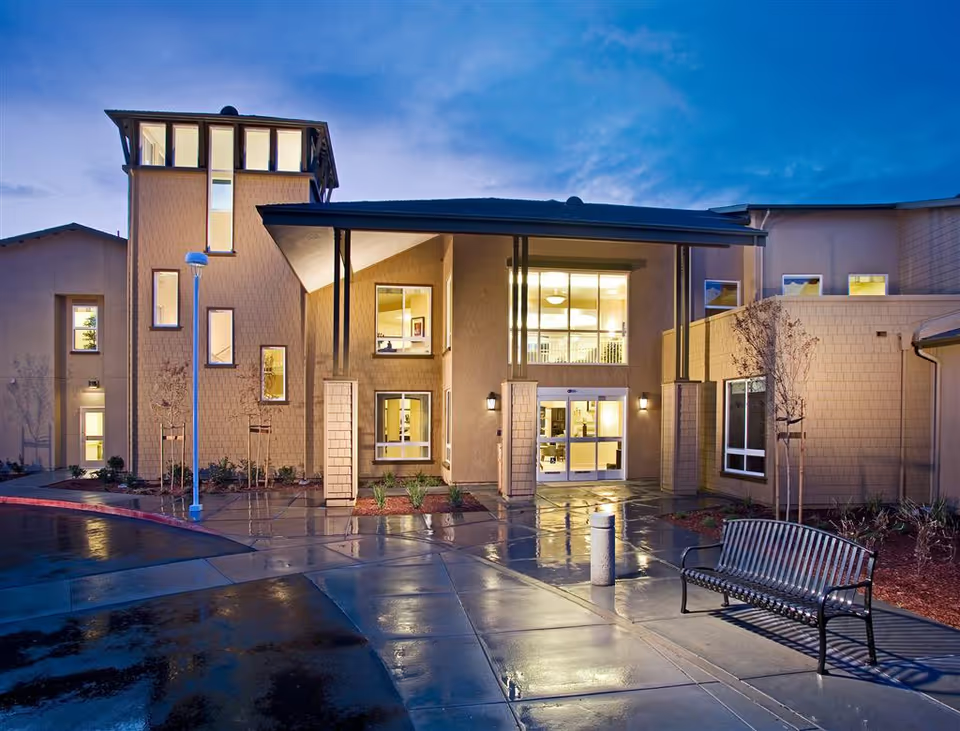
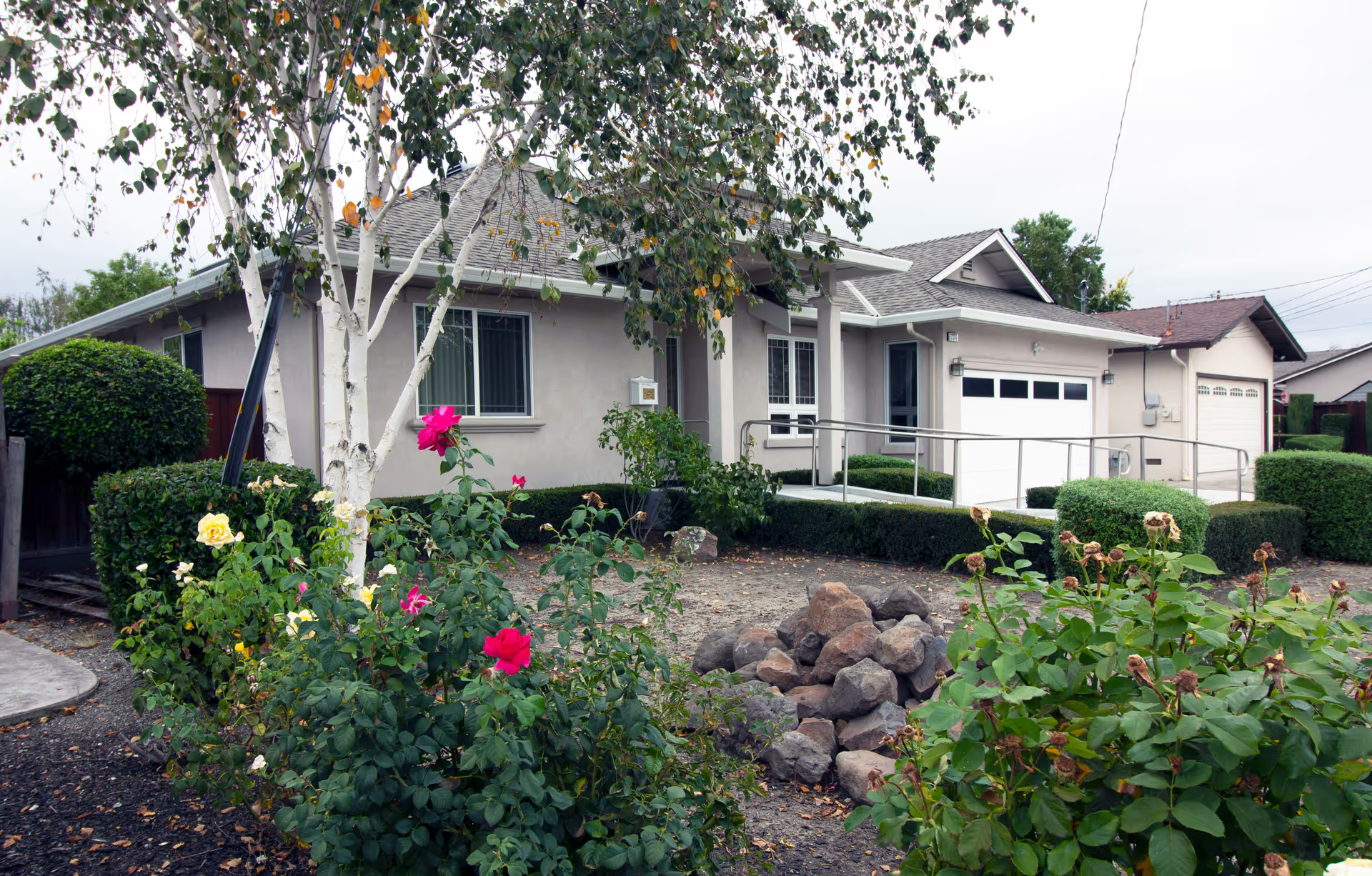
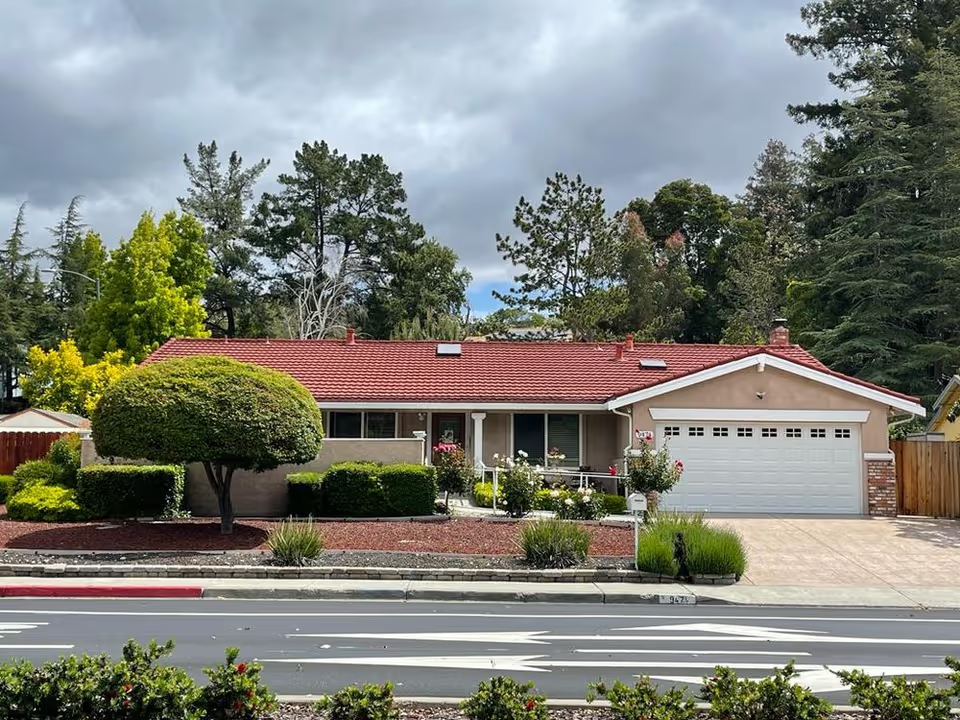
Carefield Pleasanton Memory Care receives consistently positive feedback for its interpersonal culture, cleanliness, dining program, and memory‑care orientation. Families commonly describe the caregiving team as compassionate and engaged, and they single out accessible leadership and an open line of communication between front desk, clinical staff, and the culinary team. The physical environment is described as bright, recently renovated in places, and well maintained, with private rooms, a large lobby, and usable outdoor courtyard space that contribute to a home‑like atmosphere.
Clinical and day‑to‑day care quality is generally perceived as strong: med‑techs and caregivers are attentive, hospice coordination is available, and the facility emphasizes memory‑care programming. Reviewers note the Lightfinder program and other memory‑specific offerings as strengths. However, families also describe operational gaps that affect resident experience. Staffing levels are sometimes insufficient for the level of one‑on‑one attention some residents need, which manifests as inconsistent meal assistance and, in a handful of accounts, delays in incontinence care. Communication gaps across shifts and language barriers among some aides were also identified as obstacles to smooth daily care.
Dining and activities are recurring highlights. The culinary program is described as restaurant‑style, flavorful, and creative, with the chef frequently interacting with residents and families and offering personalized meal attention. The activity calendar is lively — live music, art, fitness, games, current‑events discussions, and festive events are commonly mentioned — and these help create a sense of community and dignity for many residents. That said, several families observed that programming tends to be less effective for residents with higher physical dependency; reviewers requested more in‑room or small‑group engagement tailored to bedbound or high‑assist individuals.
Facility layout and operational practices are additional considerations. The property is described as large and bright, but long corridors and a circuitous floor plan raise concerns about navigation and potential delays in staff response. Pricing is generally considered competitive, and some units offer all‑inclusive rates, but families expressed concern about ongoing price increases and how they affect long‑term affordability. Finally, infection‑control policies (for example, restrictions on in‑person visits during public‑health events) have in some cases limited family access, which families flagged as an important policy to understand before move‑in.
Overall, Carefield Pleasanton Memory Care is characterized by strong interpersonal care, an excellent dining program, and a well‑kept physical environment. Prospective residents and families should weigh those strengths against operational considerations — staffing consistency, communication and language alignment, and activity adaptation for higher‑dependency residents — and discuss these topics with leadership during a tour to confirm how the community’s practices will match specific care needs.