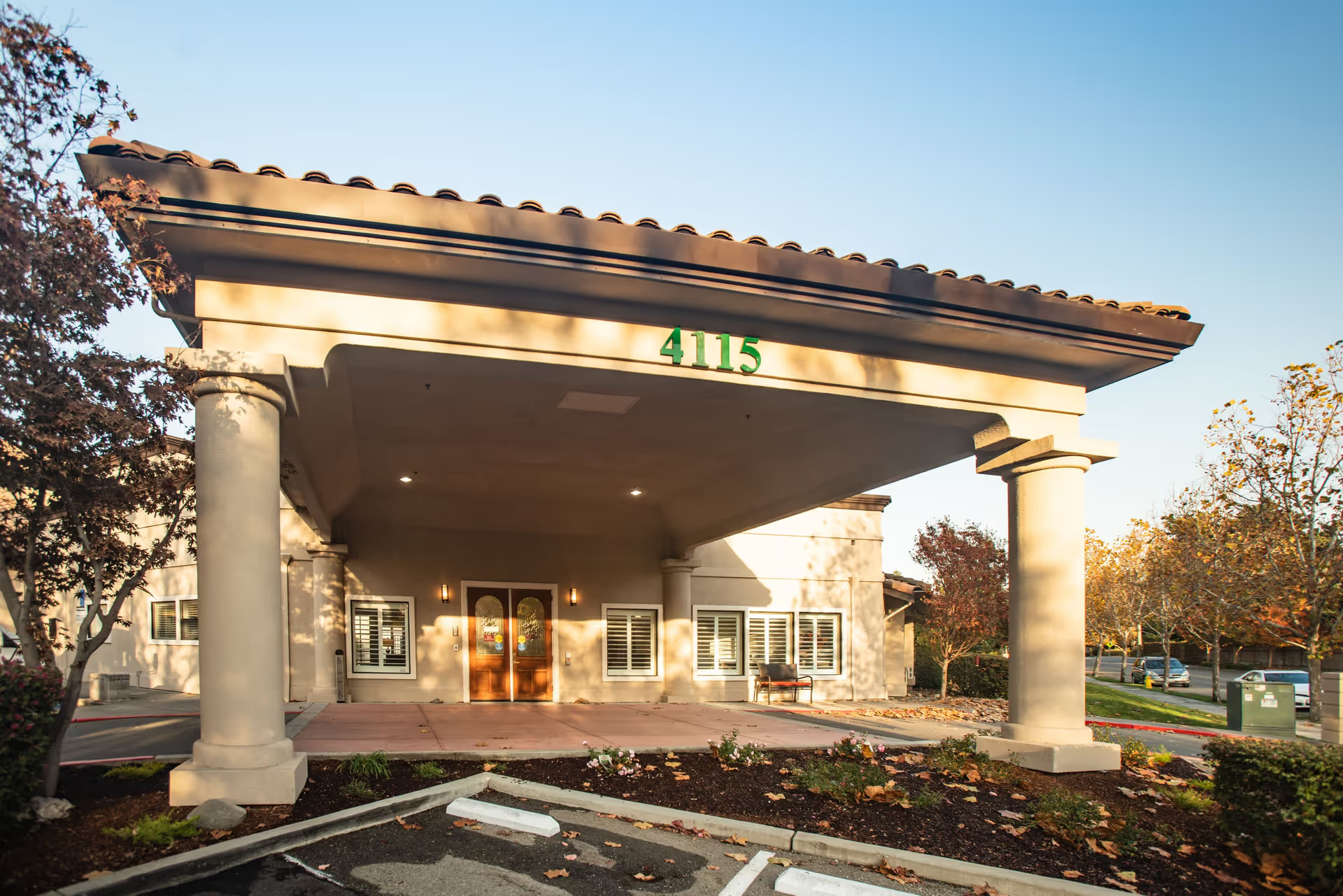
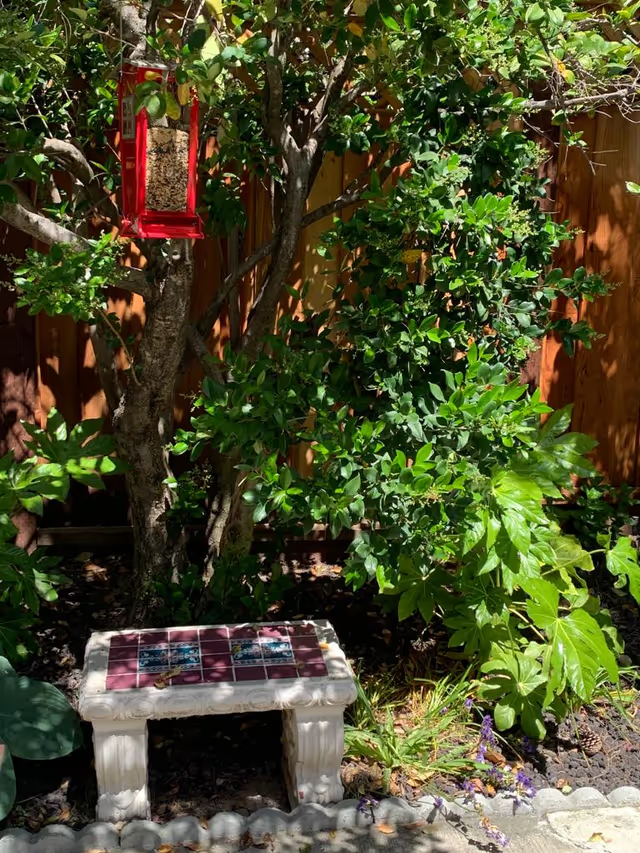
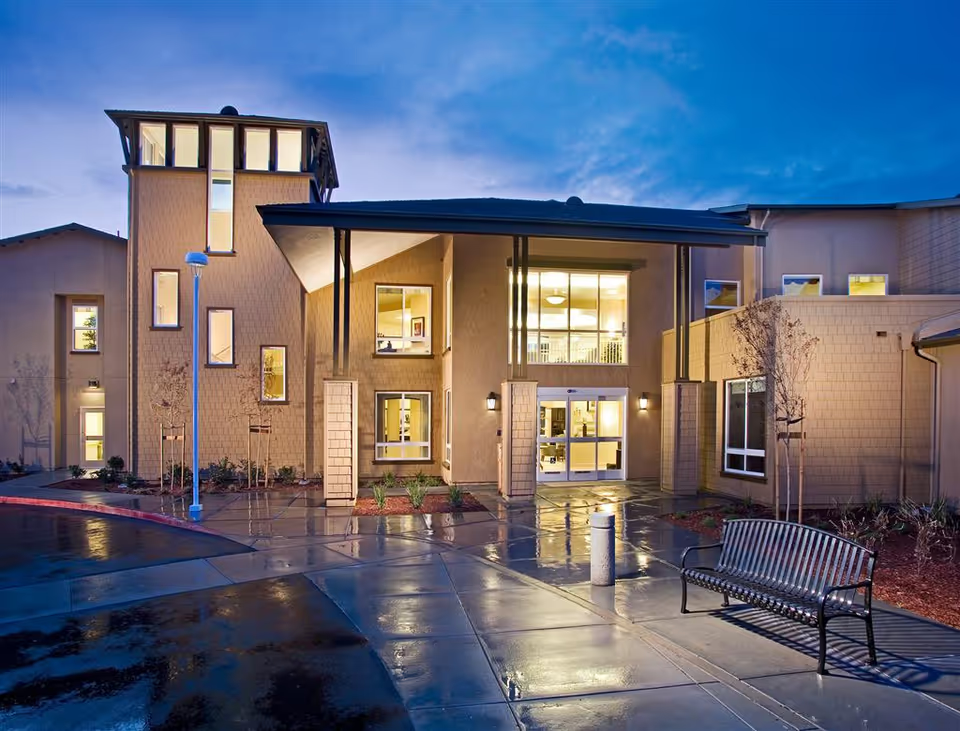
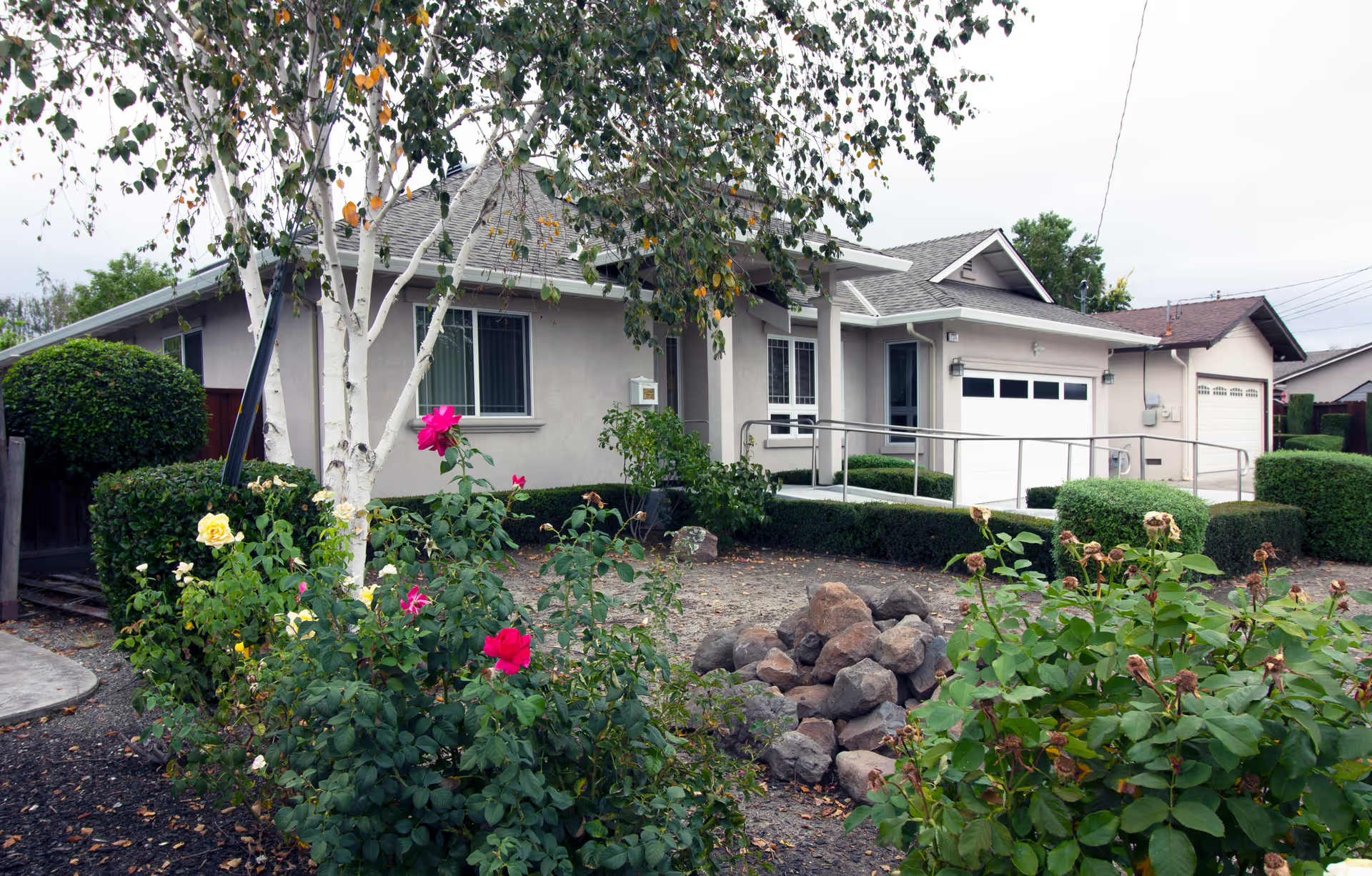
Stoneridge Creek presents as a large, well-appointed continuing-care retirement community with resort-style amenities and a broad social program. The campus and buildings are consistently described as attractive, professionally landscaped, and carefully maintained; residents and guests commonly compare the environment to a high-end resort. A significant portion of the community’s appeal derives from multiple pools (including an indoor/outdoor retractable-roof pool), extensive fitness facilities, a variety of outdoor courts and trails, and dedicated spaces for crafts, woodwork, and performance. The on-campus Creekview Health Center and in-apartment therapy offerings support a continuum of care for residents who need higher-acuity services.
Care and staffing are frequently highlighted as strengths. Staff are described as compassionate, professional, and responsive; reviewers cite helpfulness during move-in, proactive safety patrols staffed by EMS-certified personnel, and in-house clinical supports such as physical therapy and mobility-aid availability. Management’s pandemic protocols, high vaccination coverage among residents, and rapid service adjustments (meal delivery, virtual activities) are noted as evidence of organized infection-control capability. At the same time, there are repeated references to periodic short-staffing and occasional perceptions that responsiveness can vary, particularly when residents transition to higher-needs services—an operational area for prospective residents to clarify during touring and contracting.
Dining and activities are central to life at the community. Multiple reviewers praise the culinary program, fine-dining options, and varied menus across three restaurants; others describe the food as adequate rather than exceptional, which suggests some variability by venue or time of day. Operational constraints—such as restaurant reservation protocols, limited café hours, and crowded dining rooms during peak times—are cited as friction points. The activities calendar is broad and active: group exercise, cultural lectures (including virtual/Zoom programming), clubs, excursions to local attractions, and frequent on-site entertainment. The community atmosphere is characterized as socially engaged and diverse, with many opportunities for resident-led committees and peer integration.
From an operations and financial standpoint, the community is oriented toward a purchase-model continuing-care structure with associated tradeoffs. Prospective residents should evaluate the high up-front buy-in and ongoing monthly fees, the specific refund formula (including lack of interest on refundable portions as described by some), and the potential for annual fee escalations. Waitlists for desirable unit types and phased openings related to construction or expansion can affect timing and availability. Additional practical considerations reported by visitors include weekend and off-hour transportation limits, spotty cellular connectivity, and relatively modest on-site tech-support resources.
Overall, Stoneridge Creek scores strongly on built environment, program breadth, and staff engagement, delivering a lifestyle that many residents describe as resort-like and socially fulfilling. The principal tradeoffs are financial (high entrance and monthly costs, contractual complexity) and operational (dining logistics, unit availability, occasional staffing constraints, and technology/connectivity limitations). Prospective residents and families would benefit from focused discussions with admissions and management about contract terms, refund mechanics, staffing ratios during higher-acuity care, and the current status of amenity openings or construction before committing.