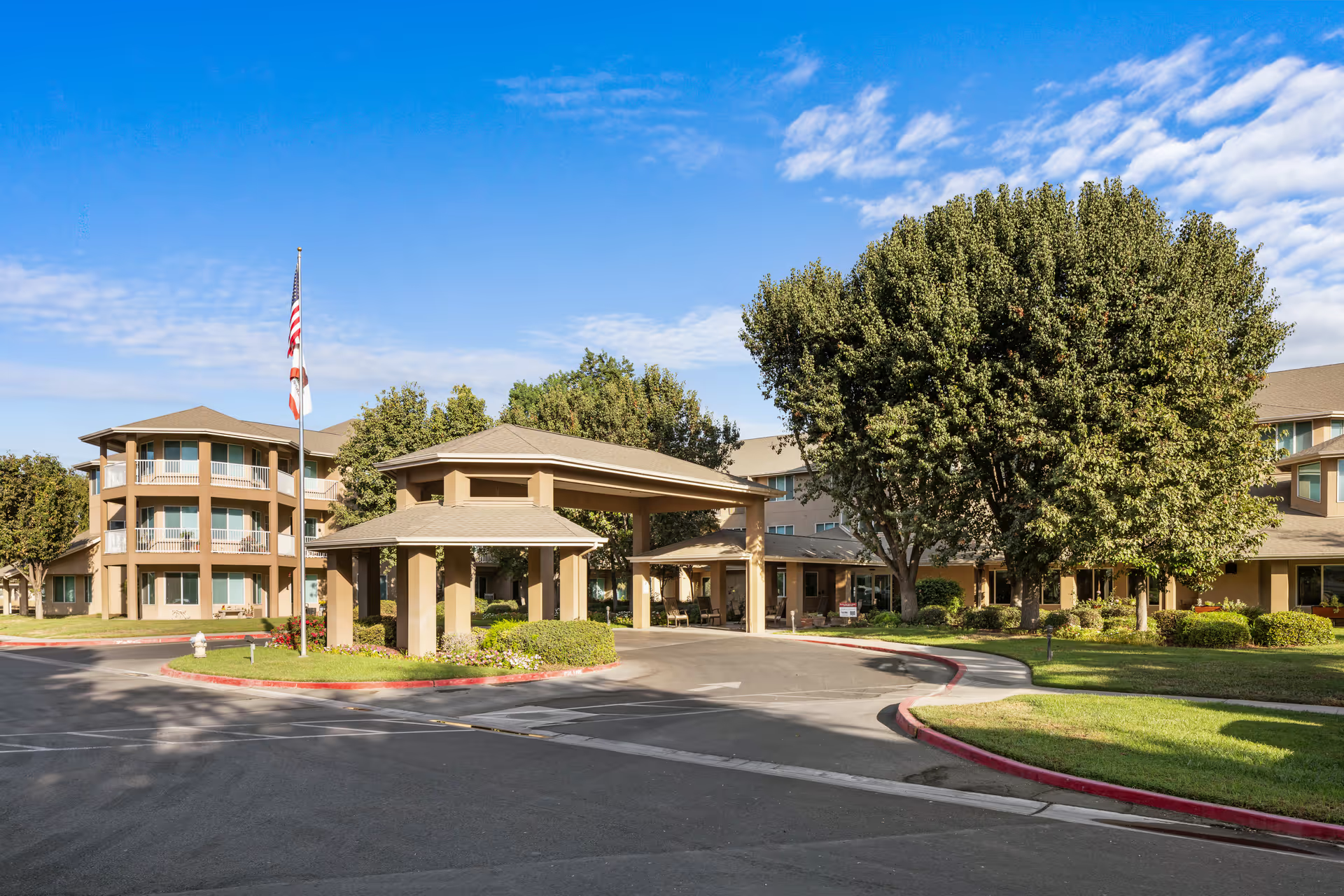
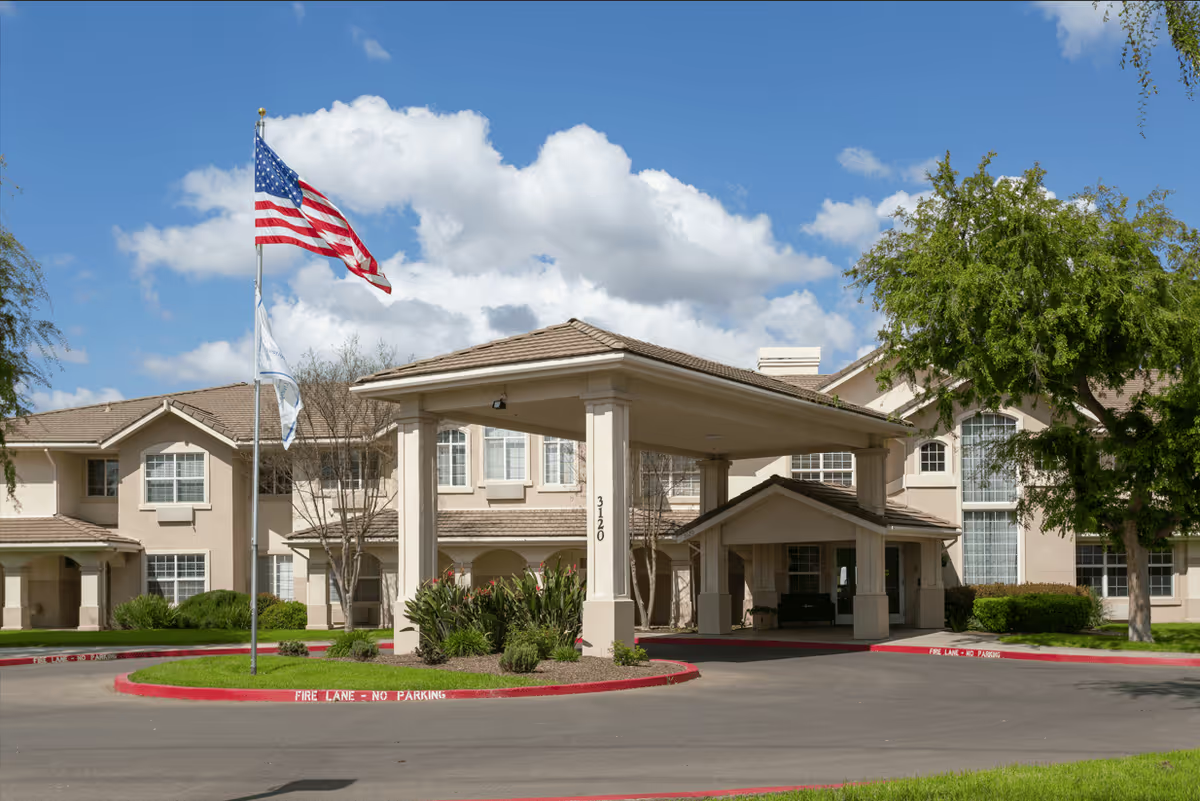
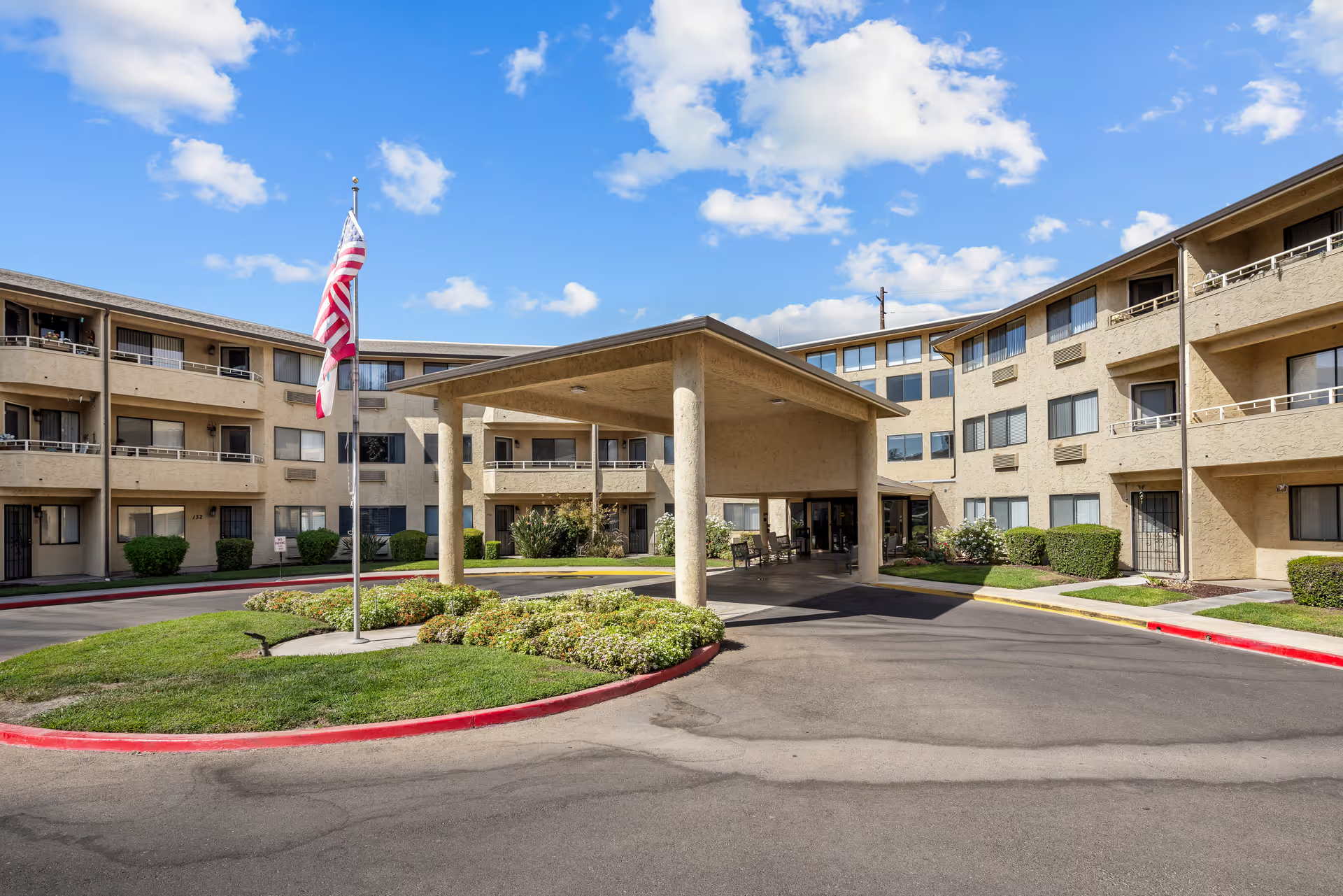
Reviews of River Walk Care Center describe a facility with distinct strengths in direct care and rehabilitation alongside recurring operational and administrative concerns. Nursing staff and therapy teams receive consistent positive remarks; many families praised competent nurses, engaged CNAs, prompt call‑light responses, and a strong rehab program that supported recoveries and discharges. The facility environment is frequently described as clean, well maintained, and home‑like, with a welcoming admission process and relatively quick move‑ins. Social programming also earns favorable notes, particularly outdoor patio gatherings and other activities that residents find pleasant.
At the same time, several reviews raise concerns about clinical safety and care coordination. There are reports that equipment and medical supplies have been unavailable at critical moments and that medication‑filling or administration processes have been inconsistent. These operational gaps have been linked to delayed home‑health starts, questions around discharge readiness, and concerns about on‑shift adherence to equipment protocols. A few accounts cite inconsistent or conflicting staff statements about care plans, which points to weaknesses in internal communication and handoffs between shifts or disciplines.
Communication and management are another recurring theme. Families describe difficulties reaching social‑services staff and report instances of poor responsiveness from administrative personnel; some reviewers expressed worry about the facility’s leadership and its handling of complaints. While many front‑line staff are characterized as friendly and attentive, other comments describe less professional tones from specific nurses or reception staff, reflecting variability in staff conduct and resident interactions. Dining impressions are mixed: several reviewers found meals acceptable and noted alternative options, while others described inconsistent food quality.
Notable patterns across the reviews are polarization of experience and variability by shift or unit. Positive reports tend to emphasize strong hands‑on care, therapy outcomes, and a clean, welcoming facility. Negative reports cluster around systems and leadership: supply and medication management, discharge coordination, social‑services follow‑through, and nighttime noise or safety‑control concerns. For prospective residents and families, recommended areas to probe during a tour include medical‑supply and oxygen protocols, medication administration and pharmacy processes, discharge planning and home‑health coordination, social‑services availability, dining menus and alternatives, and typical staffing levels at night. These targeted questions can help assess whether the facility’s operational practices align with a family's clinical and communication expectations.