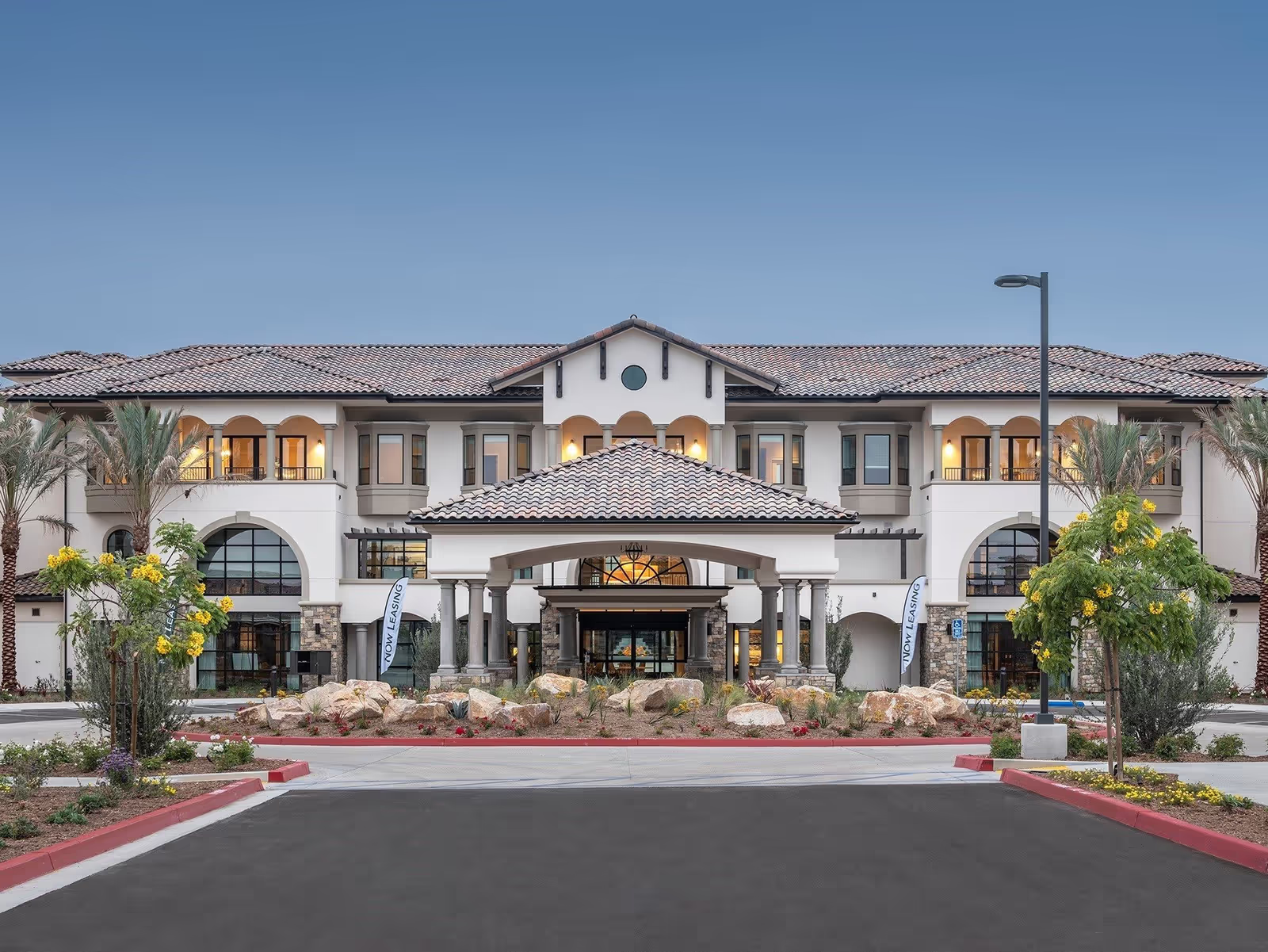
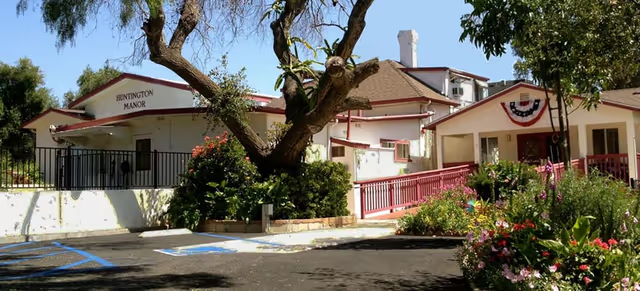
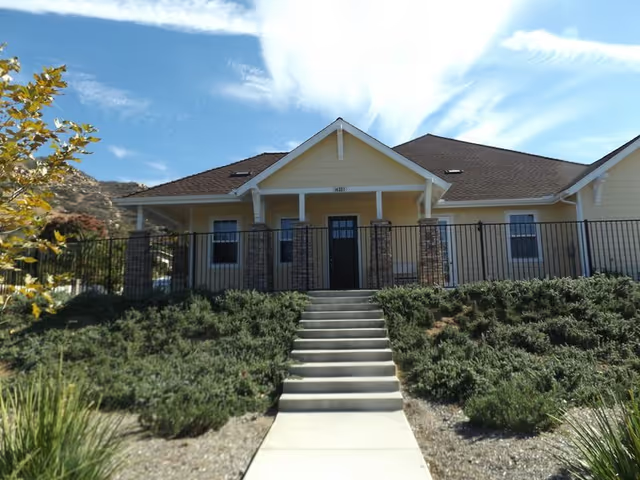
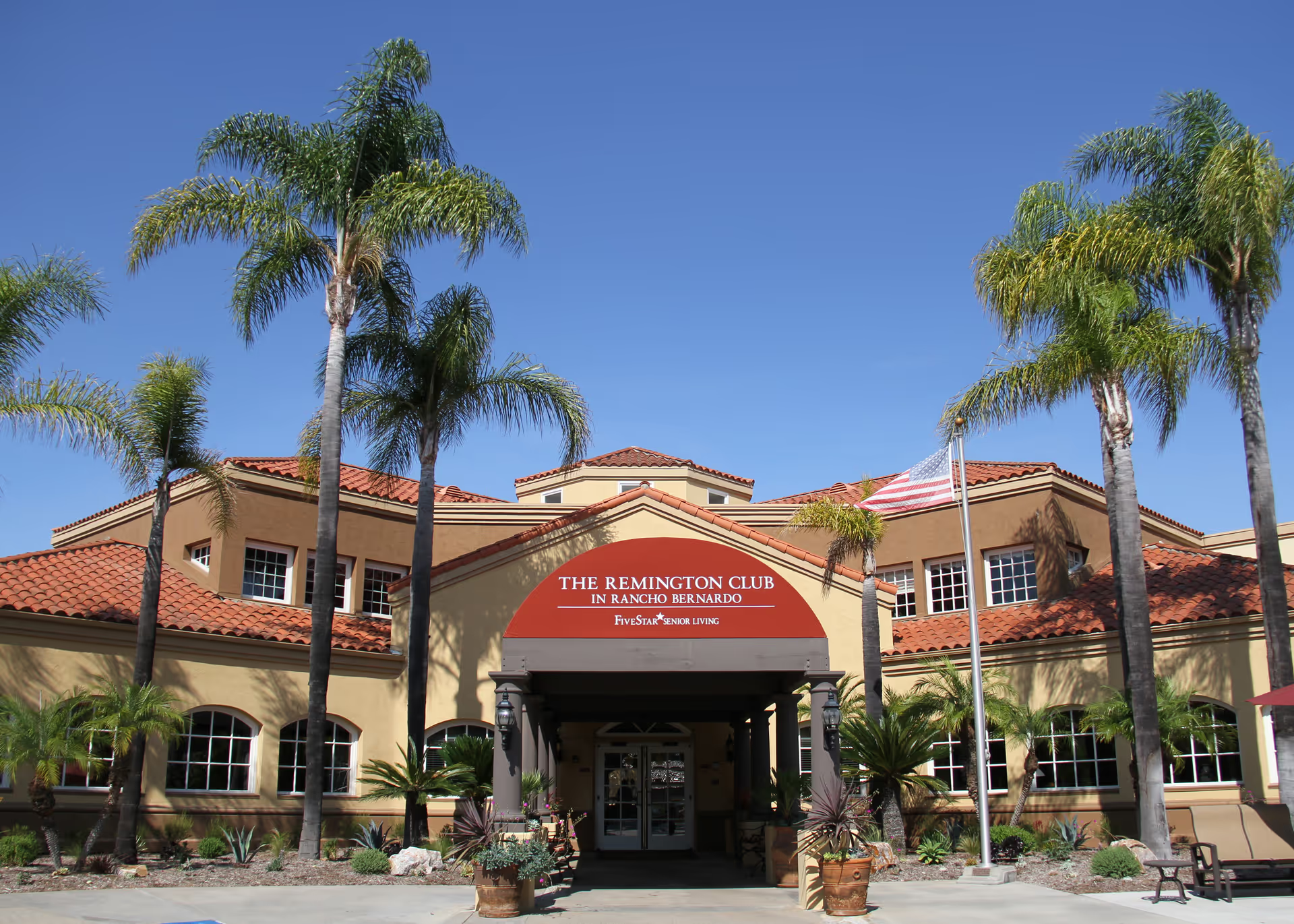
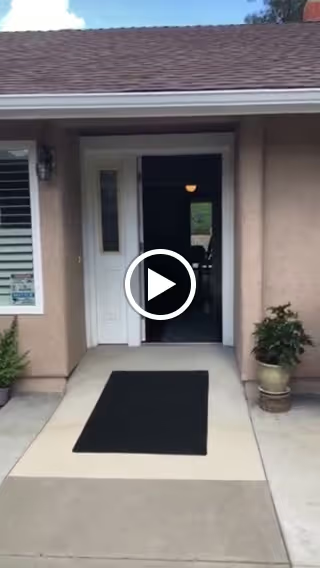
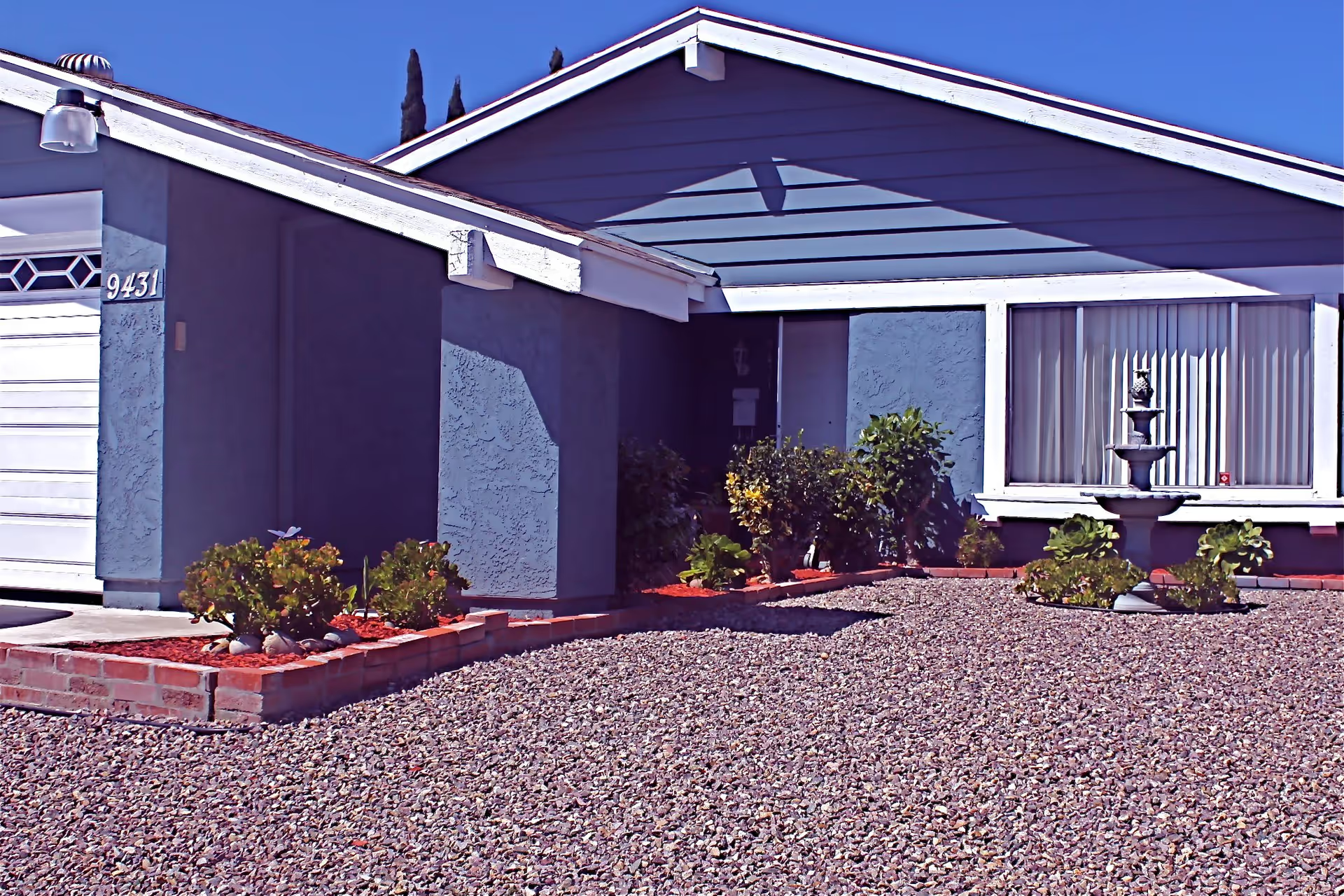
Reviews present a strongly mixed picture. Many families and patients praised clinical rehabilitation, wound care, and certain nursing/CNA staff for compassionate care and measurable recovery outcomes (weight gain, regained mobility, discharge to home). The activities program, including a dedicated activities director and frequent events, is repeatedly described as a positive contributor to residents' quality of life. The facility exterior and courtyard are consistently identified as attractive and pleasant spaces.
At the same time, a number of operational weaknesses appear across accounts. Staffing instability and high turnover—including reliance on agency personnel—are frequently linked to inconsistent caregiving and variable staff conduct. Several families described delays in responding to call-buttons and incontinence care, as well as interruptions or inconsistencies in medication administration and clinical follow-up. Communication with families and case managers is another recurrent concern: difficulty reaching staff, missed phone calls, and unclear discharge/insurance coordination were described as sources of distress.
Dining and nutrition generated mixed reactions: some reviewers noted dietitian involvement and acceptable meal variety, while many described poor food quality, limited nutritious options, and inconsistent meal service. The activities department is a clear strength in contrast to dining complaints, with staff often characterized as engaged, compassionate, and effective at keeping residents involved.
Facility condition and safety themes are mixed. The building’s exterior and outdoor areas receive positive remarks, but the interior is often described as dated with deferred maintenance (roof leaks, deteriorating flooring, closed dining areas), sanitation and odor concerns in parts of the facility, and laundry/property-management problems. Safety-related operational gaps—such as unlocked entry points, missing bed-safety equipment, and uneven maintenance of resident rooms—were noted. Infection-control concerns and references to outbreak management and antibiotic-resistant organisms appear in several accounts and merit careful inquiry.
Management and oversight comments indicate transition and variability: some reviewers noted improvements under new leadership and praised particular social-work or nursing leaders, while others described poor responsiveness, management of grievances, and at least one reference to formal investigation or regulatory review. Taken together, the pattern is one of polarized experiences: clear strengths in rehabilitation, activities, and certain caregiving staff, alongside significant variability in day-to-day operations, cleanliness, communication, safety processes, and food service.
For prospective residents and families: verify current staffing levels, ask for documentation of infection-control practices and recent inspection or investigation outcomes, confirm call-button and safety equipment functionality for the assigned room, review the facility’s meal plans and dietitian support, and request names of primary clinical contacts. Regular family involvement and active communication appear important to ensure consistent care given the variability reflected in reviews.