Overall sentiment from the provided reviews is mixed but leans positive on cleanliness, atmosphere, and perceived professionalism, while expressing clear concerns about privacy, activity offerings, and fit for certain residents. Multiple reviewers repeatedly emphasize how clean and bright the facility is and describe the setting as home- or family-style. At the same time, several comments note that the environment is less private and that the facility may be demographic-specific, which affects whether an individual resident (for example, the reviewer’s mother) would feel comfortable or well-matched there.
Care quality and staff: The reviews convey confidence in the professionalism of the staff and operation. The use of words like "professional" alongside references to a "home/family-style" atmosphere suggests staff are competent while maintaining a warm or homelike approach. There is no explicit detail about clinical care, staffing ratios, or responsiveness, so the positive assessment is limited to impressions of professionalism rather than documented clinical performance. Reviewers did, however, indicate that despite the professional tone, the environment may not meet the needs of residents who require more privacy or who are in a certain emotional/mental state.
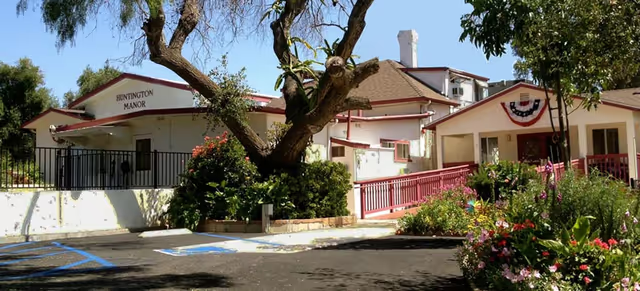
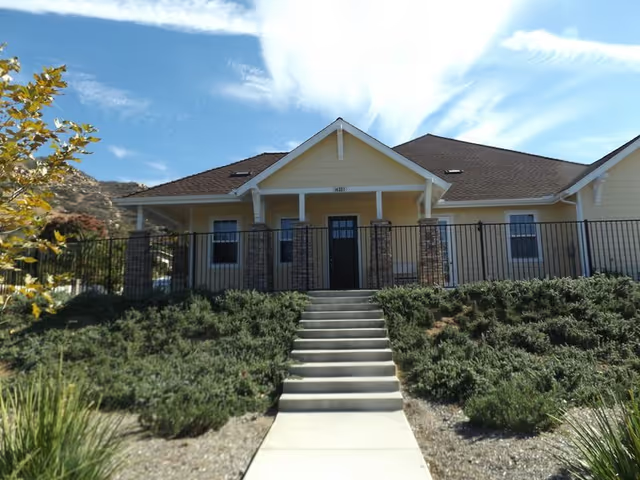
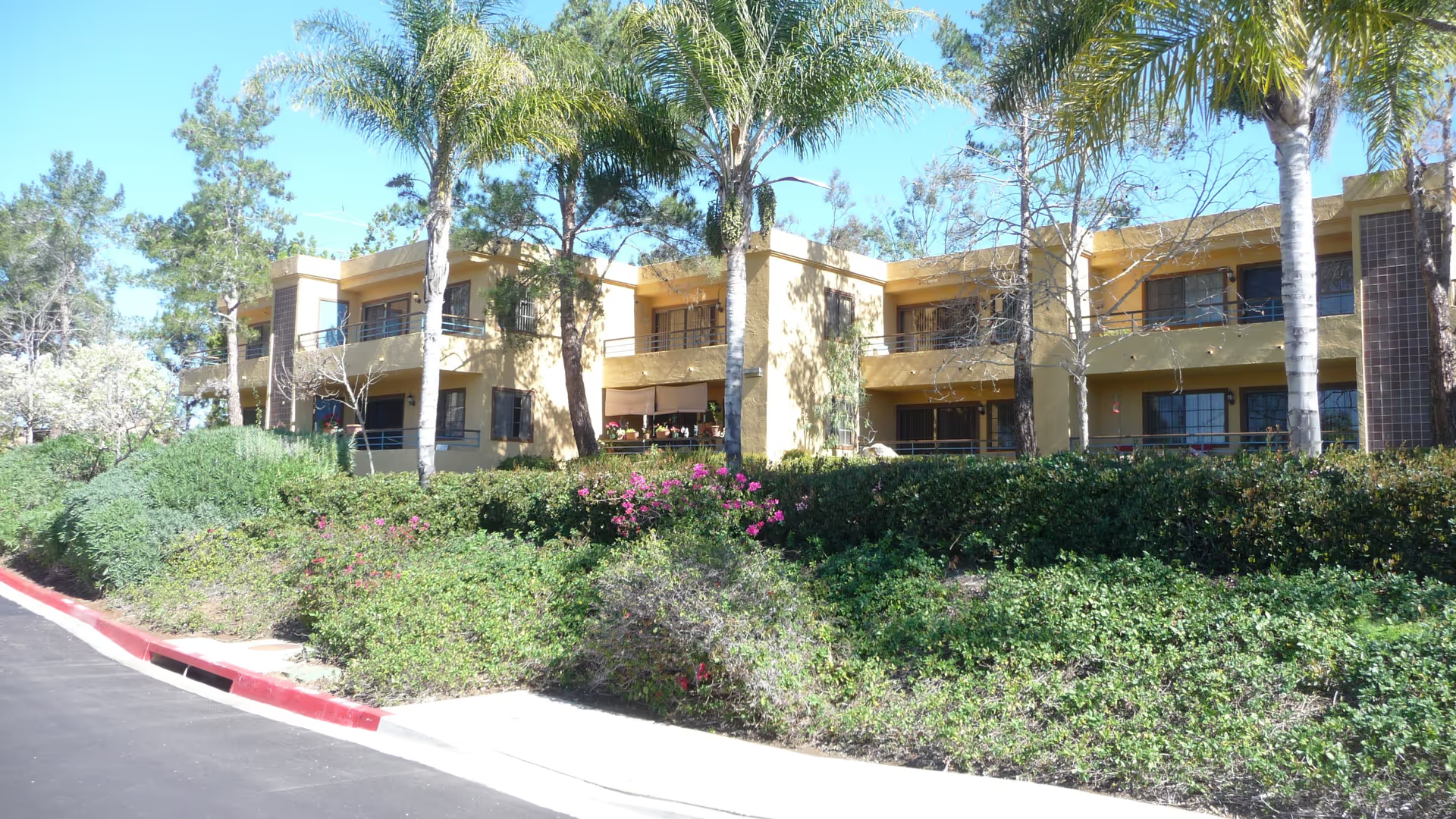
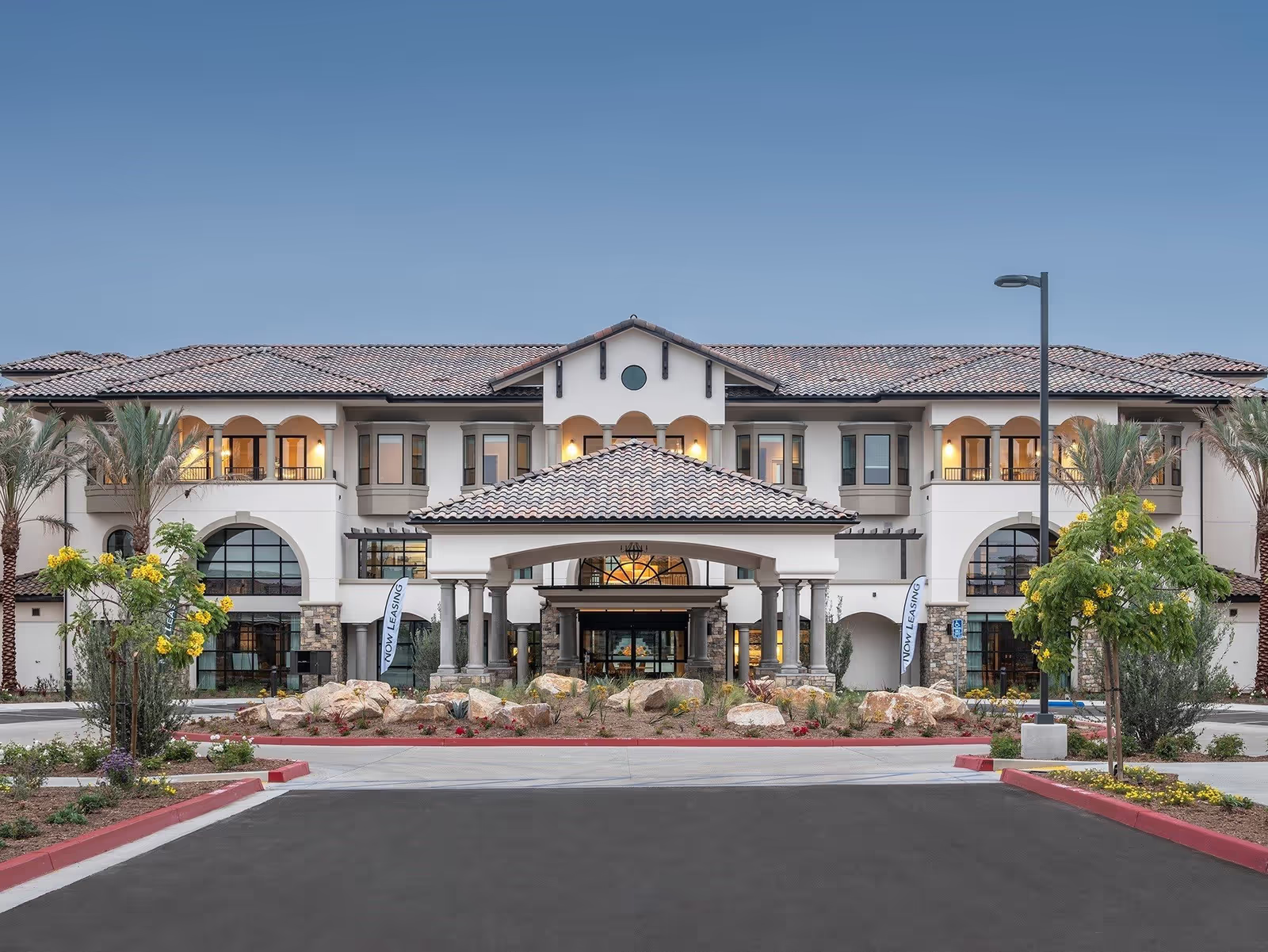
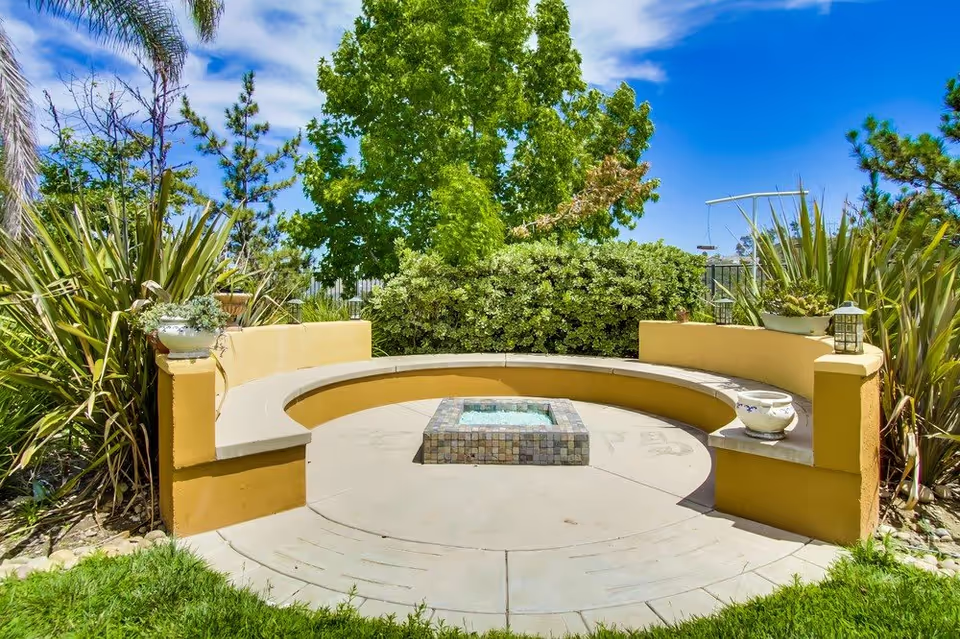
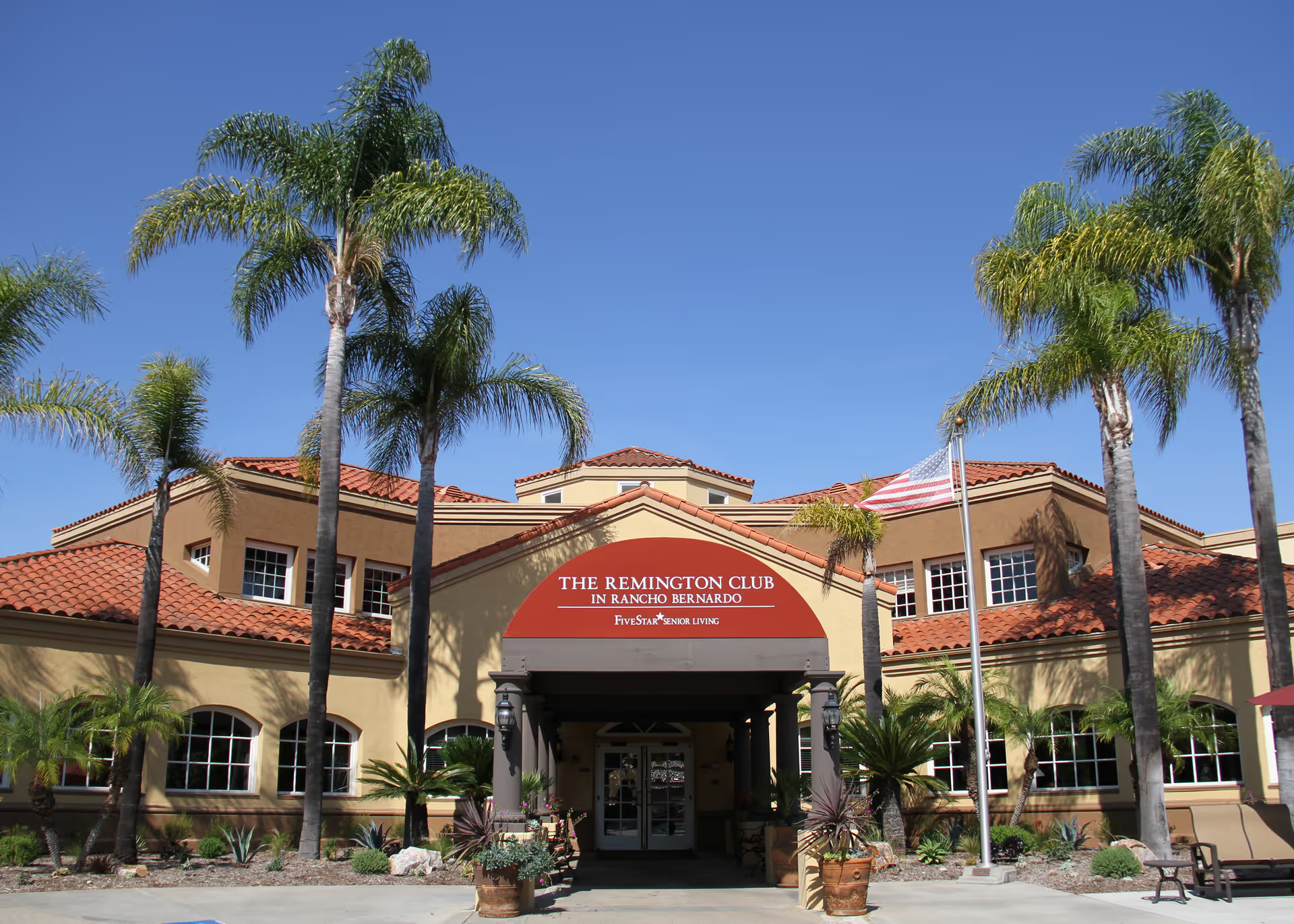
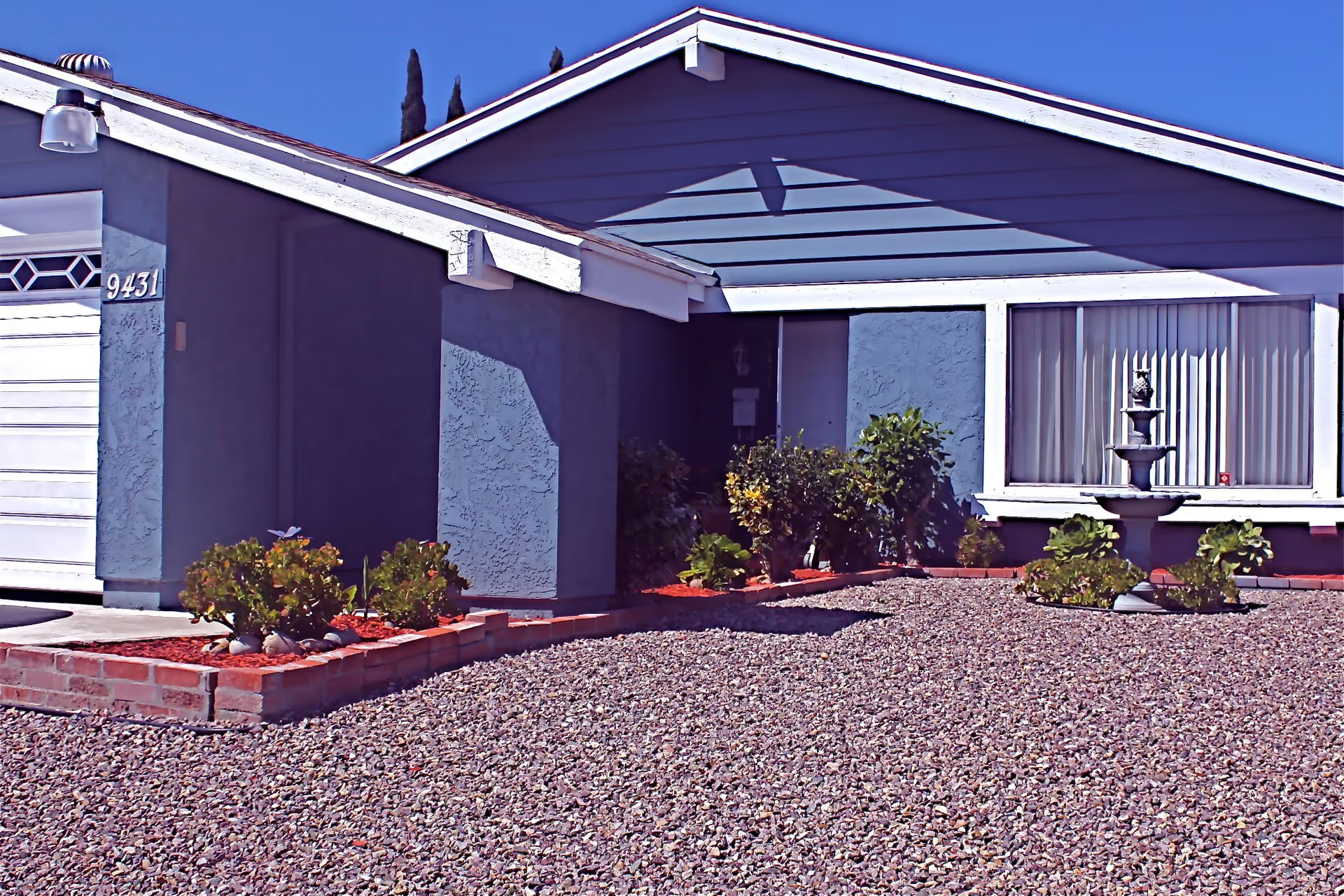
Facilities and environment: The facility is described repeatedly as very clean, bright, and "nice," which is a strong and consistent positive theme. The home/family-style characterization indicates a smaller, more intimate setting rather than an institutional one. Conversely, reviewers express a preference for a more modern building or environment; the current facility appears dated to at least one reviewer. Additionally, the setting is described as "less private," suggesting shared spaces or room layouts that do not afford as much individual seclusion as some families expect.
Activities and engagement: A notable negative theme is the lack of external outings or off-site activities. Reviewers explicitly state that no external outings/activities are provided, which could indicate limited programming for residents who value outside engagement or community trips. The absence of such offerings may reduce enrichment opportunities and could be a deciding factor for families comparing options based on lifestyle and activity levels.
Suitability and matching: The facility’s demographic-specific nature is mentioned, implying it serves a particular population or cultural/demographic group. That can be a positive for residents who fit that demographic and want a community tailored to shared backgrounds or needs. However, reviewers also caution that the facility "may not be suitable" for their mother "in her current state of mind," highlighting that emotional, cognitive, or behavioral needs can make a seemingly pleasant, clean, and family-style place a poor match. This underscores the importance of assessing individual fit beyond surface impressions of cleanliness and friendliness.
Notable patterns and final assessment: Summarizing the patterns, the strongest positives are cleanliness, a warm home-like atmosphere, bright/nice interiors, and a professional staff presence. The strongest negatives are limited privacy, lack of external outings/activities, the facility not being modern, and potential mismatch for residents with specific mental or emotional needs. Families should weigh the appealing atmosphere and perceived professionalism against the trade-offs in privacy and activity programming, and carefully consider whether the facility’s demographic focus and physical environment align with the prospective resident’s current needs and preferences.