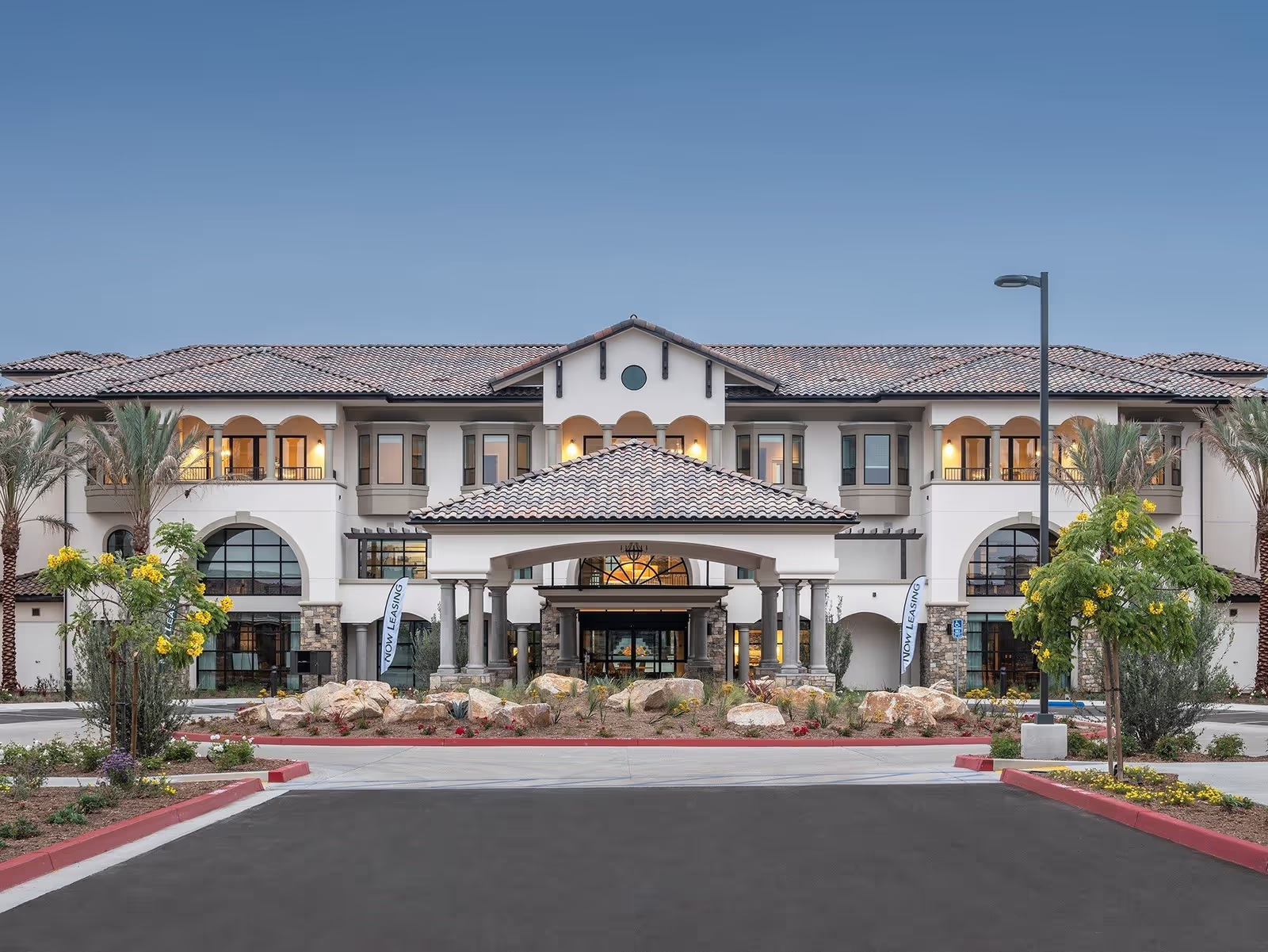
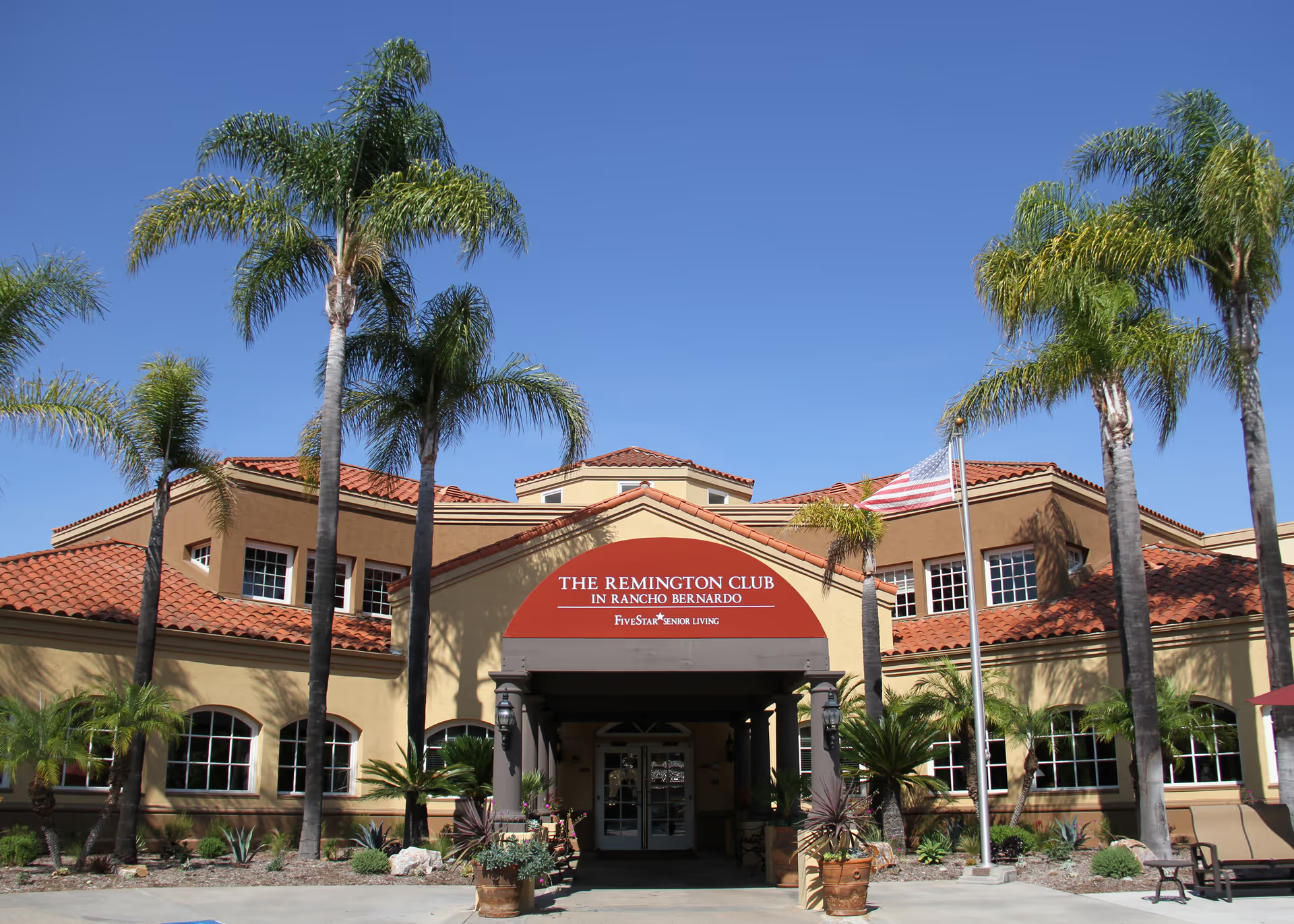
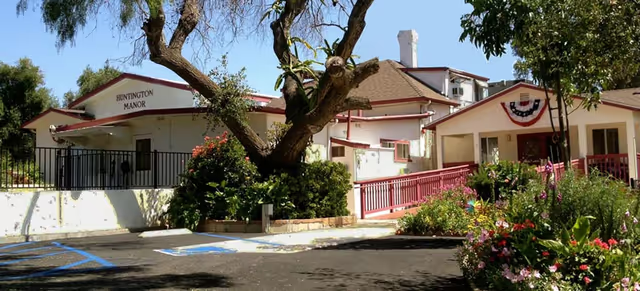
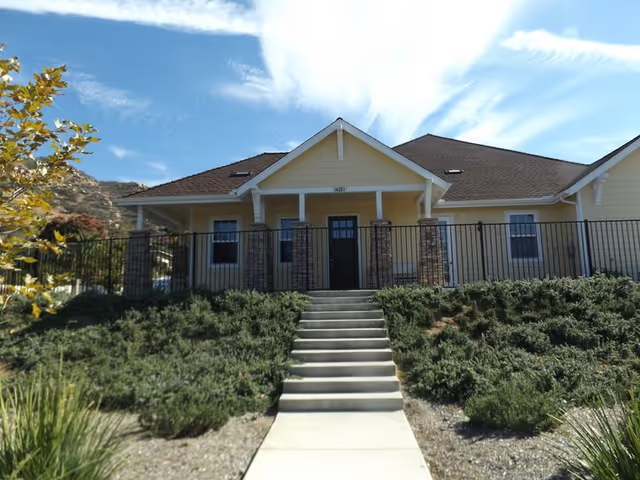
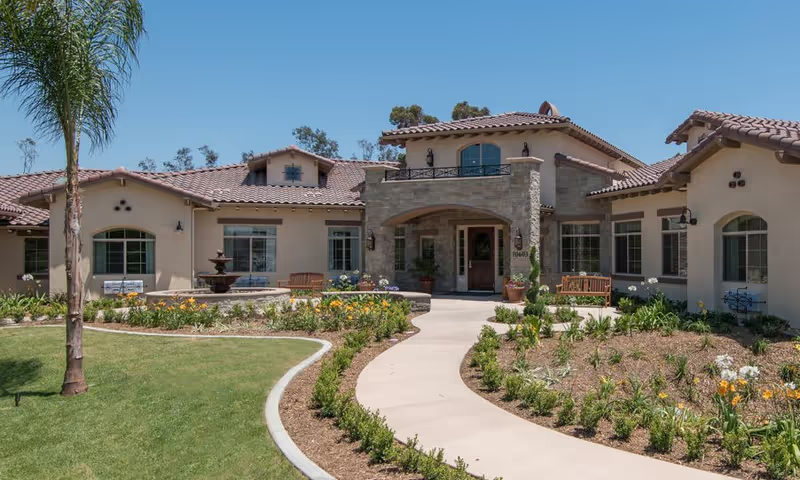
Across the collected summaries, reviewers consistently highlight a warm, person-centered culture: staff are frequently described as friendly, welcoming, and attentive, and many families note prompt emergency responsiveness and staff who know residents by name. Move-in interactions, tours, and marketing/sales staff receive positive marks for helpfulness and follow-up. Apartment attributes and site amenities are commonly praised — reviewers cite spacious floorplans, balconies, hardwood flooring in some units, underground parking, pet-friendly policies, fitness space, and pleasant outdoor areas that support independent living and social walking.
Care quality appears mixed but leans positive for routine assisted-living needs. Several accounts describe caregivers who are respectful, kind, and willing to go beyond basic duties, and reviewers who require assistance report feeling kept safe and supported. At the same time, a recurring operational concern is inconsistent staffing coverage: housekeeping and caregiving workloads are described as thin at times, which translates into intermittent housekeeping visits, longer wait times for assistance calls, and variability in responsiveness to resident needs.
Dining and activities form an important part of community life. Many residents appreciate the variety and social atmosphere of meals, with the dining room noted as a social hub. Food quality receives generally favorable comments, though preferences vary (some would like spicier or different menu rotations), and several comments point to variability in meal experience. Activity programming and communal spaces are described as open, bright, and conducive to socialization; offerings support independence and engagement, though some reviewers characterize activities as basic rather than highly specialized.
Facility condition and maintenance show a mix of strengths and weaknesses. Numerous reviewers compliment clean, inviting common areas, attractive grounds, and ongoing upgrades or remodeling. Conversely, others identify sanitation and upkeep inconsistencies — stained carpets, overflowing trash, and parking‑lot litter are cited — and note that maintenance follow-up can be slow or require repeated reminders. Laundry capacity is another operational constraint: an insufficient number of washers/dryers and delays in housekeeping are recurring practical frustrations for residents.
Management and communication present a nuanced picture. A recent management transition and active hiring were mentioned, with some improvement noted during the staffing change. Communication quality is uneven: while some residents report clear, timely communication and helpful administrative staff, others describe lapses in information flow and delayed responses to maintenance or transport issues. Transportation and shuttle availability is a mixed element of the service package — when operating it is convenient for appointments and errands, but reviewers also documented periods when shuttle service was unavailable.
In summary, the community offers many of the positive attributes families seek in assisted living: personable staff, comfortable and spacious apartments, strong social dining, useful amenities, and an attractive location. Major operational patterns to weigh are inconsistent staffing levels (which affect housekeeping frequency and assistance-response times), periodic maintenance and sanitation gaps, variability in dining preferences, and limits on higher-acuity or memory-care services. Prospective residents and families should verify current staffing ratios, laundry and housekeeping arrangements, transport schedule reliability, and the facility's capacity for higher-acuity needs during an in-person visit or follow-up conversation with management to confirm whether current operational practices meet their priorities.