Feedback for River Valley Healthcare & Wellness Centre is highly mixed. Many families describe compassionate, attentive frontline staff, effective rehabilitation services, and a welcoming activities program; these accounts frequently praise individual caregivers, social-services staff, and therapy teams. At the same time, a substantial subset of comments identify systemic operational weaknesses that affect clinical reliability and resident experience.
Care quality appears variable. Positive accounts highlight attentive nursing and CNA interactions, timely therapy progress, and cases where residents made measurable functional gains. Conversely, other accounts raise clinical concerns including inconsistent medication administration and gaps in documentation, delayed provision of mobility aids, missed therapy sessions, and reports of pressure injuries and infections that families felt required better clinical coordination. There are also isolated, serious allegations concerning care surrounding a resident's death that would require external review to verify.
Staffing and staff conduct present a mixed picture. Numerous reviewers praised nurses, CNAs, and named staff for kindness and professionalism; physical therapy and rehab staff receive repeated commendations. However, recurring themes include chronic understaffing, high turnover, and unreliable caregiver availability, which reviewers link to delayed responses to call buttons, constrained assistance with hygiene and toileting needs, and variability in staff competence and background-check consistency.
Dining and activities are similarly inconsistent. Some families report well-balanced, home-style meals and an active schedule; others report cold meals, unusual menu items, and failure to accommodate dietary restrictions. The activities program and outdoor courtyard are cited as positive elements when available, but availability and resident access may vary.
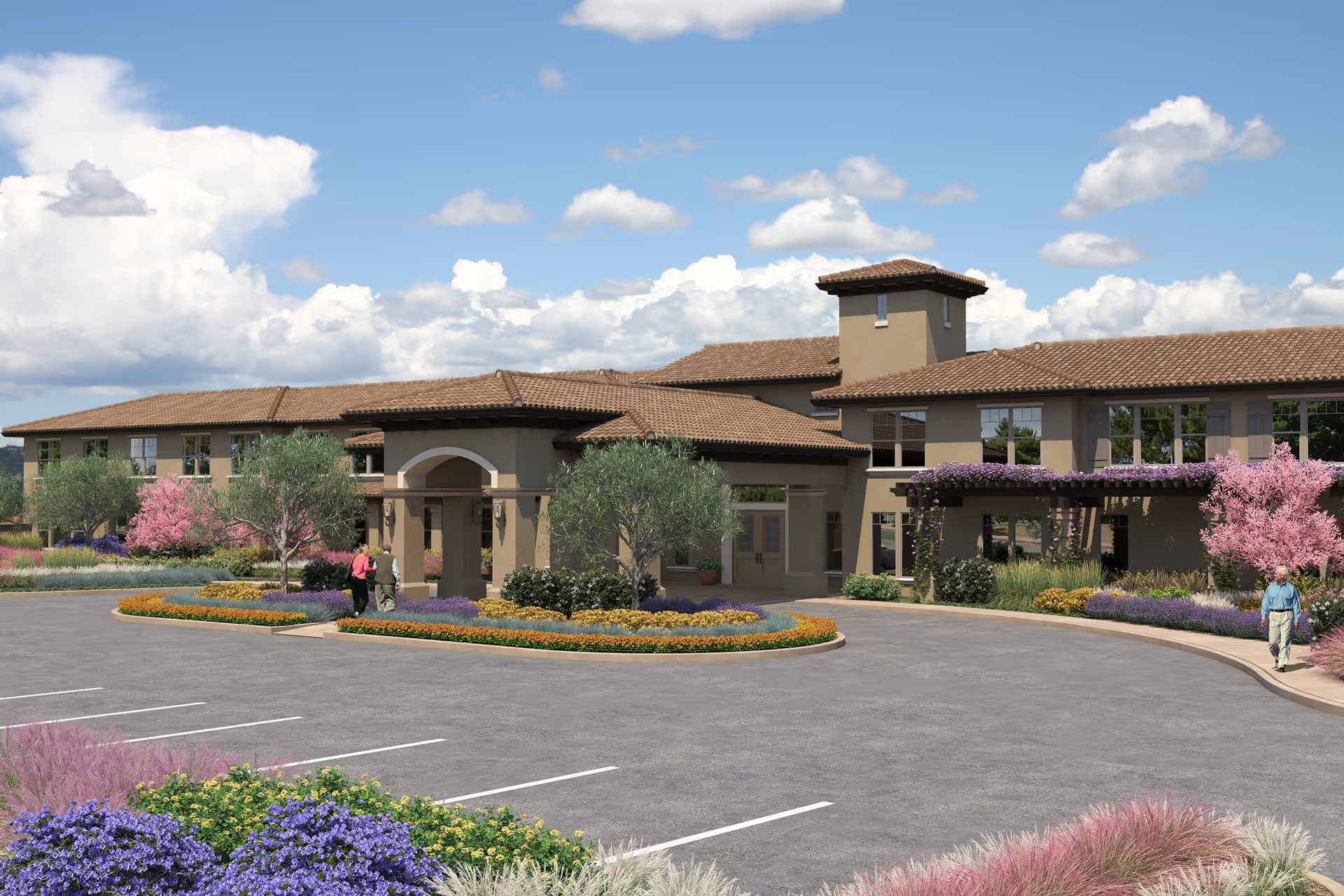
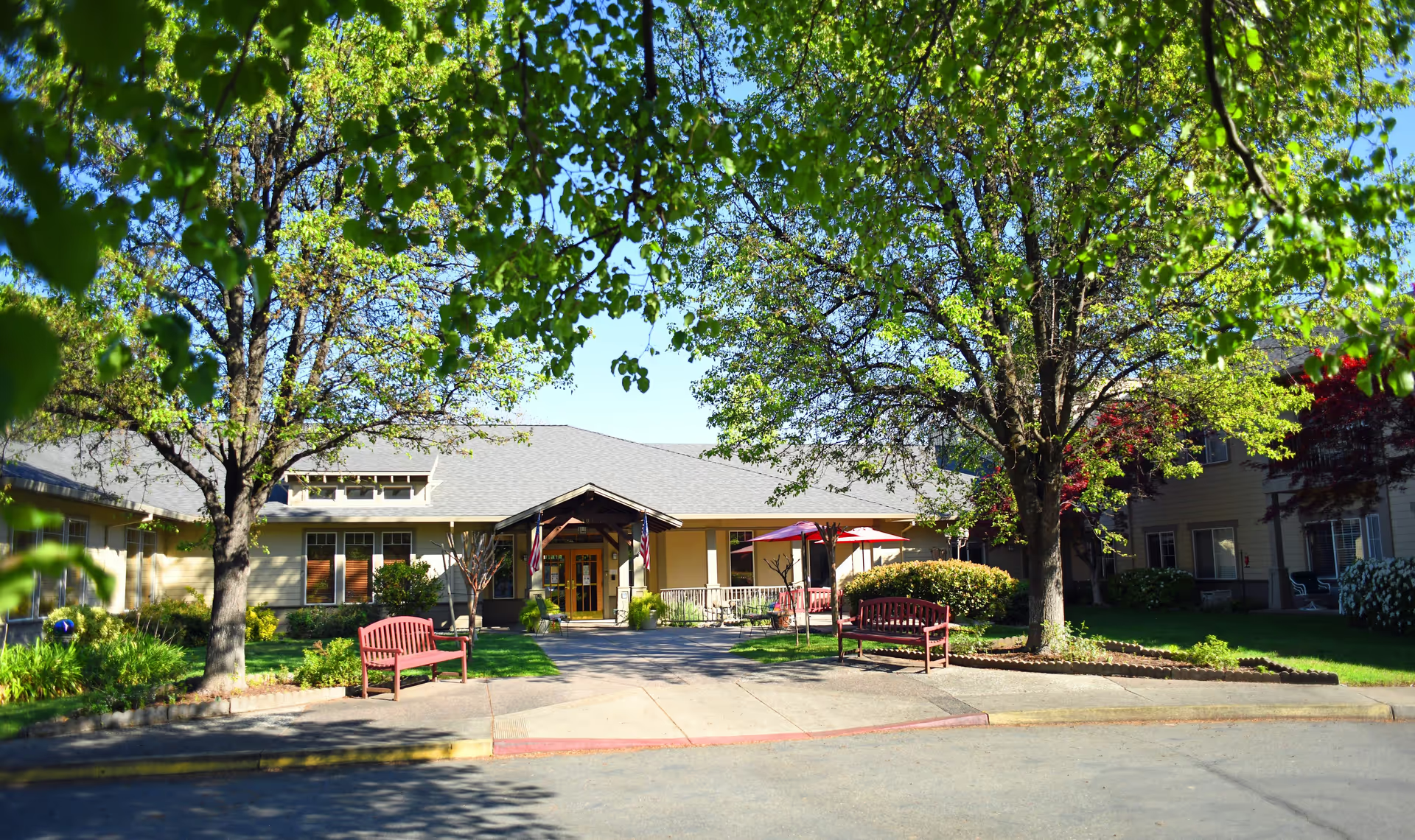
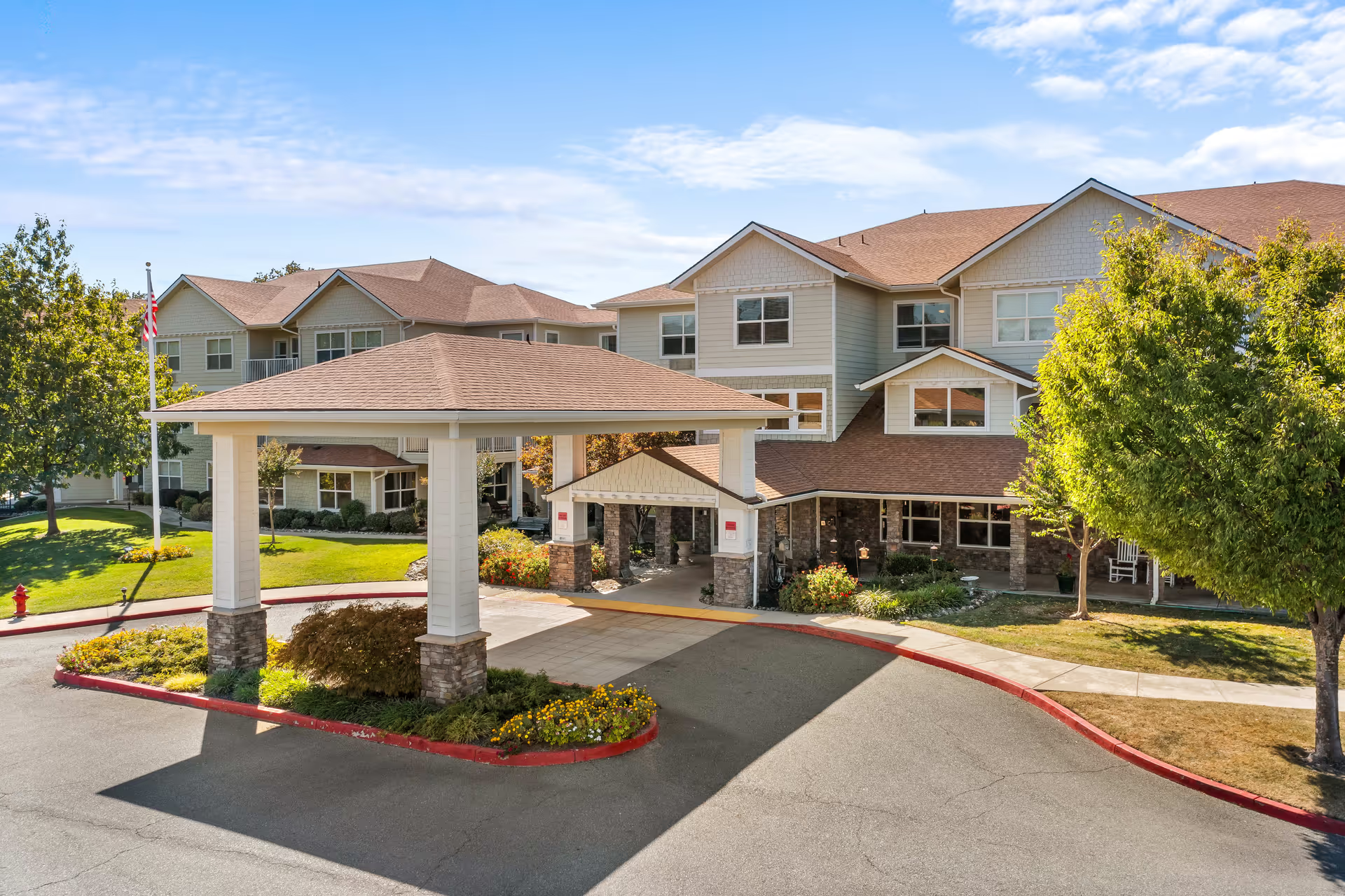
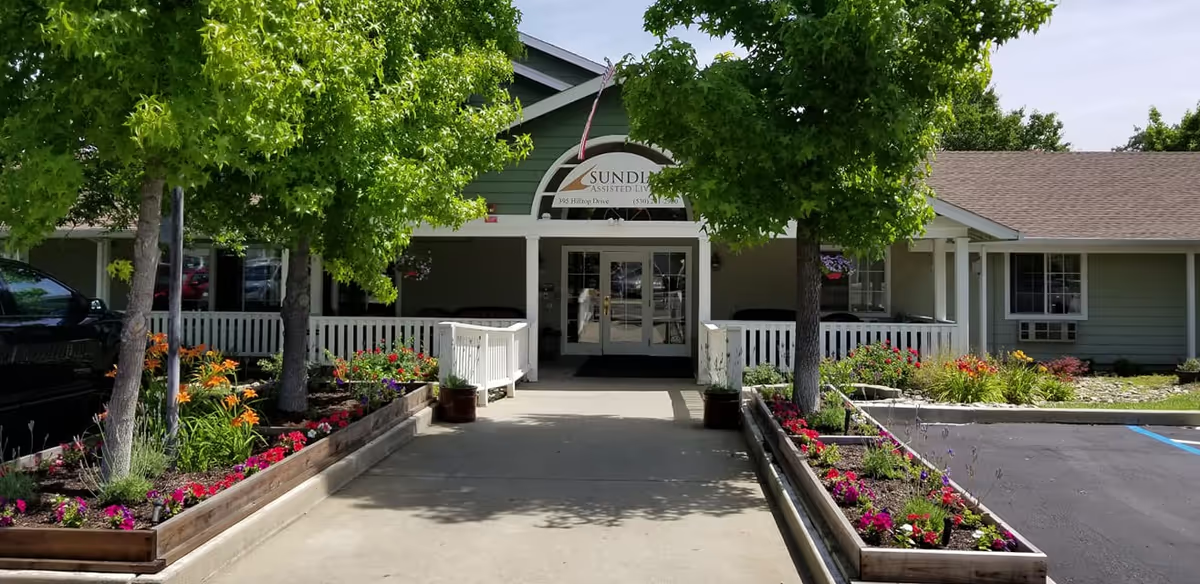
Facility conditions and accommodations vary across accounts. Positive comments describe clean, comfortable units and orderly common areas. Negative comments focus on overcrowded shared rooms (multiple beds per room), limited privacy, sanitation and odor concerns in specific areas, and small therapy/dining spaces that complicate care delivery and family visits.
Management, administration, and communications are a notable grievance area. Reviewers cite perceived revenue-driven administrative decisions, billing disputes, difficulty obtaining records, limited transparency about ownership/management changes, and inconsistent family updates. Visitation and admission communication also drew criticism in some accounts. Conversely, some families reported smooth intake, quick testing procedures, and helpful front-desk interactions.
Notable patterns: experiences appear polarized—some families describe a high-quality, family-like environment with effective rehab and attentive staff, while others describe operational shortfalls that they believe materially affected safety and wellbeing. Prospective residents and families should evaluate staffing ratios and turnover, call-response protocols, medication-management and documentation practices, infection-control procedures, dining and dietary accommodations, room configurations and privacy, billing transparency, and channels for family communication. Asking for recent inspection reports, clarifying visitation and PPE policies, meeting therapy and nursing staff, and confirming how clinical incidents are escalated can help assess whether the facility’s current operations meet an individual resident’s needs.