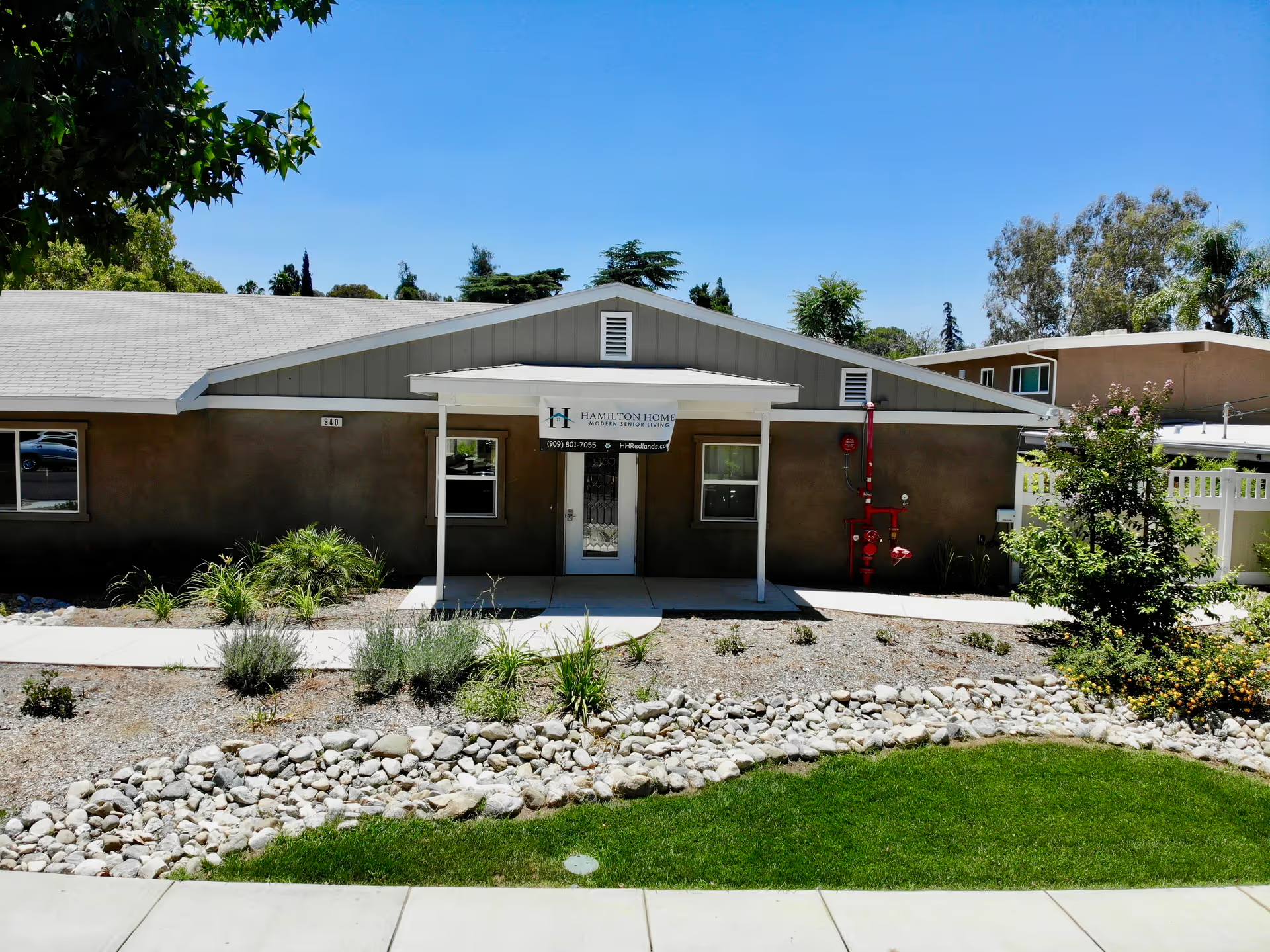
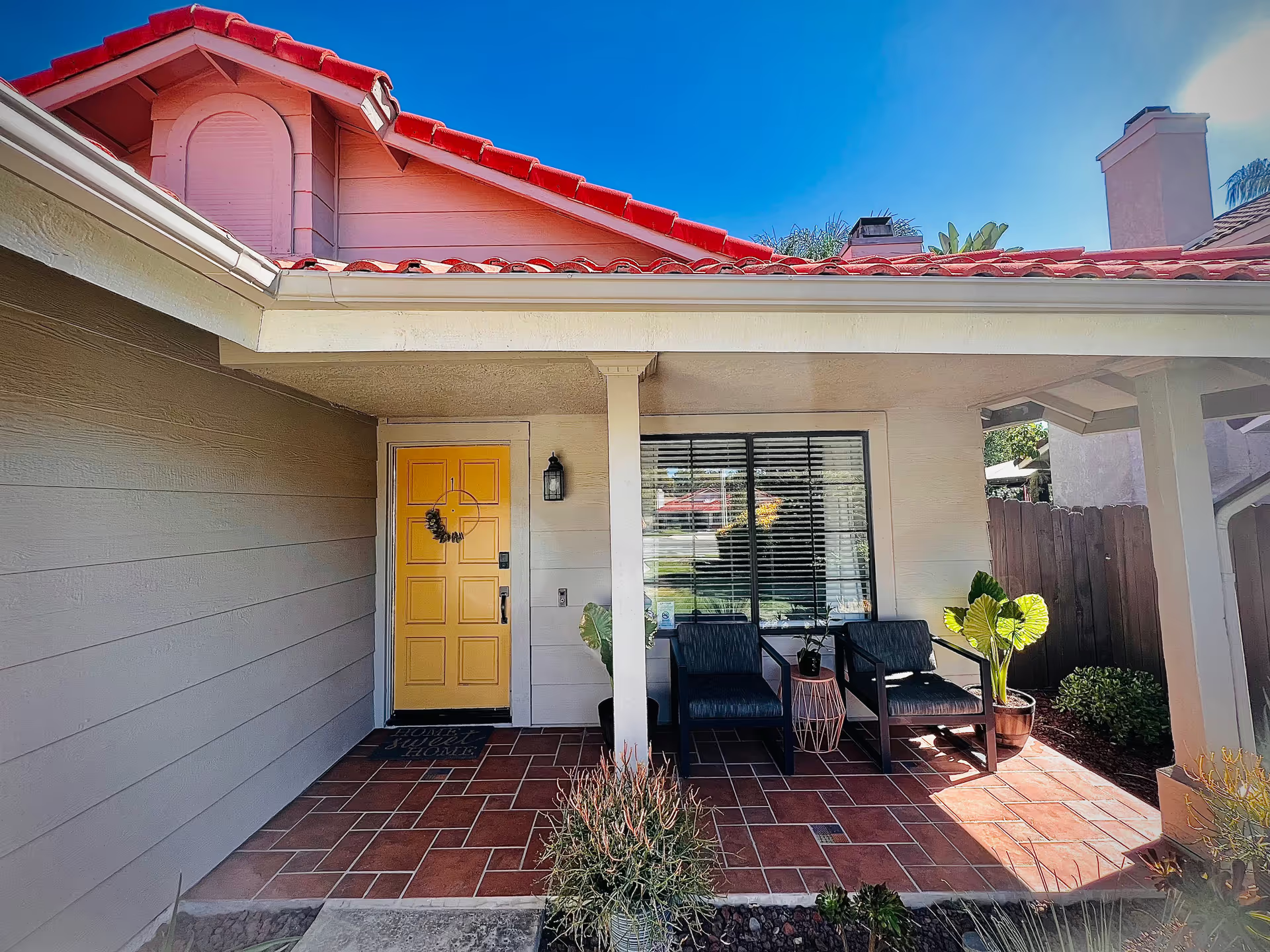
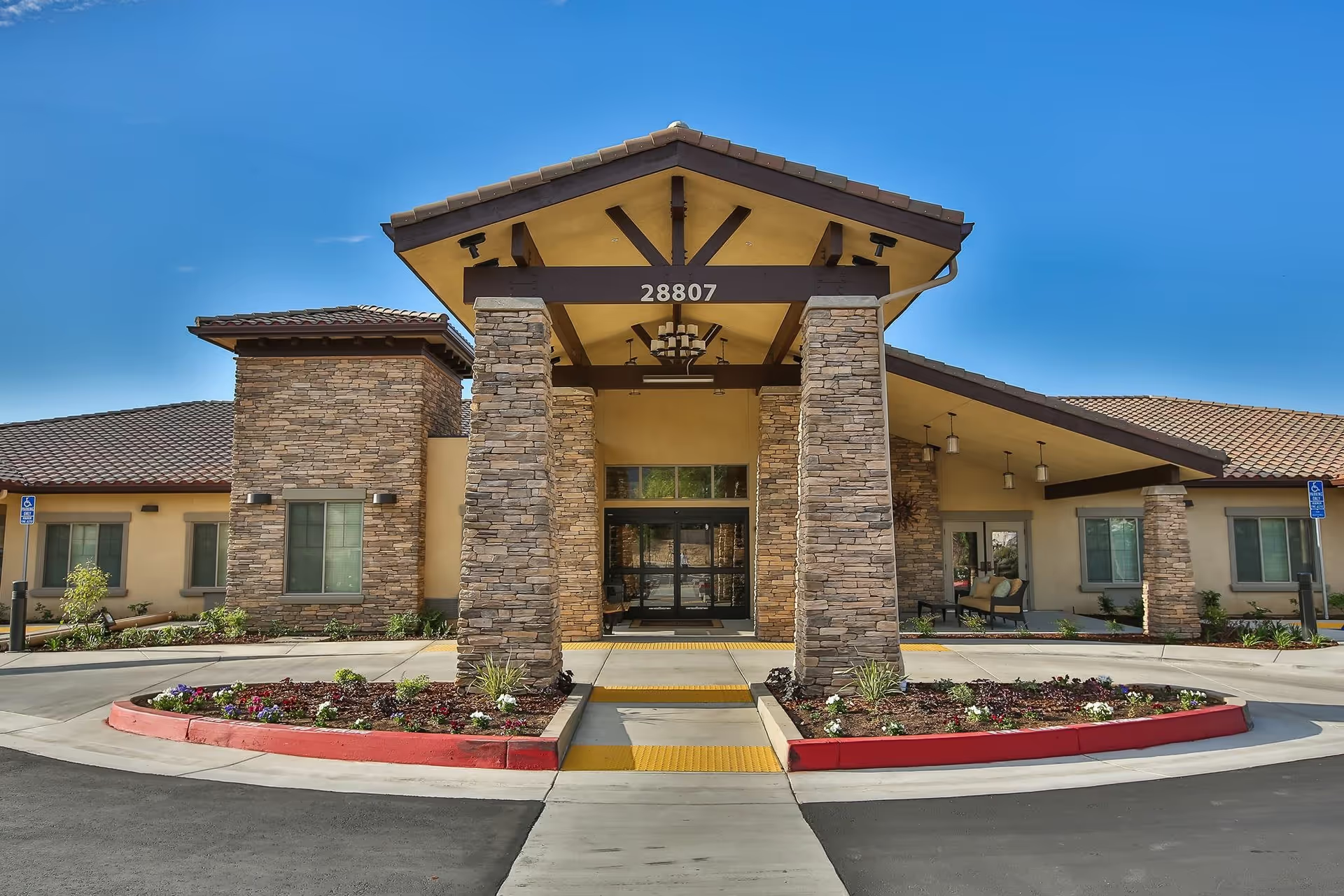
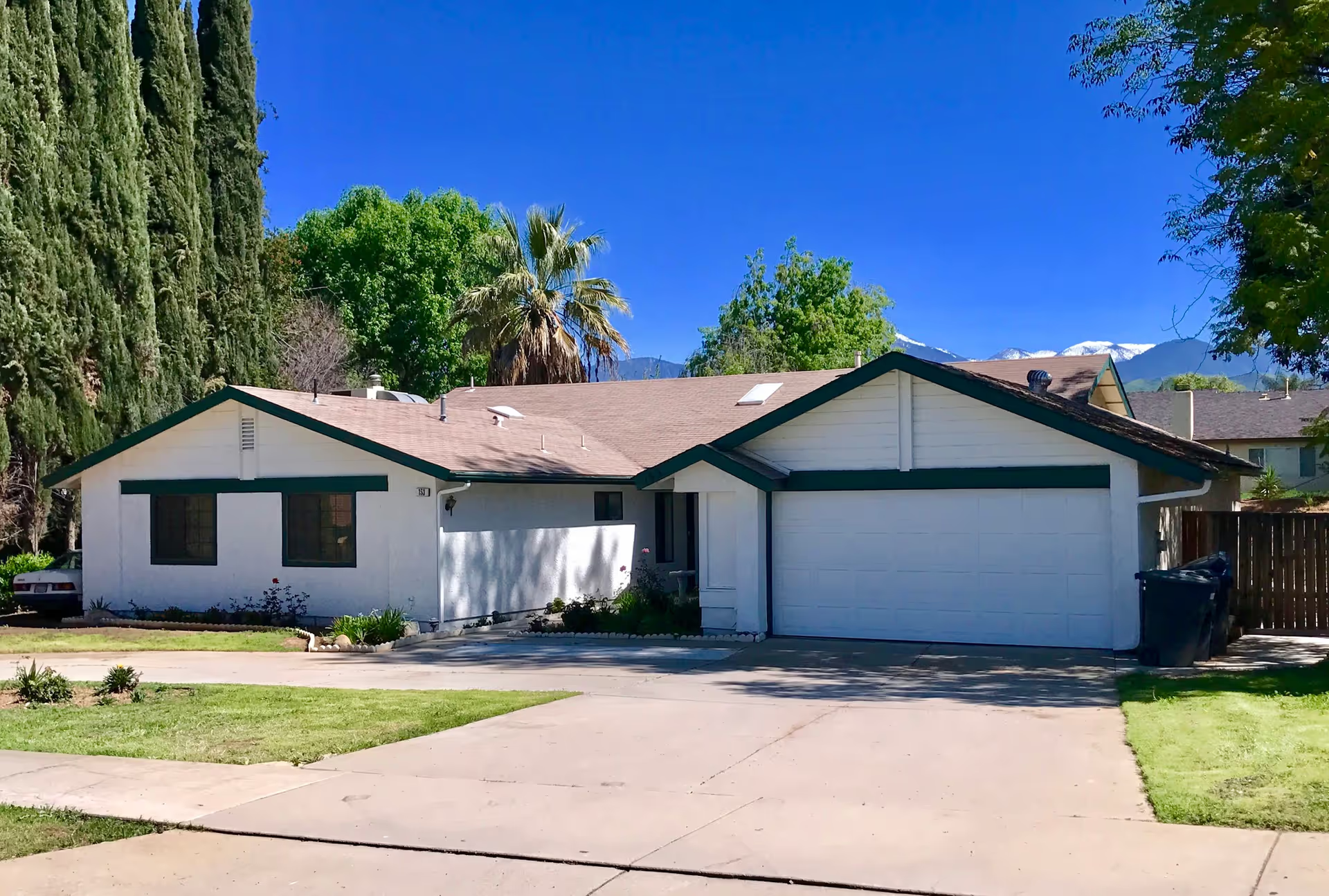
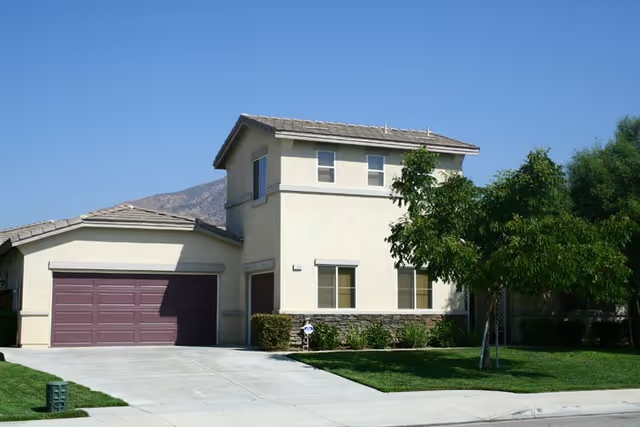
Tuparan Residential Care Facility presents as a small, home-like assisted living option with several strengths that appeal to families seeking individualized attention. Many comments highlight the low resident census and consequent one-on-one care, a Registered Nurse on staff, and caregivers described as attentive, patient, and dignity-focused. Dining is a consistent positive: meals are frequently described as high quality and enjoyed by residents. The facility also maintains a tidy, well-kept interior with warm personal touches that contribute to a comforting environment for many families.
Care and staffing receive mixed but often favorable descriptions. Numerous families praised compassionate hands-on care, flexibility with visits and outings, and observable mobility or functional improvements in residents. At the same time, there are accounts indicating variability in staff professionalism and responsiveness; these describe lapses in routine personal-care tasks and differences in caregiver competence. Prospective families should verify staffing patterns, supervision, and the RN’s role during a tour to assess consistency of clinical oversight.
The facility’s clinical practices and comfort management show both strengths and weaknesses. Hospice and end-of-life services are available and described positively by several families, yet there are also concerns about delayed family notification during critical events and at end of life. Other operational issues raised include inconsistent temperature control and refusal or resistance to implementing recommended equipment or interventions in some cases. These suggest gaps in policy application and incident-response procedures that families may want to clarify in advance.
Facilities and activities reflect the small size: reviewers frequently cite a cozy, clean atmosphere and individualized programming, but also note limited structured activities beyond simple options like morning walks. Cleanliness is generally praised, though a subset of accounts point to sanitation and lighting concerns in specific areas. The small community size supports personal attention but can limit social variety and the breadth of activity programming.
Management and administrative practices are another area of divergence. Several reviewers appreciate an involved, friendly owner and accessible administrators, while others raised ethical concerns about billing transparency, unexpected charges, and communication about fees. There are also isolated but serious concerns about pet-safety practices and refusal to accommodate certain care equipment, indicating the importance of reviewing policies on billing, equipment, pet visitation, and critical-event communication before placement.
Overall, Tuparan appears to offer strong personalized care, good food, and a peaceful, home-like setting that suits residents who benefit from a small, attentive environment. However, variability in staff conduct, personal-care consistency, activity offerings, environmental comfort control, and administrative transparency are recurring patterns to probe. Prospective families should ask specific, operational questions during visits: inquire about staffing ratios and supervision, bathing and oral-care schedules, temperature and HVAC policies, activity calendars, policies for equipment and clinical recommendations, pet protocols, and how the facility notifies families during emergencies and end-of-life events.