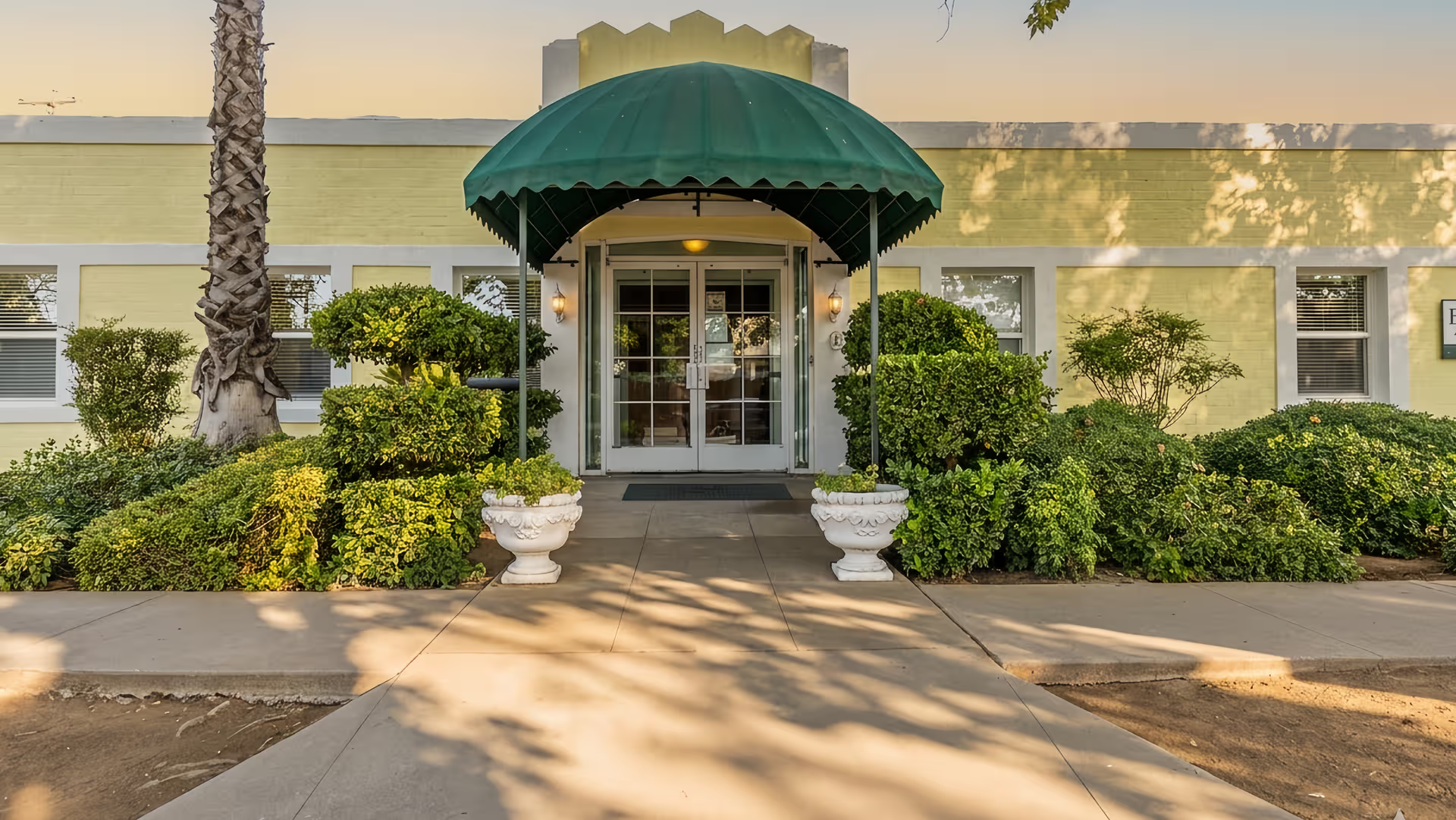
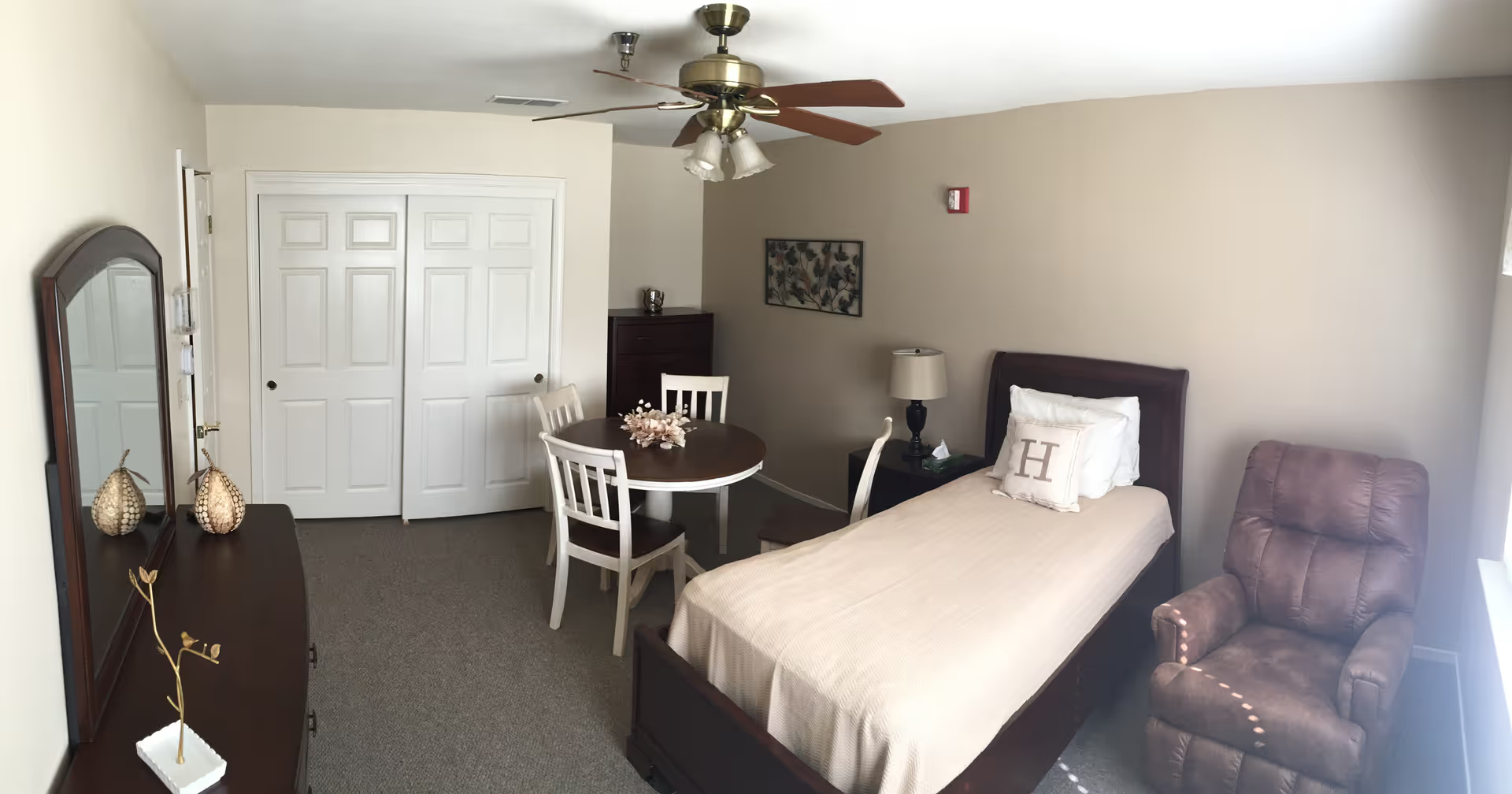
Sierra View Homes presents as a community with many operational strengths alongside recurring operational weaknesses. Positive experiences emphasize compassionate, hands-on caregivers, accessible management, and a genuine sense of community. The campus offers a broad continuum of care—independent living, assisted living, memory care, and skilled nursing—with design features in memory care intended to reduce confusion, on-site therapy services, a staffed wellness center and indoor pool, and social dining spaces with varied menus. Many residents and families cite strong social programming, faith-based services, pet-friendly policies, well-kept gardens, and an overall home-like atmosphere.
Care quality shows a mixed but distinct pattern. Numerous accounts highlight attentive nursing, effective therapy (PT/OT), successful transitions between levels of care, and emergency responsiveness. Management involvement in daily care and dining is noted as a positive by several families. Counterbalancing these reports are consistent mentions of uneven staff performance and supervision: periods of excellent individualized care coexist with accounts of disengaged aides, attention lapses, and inconsistencies in task completion. Reviewers also raised significant clinical-process concerns, including gaps in infection-control supplies and testing management, and broader gaps in clinical-incident response and timely family notification. There are also references to concerns following a resident's death that prompted family distrust; prospective families should consider verifying recent clinical oversight records and incident-handling practices.
Dining and activities are frequently cited as strengths: bright, social dining rooms, accommodated diets, holiday programs, and a robust activity schedule (exercise classes, clubs, outings, and worship services). Therapy services, swimming access, and active wellness programming are viewed positively. That said, there are recurring notes of inconsistent meal quality and occasional slow responsiveness from kitchen management; prospective residents should ask about current dining leadership and sample menus.
Facility and campus amenities are attractive in many respects: newer construction and updated apartments in parts of the campus, accessible outdoor spaces, and an interior layout that supports dementia care. However, reviewers describe uneven maintenance across the property. Some areas are well maintained and clean, while others—particularly portions of skilled nursing or older wings—have cleanliness and sanitation concerns and signs of deferred upkeep. Personal-property management also emerges as an operational gap, with multiple mentions of lost or misplaced items and insensitive handling during moves.
Management and communication present a complex picture. Several families praise visible, engaged leadership and staff who go above and beyond; others critique inconsistent communication, unkept promises, blame-shifting, and restrictive or inconsistently applied visitation practices. Suggested improvements that appeared in reviews include regular family meetings, clearer inter-office communication systems, a family advisory committee, and up-to-date public information about infection-control and visiting policies.
Bottom line: Sierra View Homes offers many of the features prospective residents and families seek—continuity of care, active programming, therapy services, and an involved staff community—but the experience appears variable depending on unit, time, and staff assignment. Families considering Sierra View should visit multiple care levels, ask specific questions about current staffing ratios and training, infection-control protocols, property maintenance plans, dining management, and family-communication practices, and inquire about recent quality or regulatory reviews to ensure the aspects they prioritize are consistently managed.