The reviews for Extended Care Hospital of Riverside present a polarized but informative picture: the facility is repeatedly commended for its rehabilitation services and for many individual staff members who provide compassionate, hands‑on care, while simultaneous concerns highlight operational and safety patterns that prospective families should assess carefully.
Care quality: Physical and occupational therapy receive consistent praise for achieving functional gains and motivating patients. Nursing-level care is more variable in the accounts. Many families describe attentive CNAs and LVNs who provide personal-care support, but other accounts note inconsistent nurse responsiveness, delayed vital-sign monitoring, and concerns about medication administration and documentation. Several reviewers described clinical escalation delays and gaps in laboratory follow-up and assessment; a small number of serious clinical incidents were also described, which reviewers cited as raising questions about clinical oversight and incident-response protocols.
Staff and communication: Staff interpersonal qualities are a clear strength for many guests—examples include individualized encouragement, bilingual communication, and engaged bedside care. Simultaneously, repeated themes surface around inconsistent communication from social services and case management, difficulty contacting staff by phone, and limited transparency around discharge planning. Shift-to-shift coordination and handoff practices are described as uneven, contributing to family frustration and occasional care discontinuities.
Dining and activities: The activities program and activity leadership receive favorable comments for engaging residents. Kitchen and meal-delivery staff are often described as hardworking and attentive at the bedside. However, reviewers also note variability in food quality, interrupted meal service, and occasional dietary-adherence issues, suggesting operational inconsistencies in meal planning and delivery.
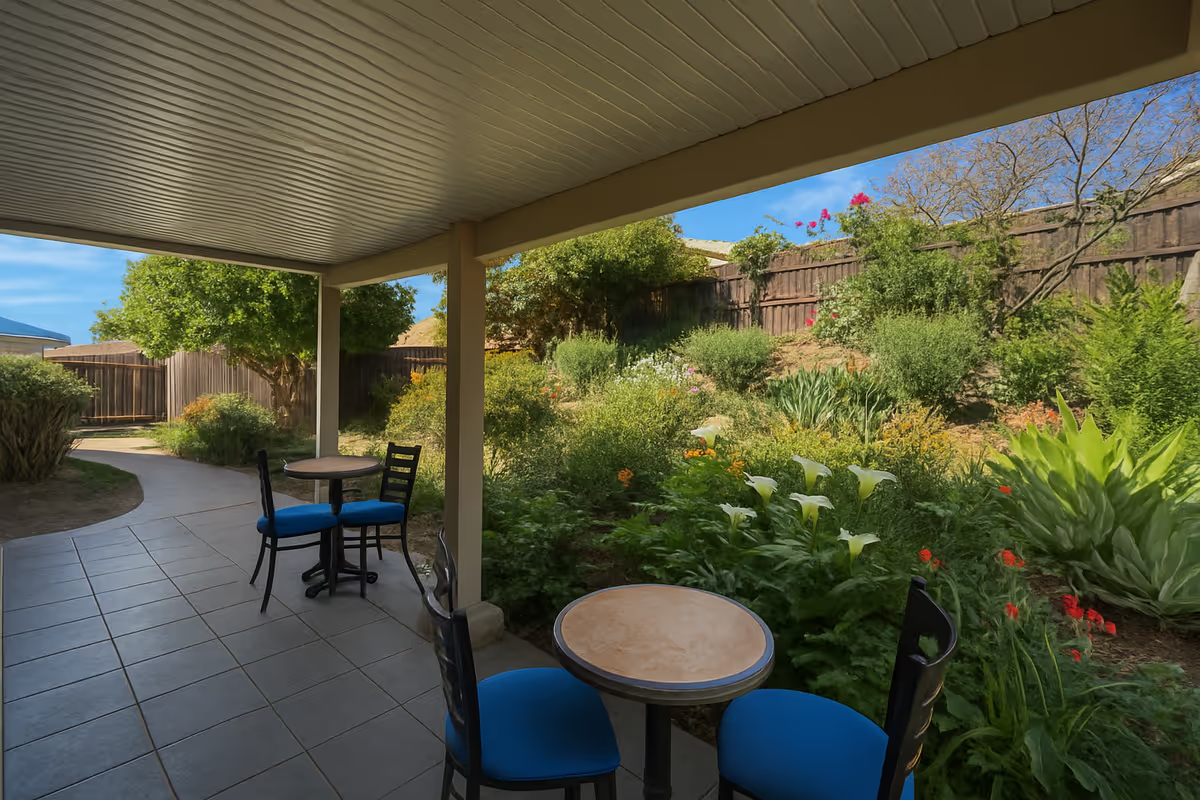
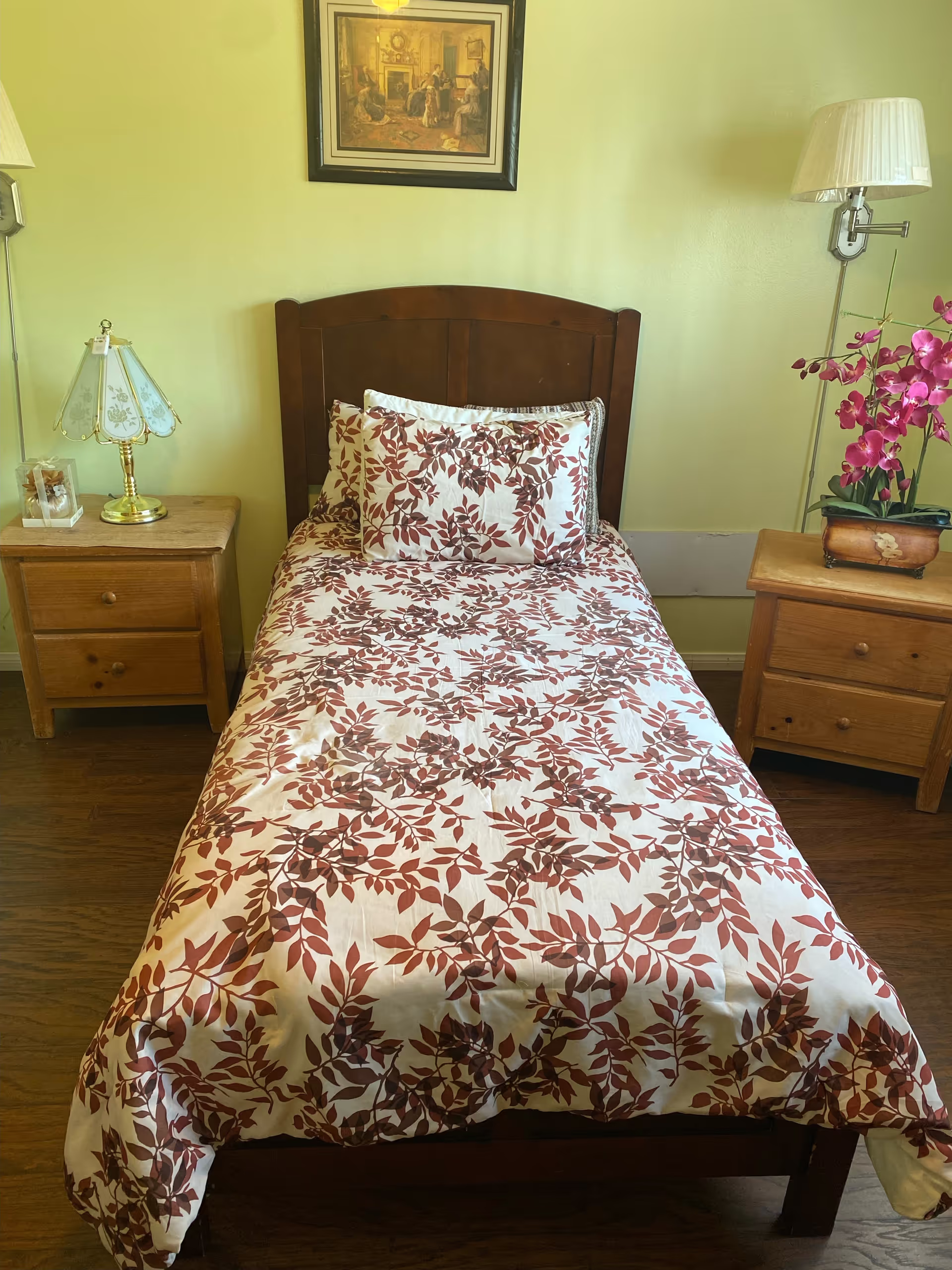
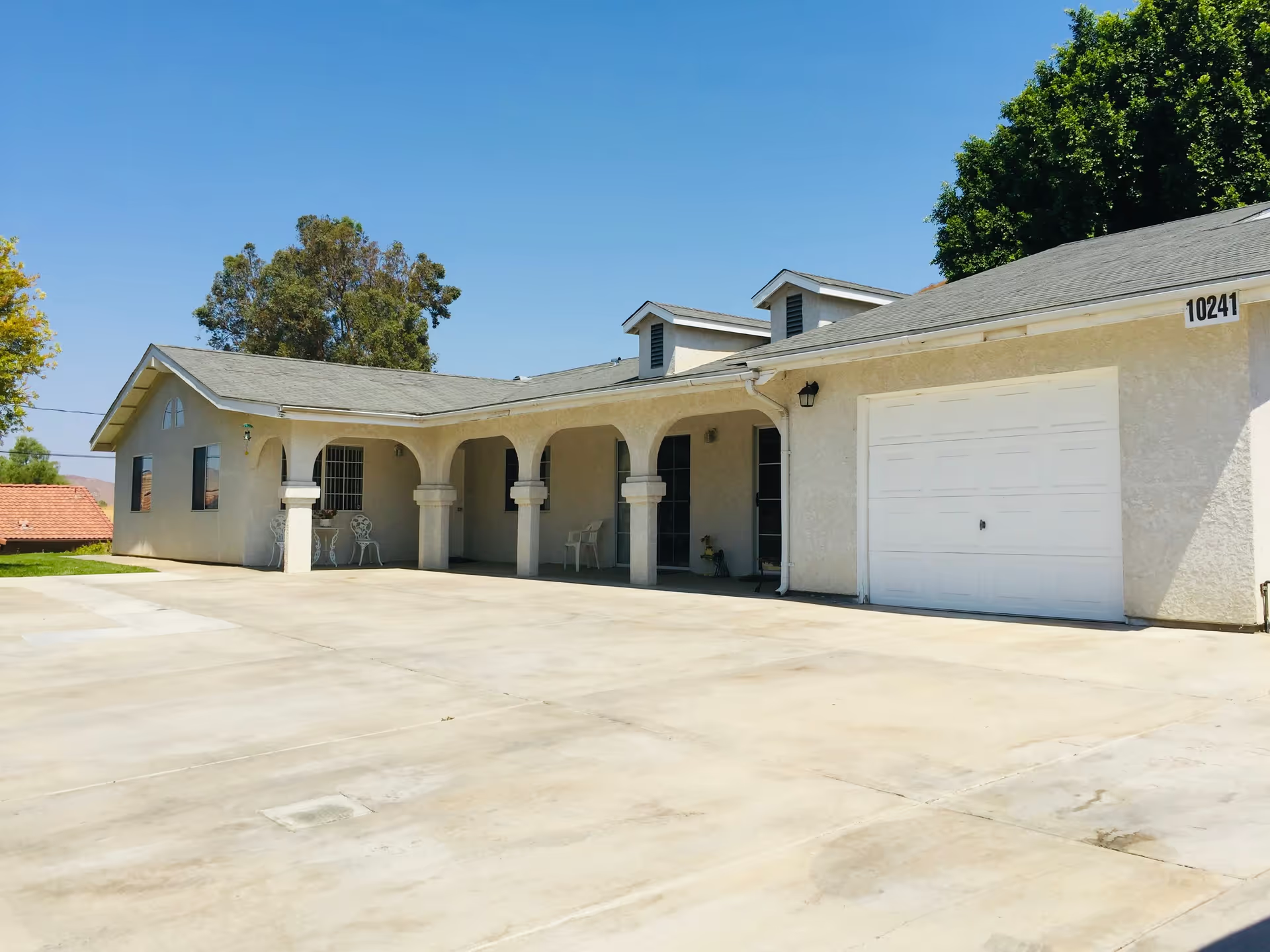
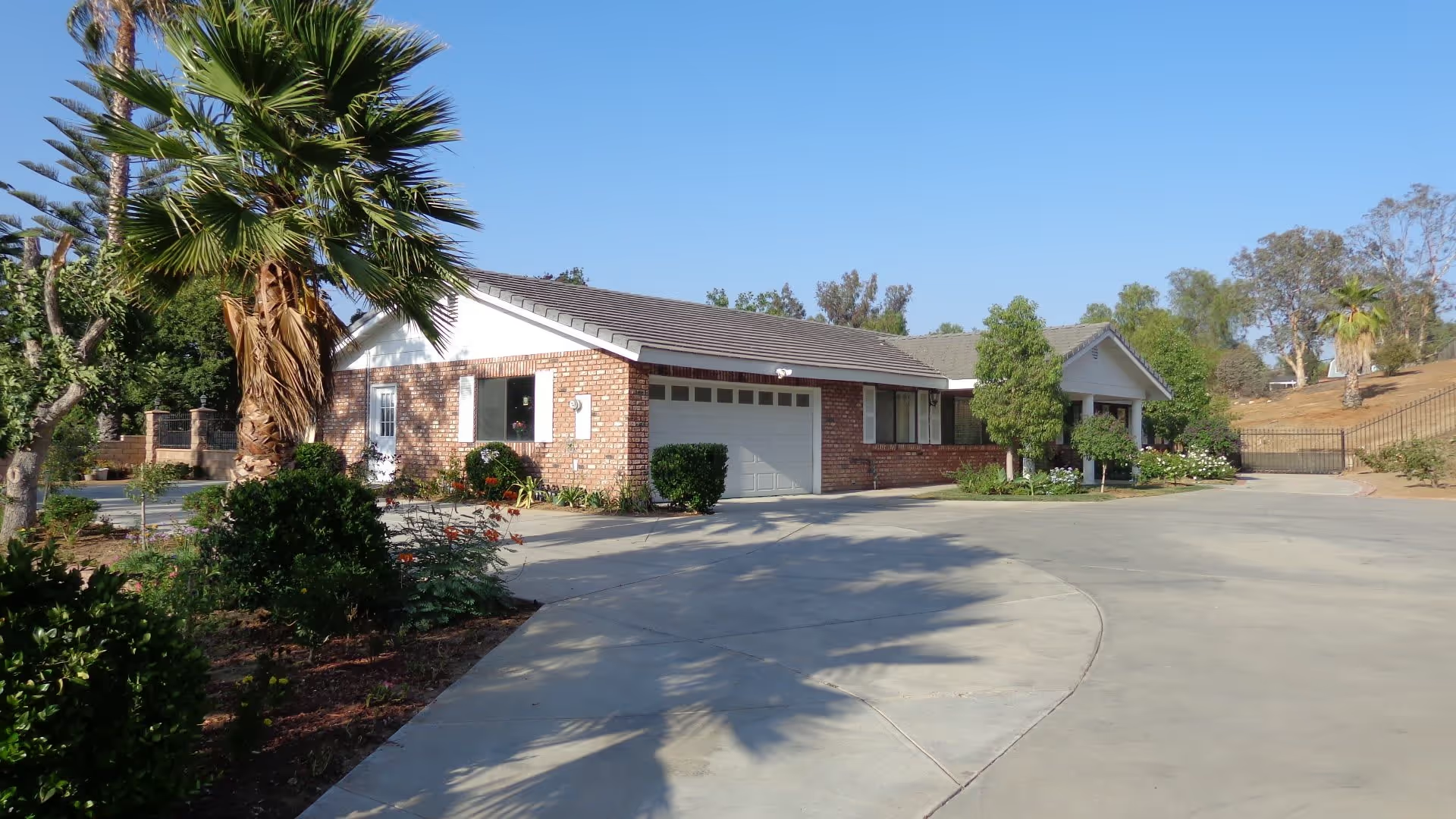
Facilities and safety: Descriptions of the physical environment are mixed. Some accounts report clean, well‑maintained common areas and pleasant outdoor spaces; other accounts raise sanitation and odor concerns, ventilation and temperature issues in rooms, and housekeeping response delays. Safety-related themes include concerns about fall-prevention practices, availability of bed/room alarms, and facility access control (locked doors and visitor verification). Several reviews also describe problems with laundry labeling and missing personal belongings, indicating weaknesses in property-management processes.
Management and patterns to note: Leadership presence and responsiveness are noted positively in certain stays; conversely, other reports describe dismissive or obstructive interactions with management and case staff. The prevailing pattern is variability: experiences appear to depend heavily on the specific care team, shift, and unit. Strengths center on rehabilitation, activities, and many compassionate frontline staff. The recurrent operational weaknesses—staffing variability, medication and assessment process gaps, sanitation and security concerns, and inconsistent communication—are the areas that most frequently distinguish negative from positive experiences.
For families considering this facility, recommended due diligence includes asking about current staffing ratios, nurse and therapy schedules, medication-safety protocols, incident reporting and follow-up procedures, laundry/property labeling practices, visitor and access controls, and a walk-through of patient areas to assess cleanliness and room ventilation. Observing a therapy session and speaking with the therapy team can be particularly informative, given the consistent praise for rehabilitation outcomes.