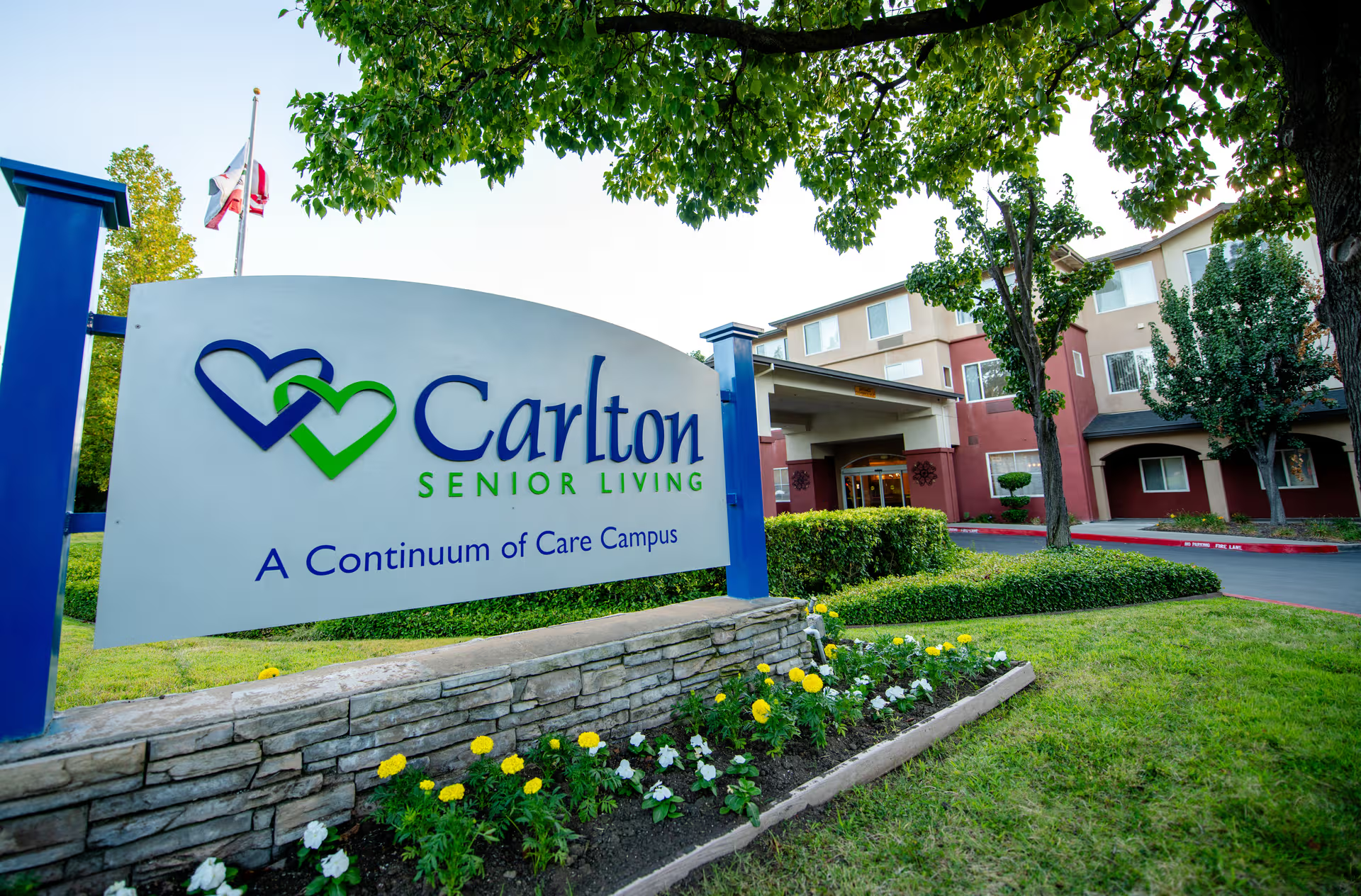
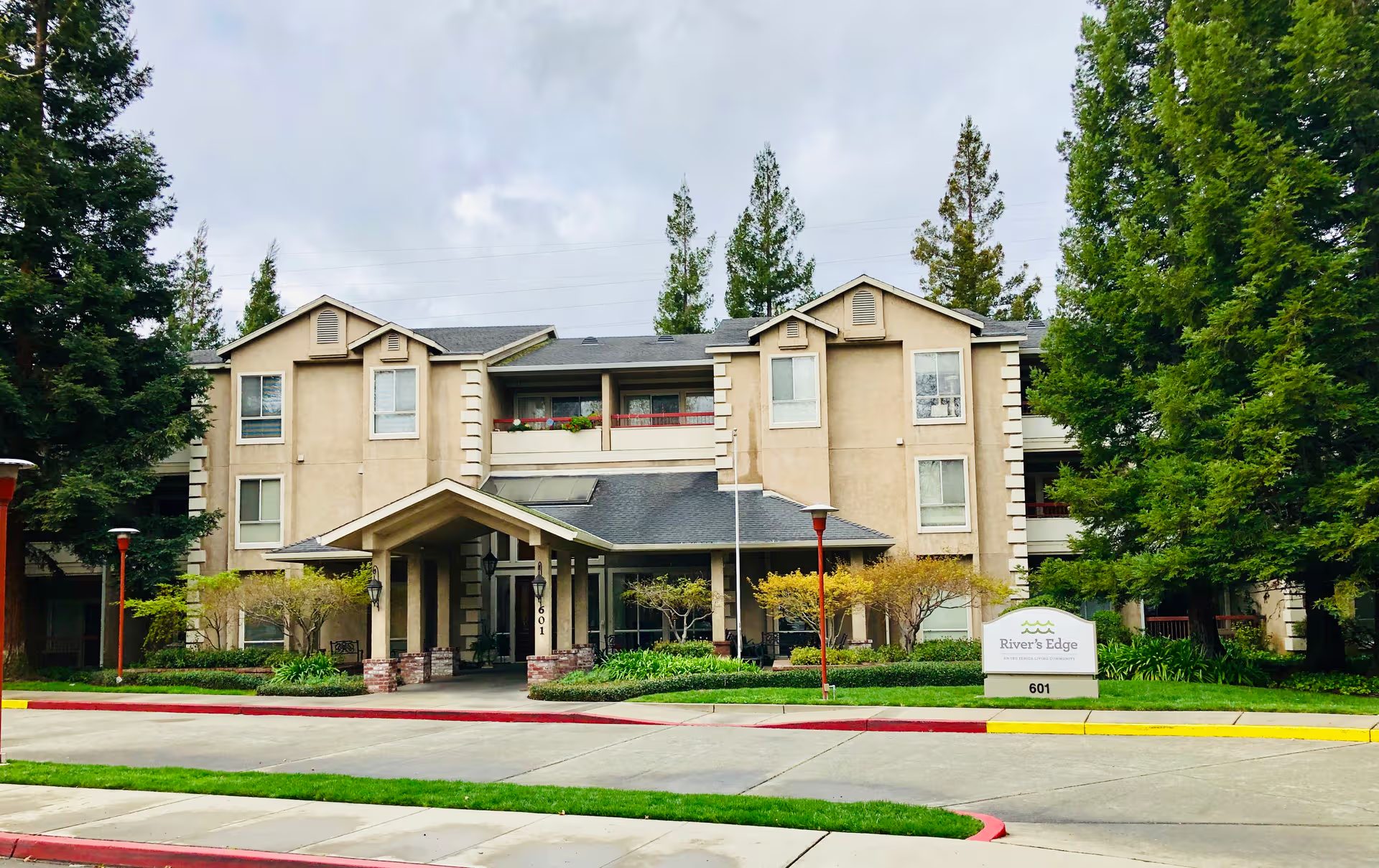
Overall impression: Reviewers portray Carlton Senior Living Sacramento Atrium Building as a clean, well‑maintained community with a family‑centered feel and an intimate, cruise‑ship–style ambiance. Many families appreciated the smaller scale and high staff‑to‑resident ratio, noting engaged caregivers, attentive clinical support, and helpful operational staff such as laundry personnel. The facility is also credited with effective hospice coordination and supportive follow‑up after a resident’s death, suggesting a capacity to manage end‑of‑life needs with sensitivity.
Care and staff: Strengths appear to be in the caregiving team’s competence and compassion. Multiple accounts highlight courteous, patient, and well‑trained caregivers who respond promptly to calls and help residents connect socially. At least one caregiver was singled out for particularly attentive care. That said, reviewers also describe variability in staff hospitality—especially at reception—and occasional concerns about tone or warmth. There are also mentions of internal communication gaps between departments, which can affect coordination of care and family communication.
Dining and activities: The community offers flexible, restaurant‑style dining with open‑seating options and accessible meal service, which some residents and families praised. However, dining quality appears inconsistent: while some describe the food positively, others criticized meal preparation and presentation. Activities programming is noted as a positive feature, with organized events and occasional take‑home kits that support engagement for residents, including those with cognitive impairment.
Facilities and operations: The physical plant is described as attractive, clean, and well maintained, with apartment options such as connected studios. Operationally, reviewers noted a mixed experience during transitions in management—some described a bumpy start followed by improvements after leadership changes. A few comments point to gaps between services that were promised during move‑in and what was actually delivered, indicating a need for clearer service agreements and follow‑through. Privacy and personal‑space management were raised as an area to watch when assessing suitability for individual residents.
What to watch for and next steps: Prospective residents and families should weigh the community’s clear strengths in cleanliness, small‑community care, and hospice coordination against variability in dining and occasional front‑desk hospitality and communication issues. During a visit, consider sampling a meal, observing reception interactions, asking for examples of recent care coordination, clarifying which services are contractually included, and speaking with current families about management stability and follow‑up practices. These steps can help determine whether the facility’s operational patterns align with a particular resident’s needs.