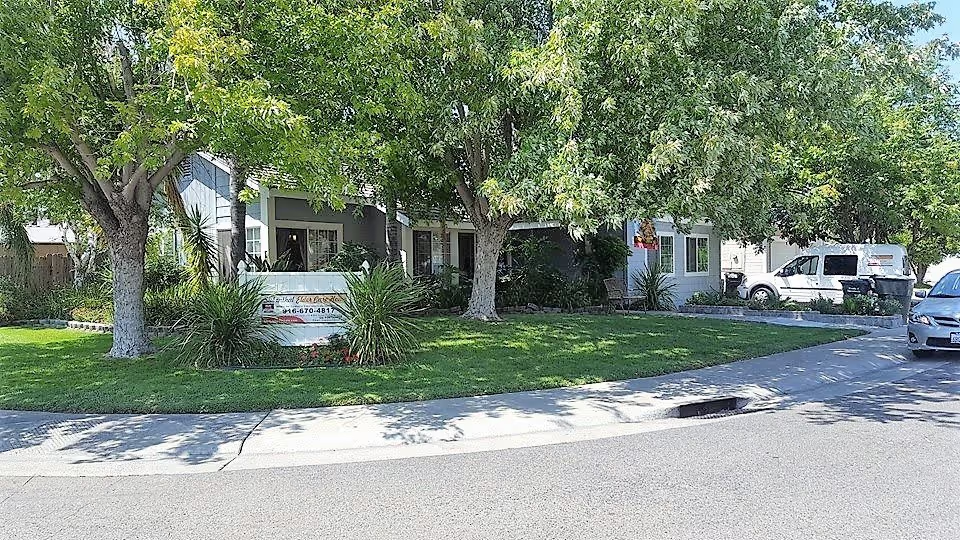
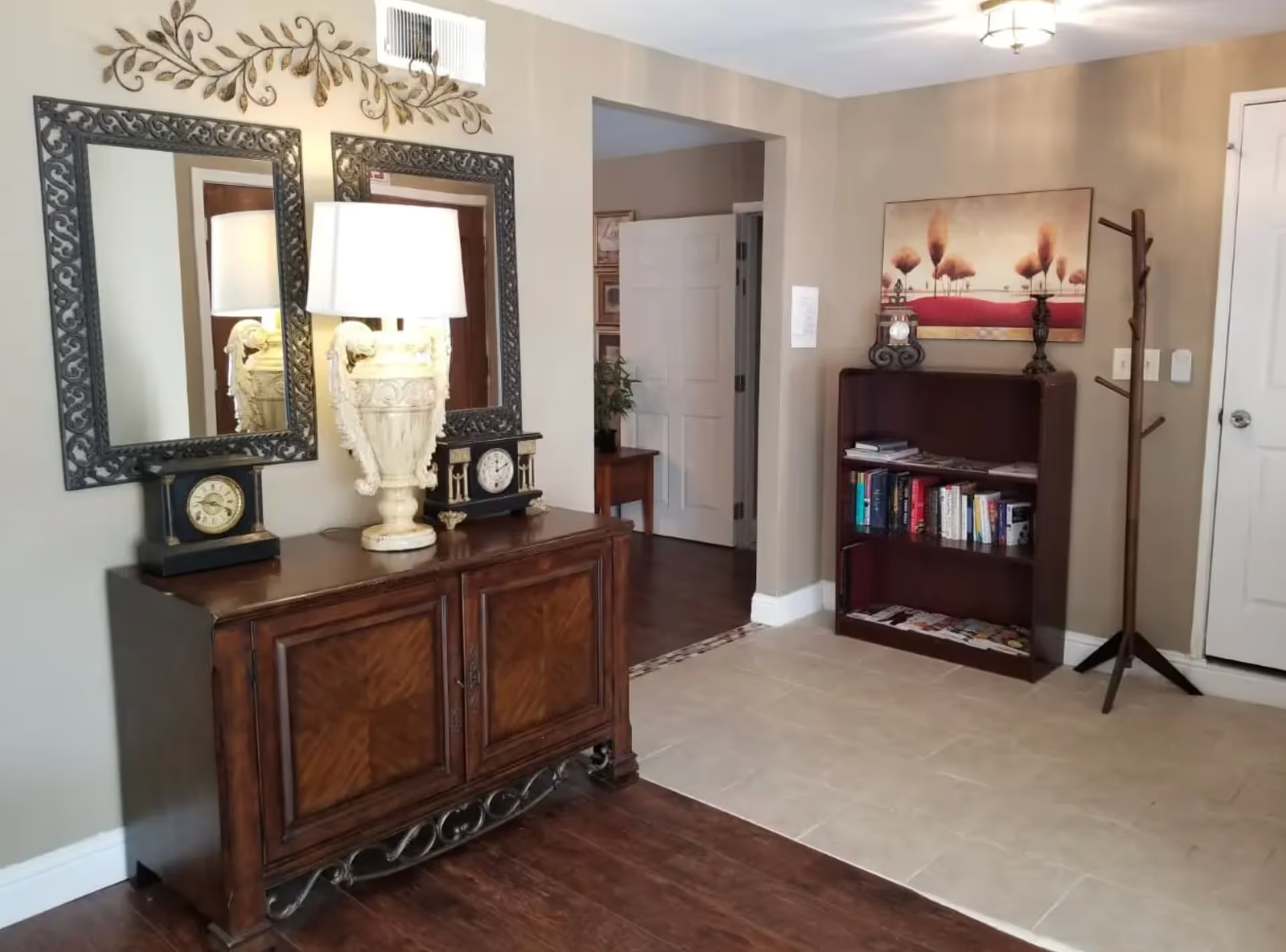
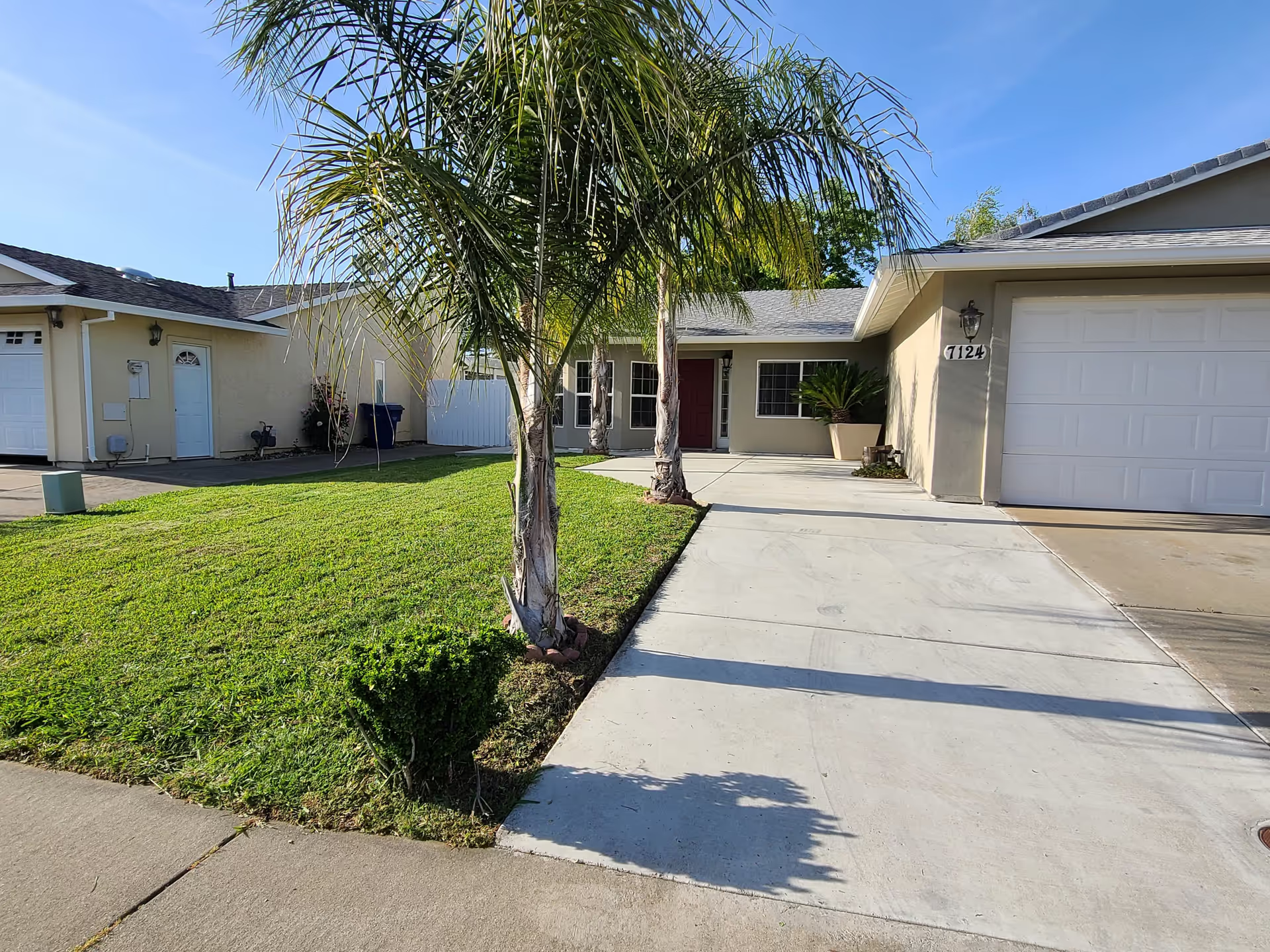
Comfort Living Elder Care 3 is described predominantly as a family-oriented, well-run assisted living community. Reviewers emphasize a warm, home-like atmosphere supported by a staff characterized as professional, caring, and patient. Families consistently note frequent communication from staff, visible operations efficiency, and a sense that residents are kept safe and well attended.
Care quality and staff: The dominant theme is strong interpersonal care. Caregivers are portrayed as compassionate and engaged, with staff described as loving, top-notch, and patient. Families appreciate regular updates and open lines of communication with the team. These patterns suggest reliable day-to-day caregiving and a staff culture that prioritizes resident dignity and family involvement.
Dining: Dining is a clear strength. Multiple accounts highlight the quality and variety of meals, using terms such as "great" and "awesome" food. This suggests consistent meal service and attention to resident satisfaction with menu offerings.
Activities and social environment: The community appears active and socially supportive. Reviews mention varied activities, many companions, and a generally enjoyable, supportive environment. The social programming and communal setting contribute to a family-like atmosphere and provide engagement opportunities for residents.
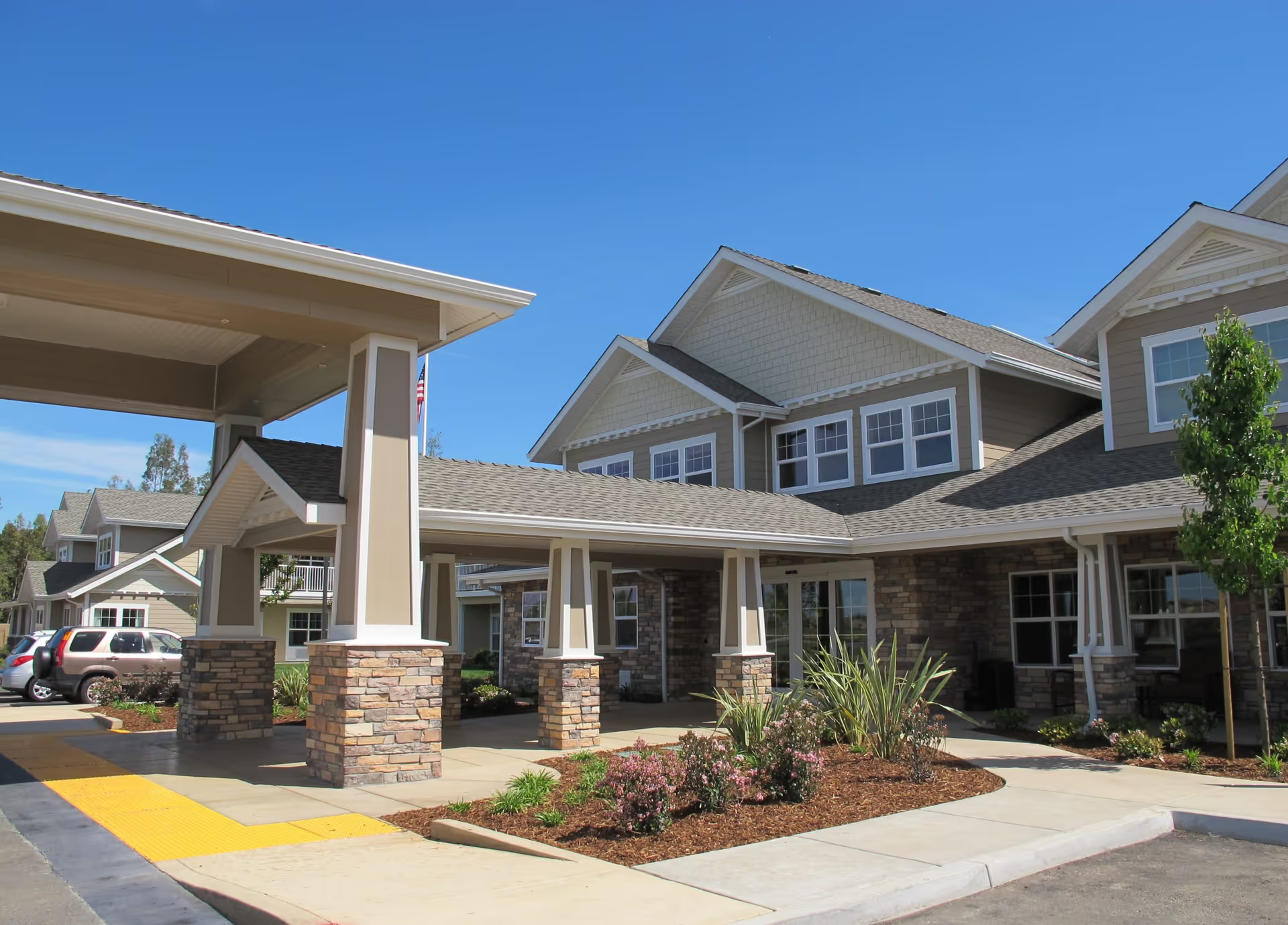
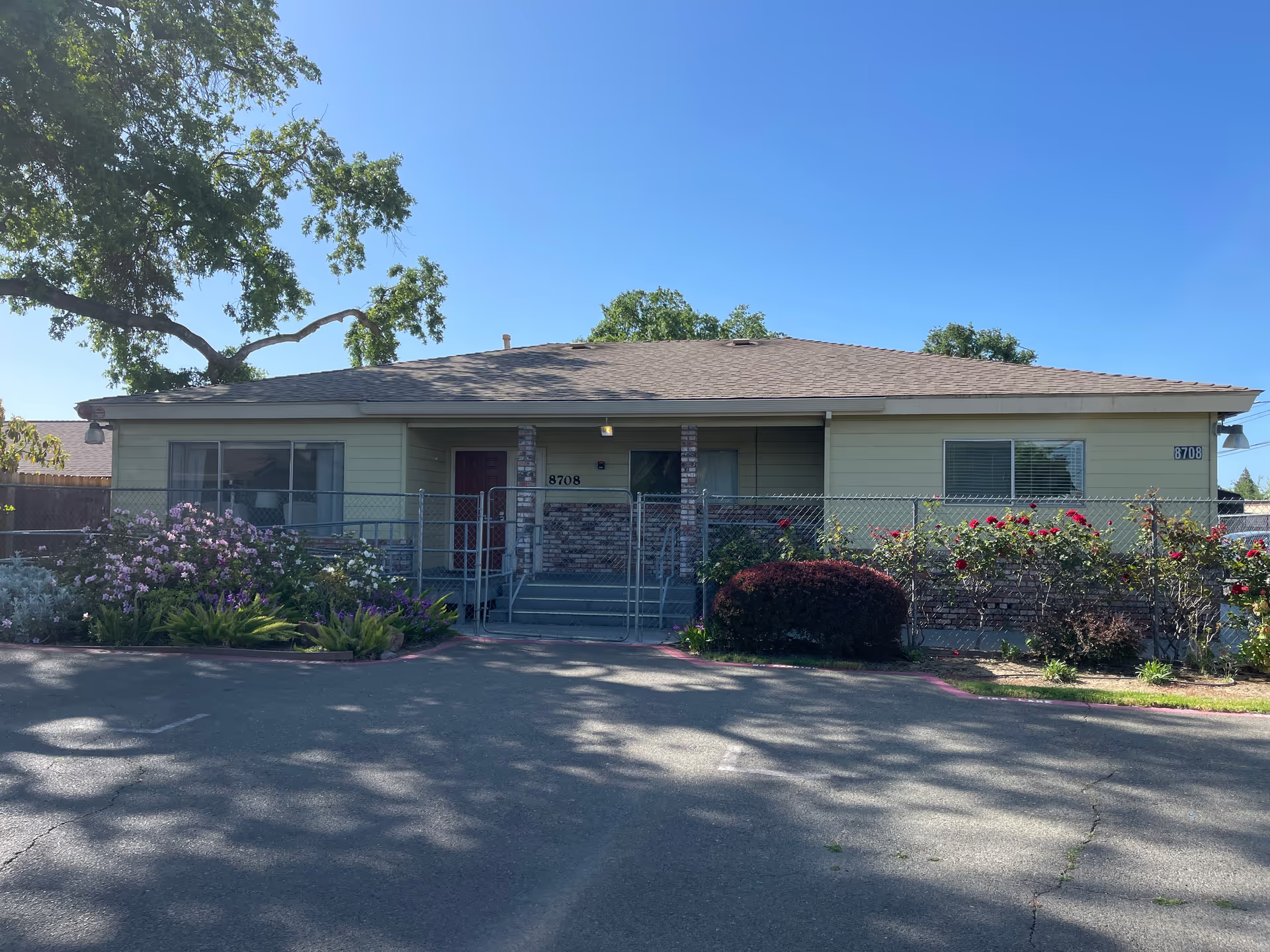
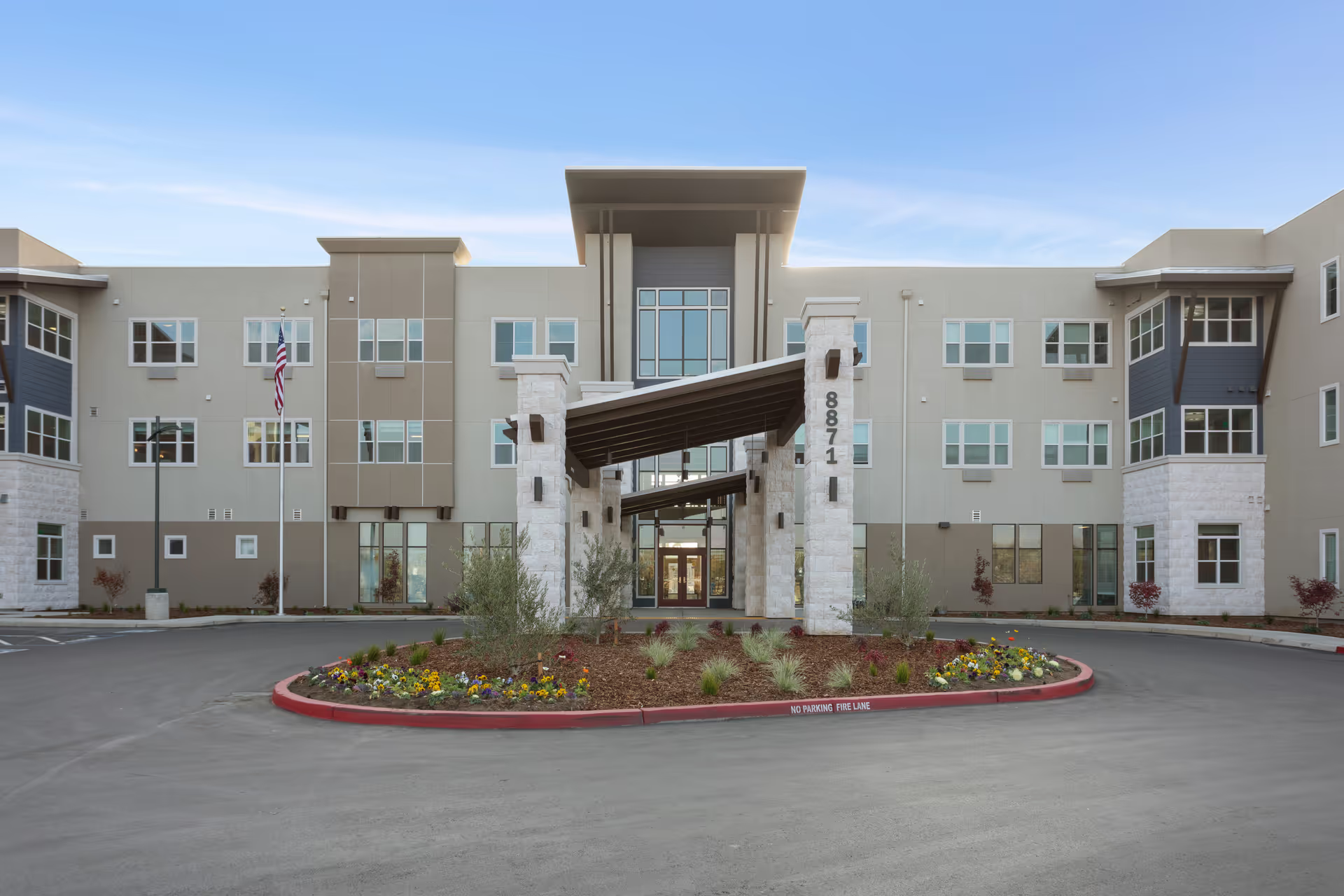
Facilities and management: The physical environment is described as clean, well-maintained, and comfortable. Amenities and efficient operations are noted, and families express confidence in the facility's housekeeping and general maintenance. Management appears responsive and communicative, contributing to trust from families and frequent visitation by relatives.
Notable patterns and limitations: While most feedback is positive, there are indications that some new residents—particularly those with cognitive impairment—may experience an extended adjustment period. One summary indicated a resident with dementia was "settling in slowly," and another noted the family was "seeking a different environment for father's care," which can reflect either evolving clinical needs or a mismatch between resident requirements and the community's care scope. Prospective residents and families should assess whether the facility's level of specialty memory care and behavioral supports align with their long-term needs.
Overall, Comfort Living Elder Care 3 presents as a warm, communicative, and well-maintained community with strengths in staffing, dining, and activity programming. Families valuing frequent communication, a home-like setting, and attentive daily care are likely to find it a good fit; those with higher-acuity or specialized dementia-care needs should confirm the facility's capacity to meet those specific requirements before making a placement decision.