Reviews of Gramercy Court Assisted Living and Memory Care present a mixed but informative picture. Across multiple accounts the facility's rehabilitation services receive consistently strong praise: physical and occupational therapy programs and wound care specialists are frequently described as effective, recovery-focused, and instrumental in returning residents home. Many families and residents also note thorough admissions and discharge coordination, helpful social work involvement, and a visible emphasis on therapy-driven outcomes.
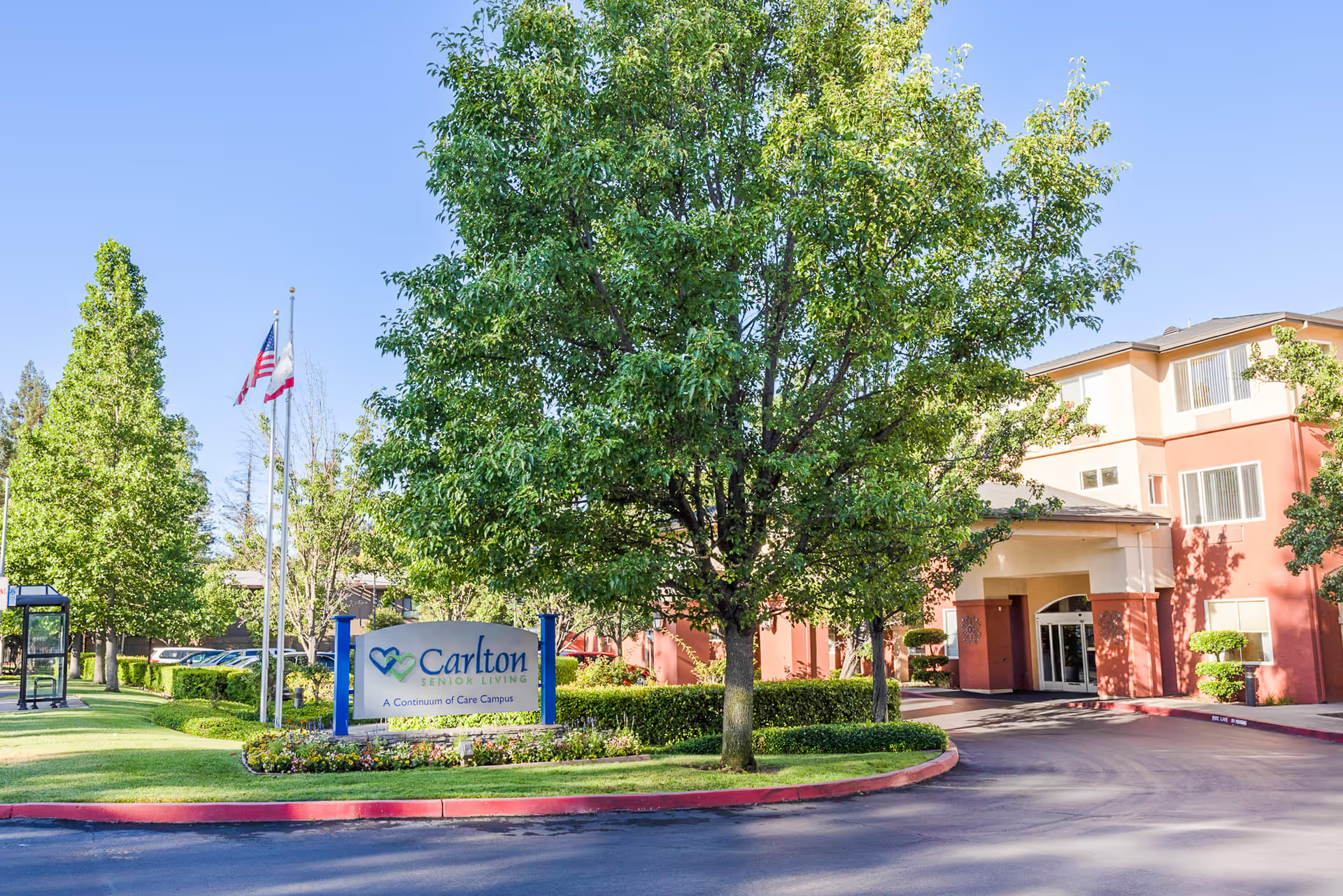
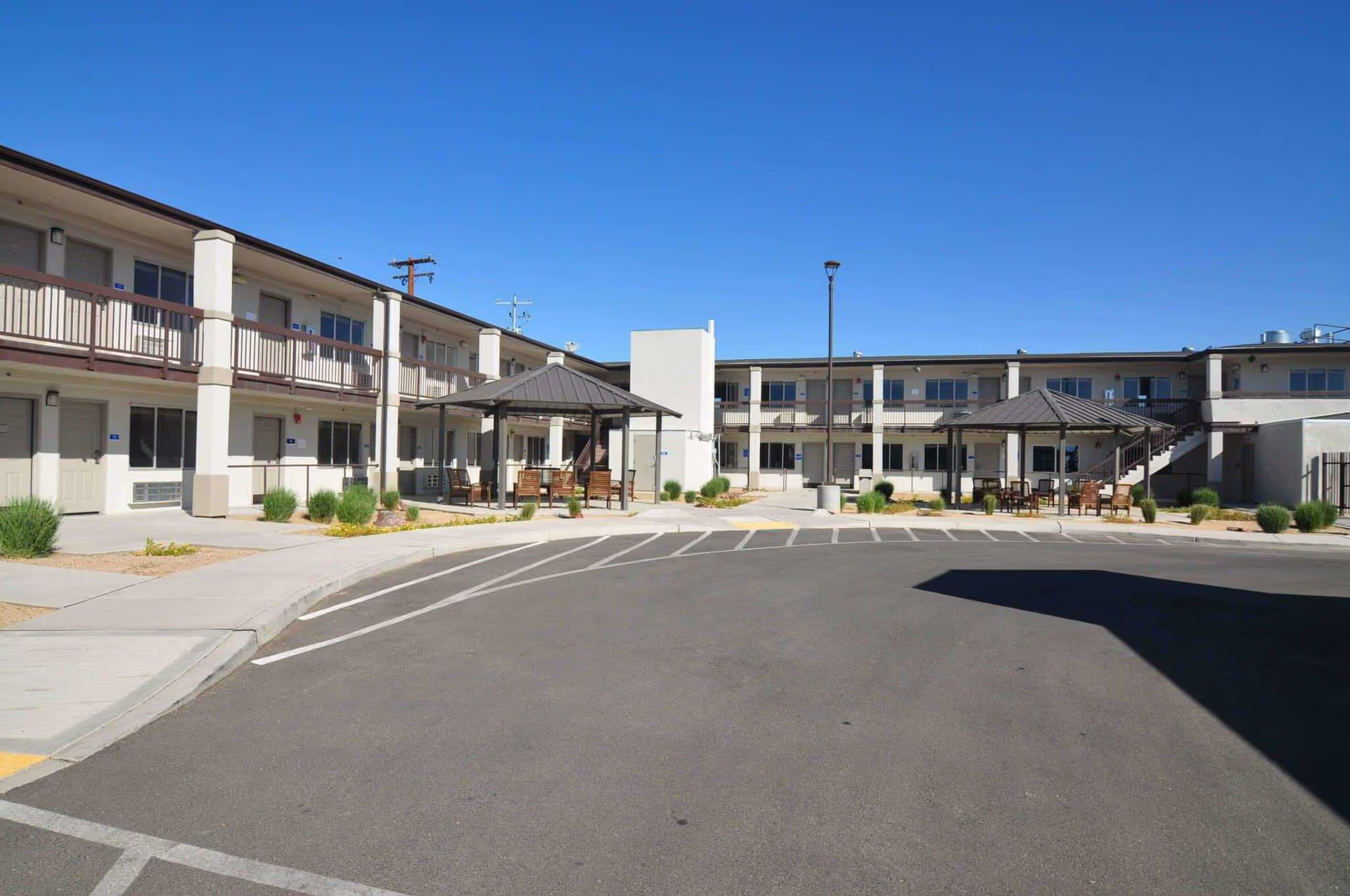
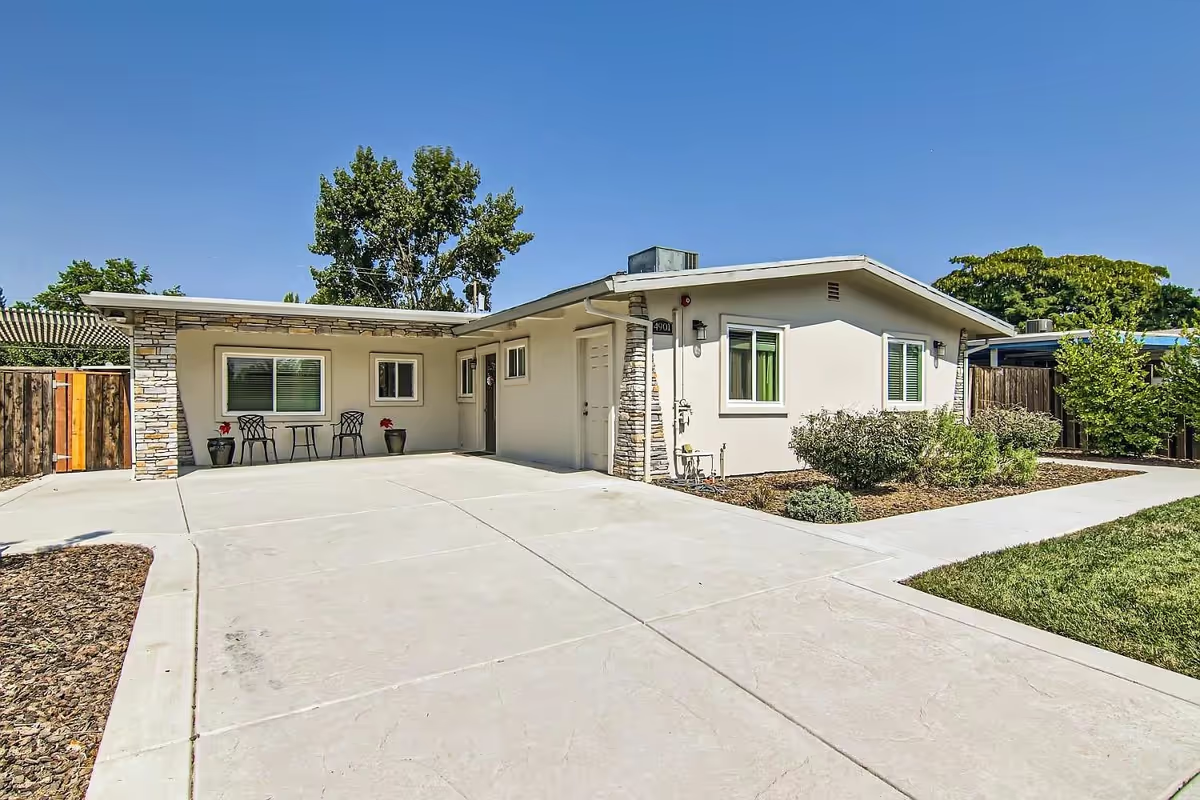
Facility amenities and environment are regularly highlighted as strengths. The campus, including newly renovated lobbies, attractive common areas, and well-kept grounds, is described as clean, bright, and hotel-like. Memory-care outdoor areas with secure roaming space, separate care buildings for different service levels, and thoughtfully arranged common rooms contribute to a home-like atmosphere. Housekeeping and reception services are often commended for courteous interactions and meticulous attention to cleanliness in many parts of the campus.
At the same time, substantive operational concerns recur in the reviews. Staffing inconsistency and turnover are prominent themes, with specific mention of variable conduct and responsiveness between shifts—particularly nights and during staff changeovers. Several reviewers describe delays in responding to call lights and assistance requests, inconsistent bathing and incontinence-care practices, and instances that suggest weaknesses in transfer and fall-risk procedures. Medication-management controls are another concern, with comments about monitoring, narcotics handling, and documentation. Security and property-control issues are raised repeatedly, including allegations of missing personal items, which reviewers link to gaps in staff oversight and surveillance.
Dining and nutritional practices elicit mixed feedback. Some reviewers find meals satisfactory and note proactive kitchen staff who accommodate preferences, while others report inconsistent food quality, processed or cold entrees, and shortcomings in diabetic or therapeutic meal accommodations. Activity programming is a clear facility strength: broad activity schedules, regular outings, and supportive staff in the activities department are frequently praised, contributing to resident engagement and family satisfaction.
Management and culture show divided perceptions. Several accounts commend individual leaders, admissions staff, and case managers for responsiveness and support. Conversely, other reviews describe leadership issues that affect staff morale, including perceived favoritism, hiring practices, and uneven enforcement of standards. These management tensions are cited as contributing to staff turnover and variable care practices. Practical limitations—limited visitor parking, occasional gaps in orientation for new admissions, and some shared-room layouts—are also mentioned.
For prospective residents and families, the pattern suggests a facility with strong clinical rehabilitation and attractive physical amenities but with operational variability that can affect day-to-day care. When considering Gramercy Court, families may want to ask detailed questions about current staffing ratios (especially overnight), medication and property-security protocols, diabetic and therapeutic dining accommodations, fall-prevention and transfer practices, and recent leadership or training changes. Verifying these operational aspects during a tour and requesting current staffing metrics or quality reports can help balance the facility’s clear therapeutic strengths against the documented variability in routine care and staff performance.