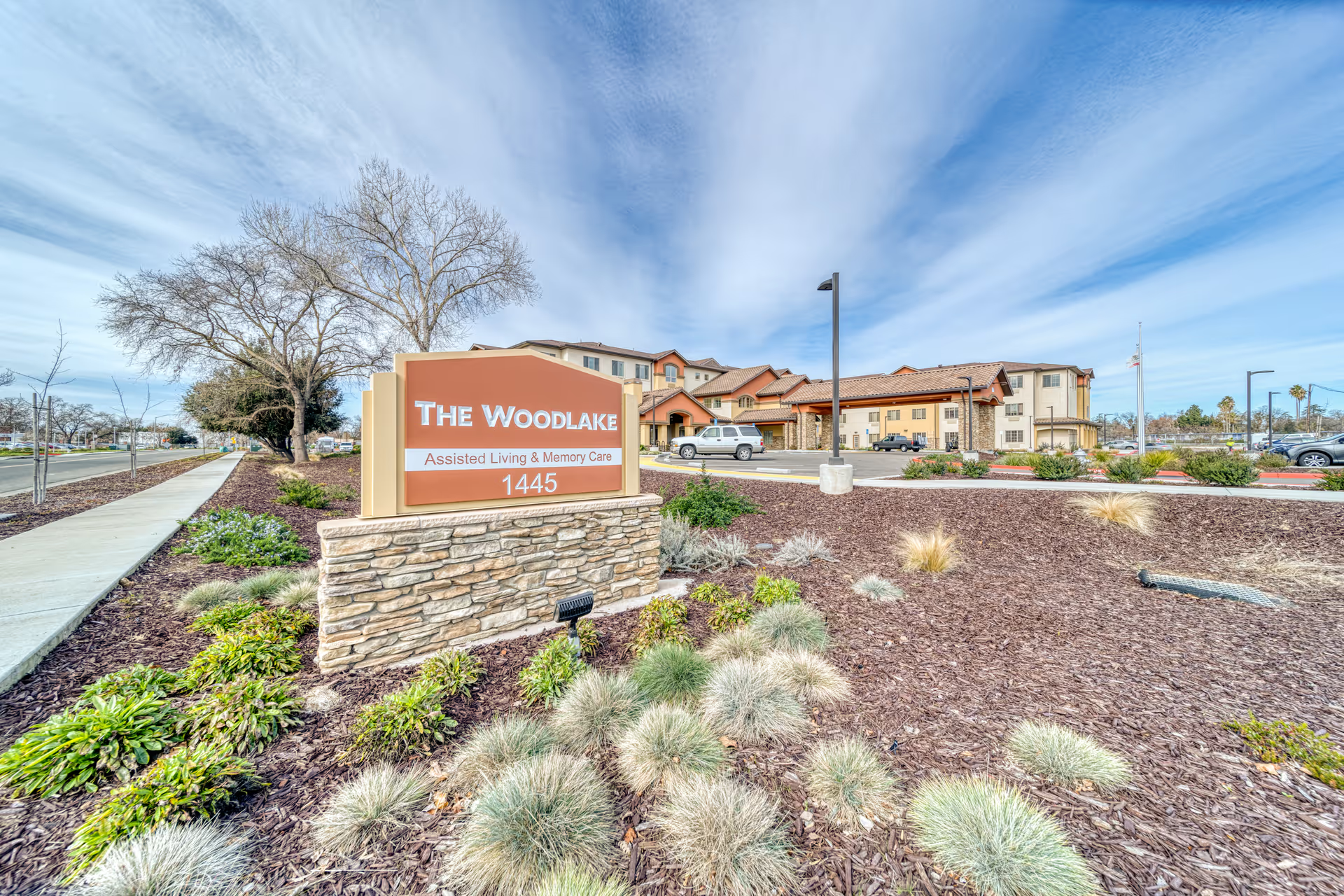
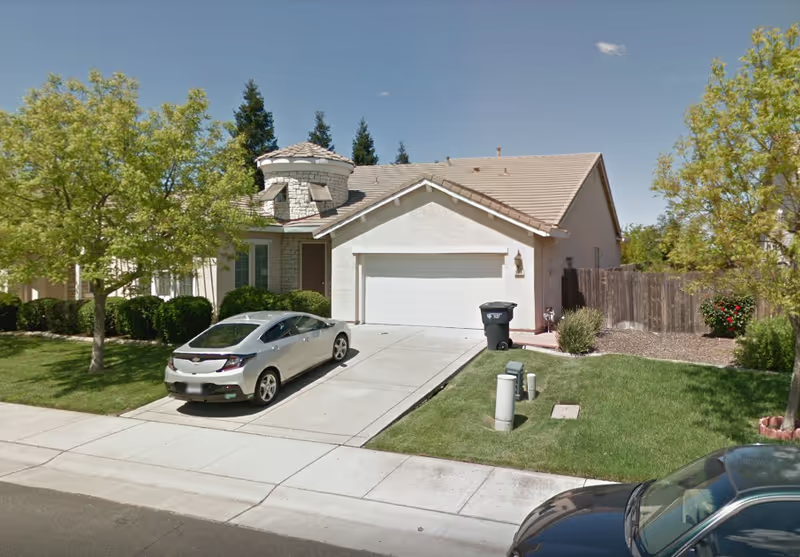
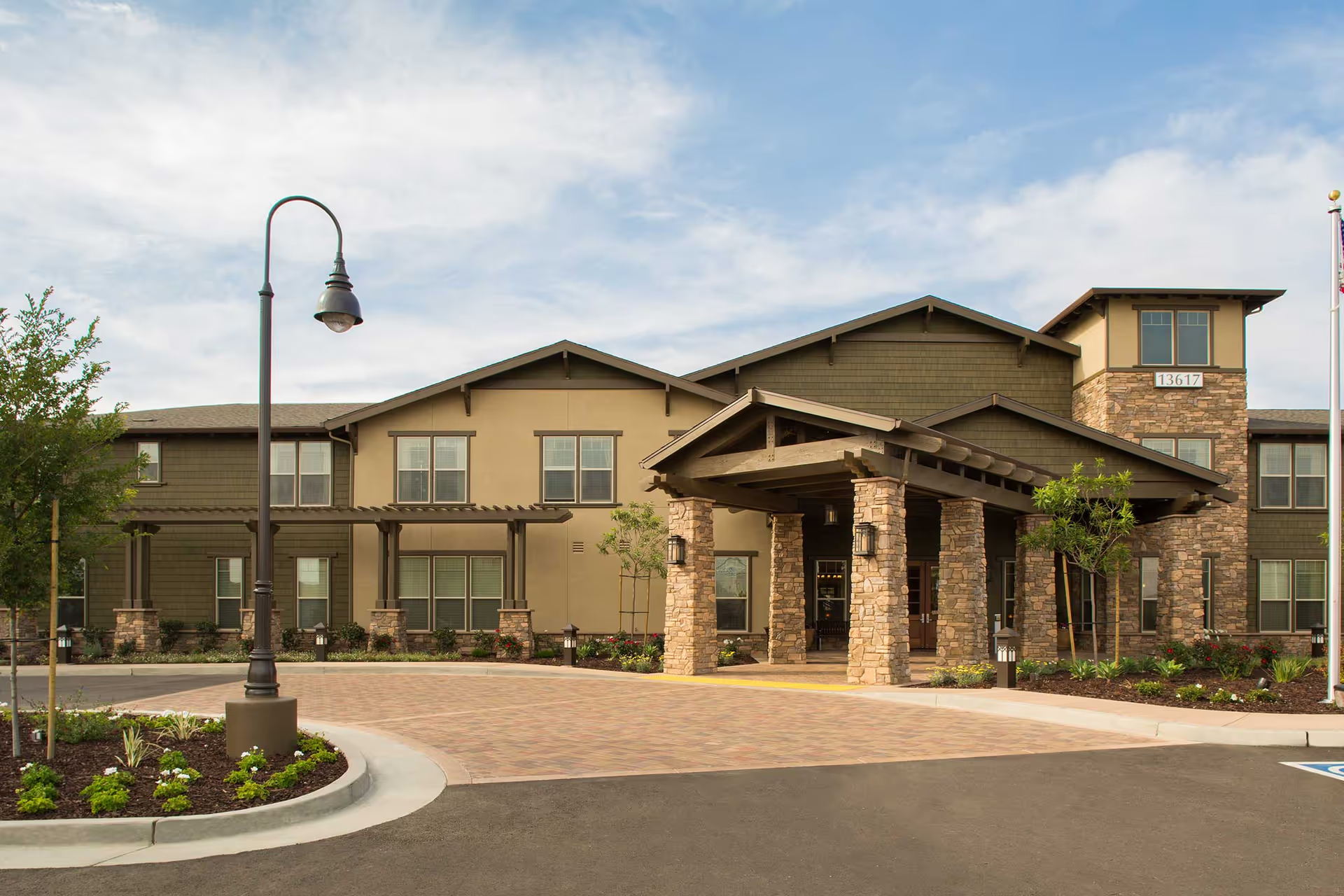
Overall impression: Twin Rivers at Natomas presents as a small, single-level assisted living community with many families praising the compassionate, hands-on nature of the caregiving staff and the facility’s home-like atmosphere. Positive comments emphasize around-the-clock care, close attention to residents’ mobility and daily needs, and a social resident population that participates in activities. The property and grounds are often described as well-kept, with clean common spaces, craft and activity rooms, and comfortable dining and living areas. Several families specifically noted improvements in their loved ones’ quality of life after placement.
Care and staff: The predominant strength cited is staff demeanor — attentive, friendly, and willing to go beyond basic duties. Reviewers highlight timely assistance with mobility, routine personal-care support, and active medication-management systems in many instances. However, a recurrent operational pattern is variability in staffing levels and qualifications. This has been associated with inconsistent responsiveness, communication lapses, and perceptions that some shifts are understaffed. Prospective families should ask about current staffing ratios, staff turnover, and training programs when evaluating the community.
Dining and activities: Feedback on dining is mixed. Some families praise the meals and reasonable cost, while others describe a decline in food quality, repetitive menus, and a tendency toward limited meal variety. Activity programming is available — crafts, Bingo, exercise and occasional day trips are cited — but several comments indicate the frequency and breadth of activities can be limited. If robust recreational programming and varied dining are priorities, confirm current menus, sample meals, and a recent activities calendar.
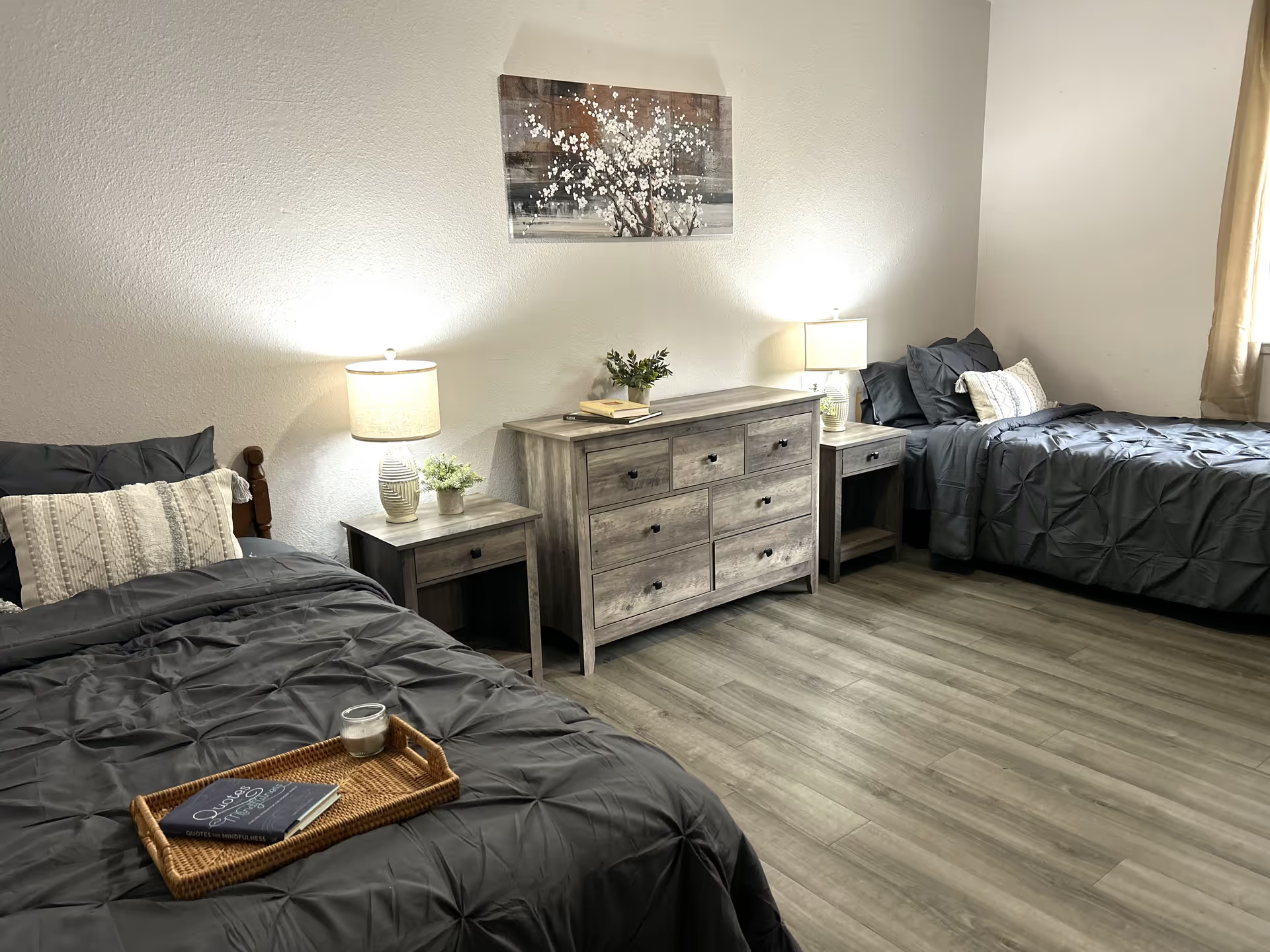
Facility and safety: The facility’s single-level layout, accessible common rooms, and tidy grounds are advantages for residents with mobility needs. At the same time, reviewers raised concerns about inconsistent cleanliness in certain areas and a few safety oversight issues related to contractors or grounds supervision. Room sizes are described as modest; private rooms may be smaller than those at larger communities. Visitors should inspect rooms and common areas and inquire about maintenance, pest control, and contractor vetting procedures.
Management and communication: Comments reflect a split view of leadership. Some families experienced a responsive owner/administrator who accommodated requests, while others reported perceived instability in management priorities and restrictive family-visitation rules. Communication problems — including dropped calls or delayed responses — were noted enough times to be considered a pattern. It would be prudent to discuss family visitation policies, escalation pathways for concerns, and recent leadership or policy changes during a tour.
Notable patterns and recommendation: The overall pattern is one of strong, individualized caregiving in a small, home-like setting counterbalanced by operational inconsistencies — especially around staffing, meal quality, activity frequency, cleanliness, and certain management practices. These mixed signals suggest that on-site conditions may vary over time or by shift. Prospective residents and families should conduct an in-person visit at different times of day, ask for staffing schedules and turnover data, request recent menus and activity calendars, and speak with current families if possible to confirm current performance before making placement decisions.