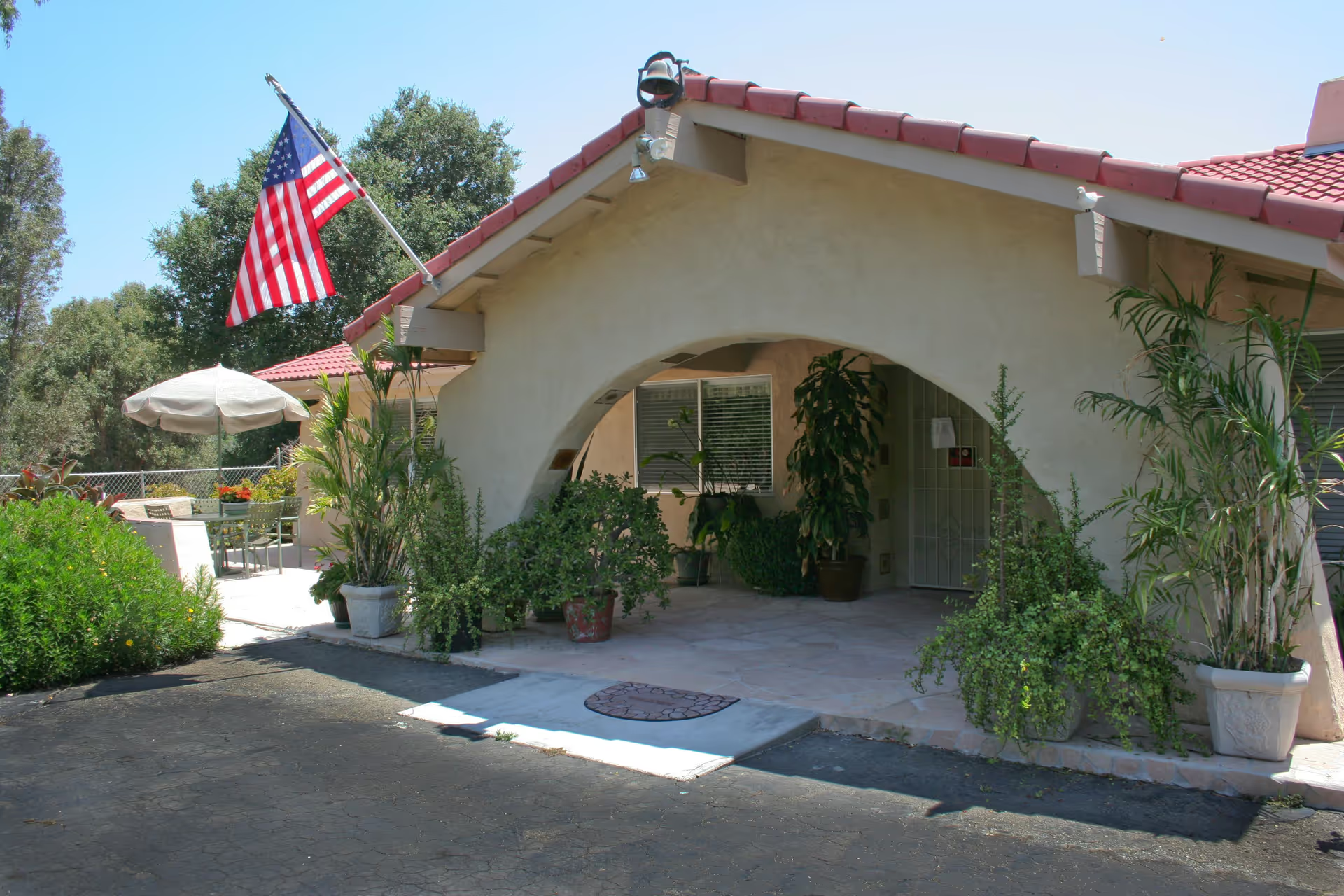
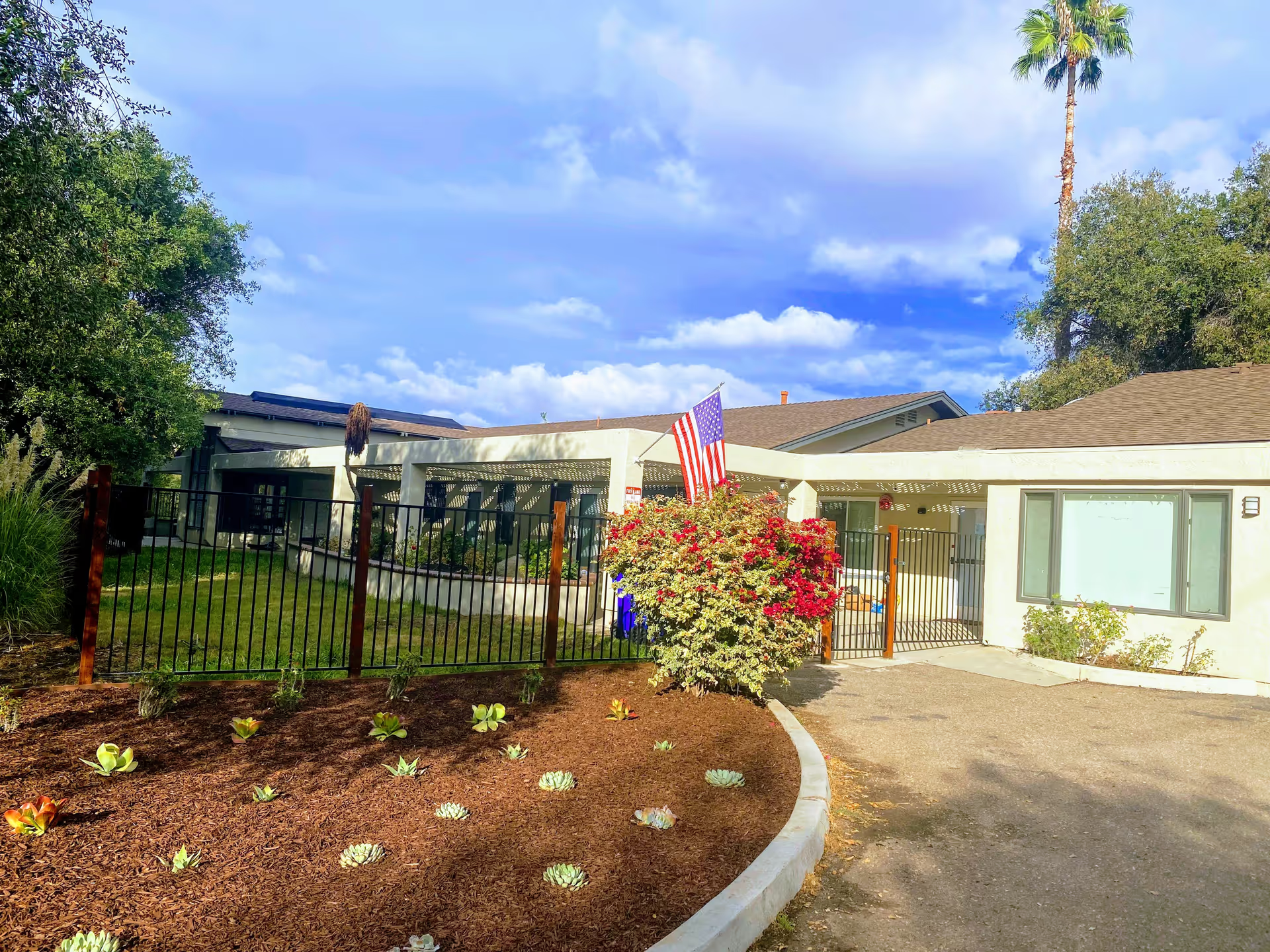
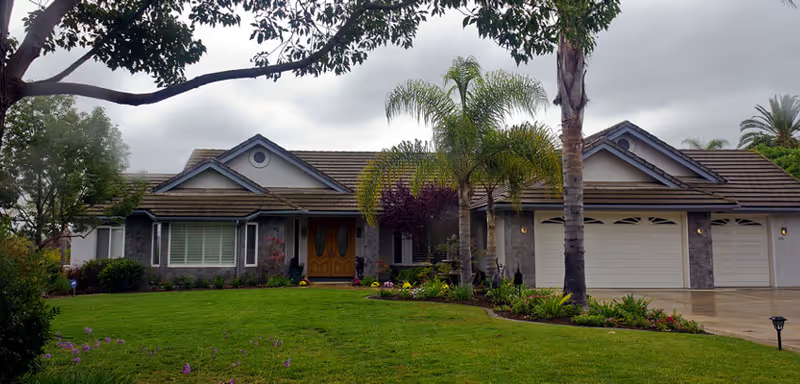
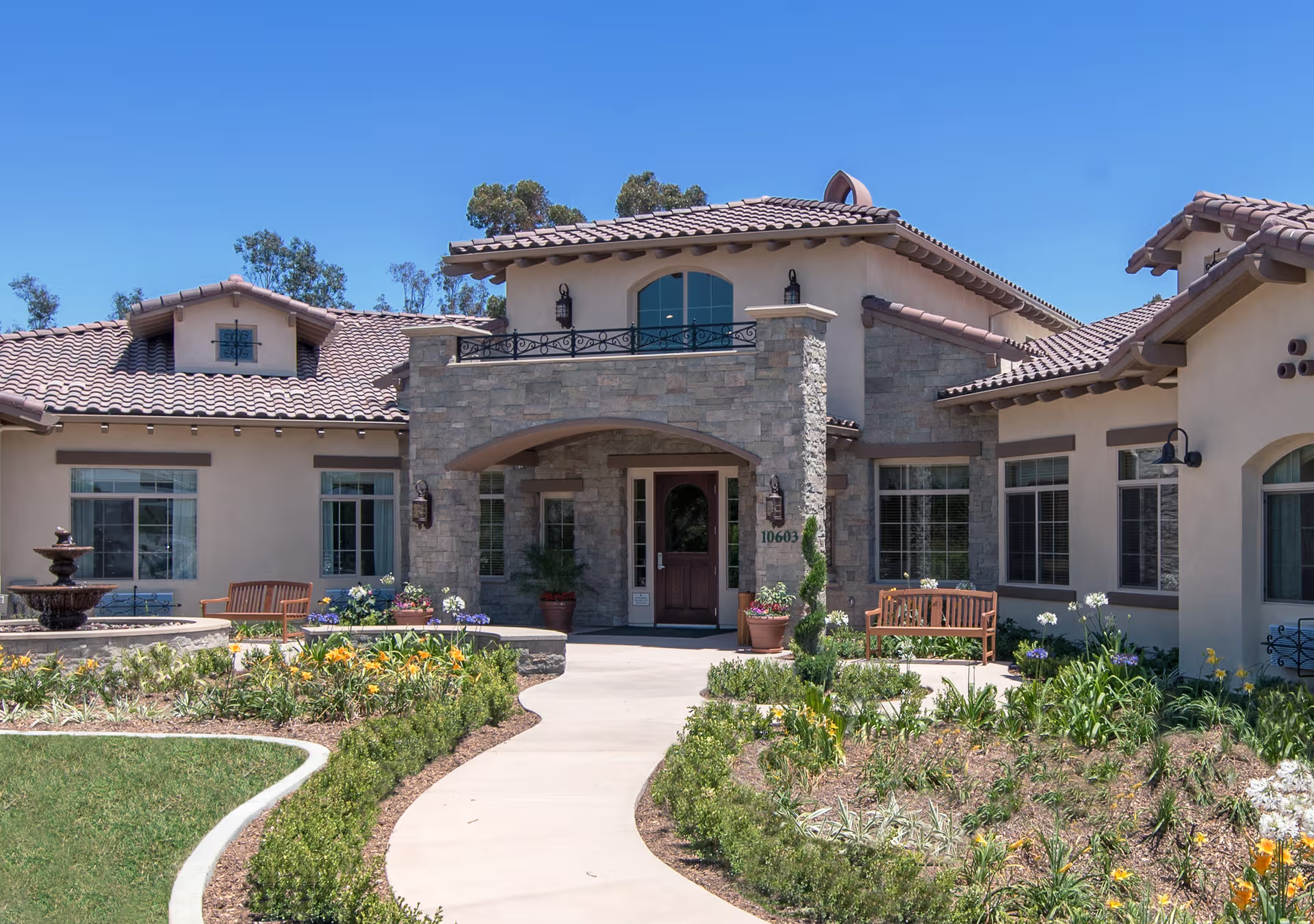
Casa de las Campanas presents as a large, well-resourced Type A continuing-care retirement community (CCRC) with many attributes that residents and families repeatedly praise. Strengths include a persistent medical presence and EMT coverage, a full continuum of care from independent living through memory and skilled nursing, and a non-profit governance structure that many perceive as delivering good value. The campus is consistently described as resort-like and meticulously maintained, with extensive amenities such as multiple dining venues, an award-winning chef, indoor and outdoor pools, a first-class fitness center, salons, a large hobby/wood shop, and theater and music programming.
Staff and clinical services are commonly identified as major positives: reviewers highlight compassionate and professional nurses, CNAs, therapists, and social services staff, as well as stand-out rehabilitation and physical- and occupational-therapy programs. The availability of on-site follow-up care and 24/7 clinical coverage is a core part of the facility’s appeal and is credited with providing peace of mind to residents and families. At the same time, a pattern of inconsistent responsiveness is noted in some feedback—examples include less attentive service on certain shifts (particularly nights and weekends), variable tone in staff communication, and occasional delays in administrative response. These comments suggest variability in staff training or staffing levels across shifts rather than uniform performance.
Dining and activities are prominent strengths. The community offers three main restaurants, buffet and bistro options, rotating daily menus, and guest-dining arrangements managed through a point system. Many reviewers point to thoughtful, flavorful meals and an active dining committee. Social life is extensive: a broad array of resident-led clubs (chorale, theater, quilting, High Adventure club), regular live performances, frequent educational presentations, trips, and robust physical-activity programming (water aerobics, Zumba Gold, pool access) contribute to an engaged social environment. Hobby facilities—woodworking, sewing, puzzle exchanges, gardening and citrus groves—support a wide range of interests and are cited as important contributors to quality of life.
Facility and campus observations are mostly positive, with mention of well-kept landscaping, balconies, accessible walking trails, and pet-friendly amenities including multiple dog runs. However, some feedback raises concerns about episodic infrastructure and sanitation issues and isolated maintenance incidents. A small but serious cluster of comments cites allegations of theft or financial misconduct and notes of plumbing or other facility problems; these items stand apart from general satisfaction and indicate topics prospective residents should investigate further. Security is generally described as strong, though a few residents perceive it as restrictive or assertive.
Financial and management themes are mixed: the community’s Type A life-plan model and non-profit status are viewed favorably for long-term security and resident involvement in governance. Conversely, the high upfront buy-in and substantial deposit/entrance costs are a recurring concern; monthly fees are commonly described as reasonable by comparison, but prospective residents are advised to understand buy-in terms, refund policies, and potential long-term cost exposure associated with later levels of care. There are also comments about variable administrative responsiveness and the effects of ownership or management transitions on service continuity.
Overall, Casa de las Campanas delivers extensive amenities, a vibrant social program, and a clinical infrastructure that many residents and families value highly. At the same time, the community shows variability in operational consistency—particularly in staffing responsiveness, administrative communication, and episodic facility or security grievances—and includes a few serious allegations that warrant direct inquiry. Prospective residents should tour at mealtimes, speak with current residents, review contract and buy-in terms carefully, ask about night/weekend staffing levels, infection-control and theft-prevention policies, memory-care admission criteria, and request recent incident or inspection records to confirm the community’s fit for their specific needs.