The Sage Garden at Rancho Bernardo presents as a small, home-style residential setting with strong family trust and consistent praise for frontline caregivers. Review content emphasizes a high level of individualized attention: staff are described as knowing residents well, providing daily grooming and clean clothing, and forming warm, familiar relationships. The owner’s clinical involvement as an RN and a comprehensive pre-admission interview process were highlighted by families as evidence of attentive clinical oversight and careful placement.
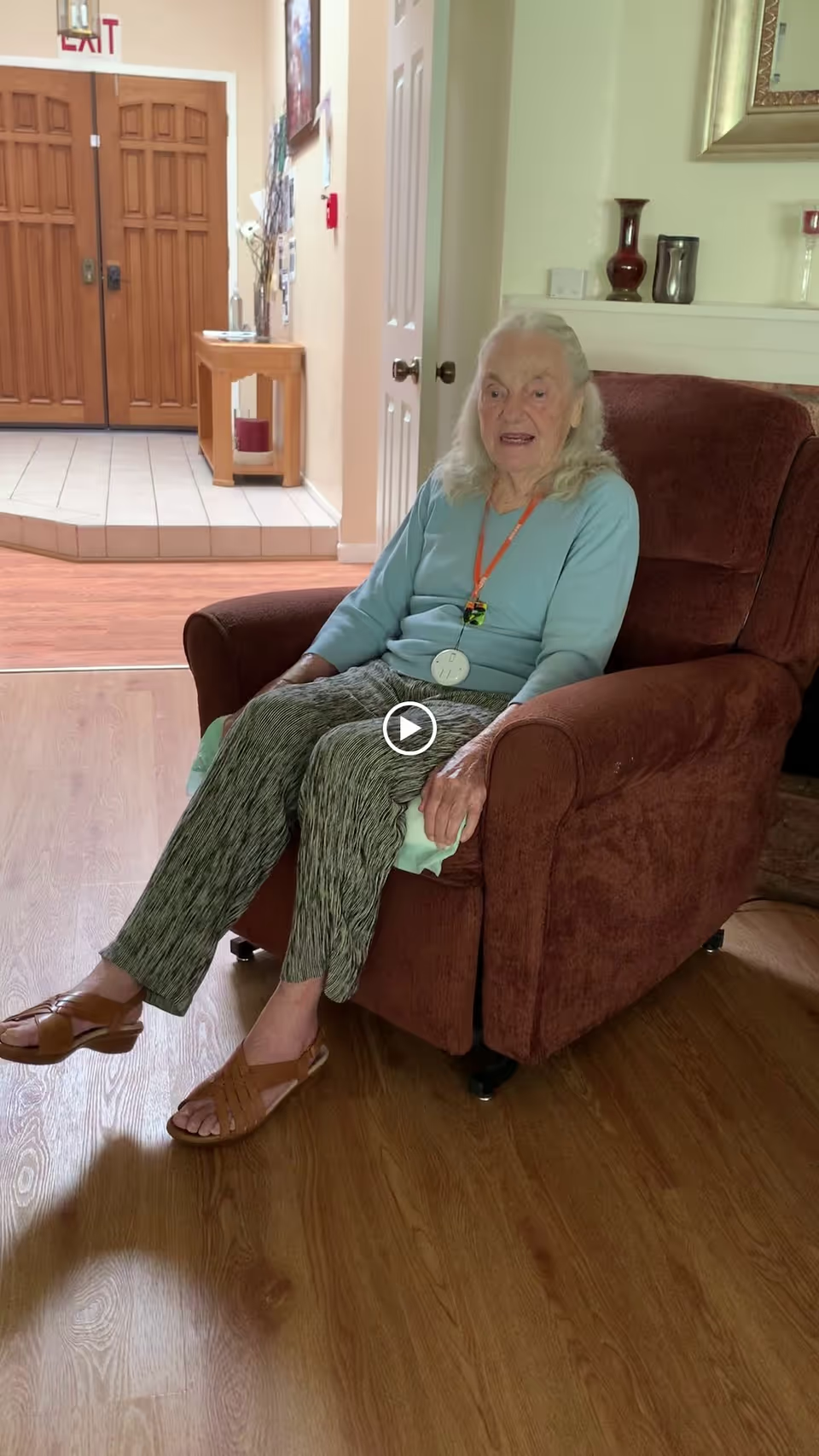
Care quality is perceived positively in terms of personal attention and end-of-life support. Several families noted that caregivers take time for one-on-one interactions and small comforts, which creates reassurance for relatives. At the same time, the resident population appears to skew toward hospice-level needs. That clinical mix contributes to a quieter, palliative-oriented environment; prospective residents who seek more social engagement should consider whether that mix meets their expectations.
Dining and activities receive favorable comments: residents reportedly enjoy the meals, and musical programming (guitar) and other small-group or one-on-one activities are present and appreciated. Because the community is small, activity offerings tend to be intimate and individualized rather than broad or highly varied. Families looking for a wide range of recreational programming should weigh the limited scale against the reported quality of the available offerings.
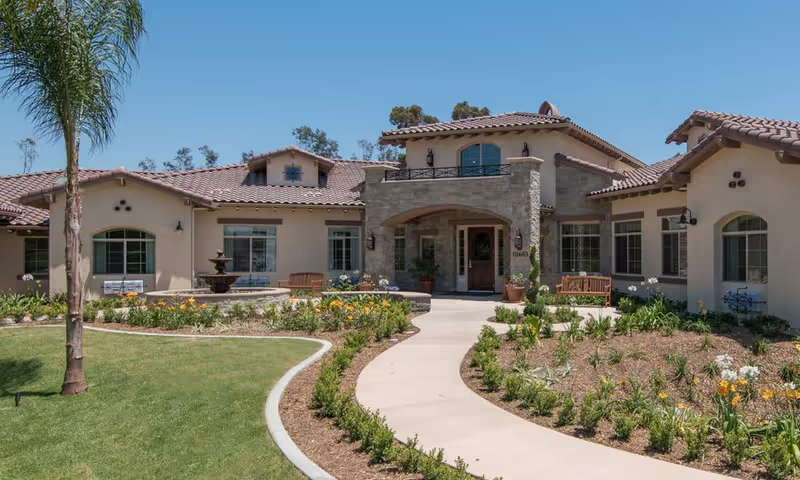
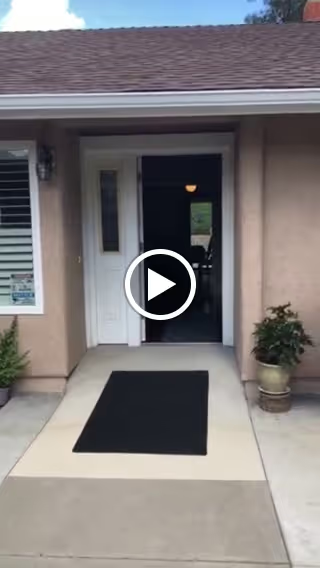
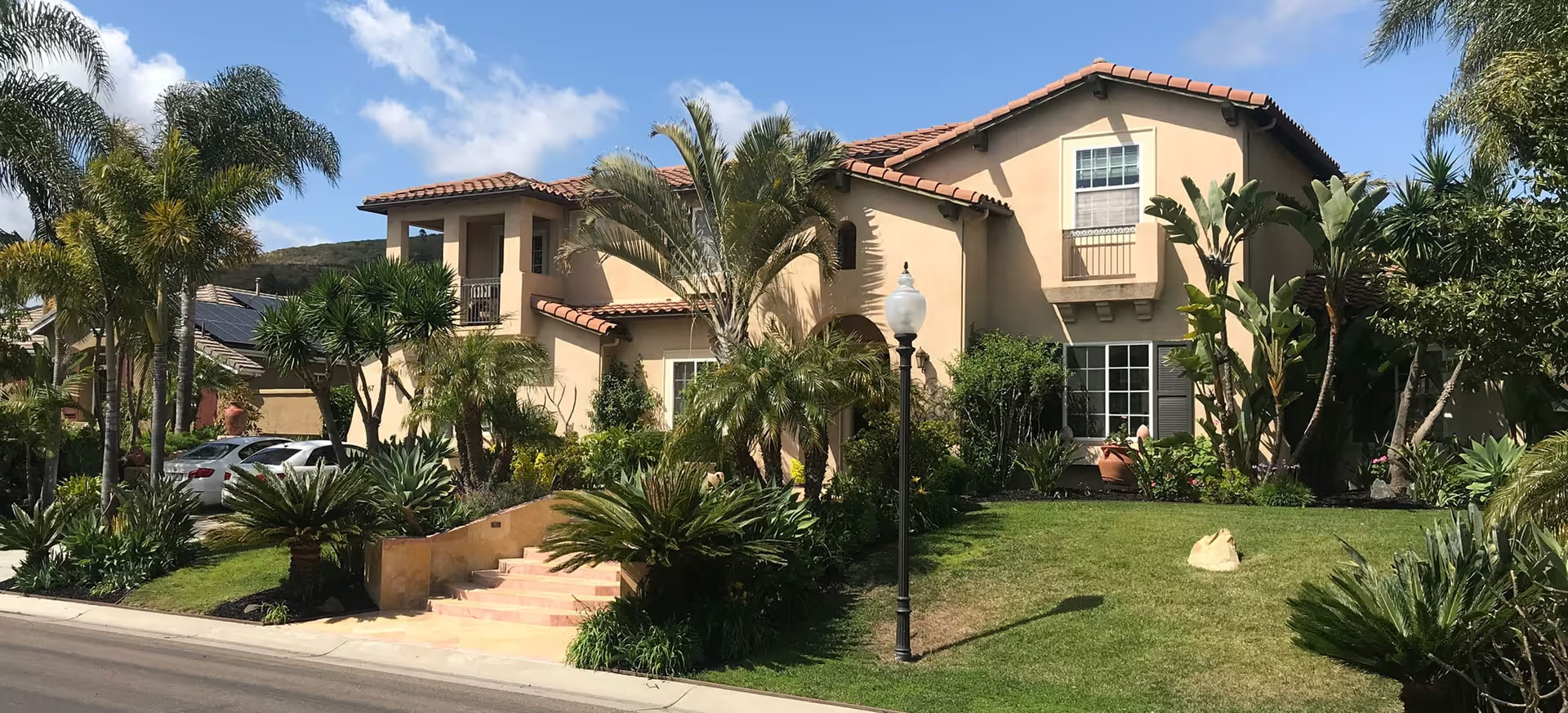
Physical facilities are described as clean and well cared for, with home-like private rooms that include features such as a fireplace and a front window. Practical limitations were noted: some bathrooms are compact and can be difficult to access with a wheelchair, and the outdoor space drew comments about maintenance and sanitation concerns. These are operational items to review during a tour, particularly for residents with mobility equipment or who will use outdoor areas regularly.
Management and staffing patterns suggest strengths in continuity and responsiveness, with many families expressing gratitude for accommodating staff and accessible nursing oversight. A few notes indicate variability in interpersonal warmth between shifts, which may reflect the small-staff model. Overall, the dominant pattern from these summaries is of a clean, small, clinically supervised home where residents receive attentive, personalized care — particularly suited to individuals who benefit from intimate, palliative-focused support — while those seeking broader social programming, more accessible bathing facilities, or highly maintained outdoor areas may want to explore those specific operational aspects further during a visit.