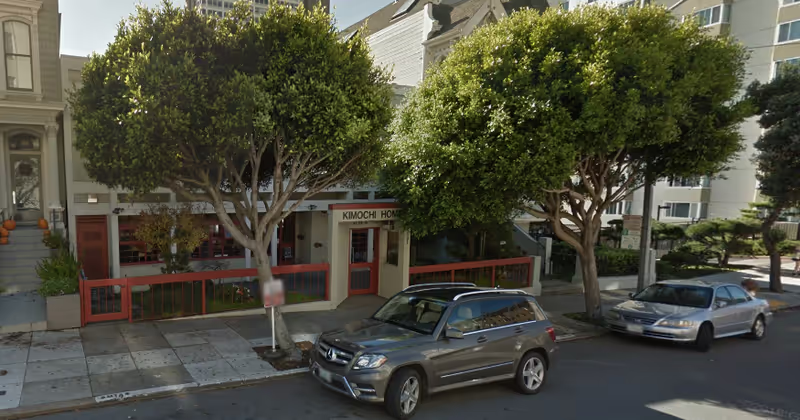
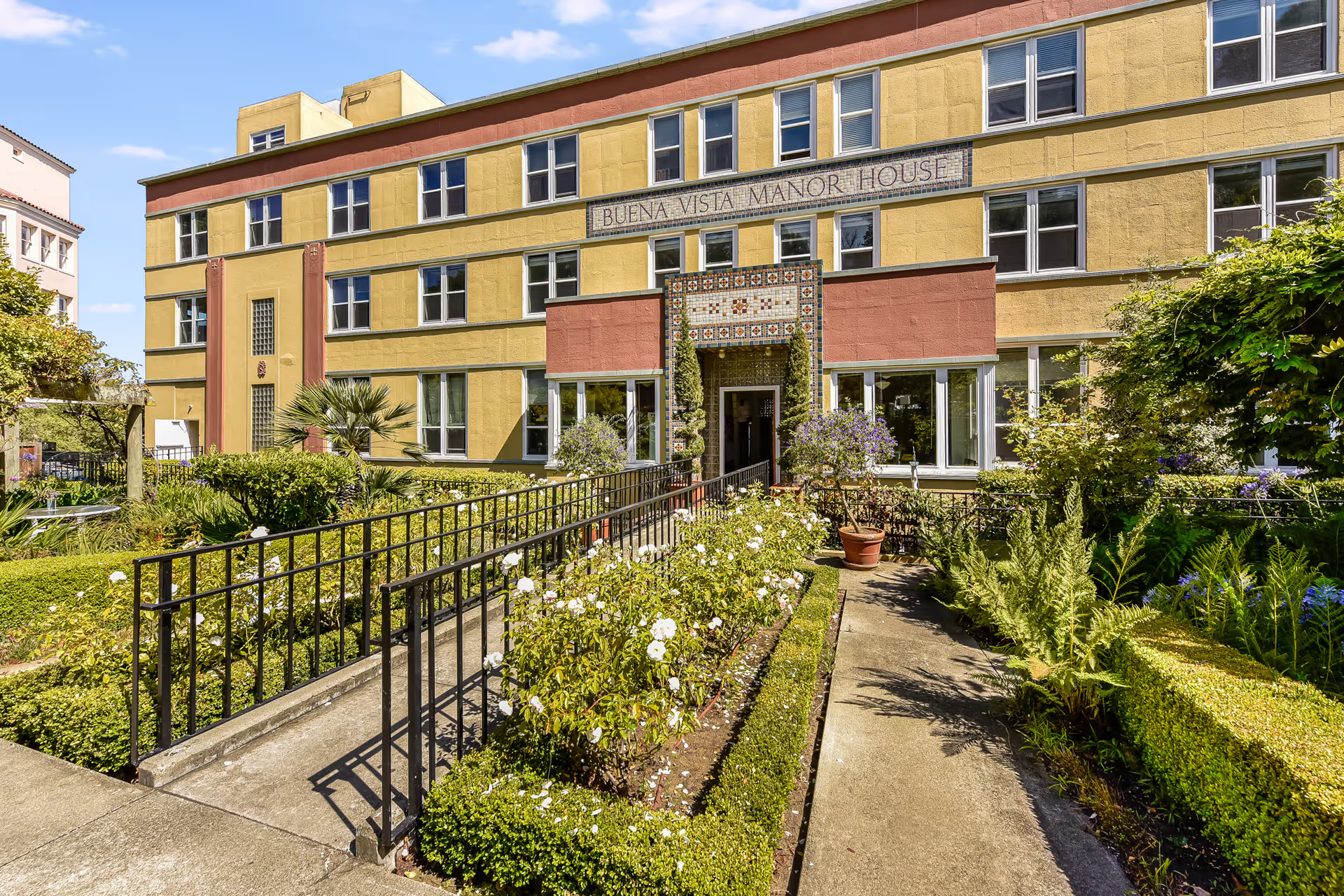
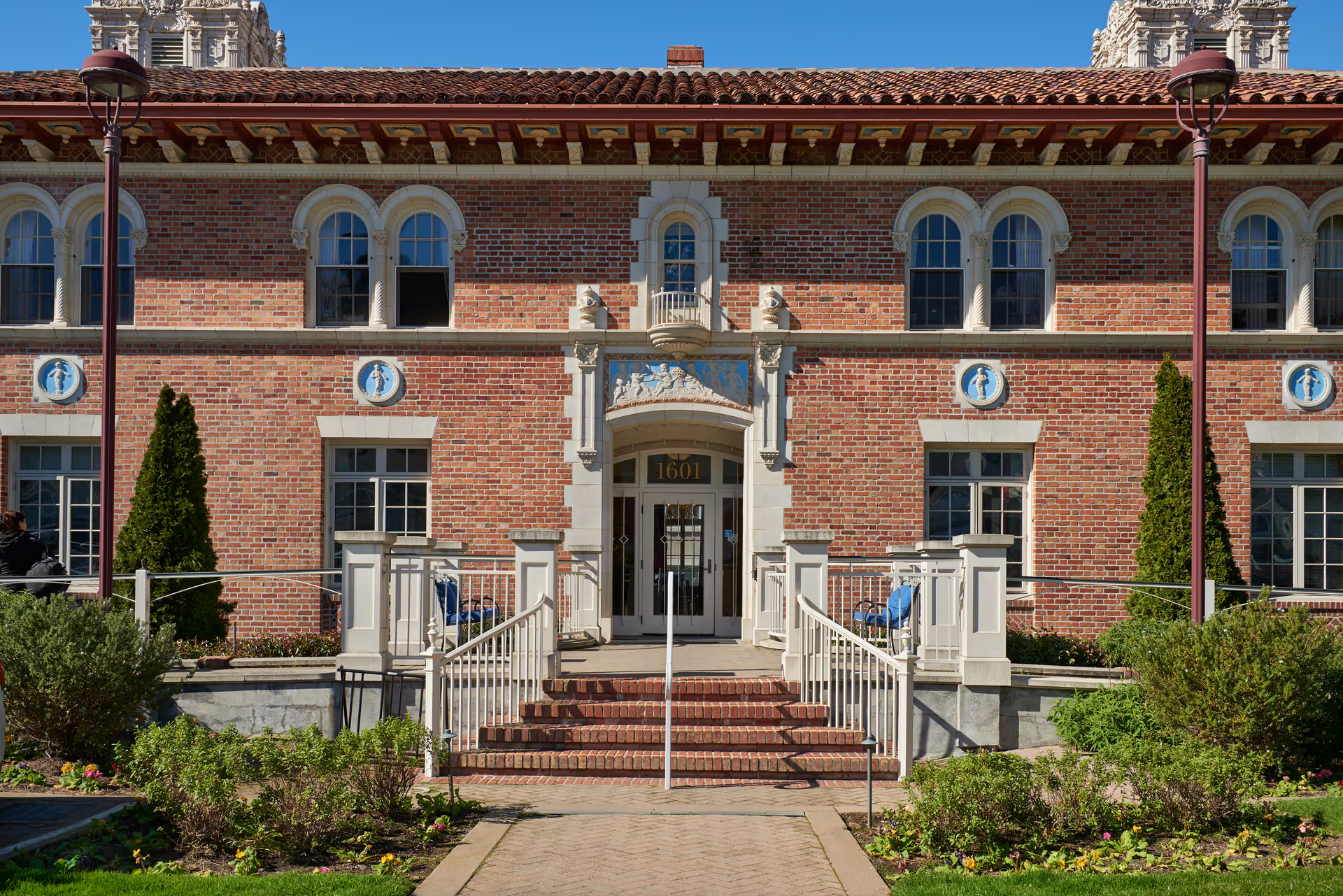
Kokoro Assisted Living presents as a culturally focused, community-oriented assisted living option located in San Francisco’s Japantown. Strengths commonly cited include staff who are culturally attuned and many who speak Japanese, a schedule of Japanese and Western meals, frequent cultural programming, and a robust activities calendar with well-attended morning exercise and other social events. Private apartments with bathrooms and small kitchen amenities, plus outdoor garden and patio spaces, contribute to a residential feel that many residents and families describe as homelike.
Care quality assessments are mixed. Positive accounts emphasize compassionate and knowledgeable direct-care staff and attentive individuals in roles such as director of activities or staff nurses. However, a sizable pattern of operational concerns emerges around staffing and clinical oversight. Reviewers describe inconsistent staffing levels, frequent turnover, and vacancies in key leadership positions; these issues are associated with gaps in continuity of care and an uneven presence of nursing or clinical leadership. Specific operational weaknesses inferred from reviews include inconsistent medication-administration controls, delays in personal-care assistance (including bathing and toileting support), and occasional periods of staff unavailability during shifts.
Dining and activities are frequently cited as strengths but with caveats. Many residents appreciate the daily Japanese meals, bilingual menu options, and culturally specific entertainment. At the same time, reviewers note limited variety in the menu at times and uneven food quality. Activity programming is active and culturally rich, though some family members perceive afternoon programming as less balanced for male residents or those with different interests.
Facility and location attributes are generally positive: the historic building and proximity to Japantown are desirable for many, and second-floor rooms are noted as brighter than basement units. Practical limitations include lower-level rooms with limited natural light and accessibility challenges inherent in an older structure. Parking cost is another recurring practical consideration for families.
Management, communication, and safety are the areas of most concern. Reviewers describe weak communication channels between management and families, lack of transparency about incidents, and inconsistent follow-up when clinical or security issues arise. Allegations of break-ins and other security incidents underline the need for clearer security protocols and timely family notification. Several families indicate they arrange private caregivers to ensure needed supports, which suggests an expectation that supplemental, out-of-pocket care may be necessary for some residents. Board oversight and executive responsiveness are also characterized as limited in a number of accounts.
In sum, Kokoro may be a good fit for residents who value a culturally specific community experience, Japanese-language support, and active social programming in a Japantown location. Prospective residents with moderate care needs who can benefit from an engaged activity program and a homelike environment may find the facility attractive. Families should closely evaluate clinical staffing patterns, medication-management practices, security measures, and the facility’s plans for leadership continuity. For individuals with advanced dementia or severe mobility needs, or for those who require guaranteed around-the-clock clinical supervision without supplemental private caregiving, this facility may present operational limitations that warrant careful review and direct discussion with management before placement.