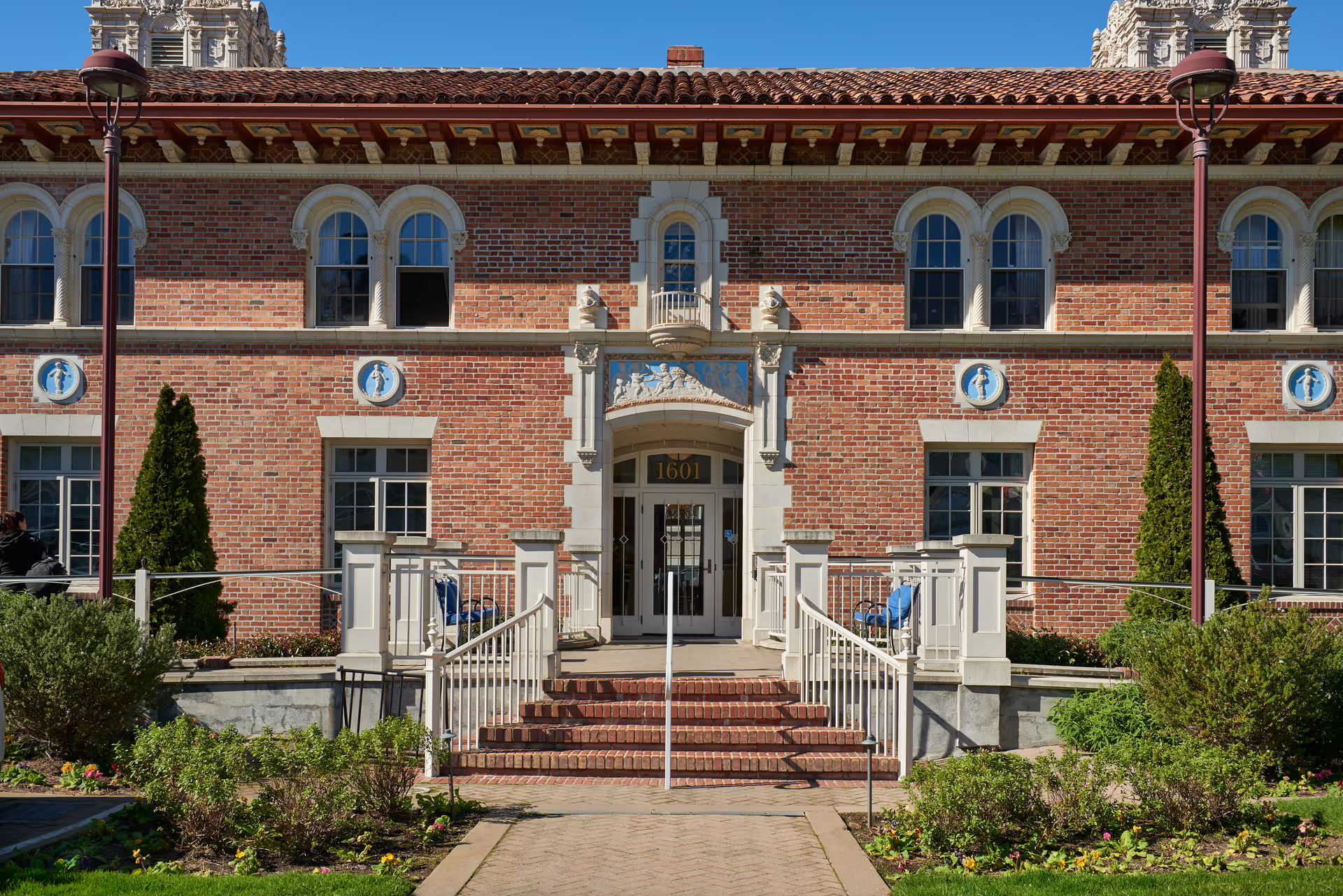
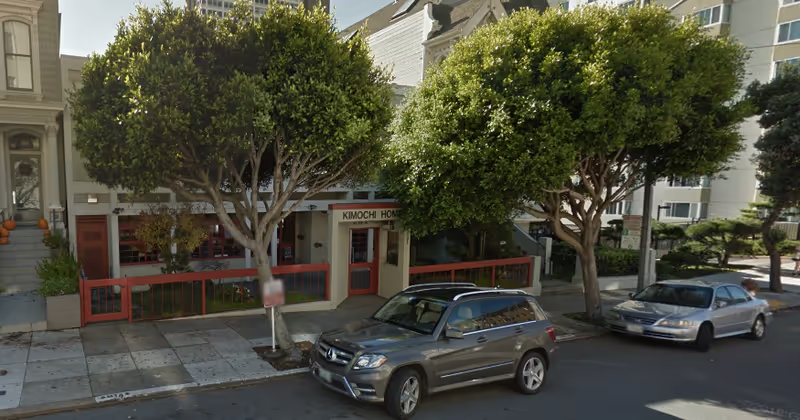
Lawton Skilled Nursing & Rehabilitation Center elicits consistently mixed but actionable impressions. Many families and visitors describe a facility that is clean, bright, and welcoming, with caretakers who are frequently characterized as attentive, professional, and compassionate. Admissions staff and front-line caregivers receive repeated praise for efficient check-in, proactive communication, and day-to-day assistance such as laundry and personal-item management. The site’s therapy staff and certain clinical nurses are also highlighted for focused, effective care and positive interactions with residents.
Clinical quality shows a dual pattern. Several accounts commend skilled wound care and clinical nursing that supported measurable recovery, and therapy staff are often described as knowledgeable and helpful in preparing residents for discharge. At the same time, other accounts raise substantial concerns about pressure-injury prevention, enteral-feeding support, and general nutritional monitoring. These contrasting reports suggest variability in clinical outcomes: while some patients received thorough wound management, others experienced serious skin and nutritional problems. Prospective families should verify the facility’s current protocols for pressure-area monitoring, wound rounds, and enteral-feeding policies.
Rehabilitation and therapy programming is another area of divergence. The rehabilitation team is credited in many reviews for focused instruction and assistance, and some families reported meaningful progress after joint replacements and other procedures. Conversely, multiple reports reference missed or truncated therapy sessions, unavailable speech therapy coverage at times, and what reviewers described as insufficient therapy hours. This points to scheduling and staffing reliability as an operational weakness; callers should confirm expected therapy frequency and observe a session when possible.
Dining and activities receive generally positive but variable feedback. The facility is described as offering adequate meals, with occasional praise for well-seasoned entrees and an orderly dining room environment; an activity calendar is in place and receives favorable comment. Several reviewers, however, requested greater menu variety and more culturally specific options. In-room meal service is sometimes viewed as inferior to communal dining. Families who have specific dietary needs or cultural preferences should review the menu cycle and meal-service policies in advance.
Facility and management considerations are mixed. The building is frequently noted as clean, well-lit, and pleasantly landscaped, but multiple reviews point to aging infrastructure and a need for renovation—air conditioning, flooring, and plumbing were specifically mentioned. Room sizes and shared accommodations are described as cramped in places, with limited privacy where three-person rooms are used. Other recurring operational concerns include staffing shortages that appear to affect response times (for example, toileting assistance), variability in staff professionalism and training, and occasional administrative lapses such as insurance verification or communication breakdowns.
In summary, Lawton appears to offer a caring, communicative staff and a generally clean, welcoming environment with strengths in wound care and therapy when staffing and schedules are functioning well. However, the facility exhibits uneven performance in consistent staffing coverage, therapy delivery, nutritional and pressure-area monitoring, and building maintenance. Prospective residents and families should visit during key moments (mealtime, therapy sessions), ask specific questions about staffing ratios and therapy schedules, review pressure-injury and enteral-feeding protocols, confirm insurance and authorization procedures, and inquire about private-room availability if privacy or room size is a priority.