The reviews present a polarized picture of Mission de la Casa Nursing and Rehabilitation Center: there are multiple accounts of high-quality rehabilitative care and compassionate frontline staff alongside reports of serious operational and management gaps. The facility is capable of producing strong therapy-driven outcomes — several families credited the physical and occupational therapy teams with measurable mobility gains, pain relief, and successful transitions back to home. Individual caregivers, CNAs, and some nurses receive repeated praise for attentiveness, kindness, and clear communication, and many reviewers highlighted clean patient rooms, bilingual staff, and accommodating reception policies as strengths.
At the same time, reviewers raised substantive concerns about clinical consistency and administrative reliability. There are repeated descriptions of delayed responses to clinical needs, slow or inconsistent personal-care attention, and instances described as problematic wound care and pressure-injury management. In addition, reviewers described delays in obtaining paperwork and discharge documentation, as well as gaps in medication oversight and documentation. One serious allegation involved withholding of infection-test results; more broadly, infection-control practices and communication about testing were called into question by multiple sources.
Staffing and management patterns appear to be a major driver of variability. Comments indicate that staffing shortages and uneven coverage — especially overnight and on certain units — contribute to slower response times and inconsistent follow-through. While many frontline staff are characterized as hardworking and compassionate, reviewers also described unprofessional conduct by some supervisors or administrators and a lack of responsiveness from social services and administration when families raised concerns. These leadership and communication gaps extend to family updates, timeliness of clinical interventions, and coordination of services.
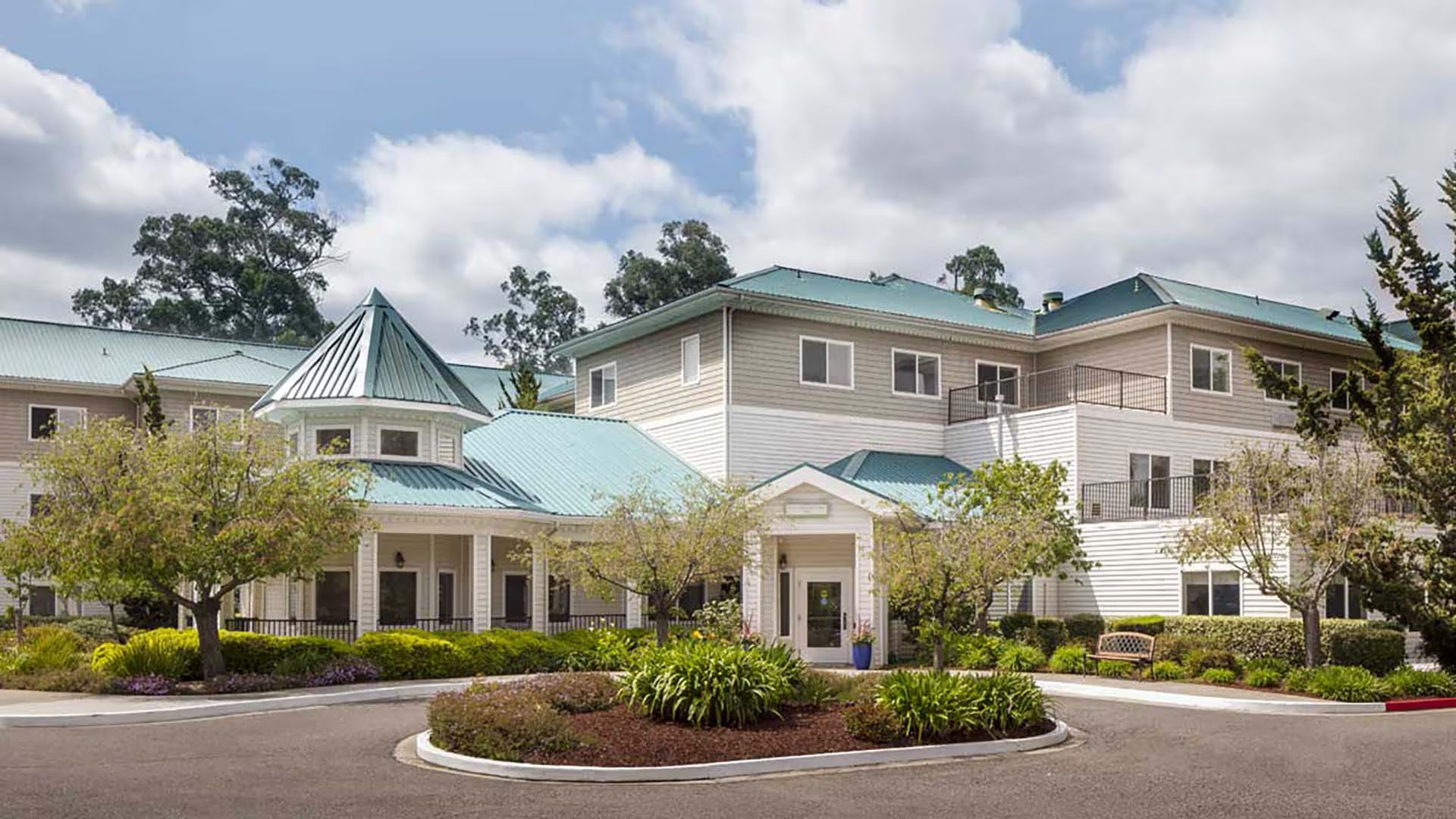
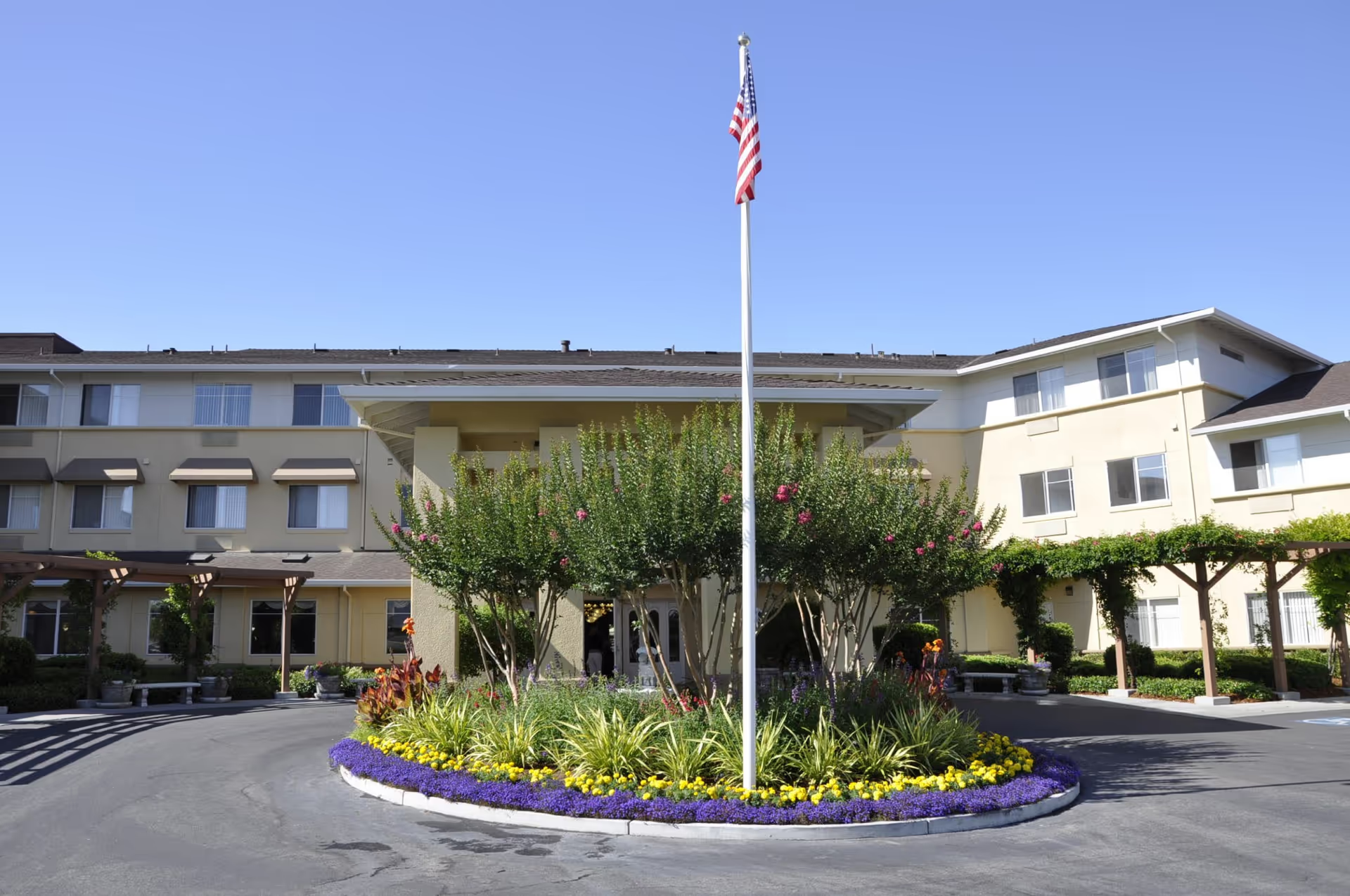
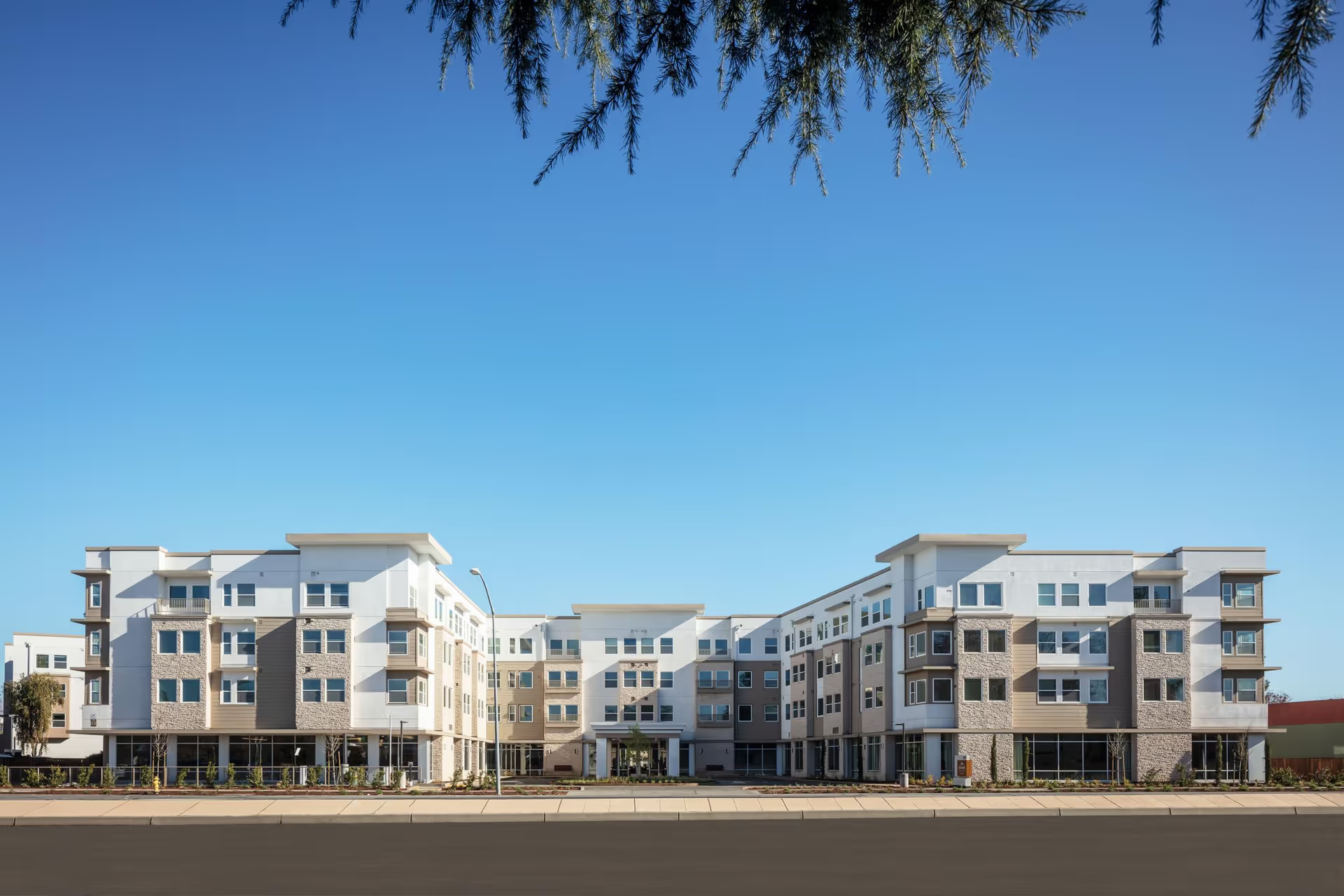
The facility’s physical environment and food service also drew mixed feedback. Patient rooms are often described as clean and well-kept, yet common areas were described in some accounts as drab, needing maintenance or cosmetic updates, and there were intermittent odor concerns. Meal service receives praise for accommodating vegetarian diets in some cases, but other reviewers noted cold meals and inconsistent menu accommodation, including concerns about cultural appropriateness of offerings.
In sum, Mission de la Casa shows clear strengths in rehabilitation therapy and compassionate frontline caregiving, and it can deliver good outcomes for some residents. However, there are recurring operational patterns — inconsistent clinical quality across shifts, staffing shortfalls, administrative and communication breakdowns, and maintenance/food-service inconsistencies — that create highly variable family experiences. Prospective residents and family members would benefit from targeted questions during a visit about staffing levels, wound-care protocols, infection-control procedures, documentation and discharge timelines, and meal/accommodation options to clarify how the facility would meet specific clinical and cultural needs.