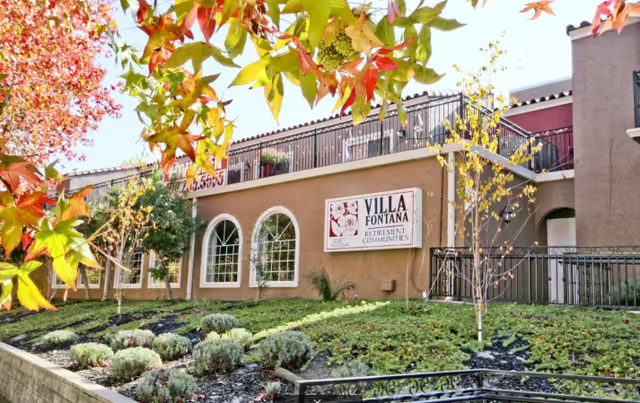
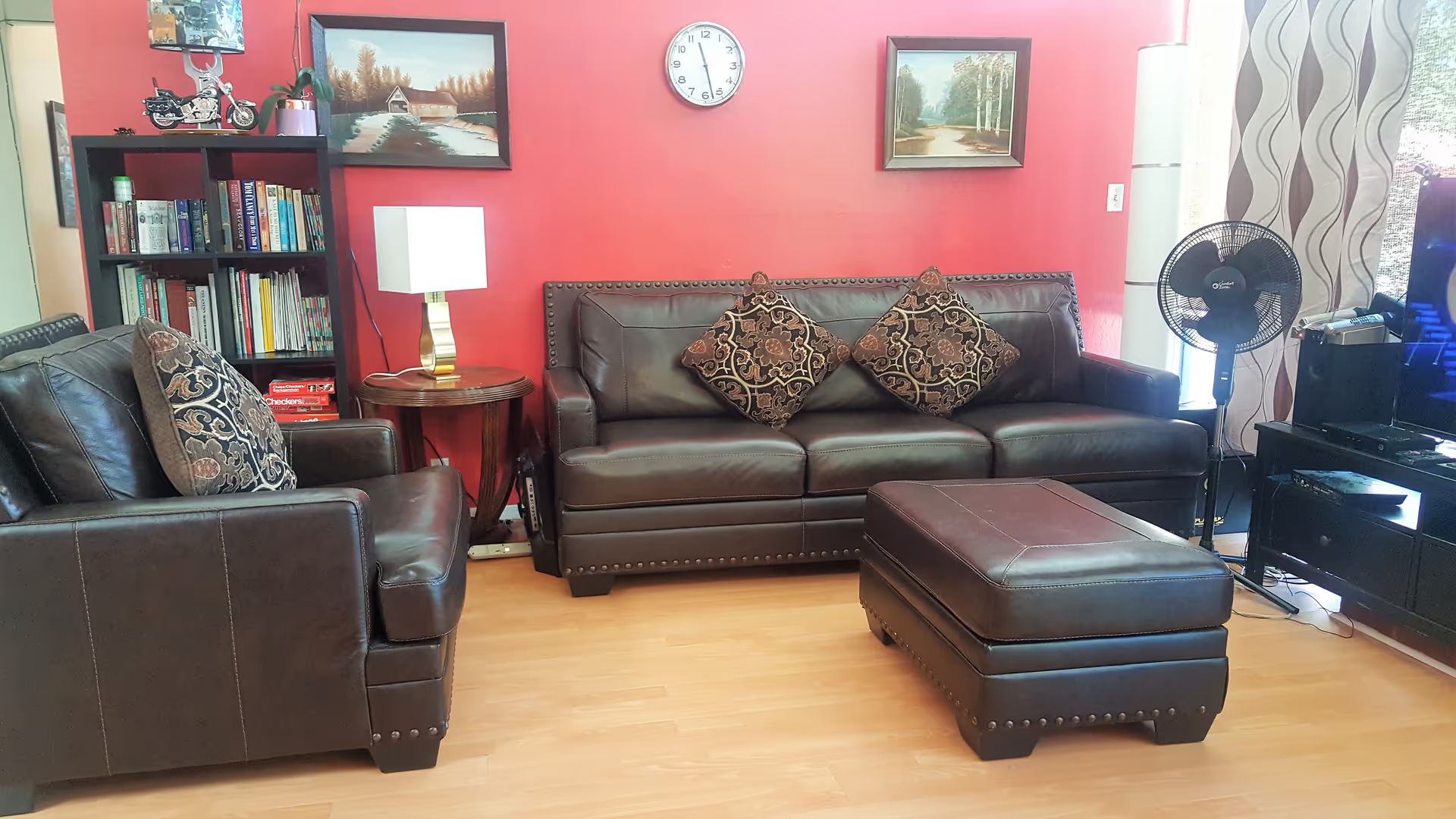
Westwood Post-Acute presents as a large, recently renovated post-acute and skilled nursing facility with several clear strengths and some recurring operational concerns. Many families and patients praised the facility’s therapy services, noting goal-driven physical, occupational and speech therapy with measurable progress and successful transitions back home. The building, common areas and outdoor garden are frequently described as clean, well maintained and welcoming; the facility’s physical environment supports mobility and outdoor activity for residents.
Clinical staff and direct caregivers are the facility’s most commonly cited strength. Numerous accounts describe caring, attentive nurses and CNAs who provide individualized attention, timely rehabilitation support and strong wound-care outcomes. Case managers and social workers are also frequently mentioned as supportive and effective in coordinating admissions, care plans and transitions. At the same time, a subset of experiences raises concerns about inconsistent staff conduct and communication tone, along with variability in responsiveness to call bells and bedside needs. Staffing levels appear uneven at times, contributing to delays in assistance for some residents.
Medication and clinical-process issues are a prominent pattern in the negative feedback. Reviews indicate medication-management weaknesses, including missed or delayed medication administration and challenges reconciling regimens during transitions. These concerns are tied to family distress and require attention to pharmacy coordination and nursing workflow. Infection-prevention and sanitation were also raised as areas needing improvement: several comments referenced cleanliness issues in particular units, odor concerns in some common areas, and pest-control follow-up as operational gaps rather than facility-wide constants.
Dining and activities are mixed but generally positive. Many residents enjoy meals and social dining; others find portioning or menu consistency lacking. The facility offers a range of daily activities, outings, music and community programs that contribute to resident engagement. Administrative experiences vary—admissions and some discharge coordination are described as organized and helpful, while other accounts describe front-desk responsiveness problems, uncoordinated discharge meetings and occasional breakdowns in property/laundry accountability.
In summary, Westwood Post-Acute appears to be a rehab-focused facility with strong therapy services, engaged case management and many compassionate direct-care staff, operating within a modern, clean environment. However, prospective residents and families should be aware of recurrent operational themes: variable staffing responsiveness, procedural weaknesses around medication administration and discharge coordination, localized sanitation and pest-control follow-up needs, and inconsistent handling of personal property. Those considering Westwood for short-term rehabilitation may find the therapy and clinical support beneficial; families placing residents for longer-term care should discuss current staffing patterns, medication reconciliation processes, sanitation protocols and administrative communication practices during the tour and admission process.