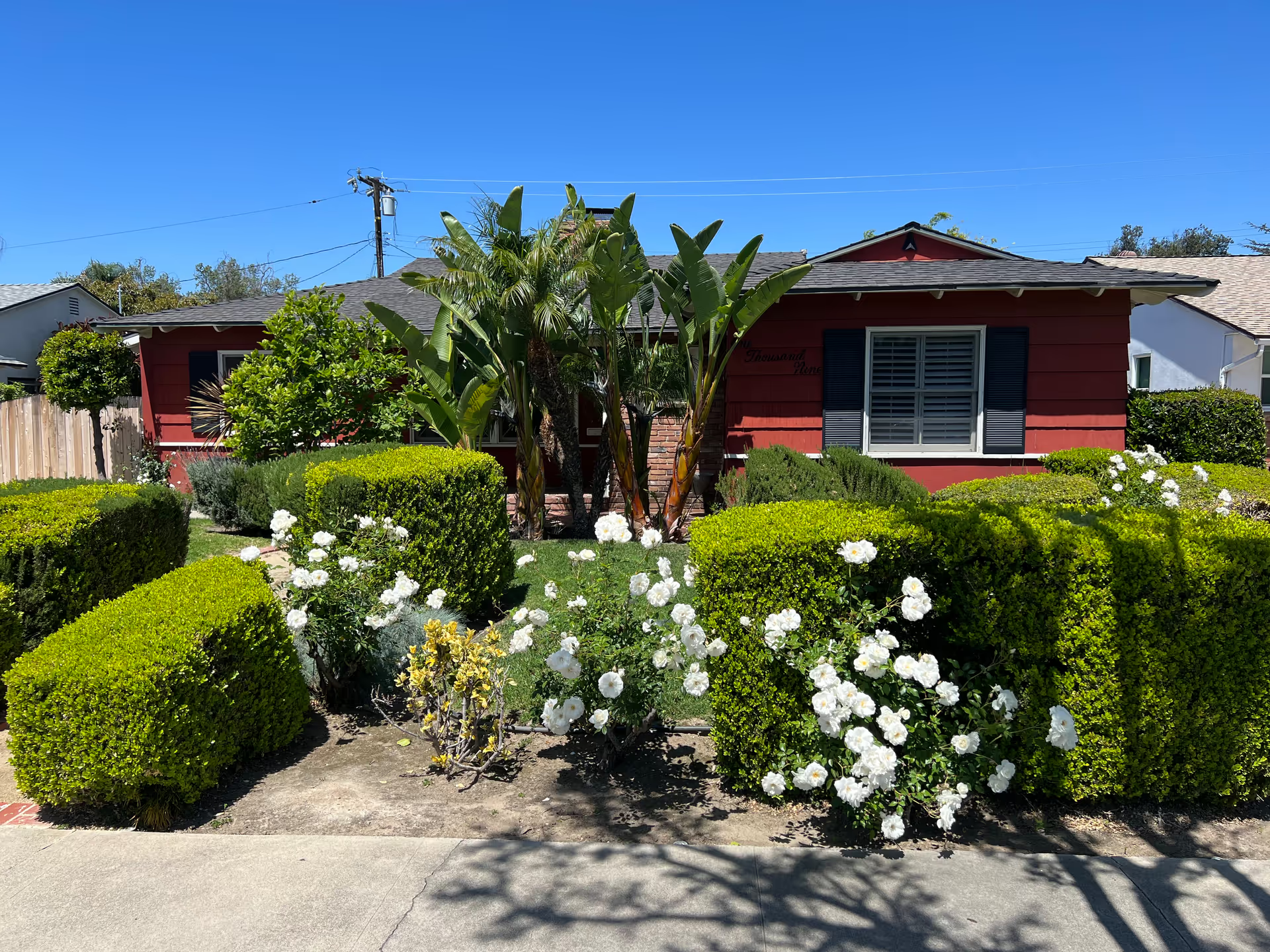
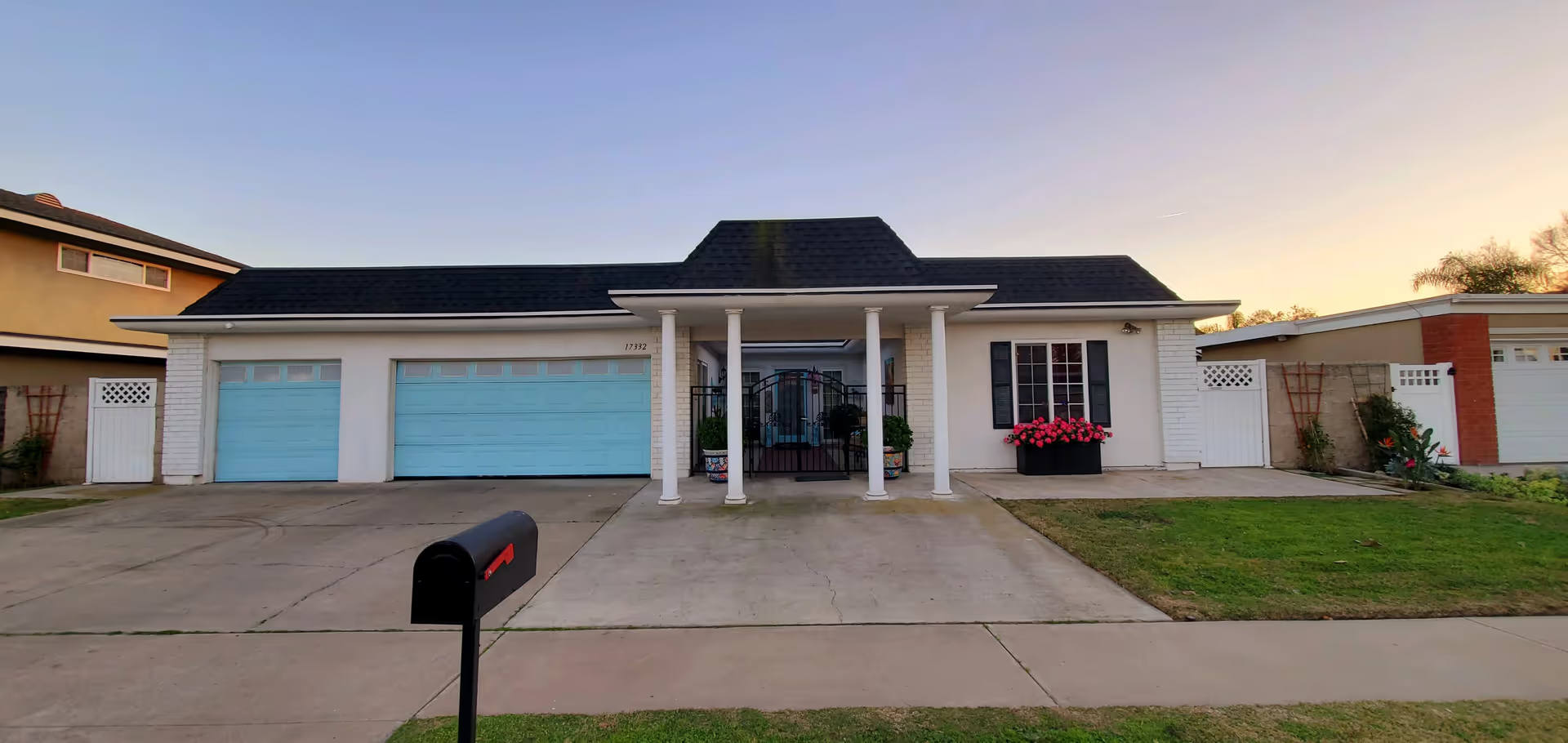
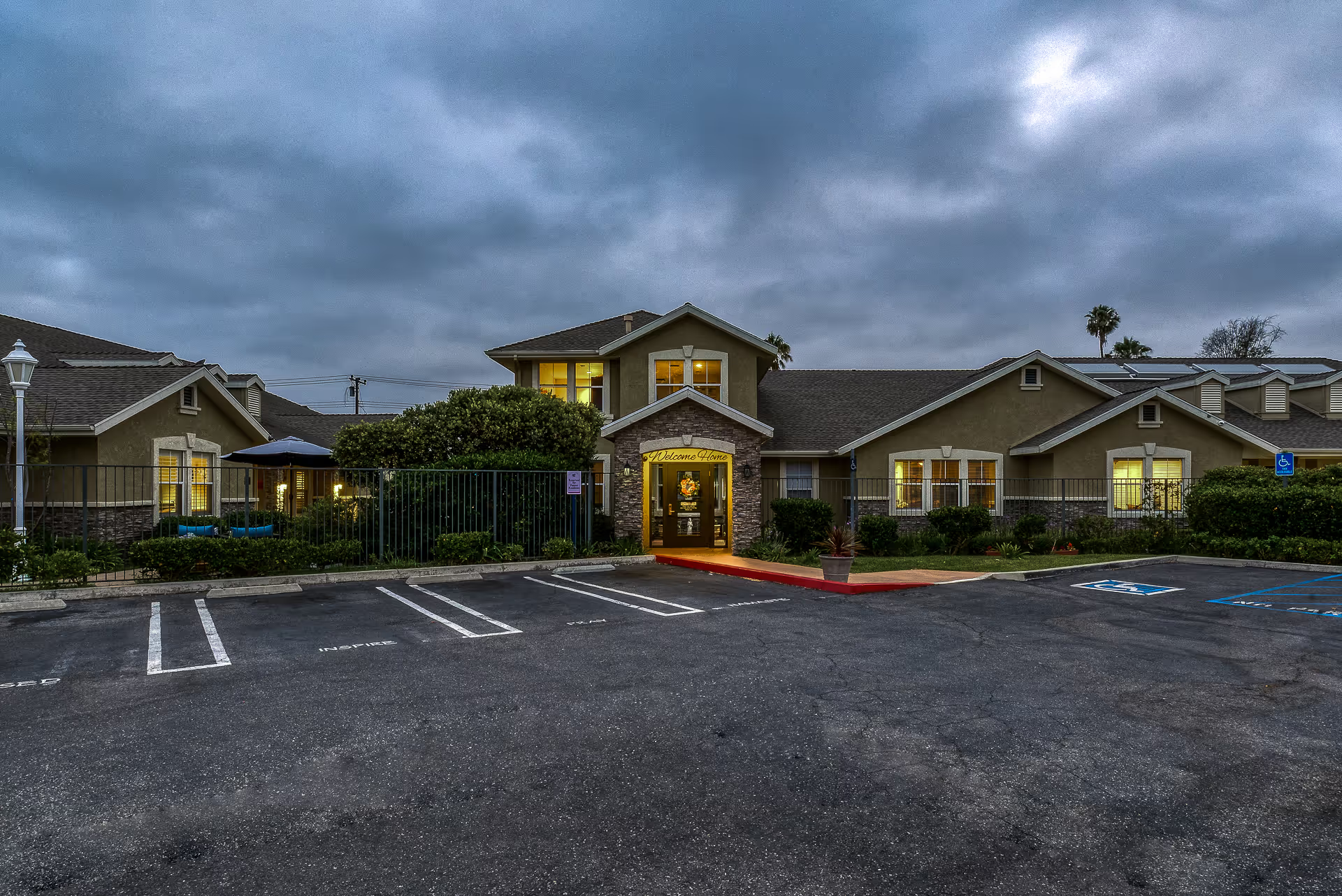
This set of reviews presents a mixed picture of a small, licensed board-and-care home that offers strengths typical of a family-operated setting alongside several operational concerns that could affect clinical safety and comfort. Positive comments focus on a personable, hands-on owner and his wife, a small six-resident licensed capacity that creates a home-like atmosphere, and home-cooked, fresh meals served in a communal setting where staff dine with residents. Many prospective families would find the initial tour and the owner’s welcoming style reassuring.
Care and staff: The reviews raise substantive questions about staff qualifications, training, and clinical oversight. While management appears engaged at the interpersonal level, instances described suggest caregivers lacked appropriate training or knowledge of residents’ medical conditions (for example, diabetes management and related dietary needs). Language barriers between staff and residents or families were also highlighted, creating potential communication gaps for care instructions, medication adherence, and condition monitoring. These issues point to broader gaps in staff competency verification, training programs, and care-plan communication.
Dining and clinical nutrition: The facility is credited with preparing fresh, healthy meals and promoting communal dining. However, there are specific concerns about inconsistent adherence to medically indicated diets; one account described the provision of foods inappropriate for a resident with diabetes. This indicates a need for clearer processes to align meal service with individualized care plans and stronger coordination between caregiving and kitchen staff.
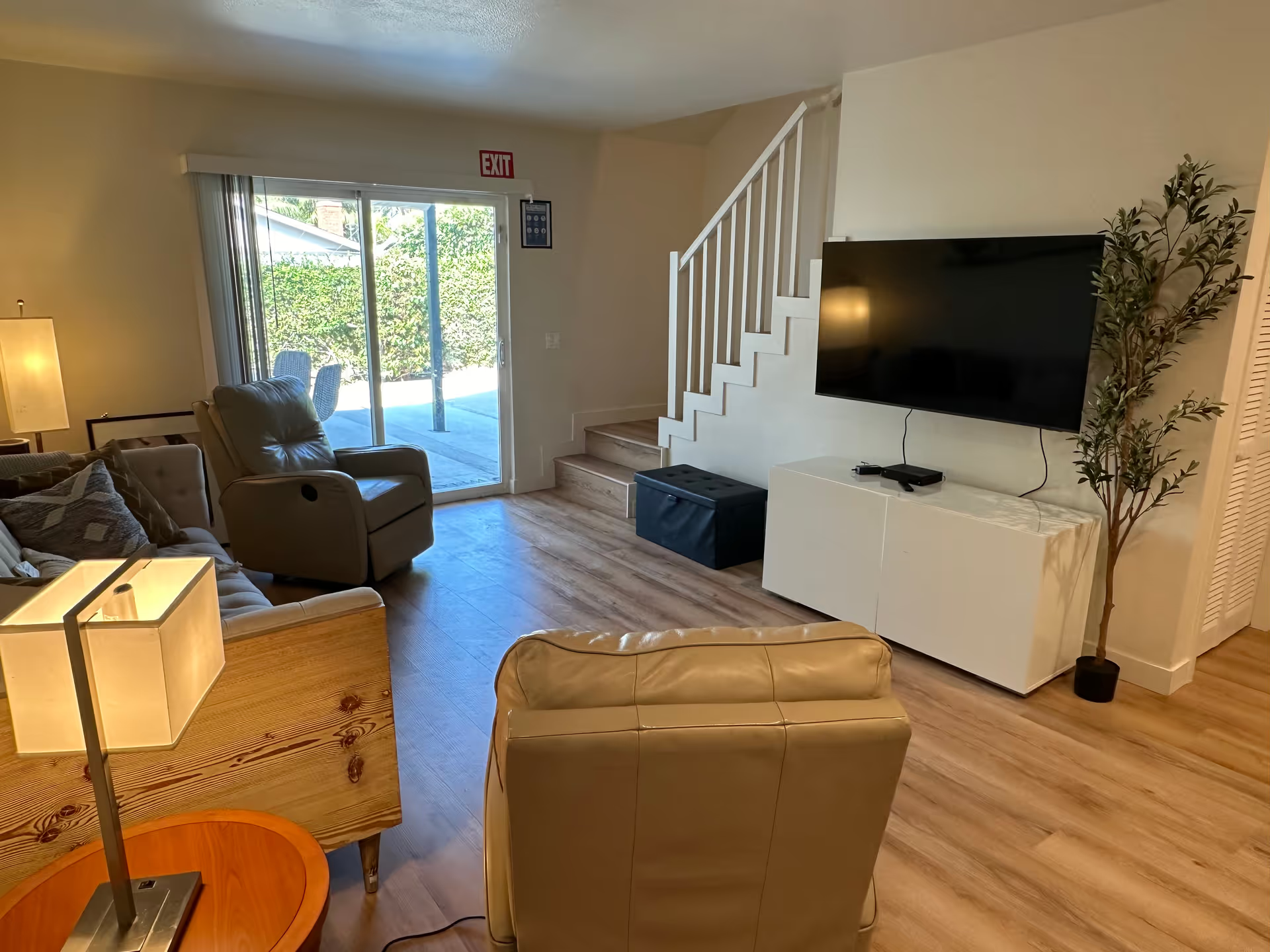
Facilities and environment: The small-house model can be an advantage for personalized attention, but reviewers described several environmental and maintenance shortcomings. Cleanliness and sanitation issues in resident rooms, furnishings, and storage areas were noted, along with concerns about general housekeeping. Temperature control and ventilation policies were also a concern; one reviewer cited consistently high indoor temperatures and reluctance to use air conditioning. In addition, exterior door practices and the absence of proper screening were associated with insect intrusion and related pest-control concerns. These facility-level issues have direct implications for resident comfort, infection-prevention standards, and overall safety.
Management and transparency: Reviewers described a friendly management presence during tours and initial interactions, but some also expressed concerns about management transparency and responsiveness when clinical or environmental problems arose. At least one family chose to remove their loved one after a short stay due to perceived gaps in care and oversight. The combination of a welcoming front-facing approach with subsequent operational concerns suggests the facility may benefit from improved communication mechanisms, clearer policies, and external accountability measures.
Activities and programming: The reviews provide little information about structured activities or therapeutic programming beyond communal meal times. Prospective families should ask directly about daily schedules, engagement opportunities, and how individualized activity plans are implemented.
Overall assessment and recommendations: Good Hands Senior Care - Santa Ana appears to offer the advantages of a small, family-run home with fresh meals and a warm initial impression. However, recurring themes around staff training and qualifications, clinical-information transfer (especially for chronic conditions), dietary consistency, sanitation/housekeeping, climate control, and exterior screening/pest control indicate operational weaknesses that could affect resident safety and comfort. Prospective residents or family members should verify staff credentials and training, review written care plans for chronic conditions, observe cleanliness and room conditions in person, ask about HVAC and pest-control policies, request references from current families, and inquire about recent inspection reports or corrective actions before making a placement decision.