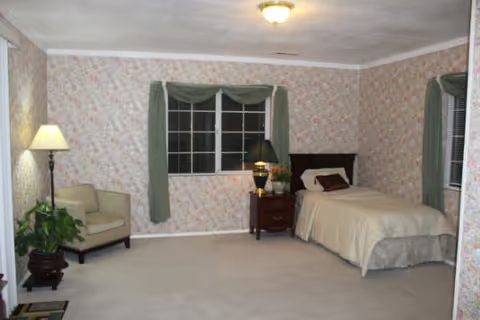
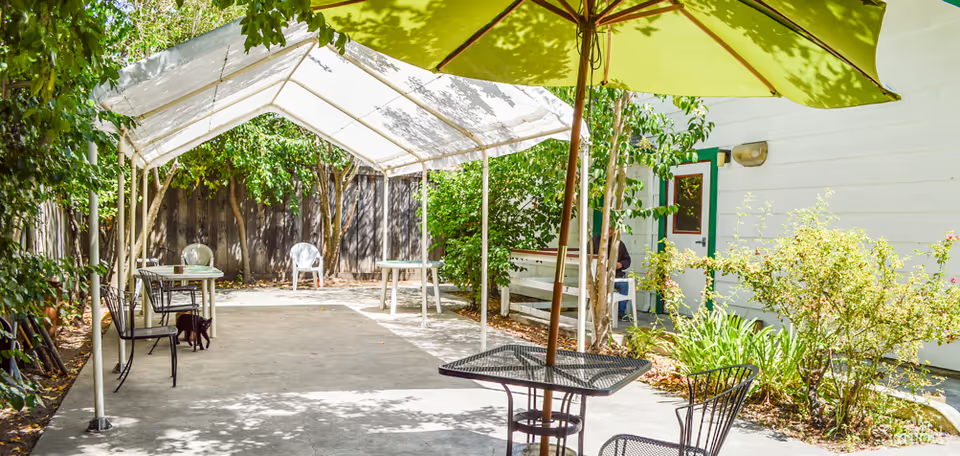
Primrose Alzheimer’s Living Inc is characterized primarily as a memory-care specialist with an established dementia program and an on-site adult day center. Reviewers consistently highlight the facility’s focus on Alzheimer’s and memory-support services, a long-tenured caregiving team, and clinical supports such as an on-site nurse and established hospice collaboration. The setting—a gated, three-acre property with pleasant grounds—supports outdoor access and resident roaming, and many families describe the environment as clean and home-like.
Care quality and staff strengths are a prominent theme. Many families describe caregivers as compassionate, attentive, and familiar with residents’ names and preferences; recreation therapy, therapy dogs, and activities tailored to cognitive needs were frequently mentioned as active components of daily life. There is repeated praise for the staff’s willingness to engage residents in games, gardening, and social activities, and for supportive ownership that provides guidance to families. Several reviewers also noted ease of move-in when tours and virtual options were used.
Clinical and operational characteristics show mixed signals. The facility provides coordinated medical services, prescription access, dental care coordination, and hospice partnership, which families found reassuring for complex needs. However, a subset of reviewers cited medication-administration problems and gaps in documentation; these accounts suggest an operational area that may require stronger protocols and oversight. Relatedly, some families experienced communication or care-plan coordination weaknesses that required additional advocacy to resolve.
Dining and programming receive generally positive remarks. Meals are frequently described as homemade and appetizing, with a private dining room available and staff present to assist during meals. The day program is appreciated for price and programming when available, though there are operational concerns (see below) about access. Activities are varied and memory-focused, and the grounds and pets are used effectively to support engagement.
Facility, access, and management patterns: the property is secure and well-maintained, but parts of the building are described as dated. The community practices selective admissions and maintains a waitlist; this, together with a remote location and limited payer acceptance (does not accept certain public payers), can make access difficult for some families. Several reviewers raised concerns about admission transparency and scheduling for the adult day program, including misunderstandings about openings. While ownership and leadership are generally described as supportive, isolated issues—such as staff professionalism lapses and the need for family advocacy in specific cases—indicate variability in day-to-day operations.
Overall, Primrose Alzheimer’s Living Inc presents as a specialized memory-care community with strong programming, compassionate staff, and robust clinical partnerships. Prospective families should weigh strengths in dementia programming, engagement, and medical coordination against practical considerations: cost, payer limitations, availability, and the need to confirm current operational practices around medication administration and family communication. Visiting the site, meeting clinical leadership, and asking for written protocols on medication management, admissions/waitlist procedures, and family communication expectations would help families assess fit and risk mitigation before placement.