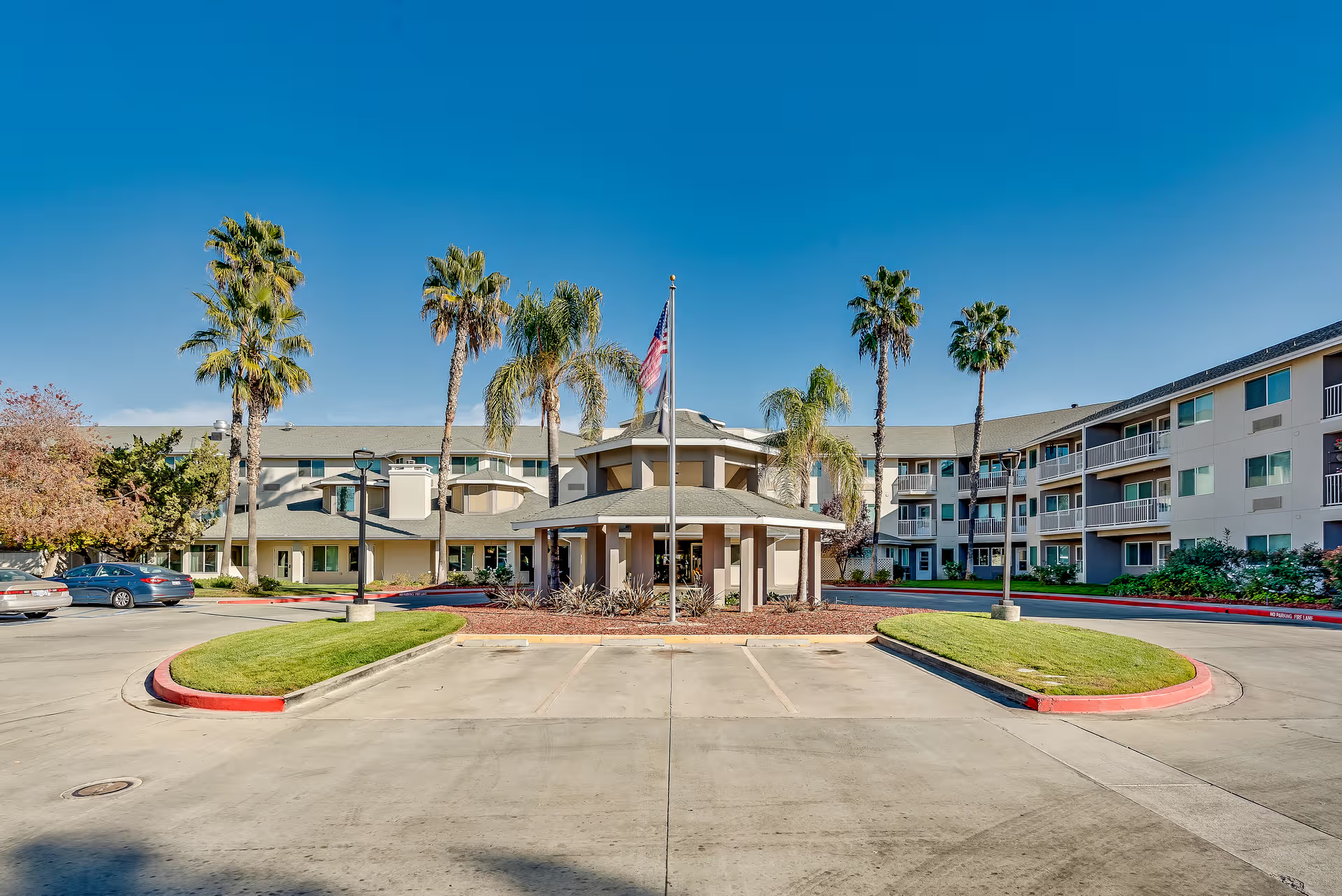
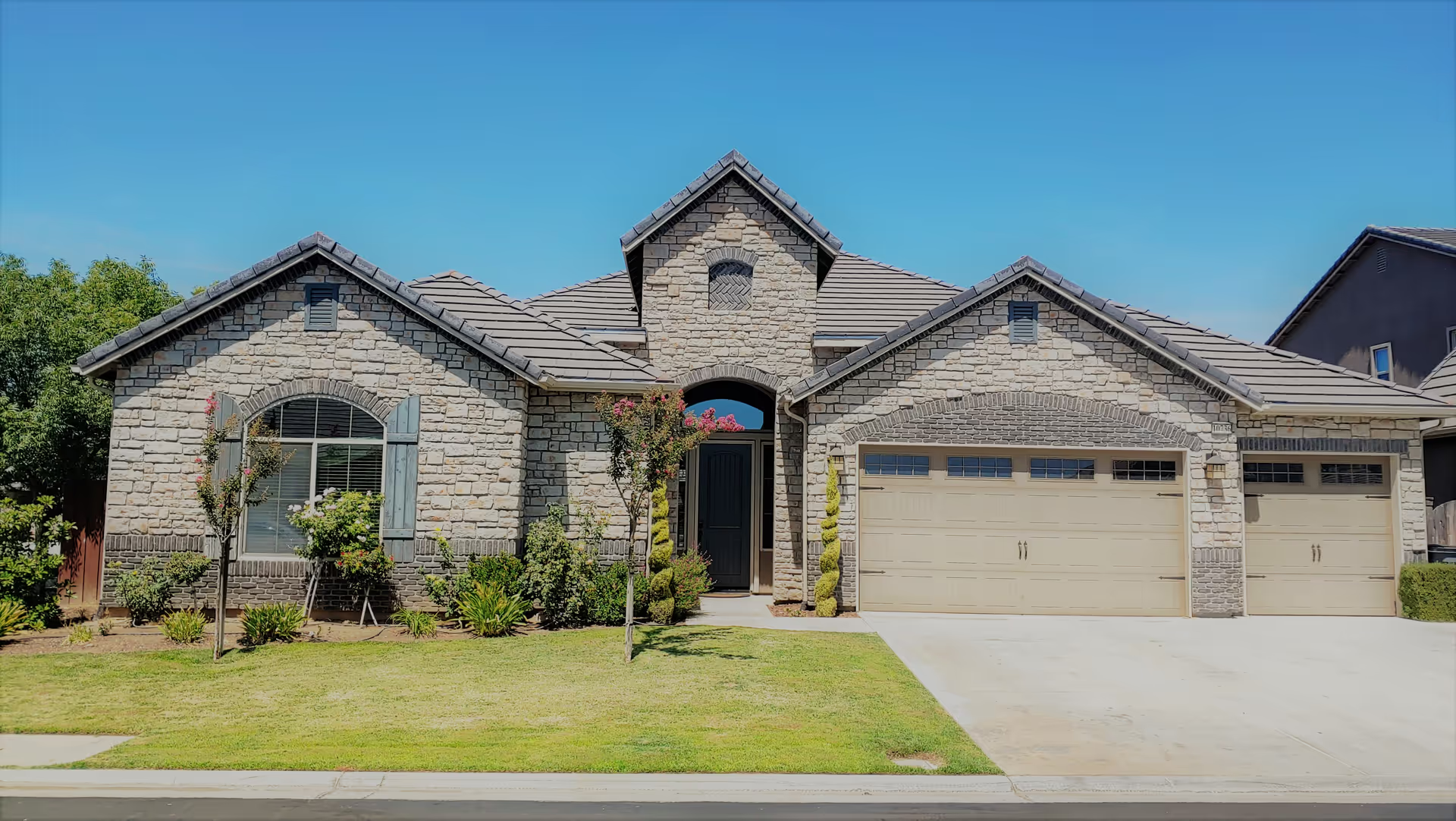
Overall impression: Reviewers convey a mixed but mostly centered view of care at this facility. Strengths repeatedly cited include compassionate hands-on care from nurses and CNAs, accessible RN coverage, and active involvement from physicians. Many families described attentive, family-centered practices such as thorough orientation, individualized care plans, and emotional support during end-of-life situations. The community atmosphere is frequently characterized as homelike and welcoming, with clean, organized spaces and pleasant grounds that contribute to resident comfort.
Care and staff: Clinical competence is a clear strength in many accounts — staff are described as caring, attentive, and capable of delivering individualized care and therapy. Rehabilitation and therapy services receive positive comments for responsiveness and quality when available. That said, a pattern of operational gaps appears in clinical monitoring and follow-up: examples include delayed lab communication, inconsistent implementation of discharge instructions, and variable referral or escalation to outside specialists. Reviewers also raised concerns about inconsistent assistance with activities of daily living (bathing, personal hygiene, and related supports) and occasional issues with staff conduct or leadership tone, which families felt affected the resident experience.
Dining and activities: The facility offers a range of social and spiritual programming (chapel services, bible study, live music, holiday and birthday events) that many residents and families value. Meal quality is generally viewed favorably, and several reviewers noted attentive dining assistance for residents with special needs (e.g., denture-related assistance). However, dining service continuity and the consistency of food quality were described as variable in a subset of experiences, and activity availability can be limited during infection-control or quarantine periods.
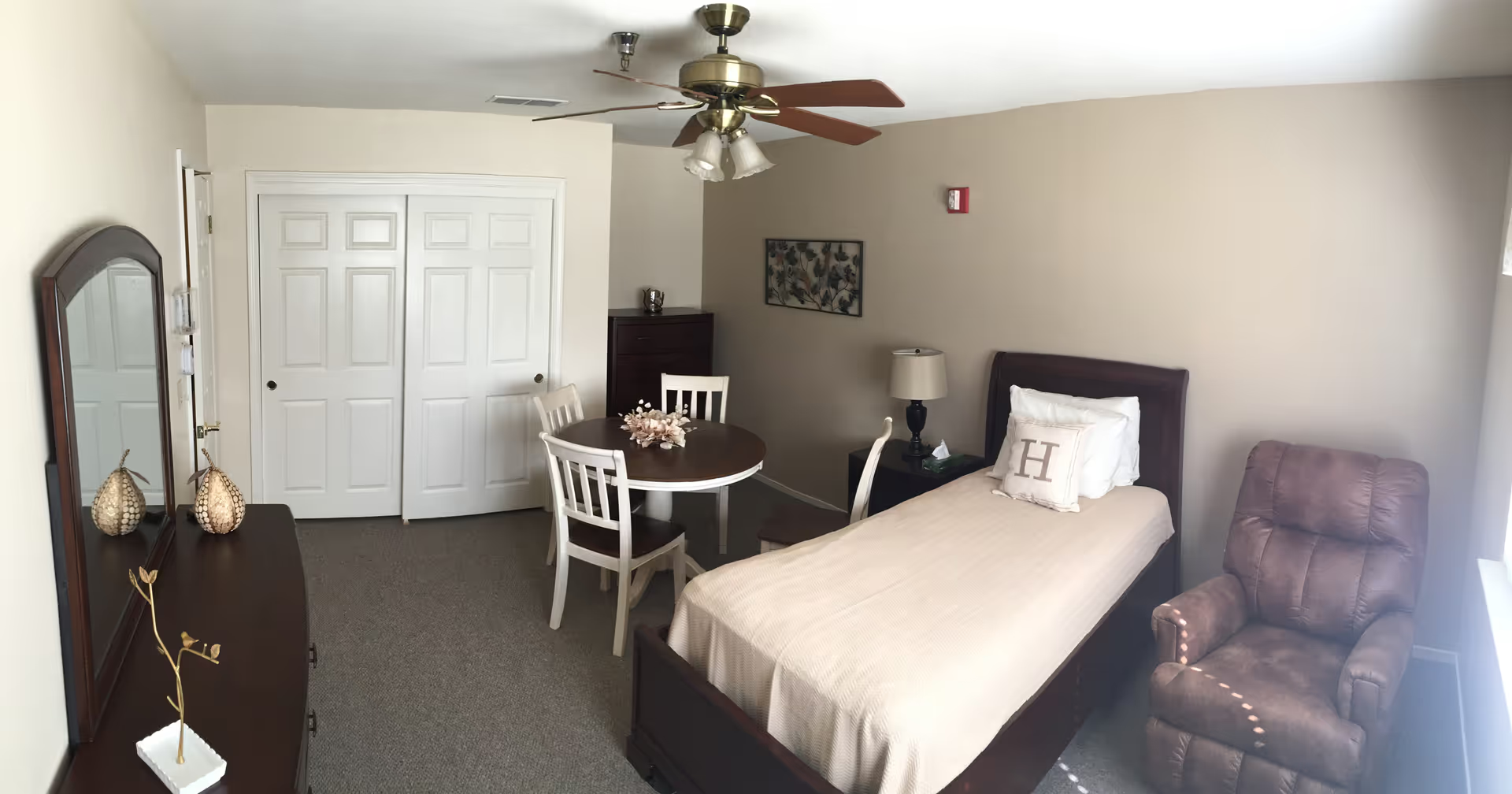
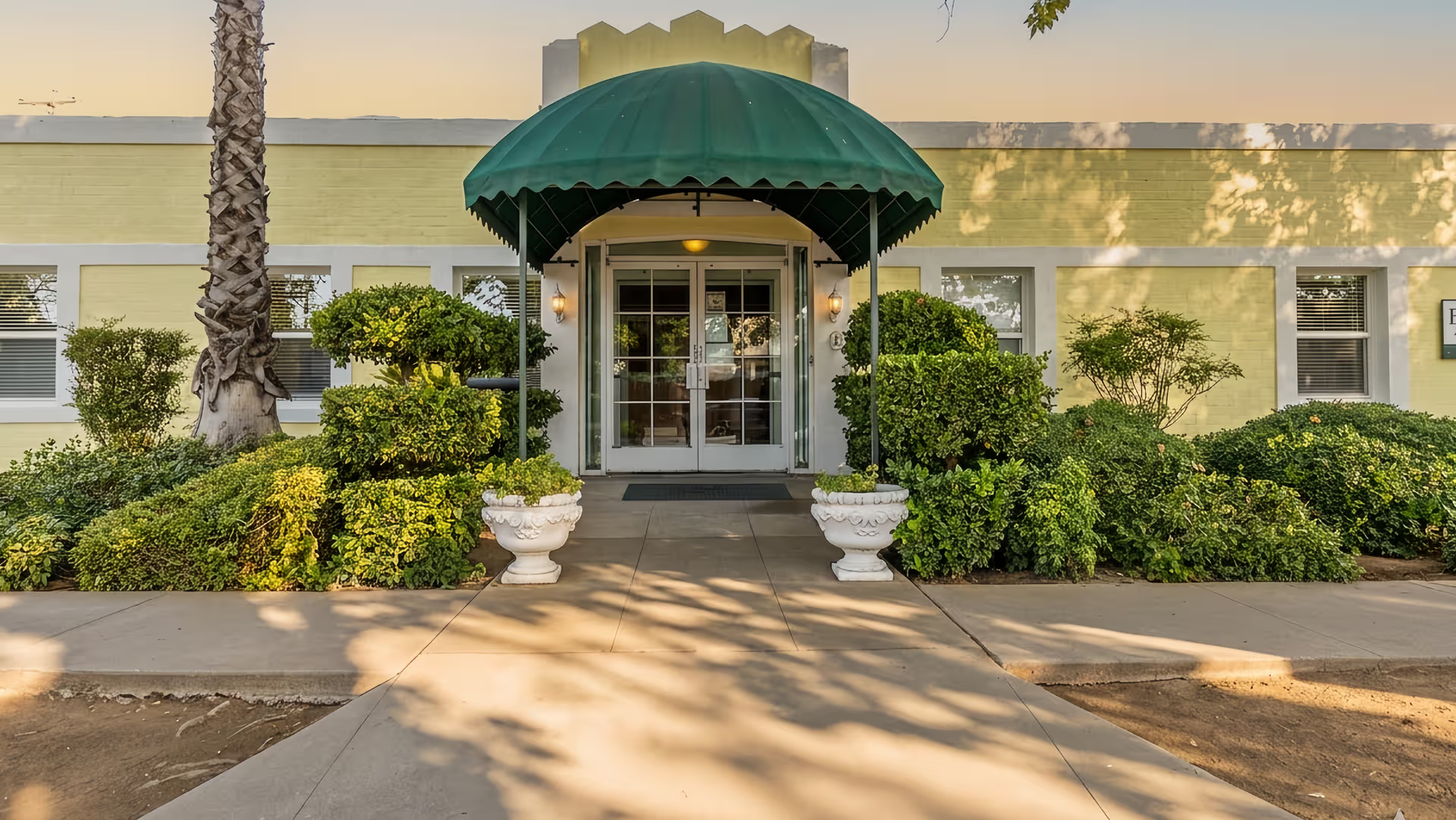
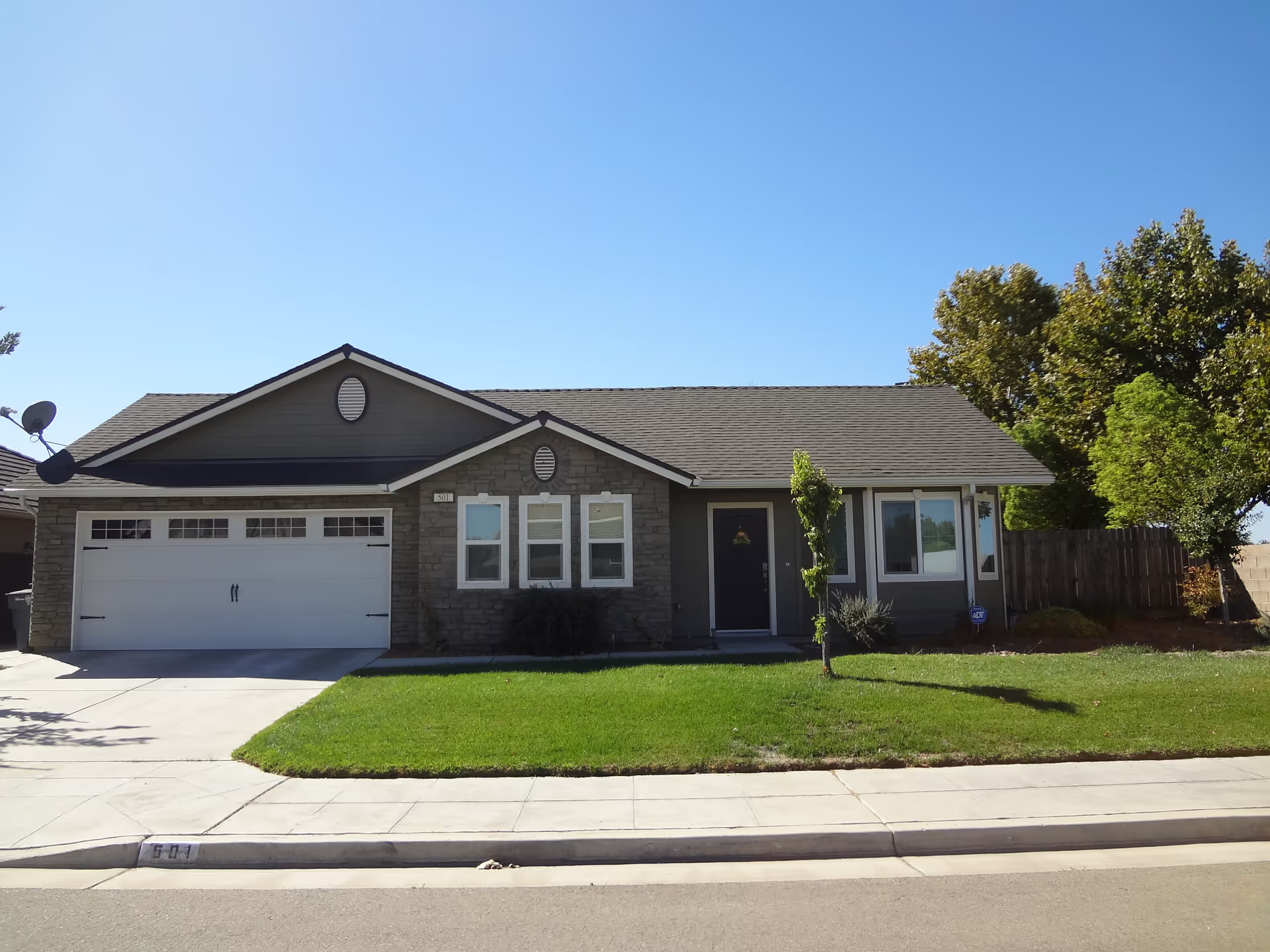
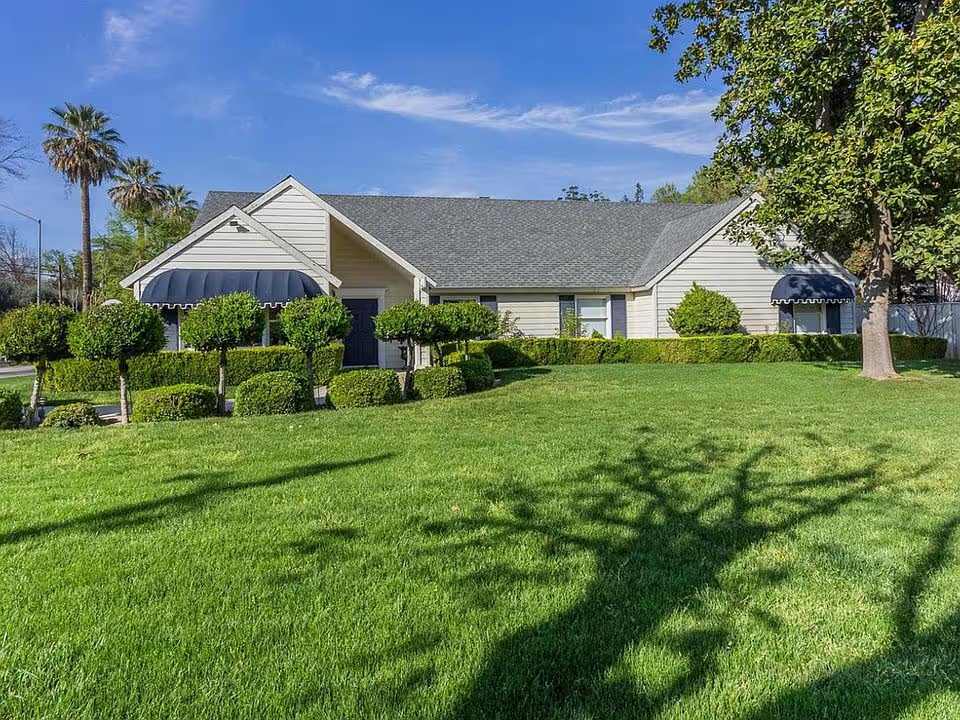
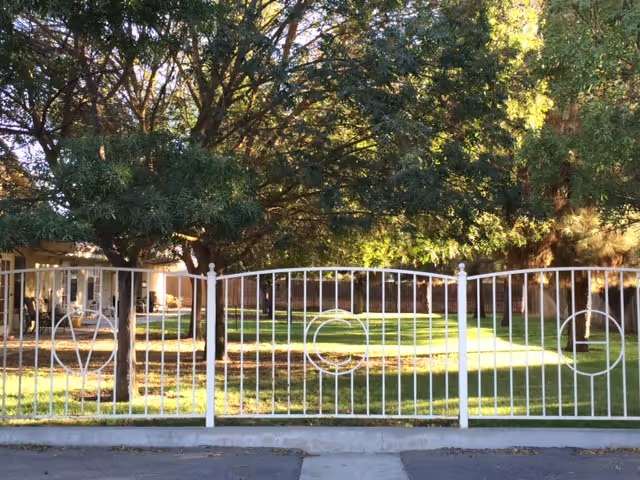
Facilities and environment: Many reviewers praised the cleanliness, maintenance, and organization of interior spaces, describing them as comfortable and well-kept. At the same time, the physical plant is characterized as older and somewhat dated in places, with small shared rooms and limited access to some outdoor areas. These facility-age issues may affect expectations for space and privacy for prospective residents.
Management and operations: Administrative strengths include responsive social work and helpful front-desk staff in numerous accounts. Conversely, several families reported gaps in communication and responsiveness from management and between admissions and nursing staff, as well as delays in billing or refund processes. There are also isolated but serious concerns — including allegations of theft and financial-security lapses — that warrant careful inquiry during a tour or decision process. Placement practices and transitions between care levels were sometimes described as inconsistent, and a few families raised issues about transparency around care-level decisions.
Notable patterns and takeaway: The facility demonstrates real strengths in personal, relationship-based care, spiritual and social programming, and basic cleanliness and upkeep. Prospective residents and families should weigh those strengths against operational and administrative variability: ask specific, pointed questions about clinical monitoring protocols (lab results, specialist referrals), consistency of personal-care routines, therapy availability, roommate matching, visitor policies, and safeguards for residents' personal possessions and finances. Where possible, seek documentation of clinical processes and speak with current families or ombudsman resources to clarify how the facility addresses the concerns noted above.