Summary
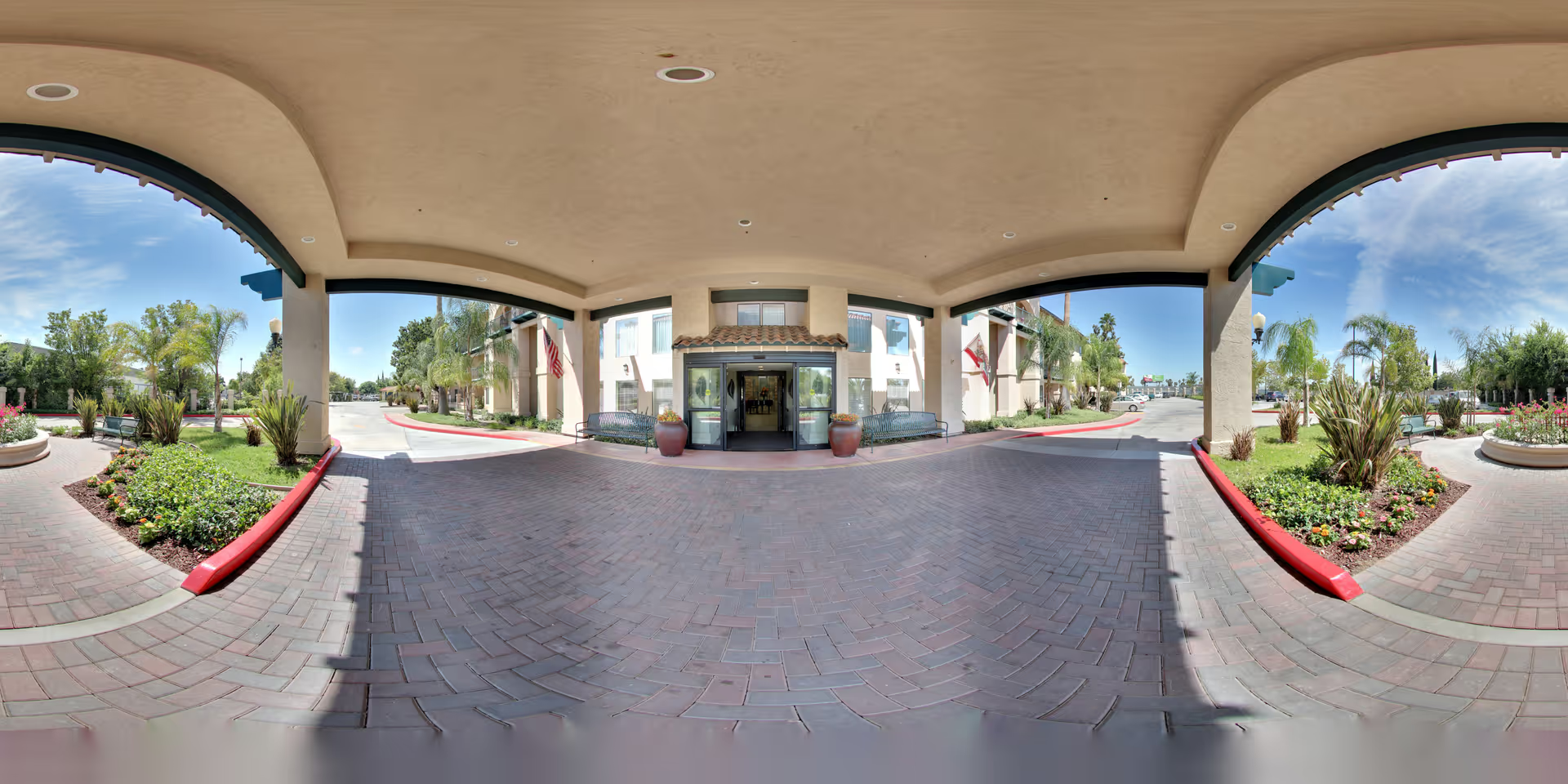
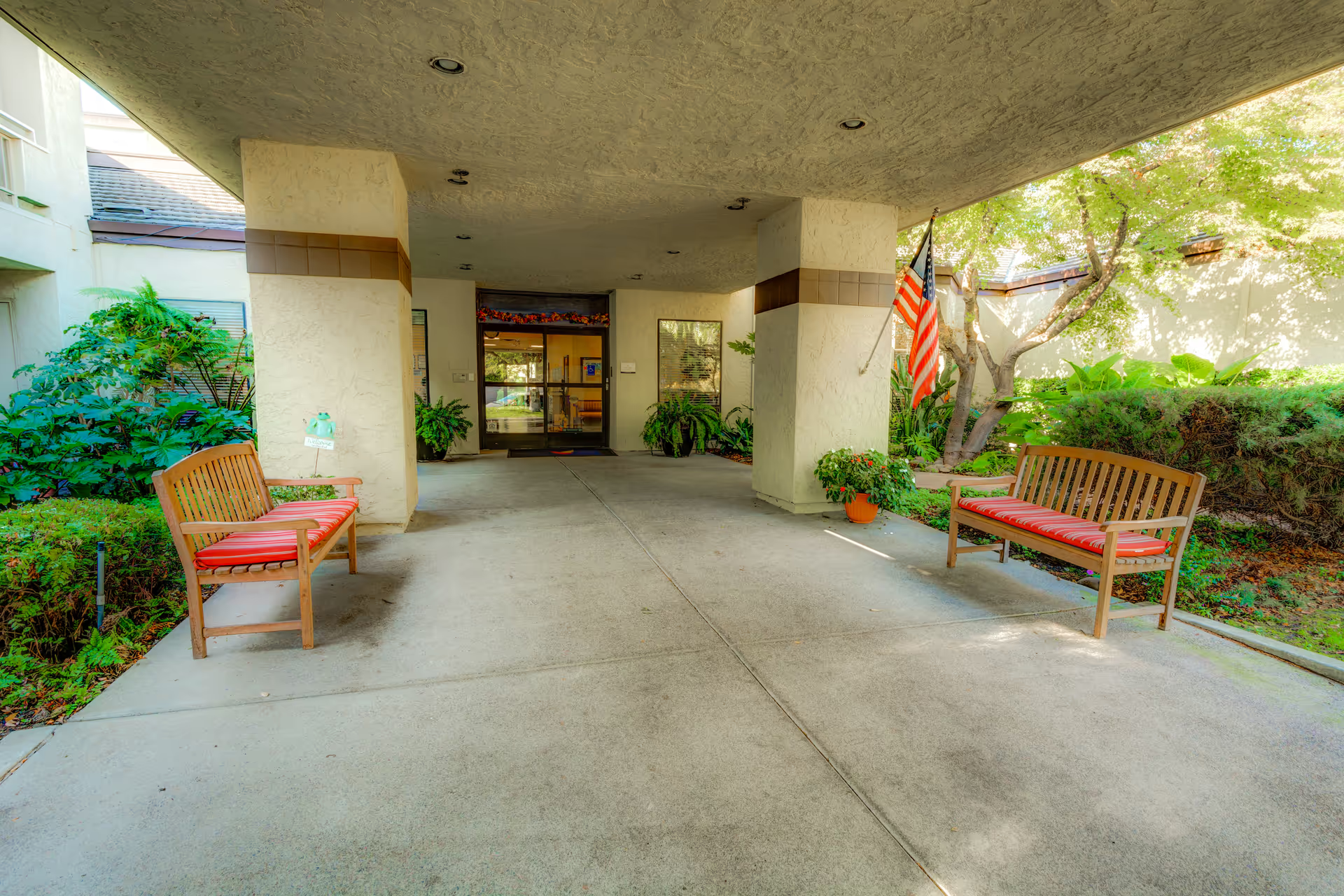
Riverwood Healthcare Center receives frequent praise for its physical environment and several core service areas while also attracting recurrent operational concerns. Strengths cited across submissions include a consistently clean, well-maintained building, private rooms and family spaces, accessible gated parking, and a visible emphasis on hospitality. Housekeeping, dining staff and kitchen services are repeatedly described as attentive and above average; special meals and generally well-prepared food are commonly noted. The activities program is described as energetic and engaging, and many families highlight a warm, family-like culture in communal spaces.
Rehabilitation and therapy are a clear institutional strength. Multiple accounts describe an experienced, knowledgeable therapy staff that is effective in post-acute recovery and patient encouragement. Therapy personnel and the department’s management receive frequent commendation for clinical skill, individualized attention, and successful functional outcomes. Nursing staff and direct-care aides are often characterized as compassionate and hardworking, and several reviewers singled out specific leaders (director-level and therapists) for positive contributions.
Alongside these strengths, there are consistent themes about operational weaknesses that prospective families should consider. Communication and responsiveness emerge as the most common concerns: families describe inconsistent staff responsiveness, limited or unclear family communication, and inadequate handoffs between shifts. Related process gaps include weaknesses in medication administration oversight, discharge planning and care-transition coordination—examples included delayed or missing medications on discharge, unclear discharge dates, and the need for families to advocate persistently to obtain follow-up services.
Administrative and facility-process issues are also noted. Several accounts point to visitor-policy enforcement that feels inconsistent or nonclinical (front-desk staff enforcing medical-policy restrictions), limited in-room communication options (absence of bedside phones), and constrained therapy-area capacity (small or crowded rehab rooms lacking restroom access). There are recurring complaints about property handling and billing transparency, including lost or mishandled belongings and disputes over charges; one serious claim referenced alleged theft and delayed reimbursement, which some families elevated to formal complaint. Staffing variability and periods of understaffing are described as contributing to delayed care activities and reduced supervision.
Clinical safety concerns appear less frequently but are significant where raised: reviewers described wound-management and skin-integrity problems, catheter and urinary-issue handling concerns, and cases where families felt clinical oversight and physician responsiveness were insufficient. These accounts suggest variable performance in clinical monitoring and escalation practices rather than a uniform pattern; however, they are sufficiently serious that families should ask specific, documented questions about wound care protocols, catheter management, and medication-administration controls during tours or admissions.
Practical considerations for prospective residents and their families: verify discharge and medication arrangements in writing, confirm bedside communication options, ask about therapist-to-patient ratios and therapy space availability, review property-handling and billing procedures, and clarify visitation policies and who enforces them. Riverwood offers notable strengths in rehabilitation, food service, cleanliness, and a generally warm staff culture, but the facility also demonstrates inconsistent operational reliability in several administrative and clinical support processes. Families seeking care should weigh the facility’s rehabilitation and hospitality advantages against the documented variability in communication, discharge transitions, and some clinical oversight areas.