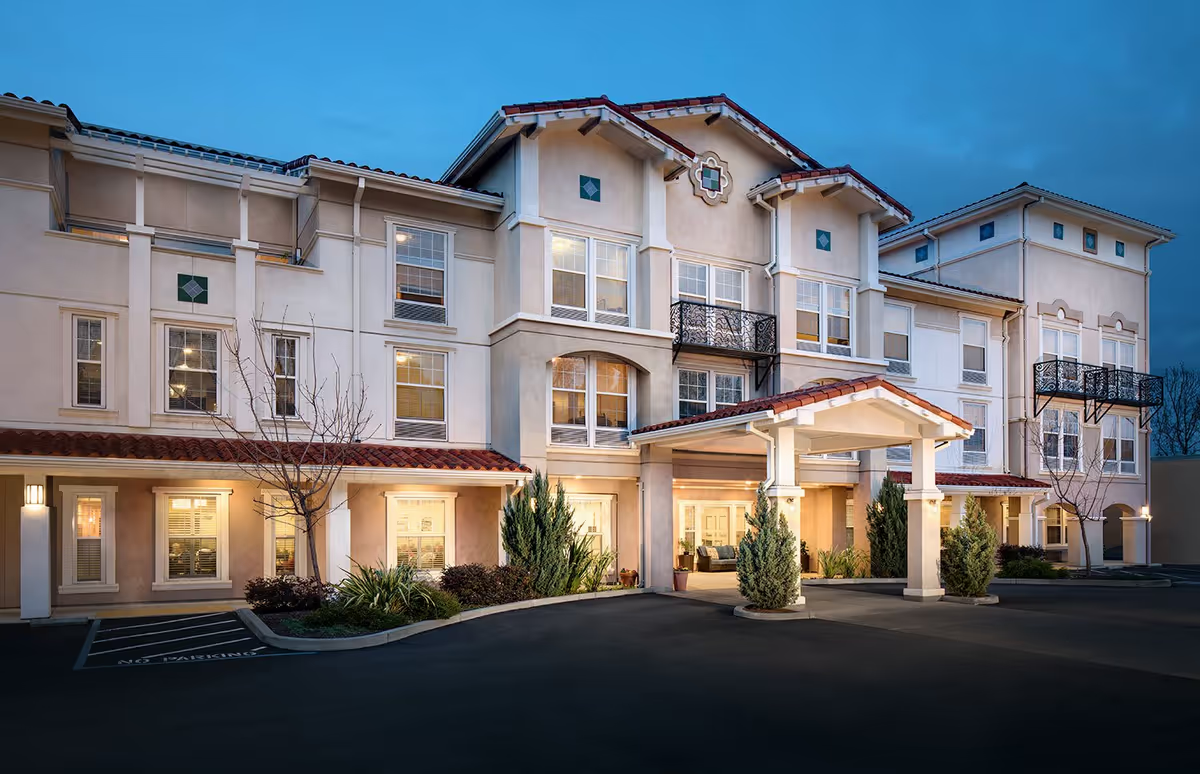
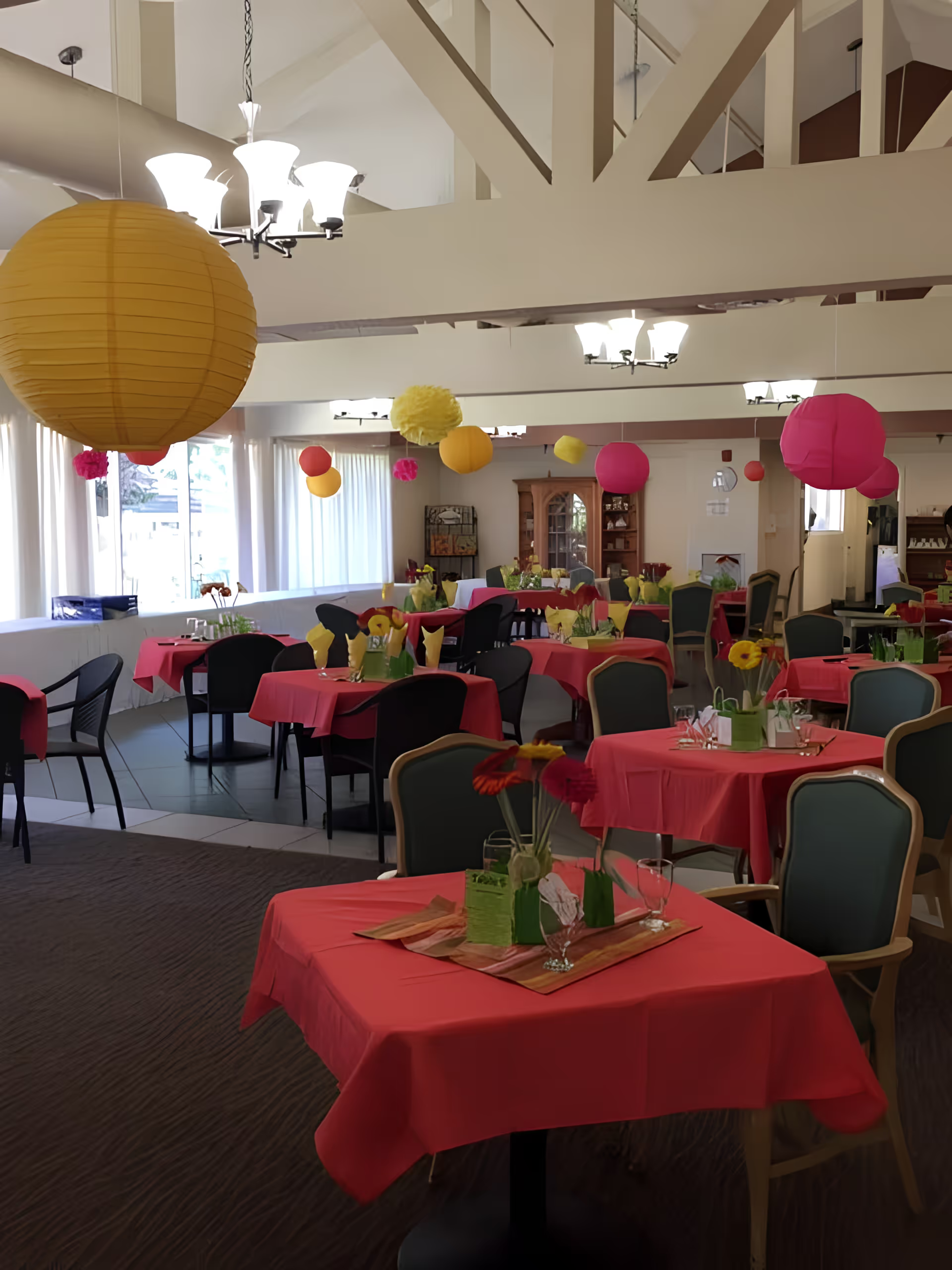
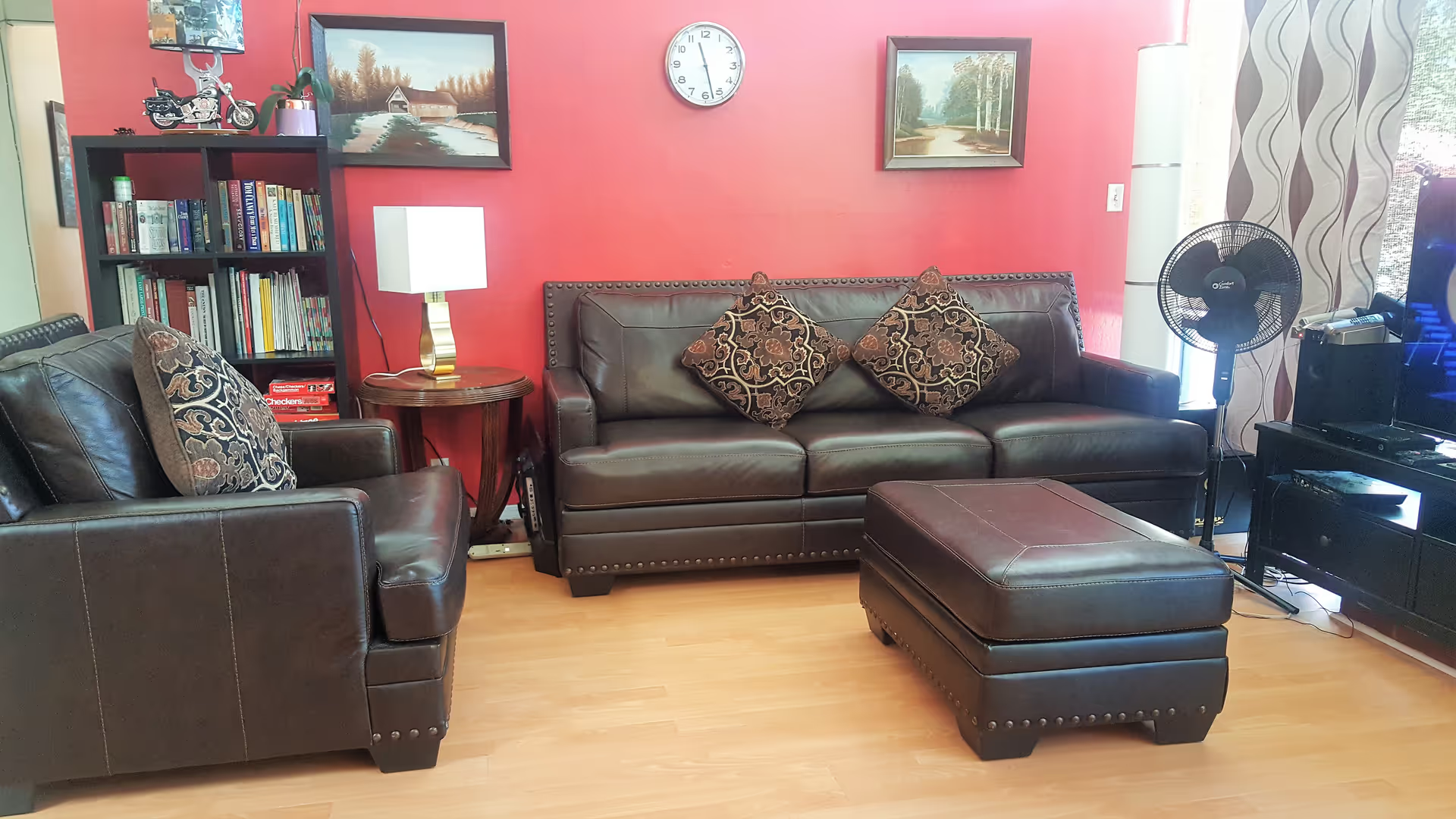
Crescent Oaks - Memory Care is consistently described as a small, homelike community with a warm, mom-and-pop feel. Families and visitors commonly praise the bright, airy common areas — including a glass-walled atrium and activity room — as well as tasteful decoration and generally good cleanliness. The facility has a clear pricing approach and is often viewed as offering good value. Several individual staff members are singled out for compassionate, personalized care, and reviewers emphasize that caregiving staff can be genuinely warm and empathetic.
The activities program is a clear strength. Reviewers describe an active, varied calendar with frequent social events, parties, live music (piano, karaoke, harp), bingo nights, and memorable resident celebrations. The program director receives positive mention for engagement and organization. Families also note coordination with hospice services and responsive end-of-life support when needed.
Dining impressions are generally favorable: reviewers reference good food and an emphasis on meal preparation. That said, there are operational notes about the kitchen’s central role during resident hours. In some accounts, care staff presence on the floor appears limited while staff are occupied with meal service tasks; this has led to perceptions that caregiving and supervision are sometimes interrupted by non-care responsibilities.
Facility amenities are strong in common-area design and landscaping, but some practical limitations appear repeatedly. Several reviewers point to shared or companion rooms that lack partitions and to outdoor areas that are not readily accessible for all residents. Space constraints in private rooms and overall unit size were also cited by families seeking larger accommodations.
Management and operational consistency are mixed. Positive impressions arise from tours that introduce team members and residents and that convey warmth and good onboarding. Conversely, other families describe staffing shortages, increased census without commensurate staffing adjustments, and slow or unclear management communication. These operational weaknesses manifest as delayed responses to care requests, perceived thin staffing during key hours, and roommate moves or placements made without adequate family notification.
A small number of reviews raised safety-related concerns, including one review that described a serious physical incident. While that account appears to be an isolated claim within the overall dataset, it points to the importance of asking facility leaders about safety protocols, incident reporting, staff training, and follow-up processes. Prospective families should balance the facility’s strong social and environmental features and many examples of compassionate caregiving against the pattern of inconsistent staffing and communication. Important questions for tours and meetings with leadership include current staffing ratios, how roommate placements and transfers are handled, accessibility of outdoor spaces, and recent examples of safety-incident investigation and corrective action.