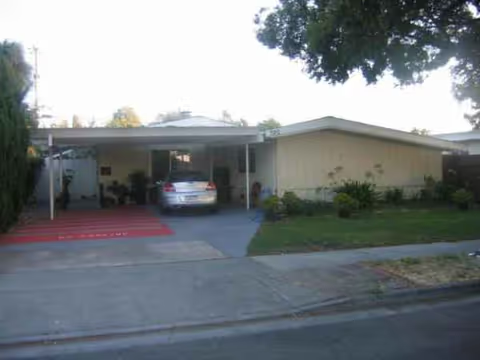
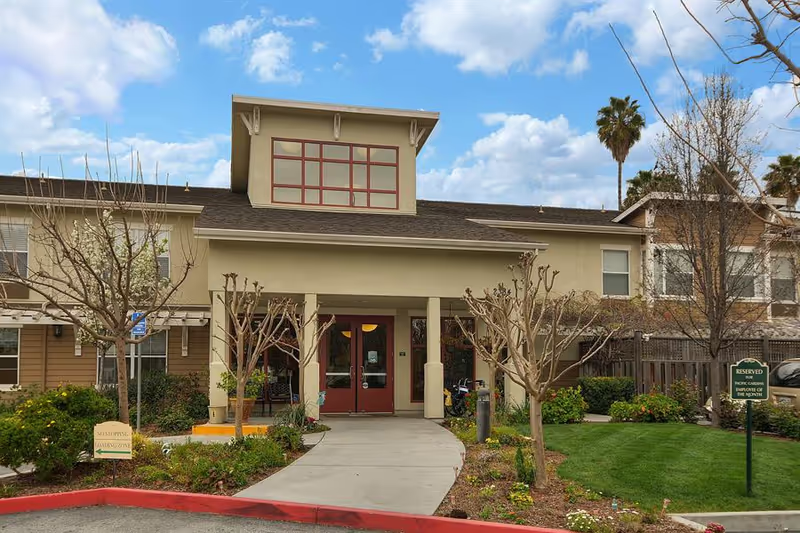
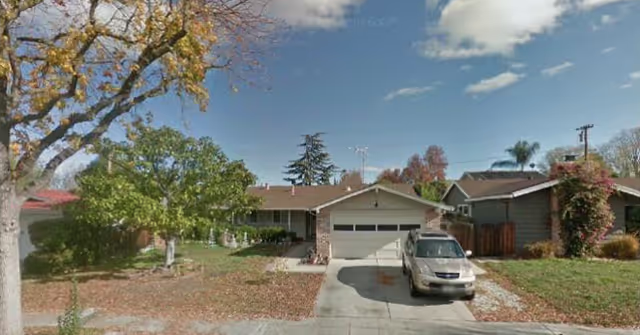
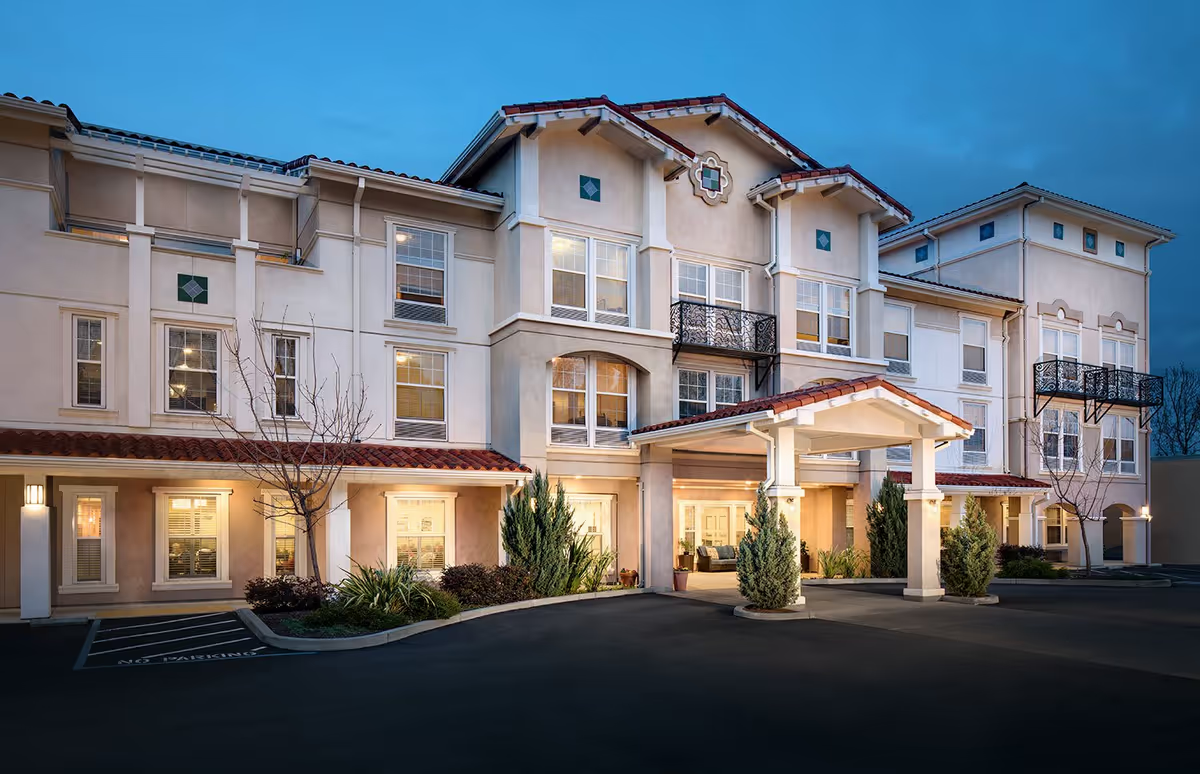
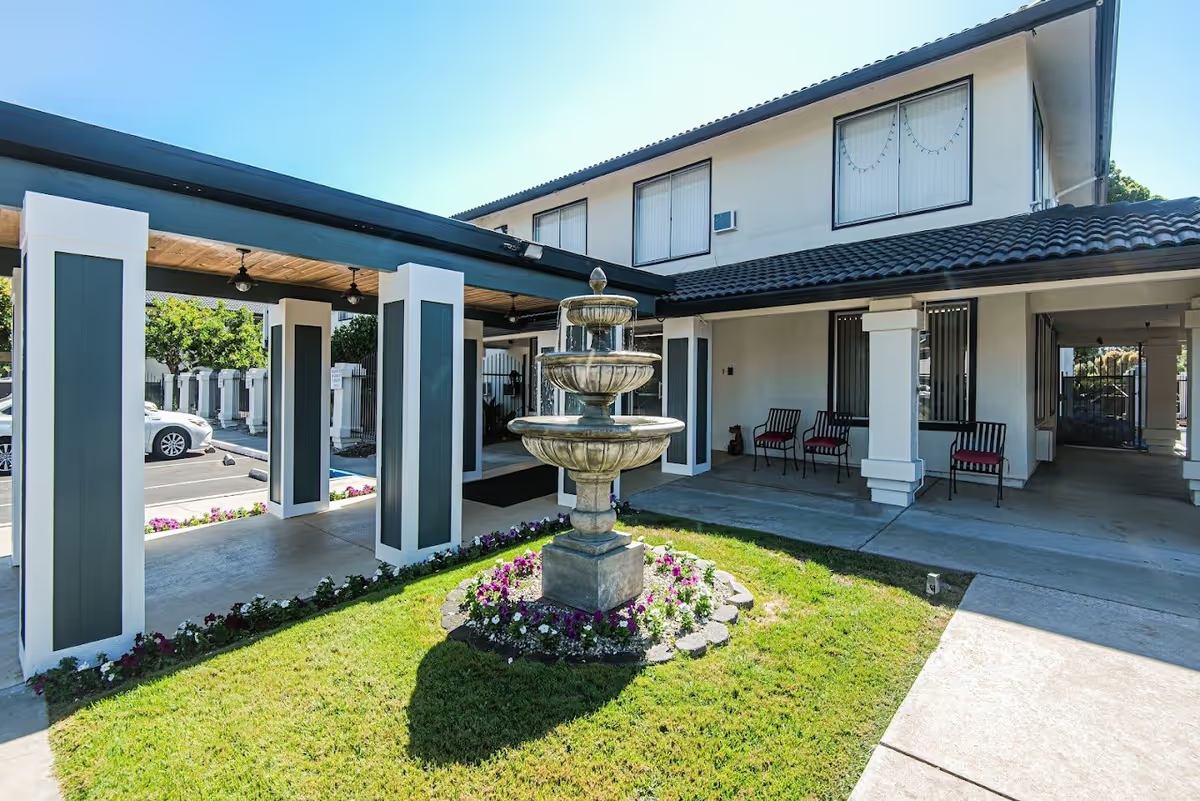
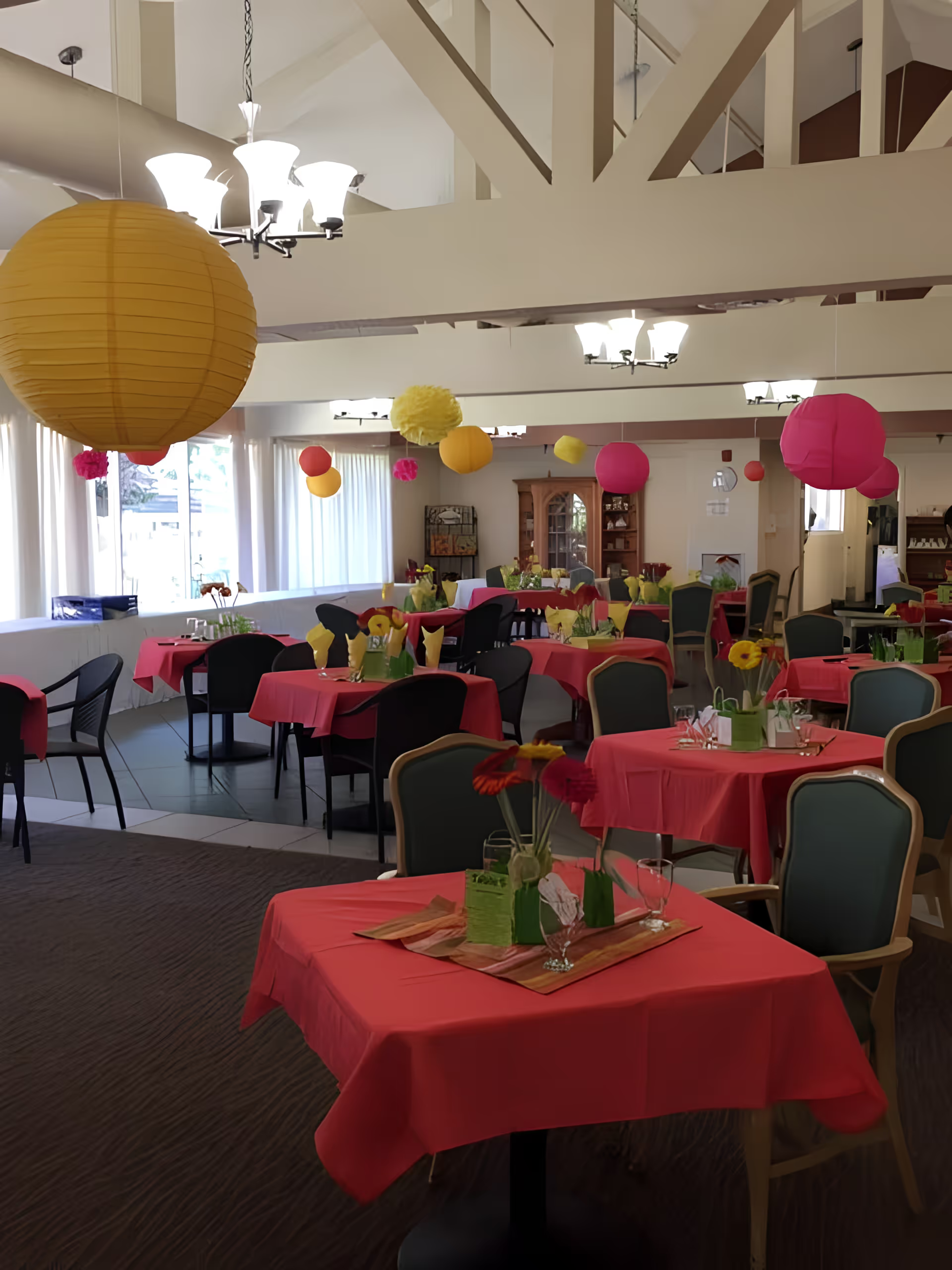
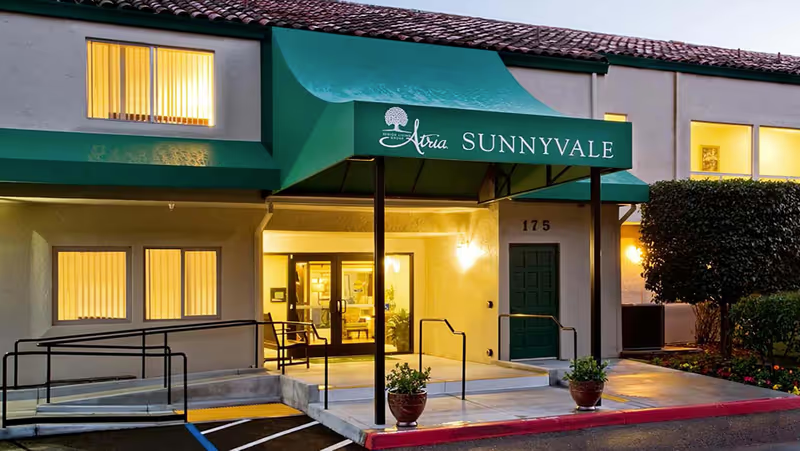
St. Mary's Residential Care Home II presents as a small, home-style assisted living environment. Several reviewers emphasize cleanliness and a well-maintained interior, with mentions of multiple bathrooms and a sizable main living area. The facility appears to house long-term residents, contributing to a steady, residential atmosphere rather than an institutional one. Night-shift coverage is noted, which is a positive operational feature for continuous oversight.
Care and staff receive mixed but generally positive commentary. Many reviews describe caregivers as compassionate, friendly, and hardworking, and one caregiver was singled out for particularly strong praise. These comments suggest that individual staff members provide attentive, person-centered care. At the same time, there are indications of inconsistencies in care: a minority of accounts describe slow responses to requests and an overall poor experience. The combination of strong praise for specific caregivers and complaints about responsiveness suggests variability in day-to-day service delivery rather than uniformly high or low quality.
Staffing and communication appear to be operational stress points. The facility's small staffing complement is mentioned, and reviewers identified delays in staff replies; together these point to constrained staffing capacity that can affect response times. Additionally, some caregivers use English as a second language; this can create communication barriers in care planning and family interactions unless proactively managed. Prospective families should clarify staffing levels, response protocols (call systems and typical response times), and language accommodations during their evaluation.
There is limited detail about dining and organized activities in the available summaries. Given the home's small scale, dining and recreational offerings are likely to be modest and home-style; families should ask about meal menus, dietary accommodations, and the schedule and variety of activities. Facilities-wise, cleanliness is a clear strength, and the presence of both smaller and larger common rooms suggests uneven shared-space configuration; visitors should tour the specific living spaces to assess suitability for the prospective resident.
Management and notable patterns: reviewers tend to cluster around two patterns — positive experiences highlighting caring staff and cleanliness, and at least one distinctly negative account focused on slow responsiveness and an unsatisfactory overall experience. This pattern points to variability in operational consistency rather than a single pervasive failing. Before placement, families should request information on staffing ratios, night and weekend coverage, communication procedures with families, and any language-support resources. These checks will help determine whether the facility's strengths (cleanliness, certain highly regarded caregivers, and a home-like environment) align with a prospective resident's needs and expectations.