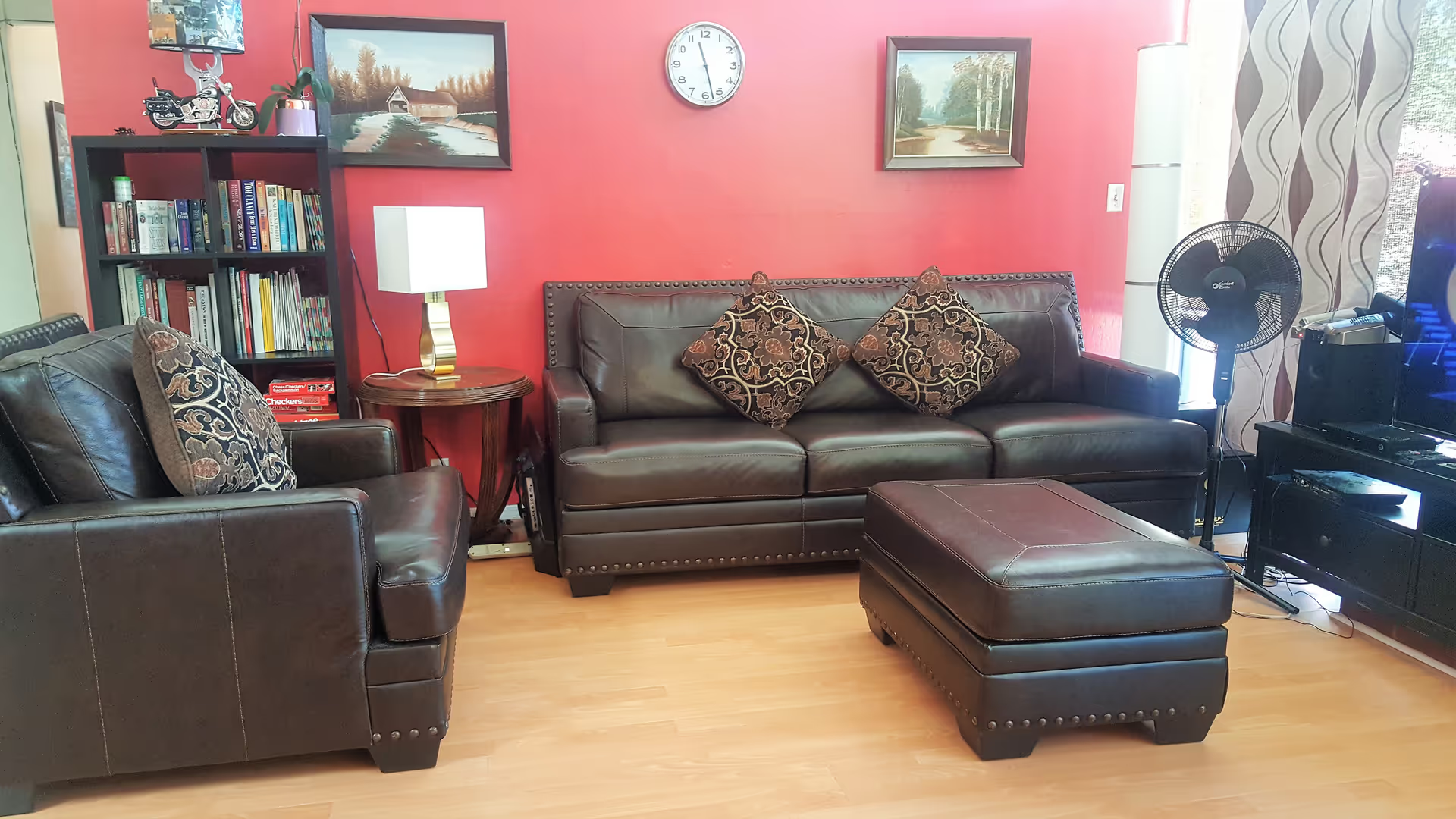
Sunnyvale Gardens Post Acute elicits a mixed but specific set of impressions. Many reviews emphasize strong clinical and rehabilitative strengths: reviewers frequently praised compassionate nursing staff and CNAs, steady registered‑nurse coverage, and a highly regarded in‑house therapy program (physical and occupational therapy) led by an active rehab team. Admissions, social work, and hospice coordination were often described as supportive and professional, and the facility accepts Medicare and Medi‑Cal. Renovated public spaces, private rooms with ensuite bathrooms, well‑kept outdoor gardens, in‑room entertainment options, and routine housekeeping were also cited as positive experiential elements.
At the same time, a consistent cluster of operational concerns emerges. Staffing and responsiveness present the largest pattern: reviews indicate inconsistent staffing levels, delayed responses to call lights and requests for assistance, and variability in how promptly clinical issues are escalated. These staffing gaps link to other operational problems noted by families, including delays in medication delivery or pharmacy coordination, uneven after‑hours coverage and unclear chains of command, and occasional lapses in communicating clinical updates to families and primary physicians.
Therapy and clinical follow‑through are areas of contrast. While many families report effective, progressive therapy that produced measurable gains, others experienced scheduling problems, incomplete therapy sessions, or a perceived mismatch between billed services and delivered intensity. Similarly, nursing and CNA interactions are frequently described as compassionate and attentive, yet reviewers also described instances of inconsistent attention to hygiene and incontinence‑care needs and of housekeeping responsibilities informally shifting to family members.
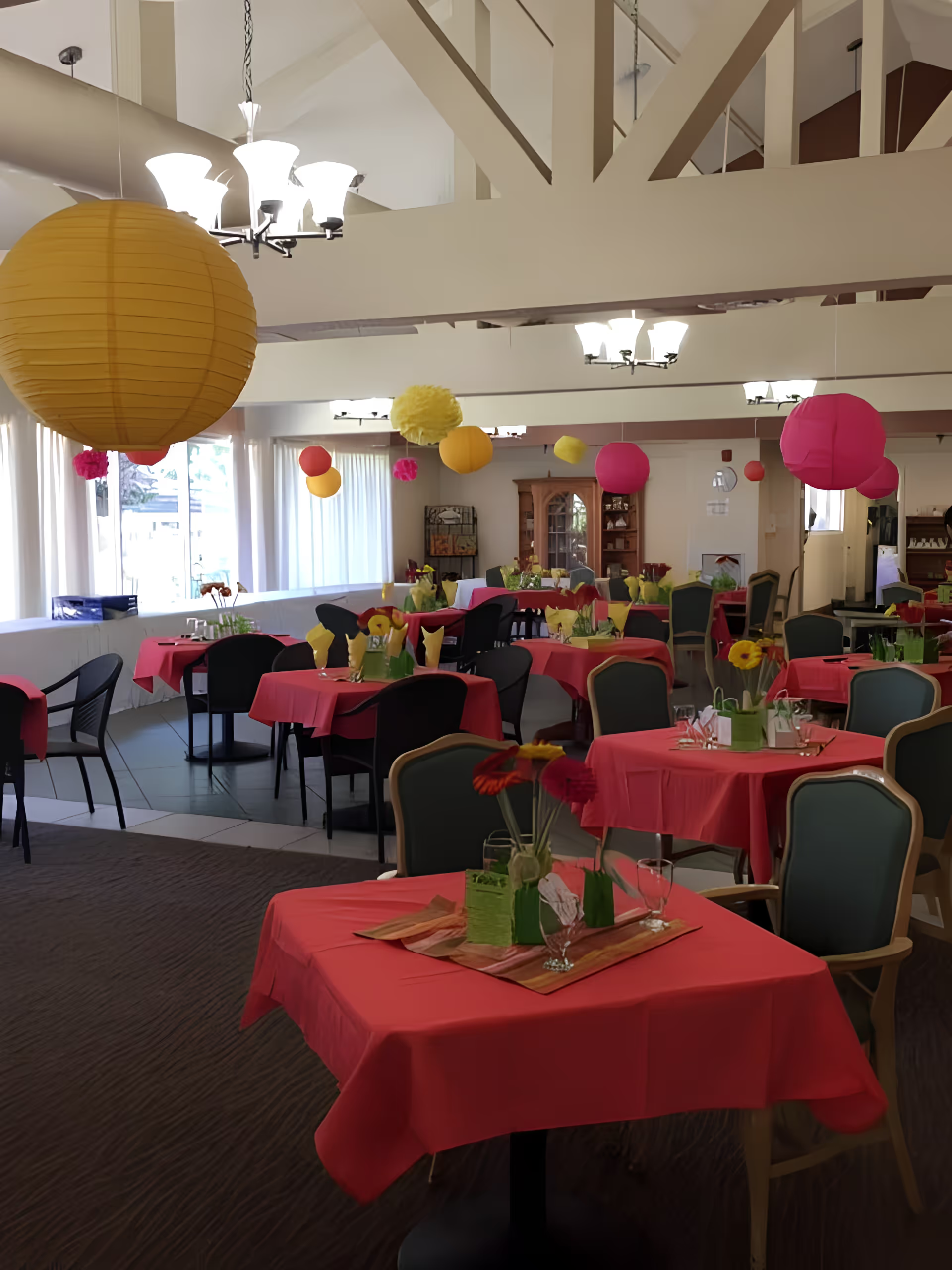
Dining and activities also show mixed feedback. Several reviewers praised tasty meals and attentive food service staff, while others described limited menu options, inconsistent temperature and presentation, and dissatisfaction with special‑diet handling. Activity programming (bingo, singing, line dancing, craft sessions) appears active and engaging for short‑term rehabilitation residents, but some families felt offerings were more limited for long‑term skilled‑nursing residents or underused common spaces.
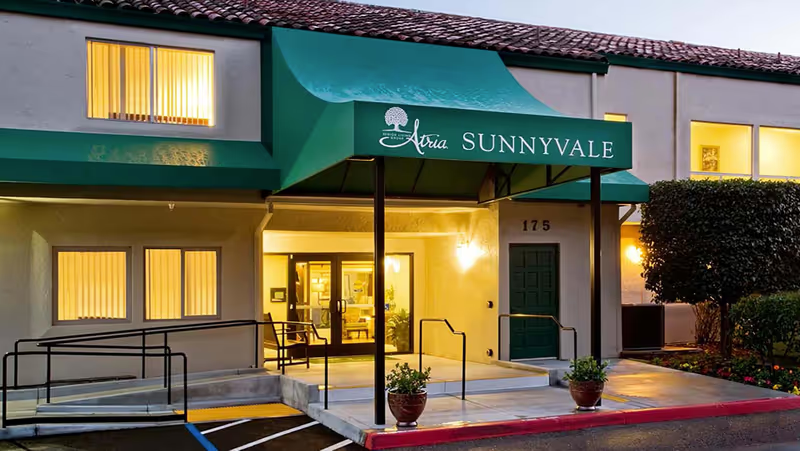
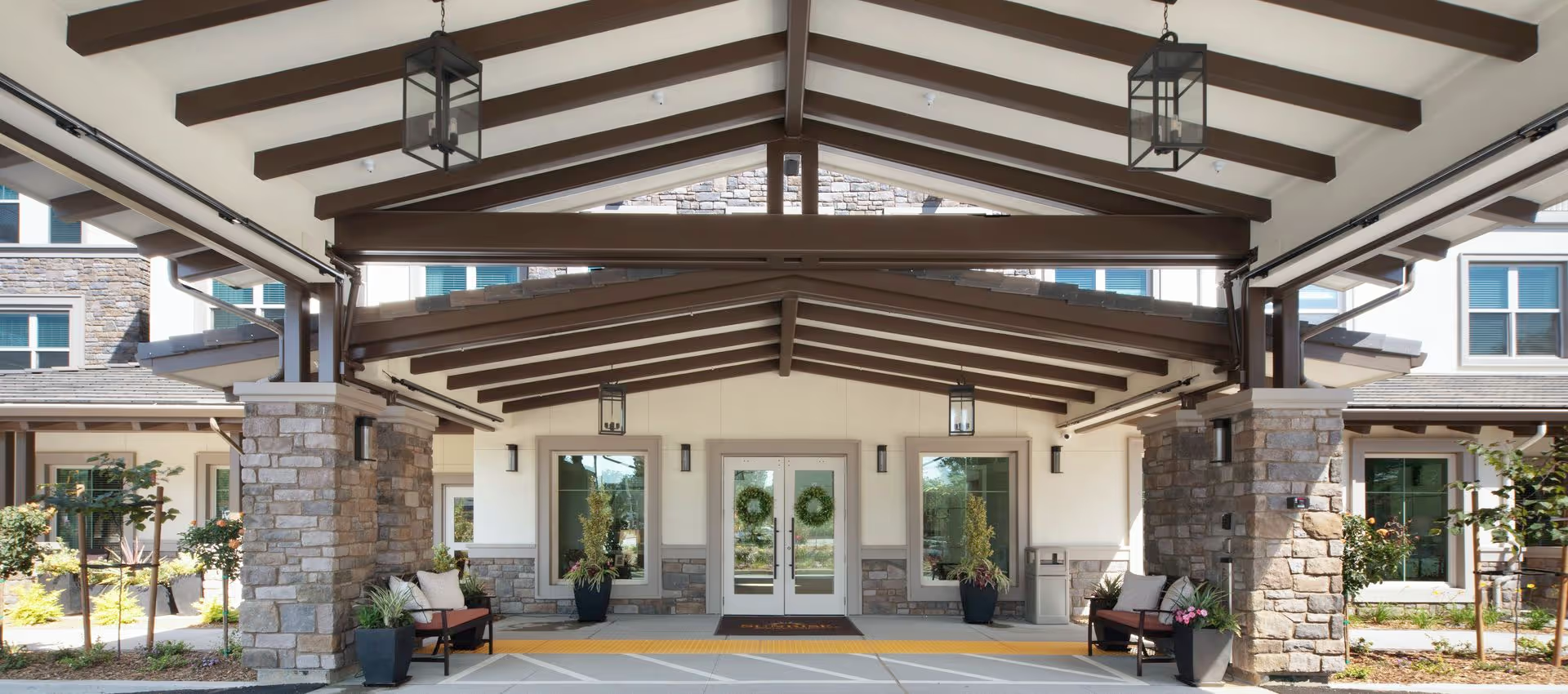
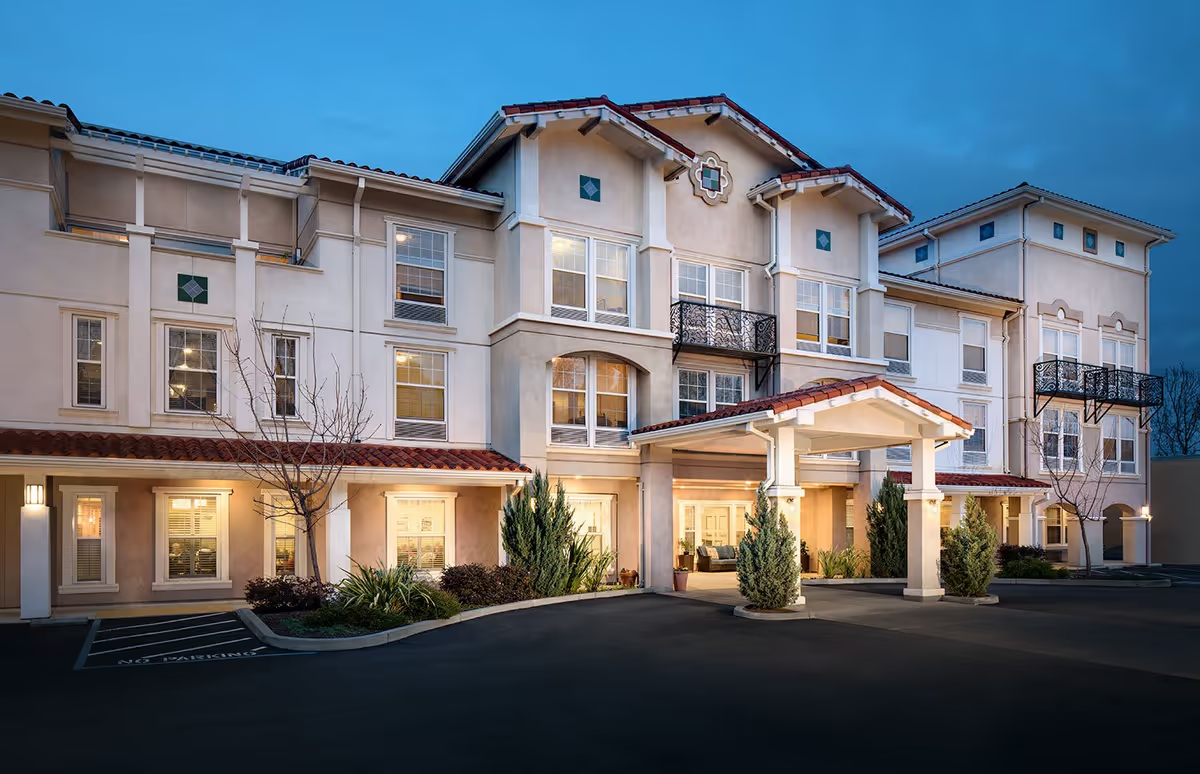
Facility condition is similarly varied: many areas are newly renovated, clean, and home‑like, with bright lobbies, new flooring, and pleasant outdoor spaces; however, reviewers noted older, more institutional wings, parking constraints, intermittent internet/connectivity issues, and isolated odor concerns in certain rooms or corridors. Administrative consistency is another recurrent theme—admissions and certain department staff receive frequent praise, while other departments (pharmacy coordination, phone reception, weekend clinical coverage) were characterized as inconsistent and in need of further corporate or managerial support.
Overall, Sunnyvale Gardens Post Acute presents a combination of clear strengths in rehabilitation, committed caregiving staff, and upgraded amenities, together with operational weaknesses that affect reliability: staffing coverage, communication, medication coordination, and consistent housekeeping/dining execution. Given the polarized nature of experiences, an in‑person tour, direct questions about current staffing levels, therapy schedules, medication‑access procedures, and private‑room availability are advisable for prospective residents and families to assess whether the facility’s current operational practices fit their care priorities.