The reviews describe a facility with a clear split between frontline caregiving and administrative/operational areas. Families consistently note that direct-care staff are friendly and willing to assist, and the building and location are viewed positively. At the same time, several operational gaps — especially around staffing, programing, and administrative transparency — shape the overall experience.
Care quality is characterized by attentive day-to-day staff interactions, but reviewers also raised concerns about coverage and responsiveness during off-hours. Specifically, there are mentions of insufficient overnight awake staffing and limitations in the facility's incontinence-care policies, which can affect timeliness of assistance. Language differences between some staff members and residents/families were also noted as a barrier to clear communication about care needs.
Dining and activities are commonly described as limited. Meal options appear constrained, with some residents finding the menu choices and seasoning levels inconsistent with preferences; reviewers also described practical inconveniences related to food service. Activity programming appears minimal in several accounts, with television cited as the primary available pastime rather than structured social or recreational offerings.
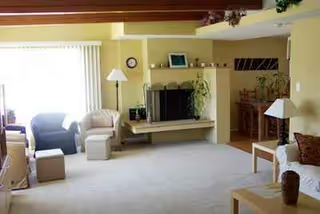
Facility condition and housekeeping receive mixed but generally neutral comments: the house and grounds are seen as pleasant and the shared areas maintain acceptable cleanliness. However, there are specific pest-control concerns reported in resident rooms that suggest a need for more proactive environmental maintenance in some units.
Management and administrative practices are the most frequently criticized area. Reviewers describe difficulties obtaining clear information from leadership, examples of unhelpful communication tone from managers, and disputes related to billing and room changes. There are allegations regarding handling of payments and refunds after resident discharge or end-of-life transitions; these accounts point to a need for clearer written policies and better family communication when financial or placement changes occur.
Taken together, the pattern suggests a facility where frontline caregivers provide a generally positive, supportive presence, but systemic issues in overnight staffing, communication, activity programming, meal flexibility, pest control, and administrative transparency reduce overall reliability. Prospective residents and families would benefit from direct, written clarification of overnight staffing levels, incontinence-care procedures, activity schedules, menu options, pest-control practices, and billing/refund policies before making placement decisions.