Reviews describe a strongly bifurcated experience at Sunnyside Nursing and Post Acute Care Center. A consistent strength is the rehabilitation program: physical and occupational therapy are repeatedly praised for professionalism, punctuality, equipment and measurable progress. Several families singled out individual therapists and social-work staff for effective coordination of care, insurance and discharge logistics. The facility also offers a range of activities, an attractive outdoor courtyard, some recent exterior and administrative upgrades, and visible COVID-19 precautions that contributed to family reassurance in many cases.
Clinical-care accounts are mixed. Many reviewers praised attentive CNAs, nurses and physicians who provided compassionate care and timely medications; others described inconsistent nursing responsiveness, delays in basic assistance, and concerns with medication administration and documentation. Safety-related themes recur: problems with alarm response, questions about transfer and fall-safety practices, and variable attention to wound and skin-care needs. These patterns suggest variability in clinical execution across shifts and teams rather than uniform performance across the facility.
Operationally, families cite staffing challenges and communication gaps. Night and weekend staffing levels are a frequent concern, and the facility phone and family-communication systems are described as unreliable by multiple families. Discharge coordination and post-discharge follow-up were managed well in many cases but inconsistent in others. There are also repeated notes about the tone and conduct of some staff members; while many families praised individual caregivers by name, other accounts describe unprofessional interactions and delays in responding to requests.
Dining and daily-living observations are similarly mixed. Several reviewers reported helpful meal service and weight gain or appropriate nutrition for their loved ones; however, others noted limited meal variety, cold food, frequent use of processed items, and limited fresh-fruit/vegetable options, including concerns about diabetic meal planning. Activities and therapy offerings are generally viewed as a positive counterbalance to these concerns.
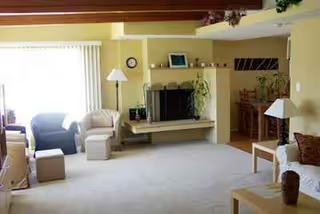
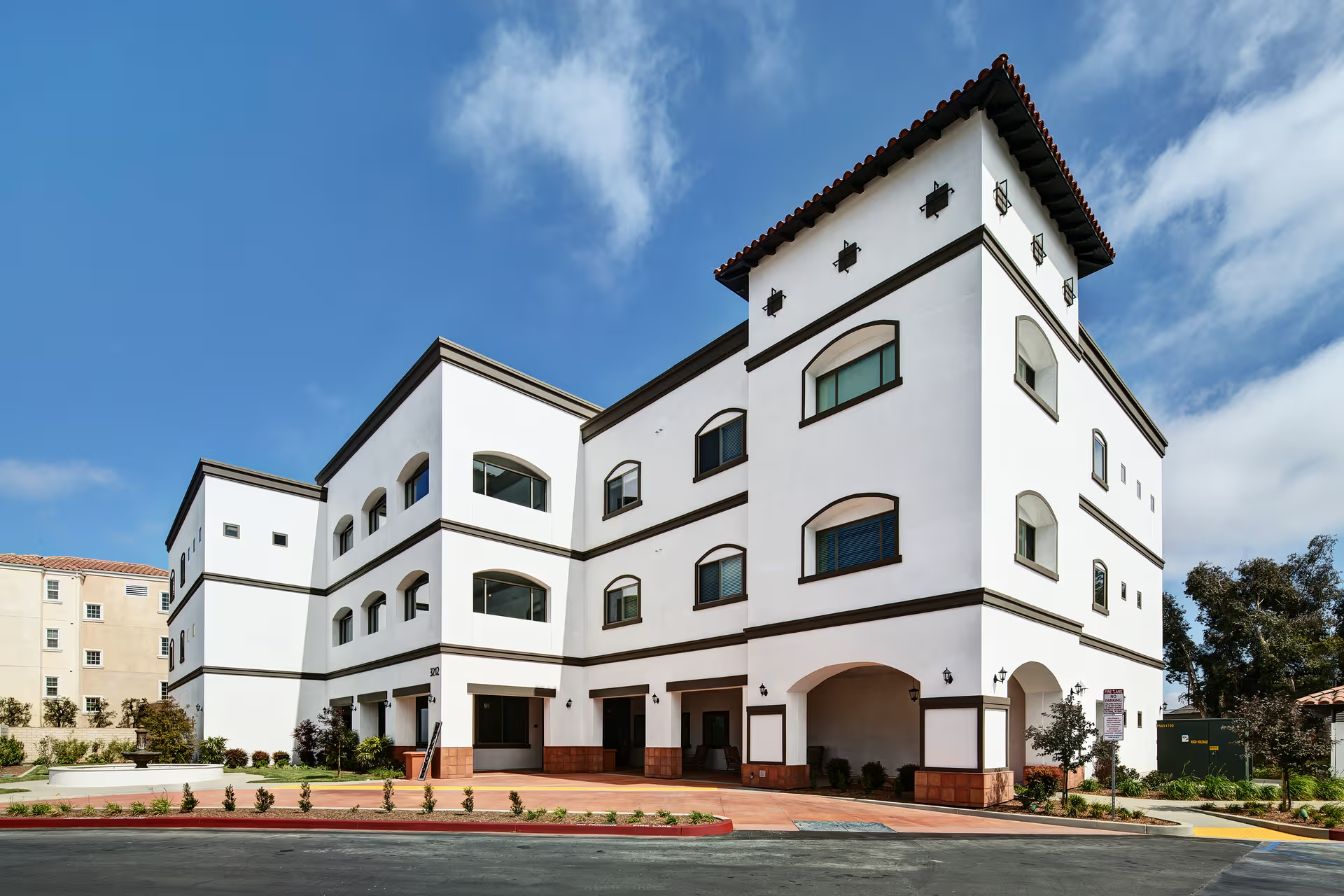
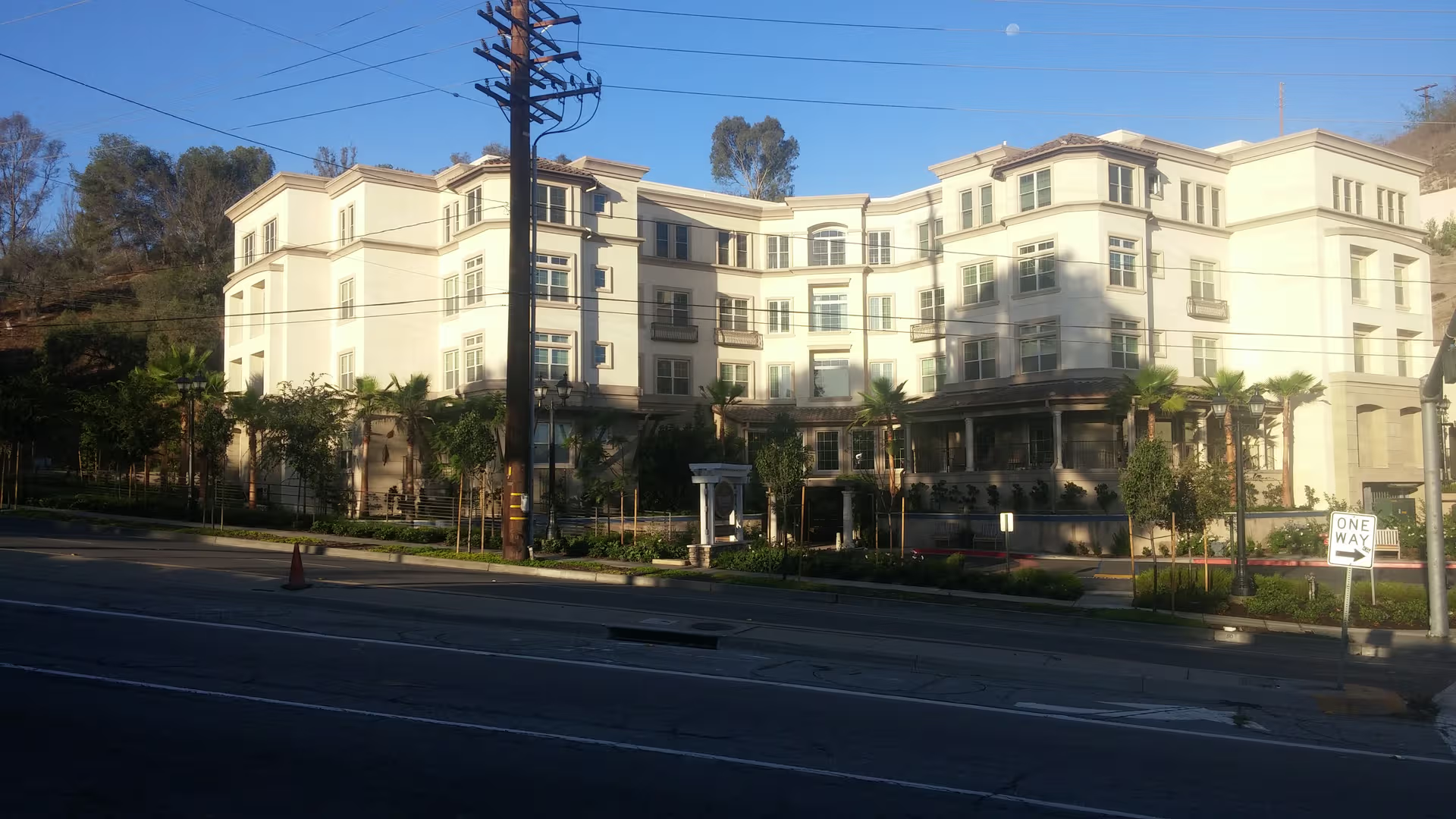
Facility condition feedback ranges from freshly upgraded spaces and a well-maintained exterior to aging interior areas, overcrowded multi-bed rooms, maintenance problems and sanitation or pest-control concerns in some units. Cleanliness and odor concerns were described in particular locations and at certain times, indicating uneven housekeeping performance across the campus. A new rehab wing is noted positively, but some resident rooms and bathrooms were described as in need of attention.
Notable patterns: there is a pronounced split between strong rehabilitation outcomes and inconsistent core nursing/housekeeping operations. Praise for therapists, social services and specific caregivers is frequent and detailed; conversely, persistent operational issues — staffing variability, incontinence-care delays, medication and documentation gaps, and family-communication problems — appear often enough to be a central theme. There are also serious individual allegations (including theft and concerns following resident deaths) that families should treat as high-priority points to investigate further.
For prospective residents and family members: consider observing nursing shift handoffs, asking for current staffing ratios (especially nights/weekends), reviewing medication-administration policies and recent inspection reports, inspecting a prospective room for cleanliness and privacy, and speaking directly with the therapy and social-work teams about rehabilitation goals and discharge planning. Verifying how the facility manages alarms, wound care, incontinence care, and family communication will help clarify whether the operational variability described in reviews has been addressed in the specific unit you are considering.