This facility elicits a strongly mixed set of impressions. Many families and observers praise the rehabilitation services and several elements of daily operations, while others describe operational shortcomings that affect clinical care, communication, and resident dignity. The overall pattern is one of clear strengths in therapy and housekeeping alongside recurrent inconsistencies in nursing and care coordination.
Care quality is uneven. The therapy teams — especially physical and occupational therapy — receive consistent positive mention for improving mobility and delivering measurable rehab gains. At the same time, there are recurring concerns about timely personal care (including incontinence assistance) and medication handling and documentation. Several accounts describe delays in attending to personal needs and lapses in medication communication; these point to operational gaps in direct nursing practice and medication-administration processes rather than to the therapy program.
Staff performance appears polarized. Many reviewers describe friendly, engaged CNAs, therapists, and front-line staff who present a welcoming, family-like atmosphere. Conversely, a portion of families report poor bedside manner, brusque interactions, and inconsistent identification or accountability from nursing staff. This variability often aligns with shift-to-shift differences, suggesting inconsistent training, supervision, or staffing levels across the day.
Dining and nutrition feedback is mixed. Some families note accommodating dietary service, pleasant meals, and responsiveness to restrictions. Other comments highlight inconsistent food quality and occasional service delays. Meal service reliability appears to vary, which may reflect kitchen staffing or scheduling pressures.
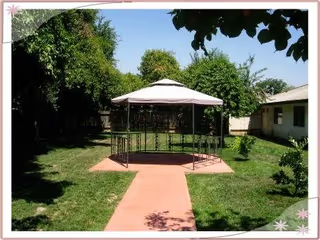
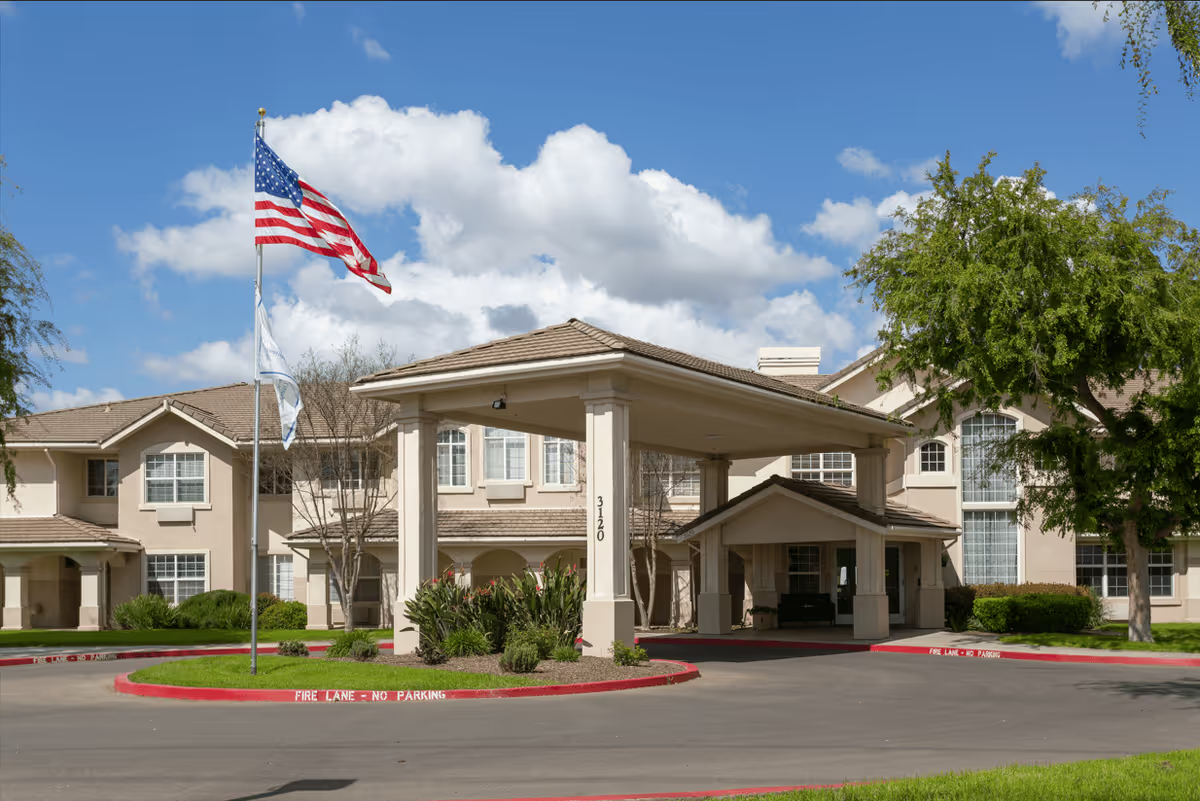
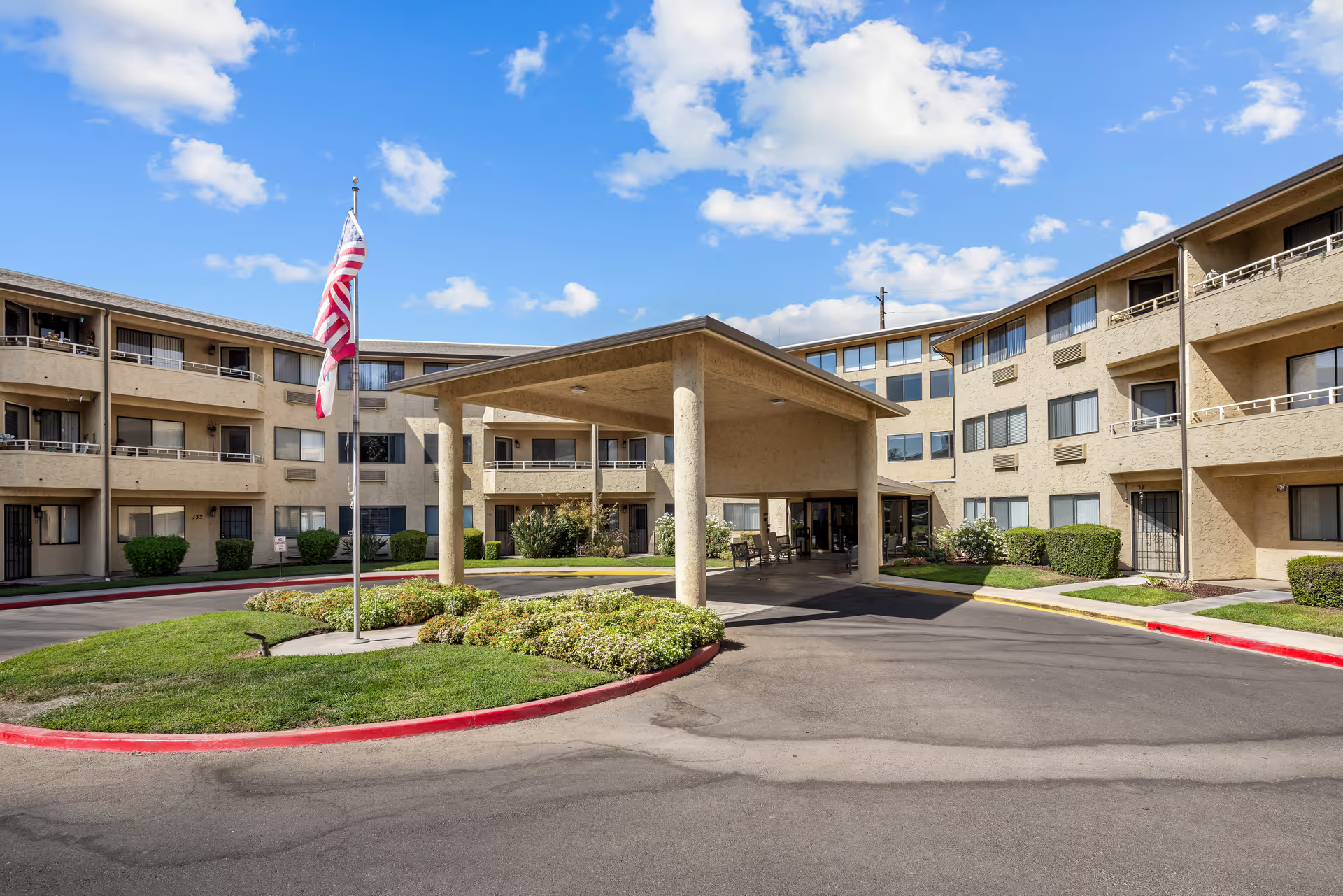
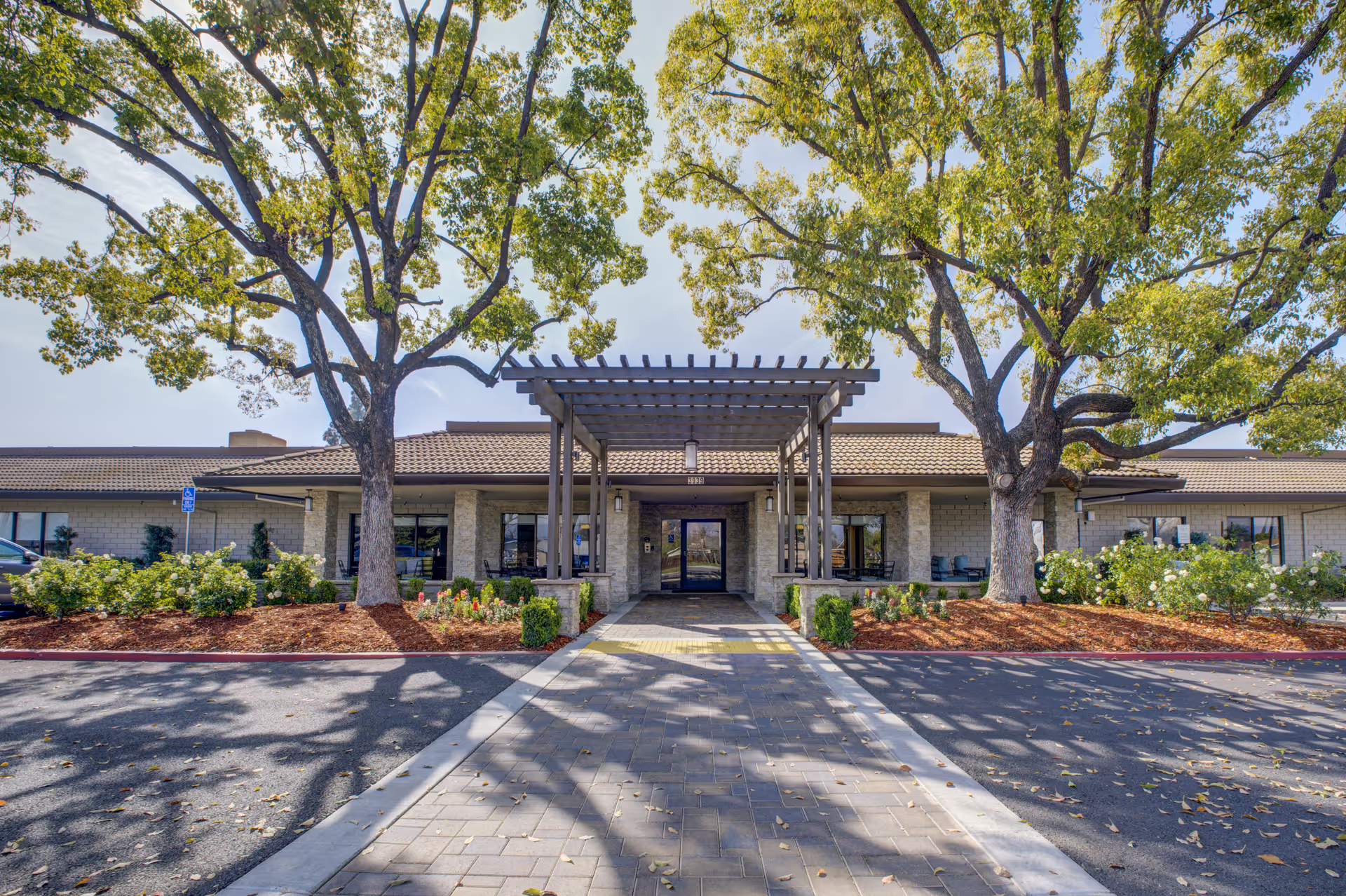
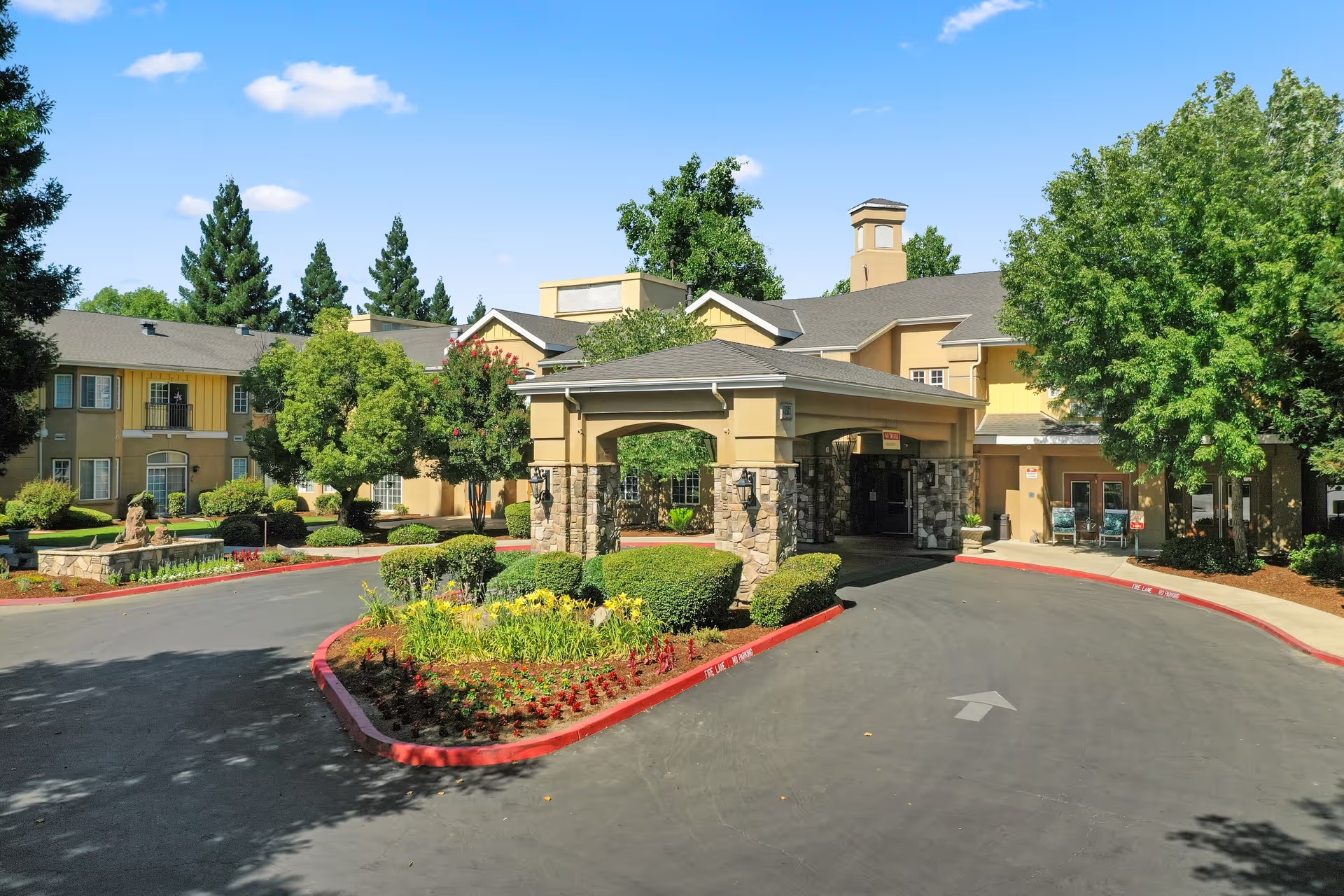
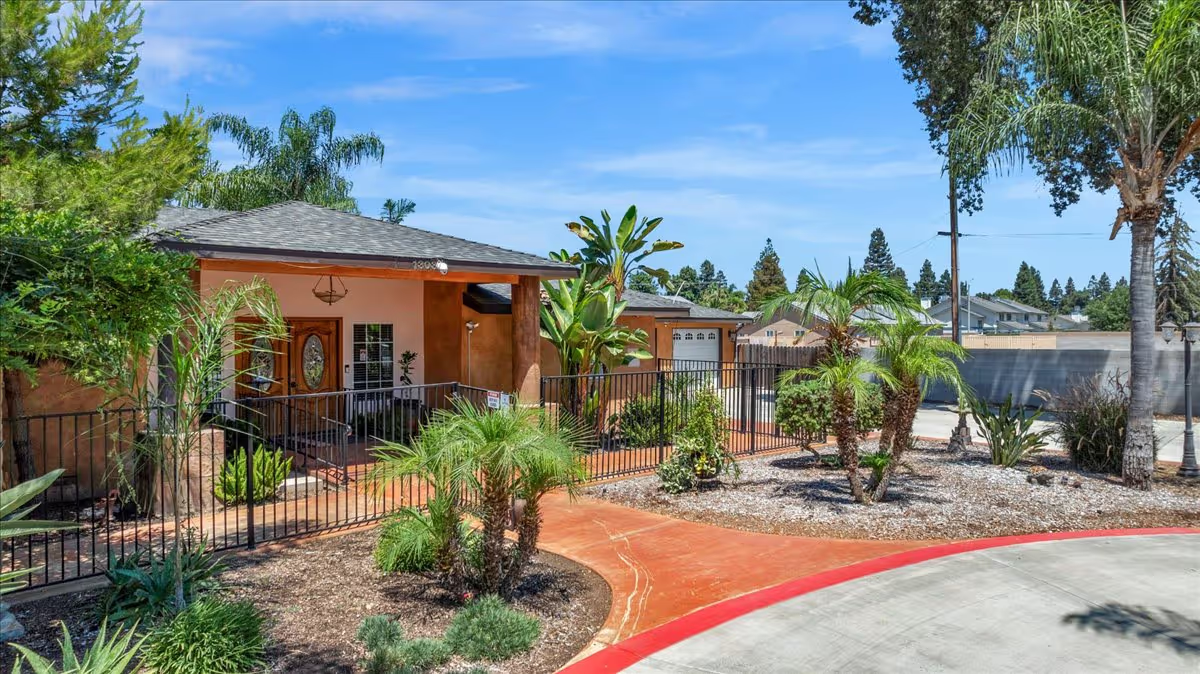
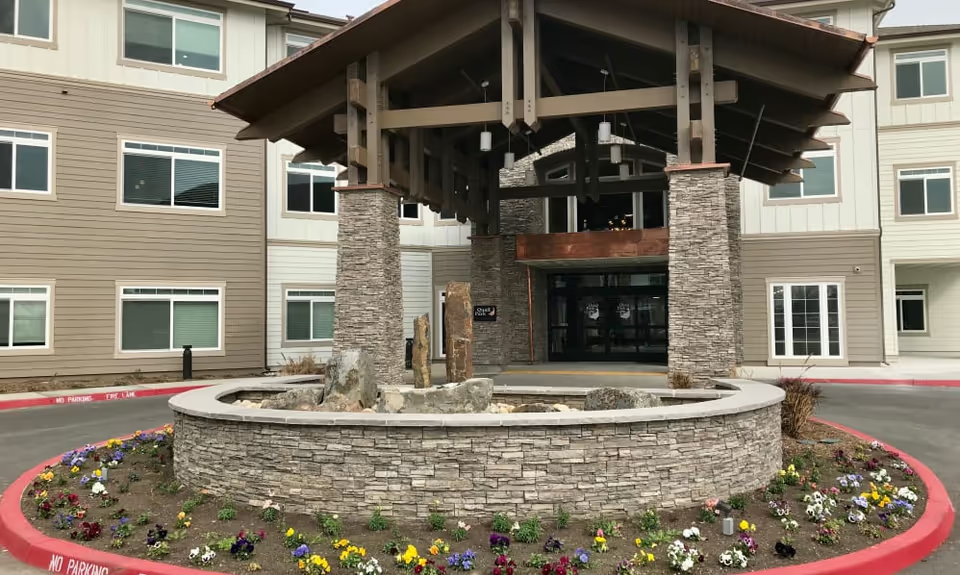
Facility and environment observations trend positive overall: common areas and grounds are frequently described as clean and well maintained, with efficient check-in procedures and helpful front-desk staff. However, some reviews cite sanitation or odor concerns in specific areas and point to shared-room arrangements that limit privacy and can affect perceived dignity for residents and families.
Management and communication show signs of both improvement and deficiency. A number of families praise a visible improvement in atmosphere and describe strong management vision and engagement. At the same time, others report limited visible administrative presence, inconsistent communication about clinical changes or discharge planning, and difficulties getting timely responses by phone or through social services. A small number of reviews reference escalations to external advocates, indicating that some families felt compelled to seek outside intervention.
Notable patterns for prospective residents and families: the facility has demonstrable strengths in rehab and daily housekeeping, and many residents experience compassionate frontline care. Conversely, expect variability in nursing responsiveness and communication; families concerned about medication management, incontinence care, dementia expertise, or shared-room privacy should ask specific questions at intake about staffing levels, shift coverage, documentation practices, and escalation pathways. Where continuity of nursing care and family communication are priorities, verify current staffing and administrative responsiveness before decisions are finalized.