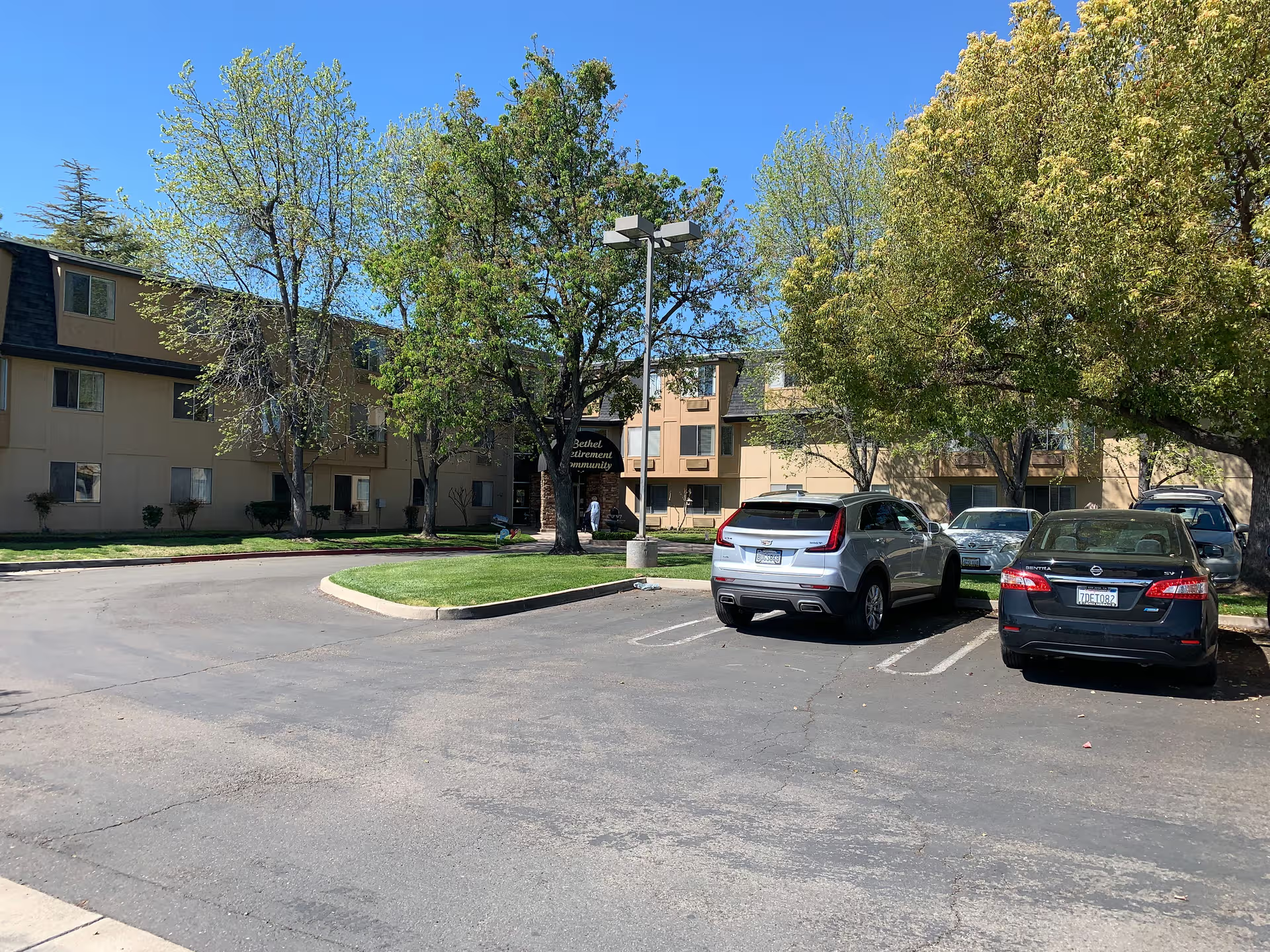
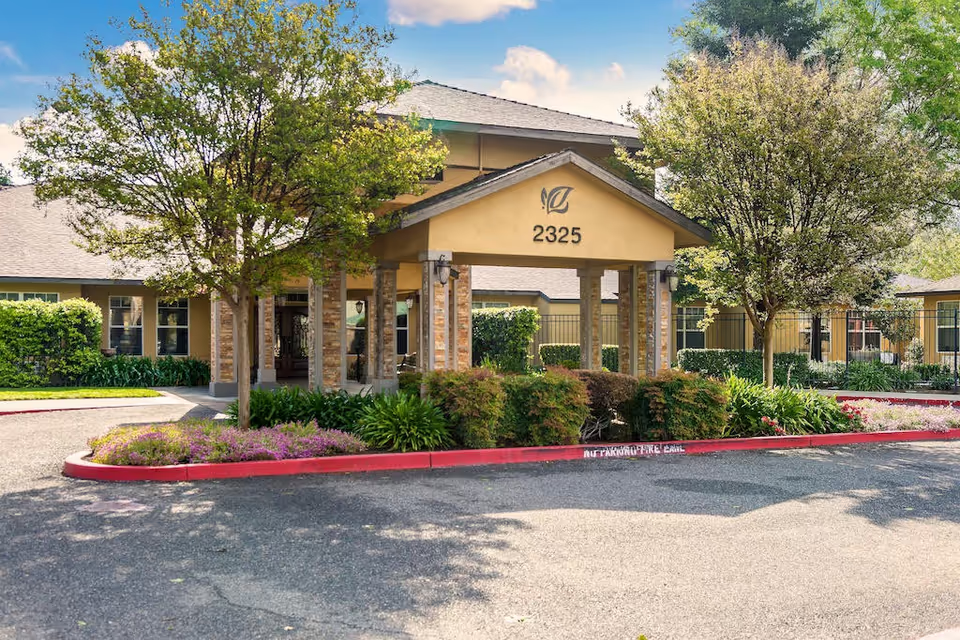
The reviews of Turlock Residential show a mixed but distinct pattern: many families emphasize the strength of the caregiving team and the facility’s community feel, while others raise operational concerns that affect confidence in day-to-day consistency. Positive comments focus on compassionate, attentive staff, strong hospice coordination, and a generally clean, home-like environment. Housekeeping and dining staff receive repeated praise from families, and several reviewers described the facility as welcoming and reasonably priced.
Care and staff: There is clear praise for compassionate, attentive caregivers and for how staff handle end-of-life needs and hospice coordination. Many families expressed that direct-care staff were kind, accommodating, and effective in daily assistance. At the same time, a number of reviewers described uneven care quality and gaps in responsiveness — for example, limited staff availability during tours or off-hours, unexpected late-night calls, and uncertainty about following clinical orders outside routine hours. These comments point to variability in staffing patterns and shift coverage rather than uniform practice across the facility.
Dining and activities: Dining impressions are mixed. Some residents and families enjoy the food and meal service, while others found the quality inconsistent and expressed a desire for healthier menu options. The activities program received positive notes for offering a variety of events, and families reported that activity staff addressed issues promptly when they arose.
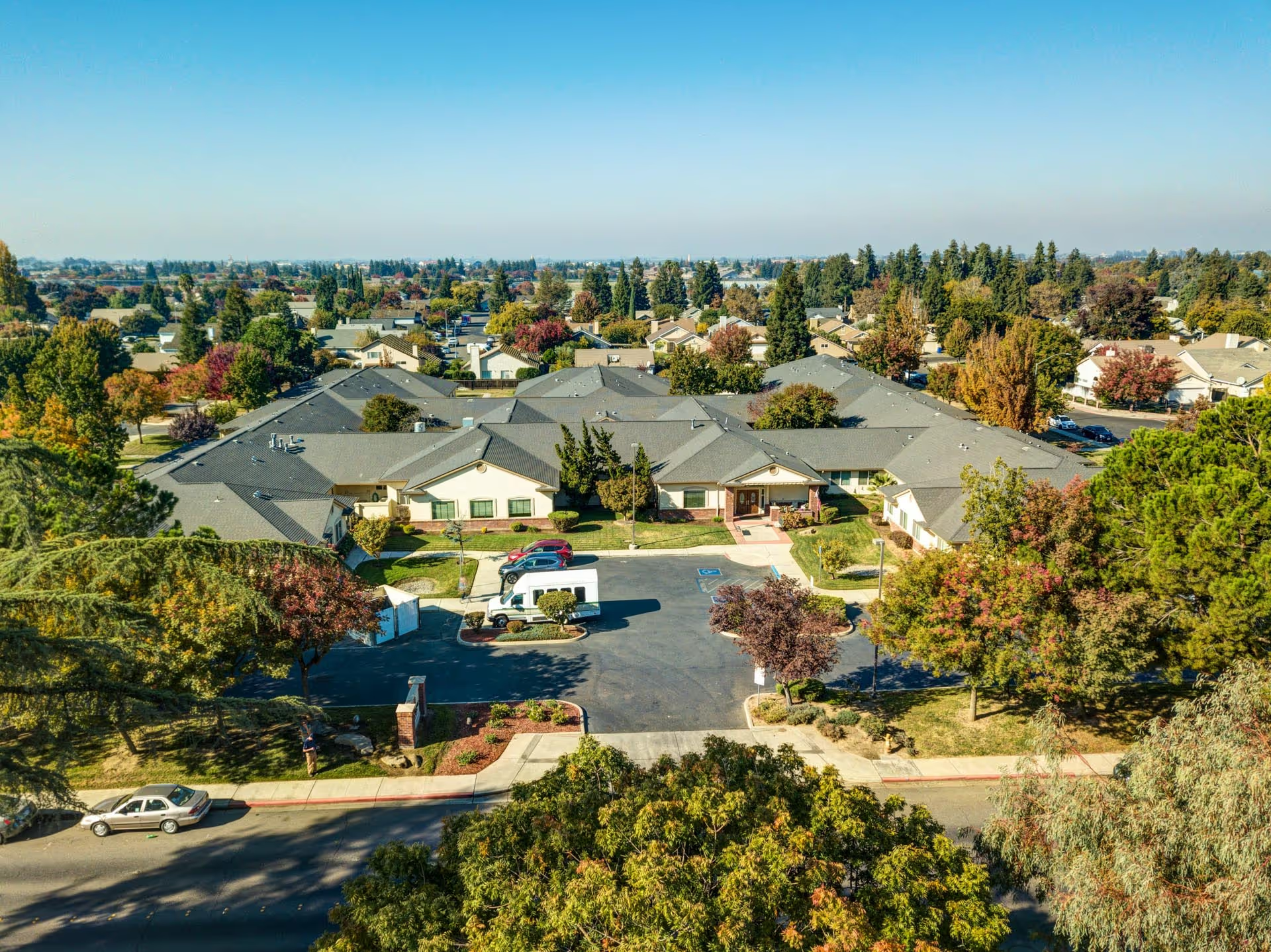
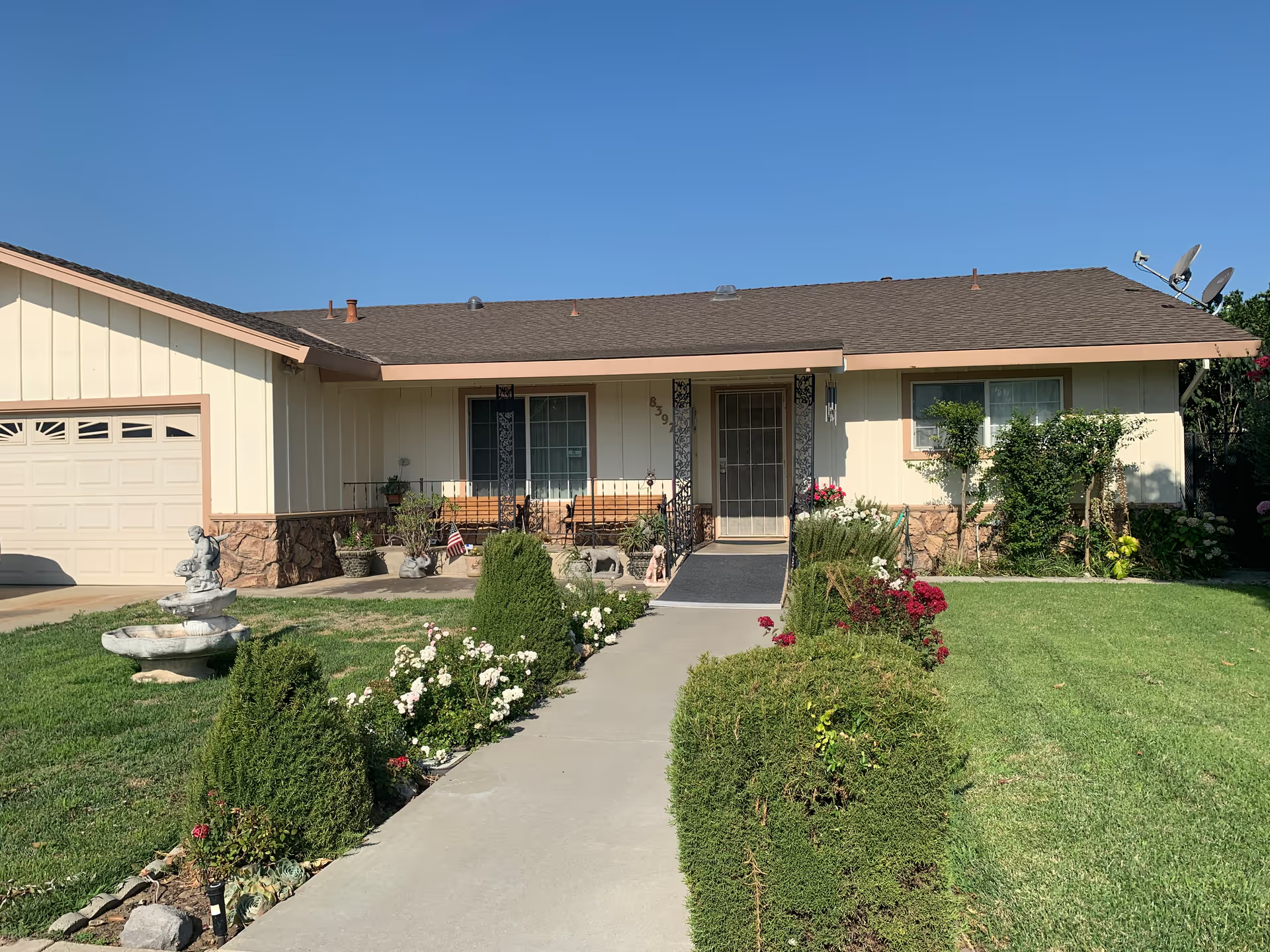
Facilities and housekeeping: Common areas and general upkeep are often described as clean and well maintained, contributing to a home-like atmosphere. However, other reviewers noted sanitation and housekeeping lapses in certain areas and resident rooms — examples included carpet cleanliness and missing toiletries — which indicate uneven implementation of housekeeping standards. Facility size and room layout were also mentioned as limiting: some units are described as small with constrained private space. Additionally, there were concerns about smoking occurring in rooms or hallways, suggesting gaps in policy enforcement.
Management and communication: Feedback about management is polarized. Several families praised management as caring and accommodating, while others reported dissatisfaction after management changes, describing communication gaps and limited follow-up after a resident’s death. These contrasts suggest turnover or inconsistency in leadership practices and family communication protocols.
Notable patterns and guidance for prospective families: The dominant theme is variability — strong, compassionate front-line care and a pleasant community environment coexist with inconsistent operational controls (staffing coverage, housekeeping thoroughness, dining consistency, and policy enforcement). Prospective residents and families should consider an in-person visit that probes specific operational areas: ask about night and weekend staffing and response times, request a tour of actual resident rooms to assess size and cleanliness, inquire about smoking policy enforcement, review menus and options for healthier meals, and clarify management continuity and bereavement or post-discharge communication practices. These targeted questions can help determine whether the facility’s strengths align with a family’s priorities and whether the noted inconsistencies have been addressed.