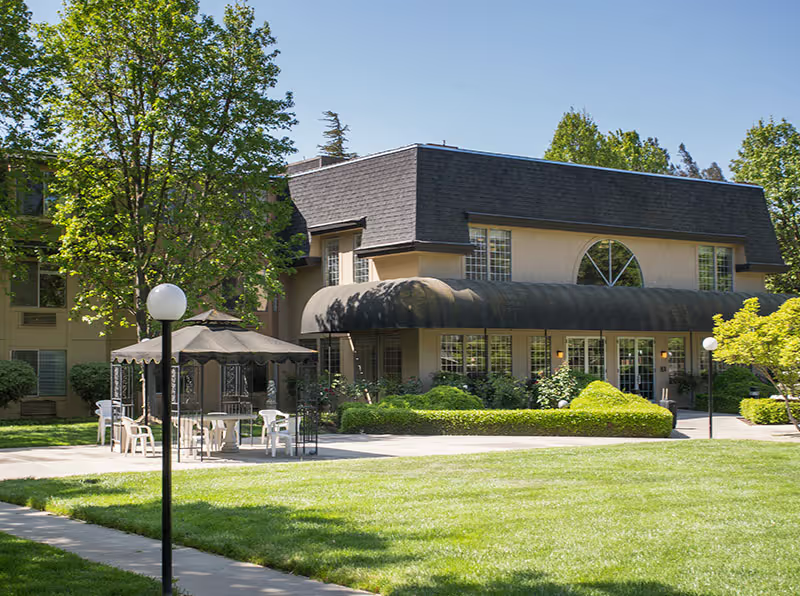
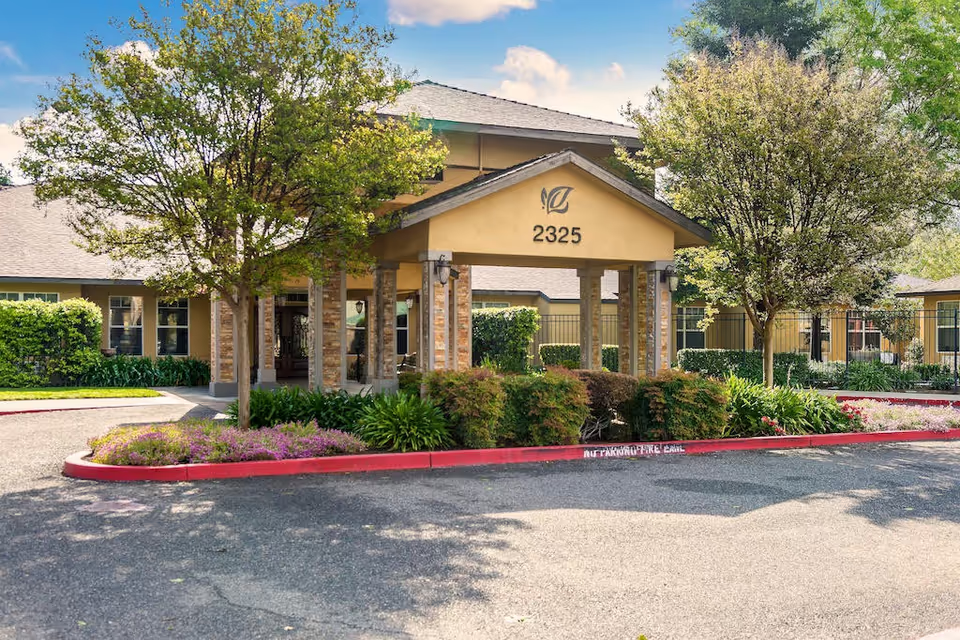
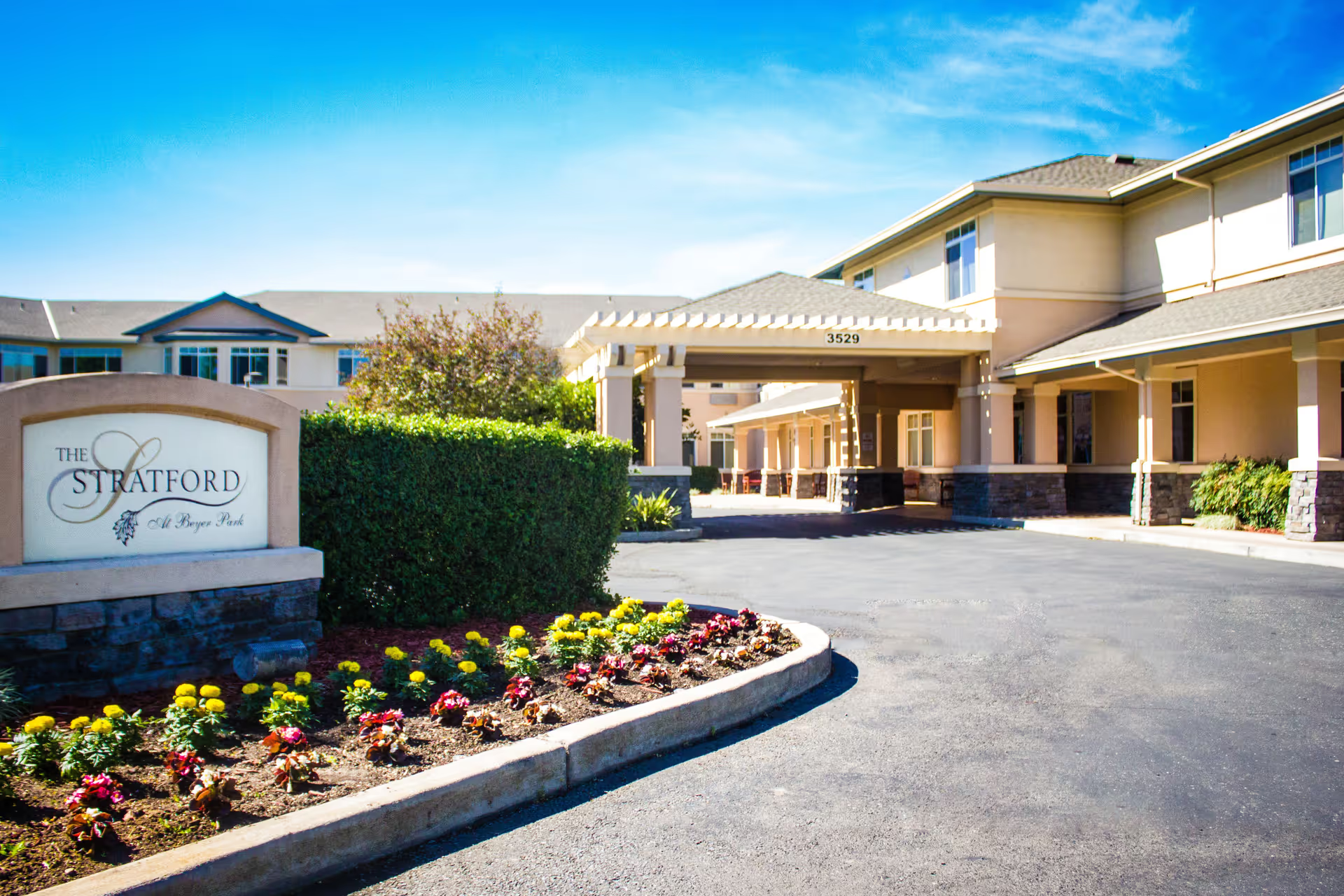
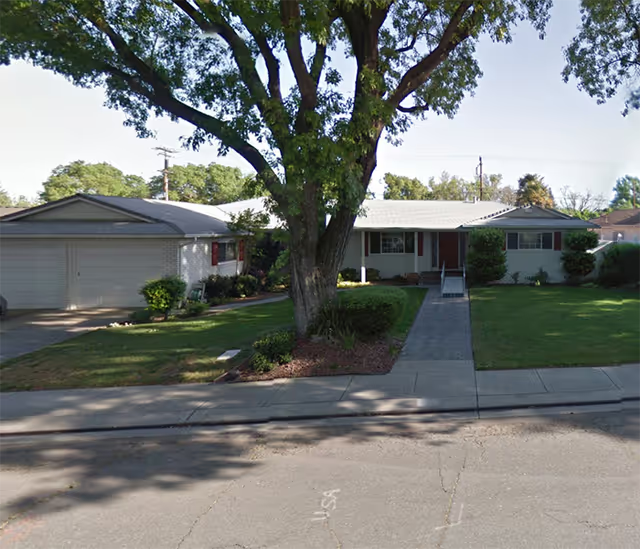
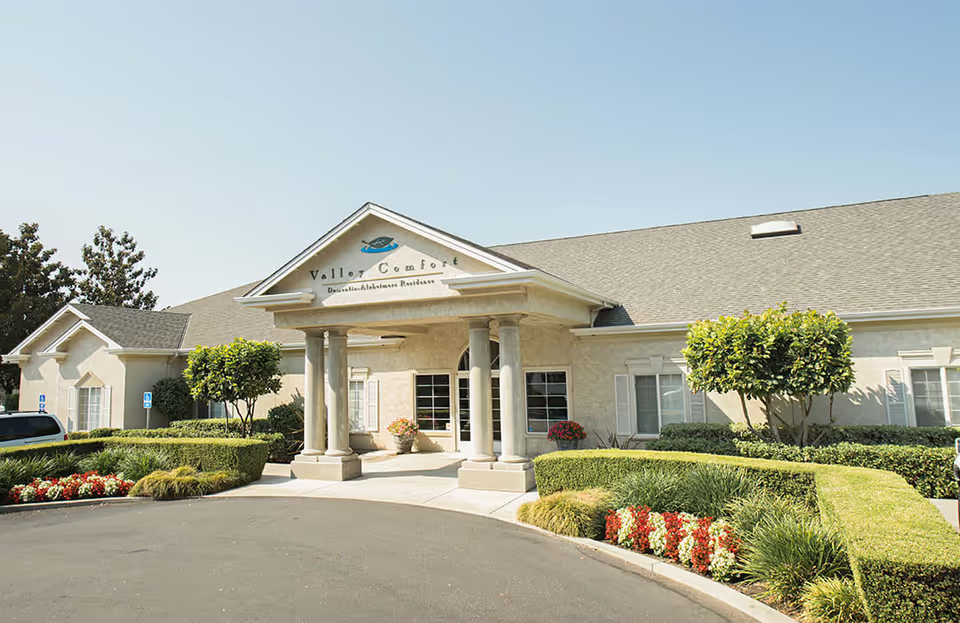
Golden Age Home Care is described across reviews as a small, home-style residential setting that emphasizes an intimate, family-like atmosphere. The facility appears to operate with a low census (around six residents), which reviewers link to a more personal day-to-day environment and greater continuity of caregivers. The physical environment is consistently described as clean, well-furnished and well-maintained, with an on-site kitchen and dining area that supports regular communal meals.
Care quality and staffing are the most frequently cited strengths. Reviewers describe caregivers as attentive, kind and supportive, and they note long-term staff relationships that contribute to continuity of care. Several accounts highlight individualized care plans, staff familiarity with residents' medical situations, on-site nursing and physician visits, and availability of hospice services — all of which point to a model focused on personalized medical oversight rather than institutional scale. Families reporting health improvements, weight gain and consistent monitoring frame these outcomes as evidence of effective daily care and clinical coordination.
Dining and cultural fit are recurring positives. The facility provides fresh daily meals prepared on-site; language-concordant staff and cooks were specifically noted as enhancing comfort and communication for residents who share that language. Room configurations include shared-room options that families used to keep couples together. Overall management and front-line staff are characterized as accommodating, thoughtful and responsive; reviewers describe custom care planning and supportive communication with families.
The principal operational limitations cited relate to the small residential model itself. Activity programming is described as limited; prospective residents who prioritize a robust schedule of group activities or extensive on-site amenities may find offerings constrained. Private-room availability also appears limited due to the facility's scale. Additionally, while clinical oversight is present (nurse/doctor visits and hospice), the small-house model may be less suitable for individuals who require continuous, high-acuity institutional services. For families considering this provider, recommended follow-up questions include current activity schedules and examples of engagement, availability of private rooms, and the facility's process for managing higher-acuity clinical needs or changes in condition.