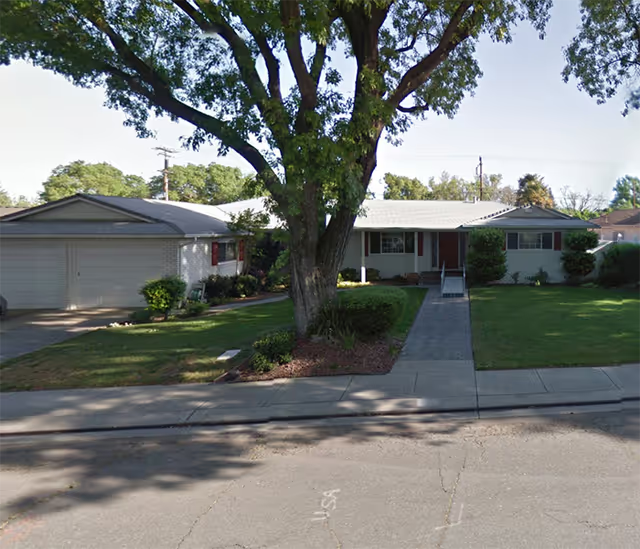
The Gardens of Modesto is described by many families as a well-appointed memory-care community with notable strengths in dementia-focused care, compassionate staff, and a home-like, small-neighborhood layout. Reviewers commonly highlight the facility’s clean, well-maintained interior, attractive dining and common spaces, and thoughtfully landscaped outdoor paths. Several remarks emphasize staff who understand dementia care, provide respectful interactions, and support family involvement and hospice needs.
Care quality and staffing present a mixed picture. Positive comments describe attentive, knowledgeable caregivers and nurses, personalized approaches to residents’ moods and needs, and a willingness among staff to engage with families. However, a recurrent operational concern is inconsistent staffing levels and staff continuity; this has been associated with slower responsiveness at times, particularly at night or in common areas. Reviewers also raised issues that reflect opportunities for improved clinical oversight, such as gaps in fall-prevention practices and in incident-response workflows.
Dining and daily care receive varied feedback. Many families praised the meal program and the availability of snacks, while others described variability in meal quality and interruptions to meal-service continuity. There are also notes about inconsistent housekeeping and incontinence-care practices and occasional odor concerns in specific areas; these indicate uneven execution of sanitation and janitorial protocols rather than a uniform condition across the community.
Activity programming and social engagement are overall strengths: the community offers puzzles, poems, physical exercise, music, and structured activities that families say help residents stay engaged. That said, some families experienced periods where activity options were less structured or staffing limited participation, indicating variability in program delivery.
Facility design and accommodations are generally well liked: reviewers cite a modern, immaculate building, secure entrances appropriate for memory care, and companion-apartment options that promote social connection. A consistent operational limitation is the availability and size of private rooms—rooms are described as small, with limited closet space and few single-room options, which may affect residents who require more personal space or furnishings.
Management and administration impressions are mixed. Numerous families report clear, responsive communication and hands-on support, especially during transitions and end-of-life care. Conversely, other accounts describe management indifference, abrupt rate increases, and, in at least one instance, an allegation of a financially motivated discharge; such reports point to concerns about transparency in billing, fee stability, and communication during difficult decisions. Prospective families should inquire about current ownership, rate-change policies, and grievance/appeal procedures.
In summary, The Gardens of Modesto is frequently praised for its dementia expertise, compassionate staff, attractive environment, and meaningful activity programming. These strengths make it a strong candidate for families seeking memory-care services. At the same time, consistent themes around staffing adequacy, sanitation consistency, meal-service variability, limited private-room availability, and occasional managerial communication lapses suggest areas to probe during a tour. Prospective residents and families would benefit from observing staffing levels at different times, reviewing housekeeping and incontinence-care protocols, asking about fall-prevention and incident-response policies, and clarifying fee and rate-change terms before deciding.