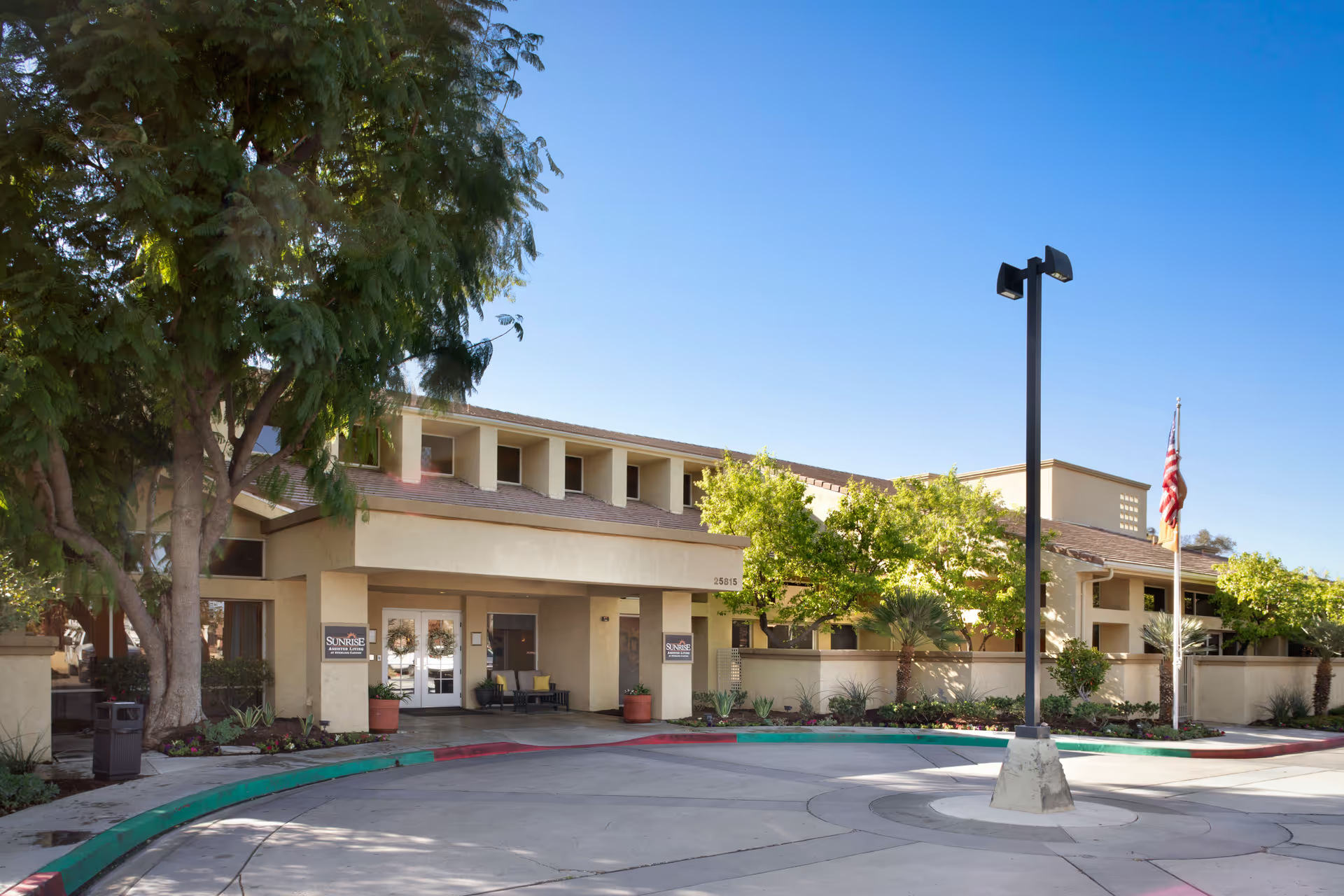
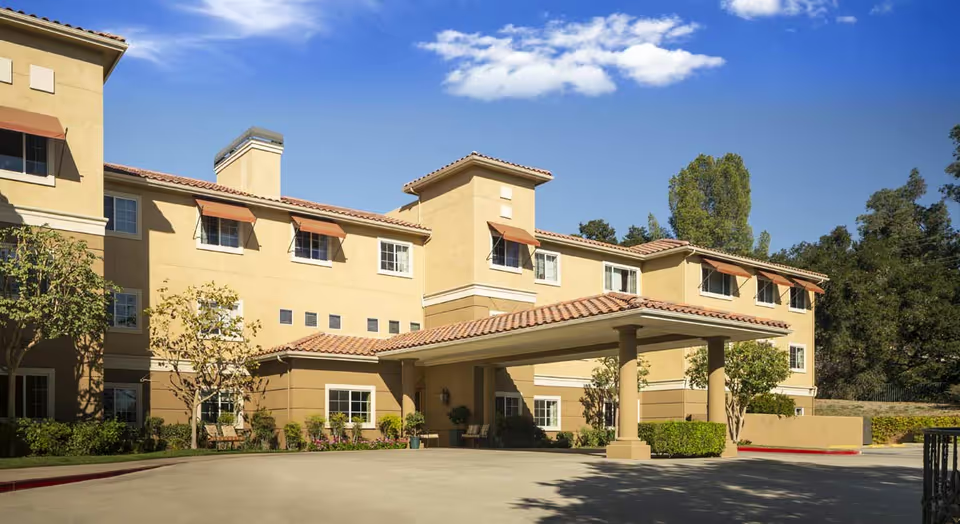
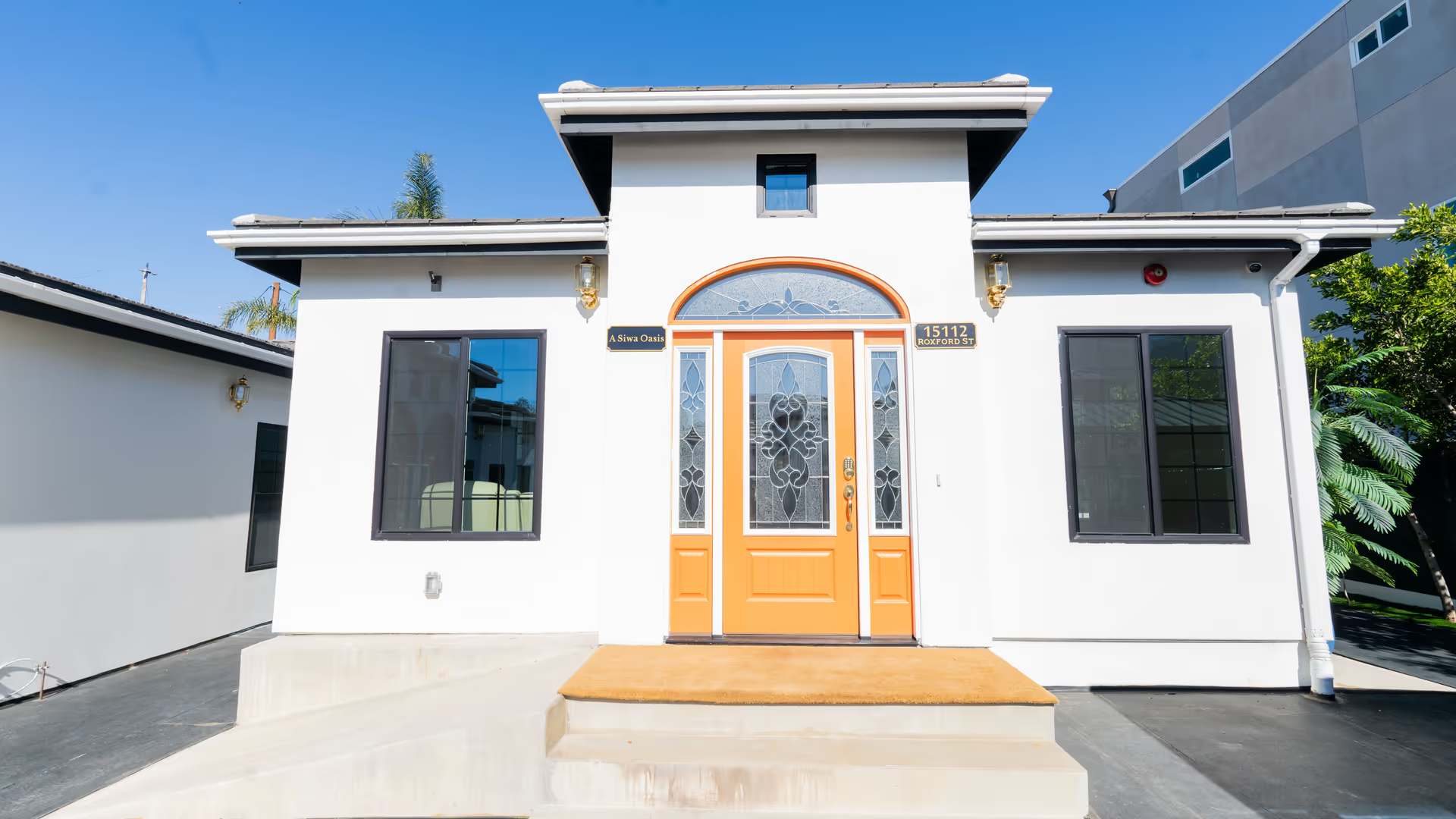
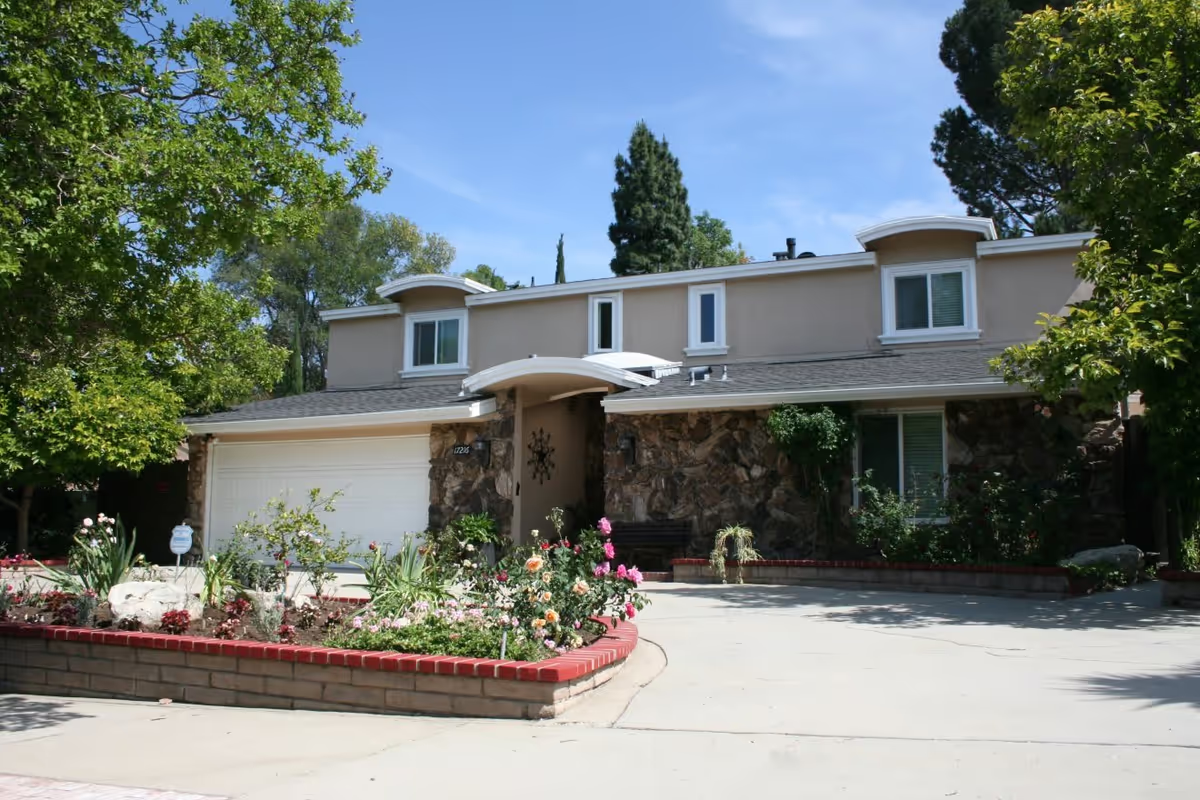
Canyon View Residential Care Facility presents a mix of strengths centered on clinical attentiveness and a home-like environment. Families consistently note compassionate, well-trained caregivers, daily licensed-nurse involvement, medication management, and 24-hour oversight supplemented by hospice and home-health coordination. The facility's family-owned structure with an on-site administrator appears to support accessible communication and a steady management presence. Several reviewers credited the staff with sensitive end-of-life care and with creating peace of mind for families when clinical needs were significant.
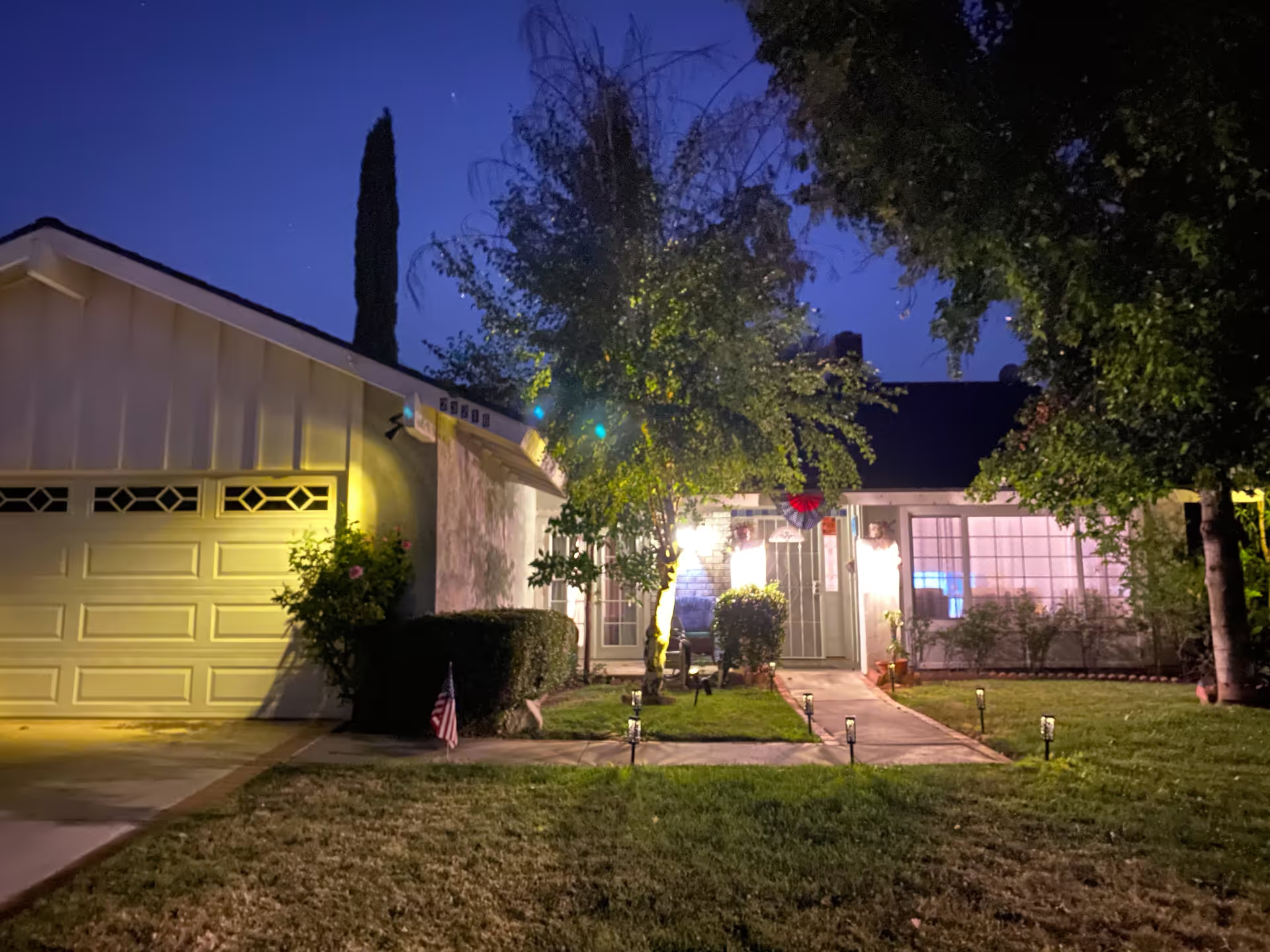
Dining and dietary accommodation are clear strengths. Reviewers describe personalized meals, the ability to accommodate vegan and lactose-free diets, pleasant communal dining, and generally good food quality. Housekeeping and laundry services are available, and the physical plant is described as clean, organized, and homey, with large, naturally lit rooms, useful floor plans, and a landscaped outdoor patio that contributes to a residential feel. The facility's pet-friendly policy — including keeping a resident's cat — was repeatedly mentioned as a positive for resident quality of life.
Areas of operational concern cluster around social engagement and staffing consistency. While some reviews reference daily activities and compassionate one-on-one attention, a recurring pattern describes limited or inconsistent social programming: residents described as listless or often alone, insufficient staff-initiated interaction, and gaps in holiday or specialty activities. Relatedly, several accounts indicate periodic understaffing or times when staffing levels did not support more active engagement; this was perceived to affect opportunities for stimulation and, in a few accounts, the provision of some household supports. There is also variation in dementia-specific stimulation — some families praise dementia-trained caregivers, while others would like more proactive behavioral and engagement programming tailored to cognitive needs.
Facility-level operational items for prospective families to evaluate further include the consistency of staffing and programming across different shifts, the specific activity calendar and holiday offerings, and how household tasks and ADL assistance are allocated for residents with higher dependence. Also note reports of dim lighting in parts of the common living area and comments about cost relative to some families’ budgets. Overall, Canyon View appears to provide attentive clinical care and a welcoming physical environment, with the most notable gaps relating to consistent social engagement and predictable staffing for more active programming. Families should confirm current staffing patterns, activity schedules, and dementia-specific programming during a visit to assess fit for their loved one’s social and clinical needs.