Home Sweet Home II elicits mixed impressions. Many families emphasize the presence of compassionate caregivers, strong individual staff members, and reliable transport to medical appointments. At the same time, several operational weaknesses are evident: inconsistent staff responsiveness, variability in assistance with meals and hydration, and limited engagement for residents with cognitive impairment. These patterns create a split view of the facility’s overall performance.
Care quality appears to hinge on individual caregivers. Multiple comments praise particular staff members and note effective handling of residents with difficult behaviors, suggesting there are competent, attentive team members on site. However, there are also accounts of staff who display impatience or limited dedication, especially with residents who require more hands-on or dementia-specific care. Prospective families should expect variability in day-to-day interactions and consider asking about staff training, ratios, and supervision protocols.
Dining experiences are similarly mixed. Several families described enjoyable meals and a family-kept informed about meal preferences, while others described inconsistent assistance with eating and minimal hydration outside scheduled meals. The combination of positive meal quality and lapses in feeding support indicates that nutritional and feeding assistance practices may not be uniformly applied; clarifying how the facility assesses and supports residents with feeding or swallowing needs would be prudent. There were also isolated instances indicating weaknesses in managing personal items, which points to a need to confirm the facility’s procedures for documenting and securing residents’ belongings.
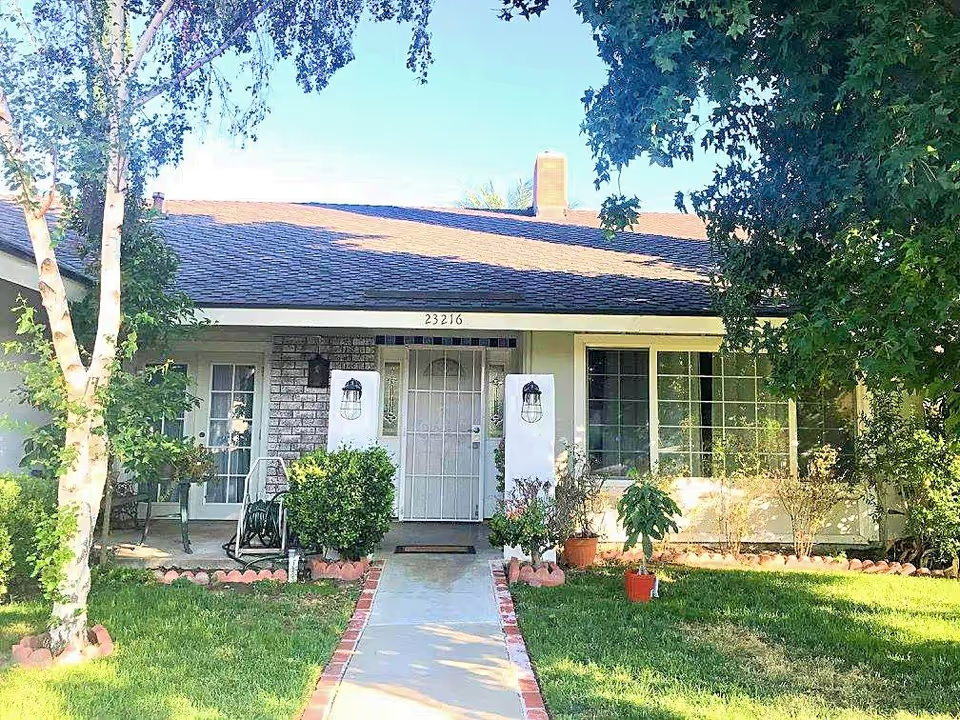
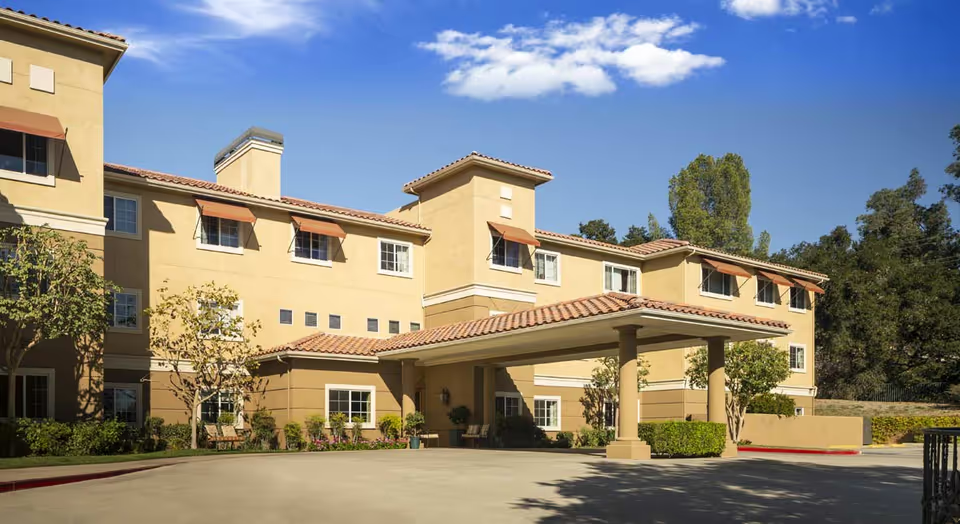
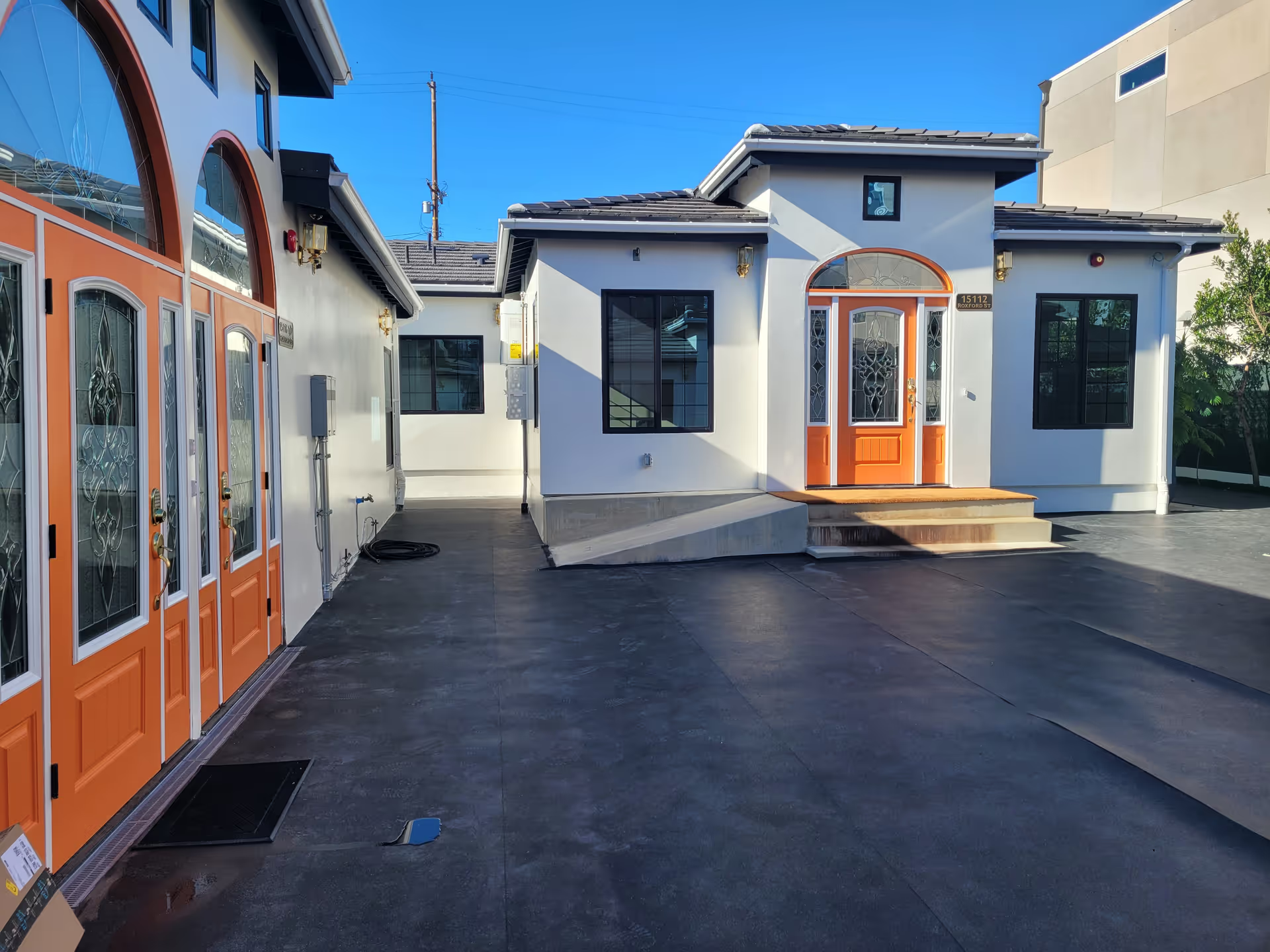
Activity programming and the dayroom environment raise additional concerns. Some reviewers noted limited interaction and a tendency toward passive, television-centered activity, which may not meet the needs of residents who benefit from structured socialization or dementia-focused engagement. The facility is described as not new, which can translate to fewer modern amenities or need for updates; however, its small-house feel may be a match for families seeking a homelike setting rather than a larger, institutional environment.
Management and continuity factors are mixed. Several families praised the director and a proactive approach to family communication. At least one operational transition (a house closure with staff transferring to another home) was mentioned, indicating potential continuity risks during organizational changes. Value for money was noted by some reviewers, but often qualified by the facility’s service limitations.
In summary, Home Sweet Home II may be a reasonable option for families who prioritize compassionate individual caregivers, close family communication, and reliable transport services, and who accept a smaller, older-home environment. Families of residents with higher needs for dementia-specific programming, consistent feeding and hydration support, or strict personal-item controls should verify staffing practices, training, and continuity plans during a visit and ask for specific policies and examples of how these needs are met on a daily basis.