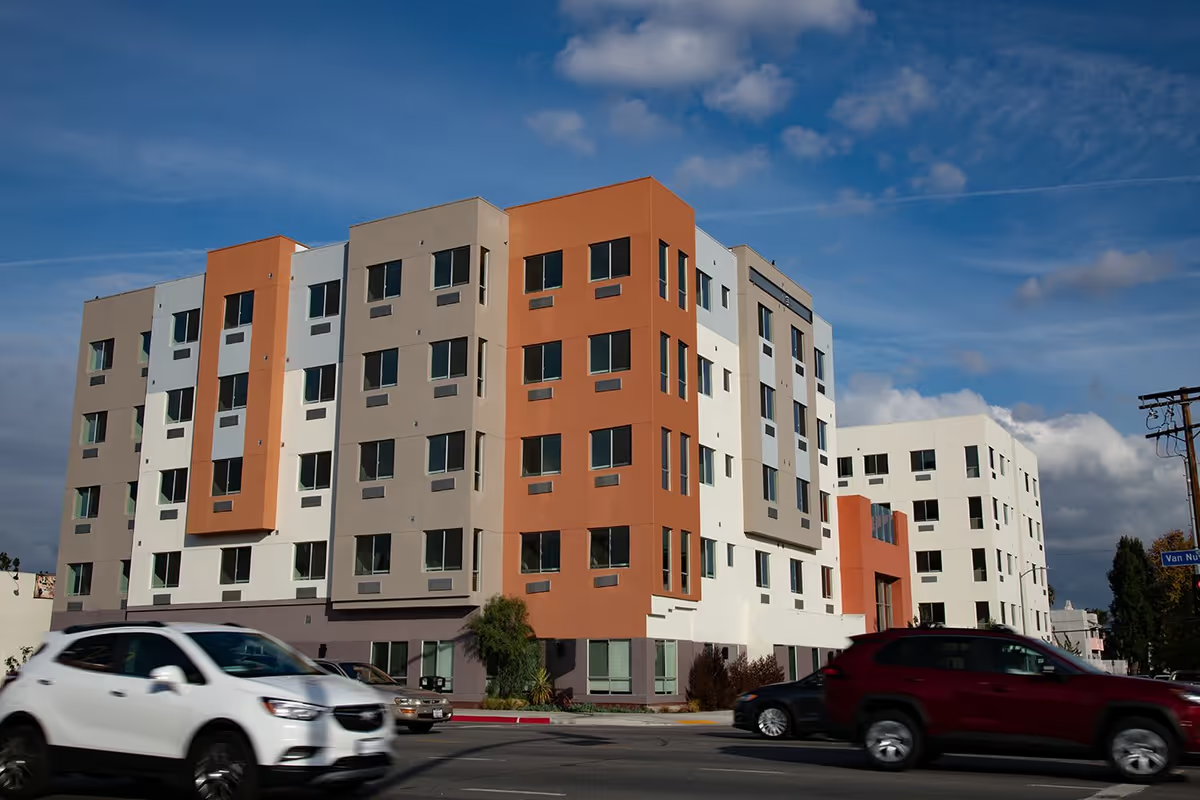
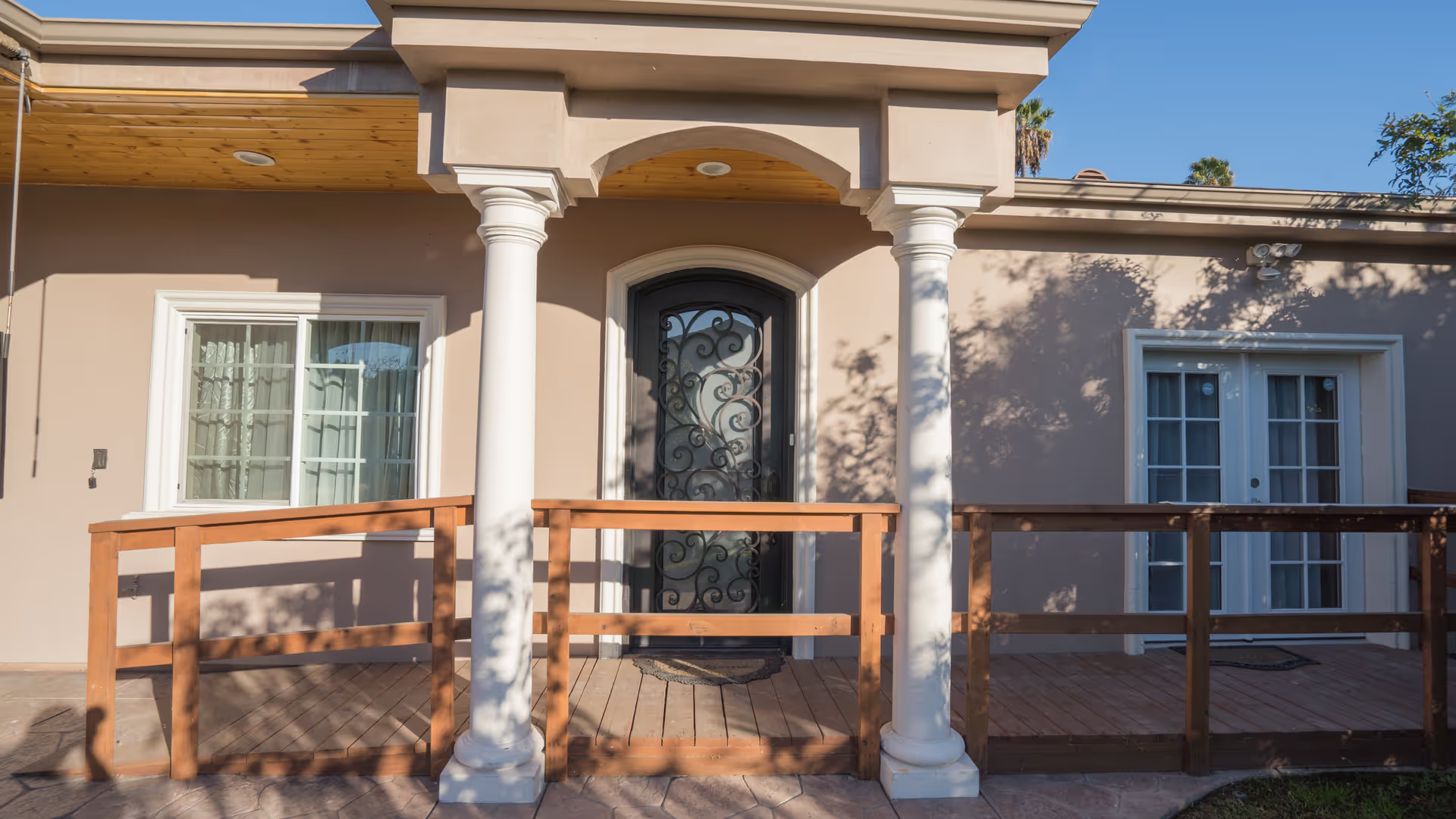
Overall impression: The Care Center on Hazeltine is described primarily as a small, well-kept facility with a strong emphasis on recovery and individualized attention. Reviewers consistently highlight compassionate, attentive nursing staff and an active clinical services program that includes physical, occupational, and speech therapy. Admissions coordination and social-work support are frequently mentioned as strengths; several accounts praise the administrator and social worker for being helpful and informative. The facility's scale contributes to a homelike atmosphere and close staff–resident interactions.
Care and clinical services: Many families report that nursing and therapy teams focus on recovery and rehabilitation, providing regular updates to families and tailored therapy plans. The presence of on-site therapy services and routine nursing oversight is a recurrent positive theme. However, a small number of reviews raised serious clinical-response concerns—examples include delayed hospital transfer coordination and issues around management of infections. These appear to be isolated but significant to those involved; prospective families should inquire specifically about the facility's acute-incident protocols, transfer procedures, and physician-communication practices during visits.
Dining and activities: Activity programming is a clear strength: daily activities, social events, movie nights, and organized outings are frequently noted, as are personal-care services such as hair and nail appointments. Dining impressions are mixed. Several reviewers praised regular-diet meals, while others described inconsistent meal quality and menu suitability—common critiques include dissatisfaction with certain textures or preparation (for example, liquid-diet options and some breakfasts). Families should ask to review sample menus and accommodations for therapeutic diets.
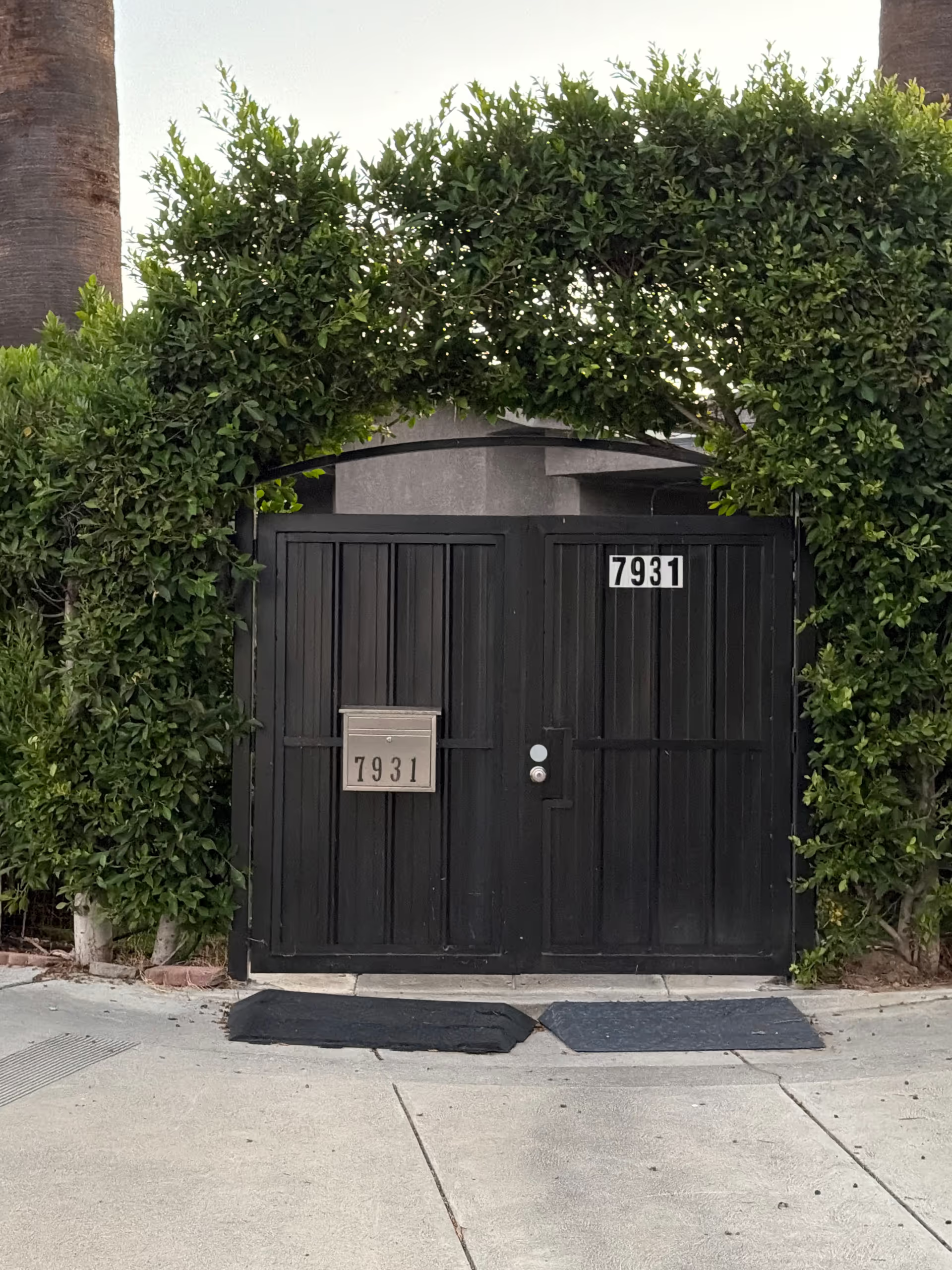
Facilities and management: The facility is described as clean and well-maintained by many families, with the small size contributing to a comfortable environment and easier family access; 24-hour visiting is a convenience some families appreciated. At the same time, cleanliness comments are not uniform—there are accounts indicating variable sanitation consistency—so families may want to observe housekeeping practices in person. Management is generally viewed positively for responsiveness, but there are also concerns about administration practices tied to billing, placement, and discharge policies. A subset of reviewers perceived a strong financial emphasis in administrative decisions. Additionally, parking and limited physical capacity were noted as practical constraints.
Notable patterns and guidance: The dominant pattern is high-quality, recovery-oriented hands-on care delivered in a smaller, personable setting. Counterbalancing that are occasional but serious concerns about clinical incident handling and administrative/financial policies, along with inconsistent dining and housekeeping experiences. Prospective residents and families would benefit from confirming current staffing levels and turnover, reviewing emergency-transfer and infection-management protocols, tasting or reviewing current menus (including therapeutic diet options), and clarifying billing, discharge, and visitation policies during a facility tour and pre-admission meeting.