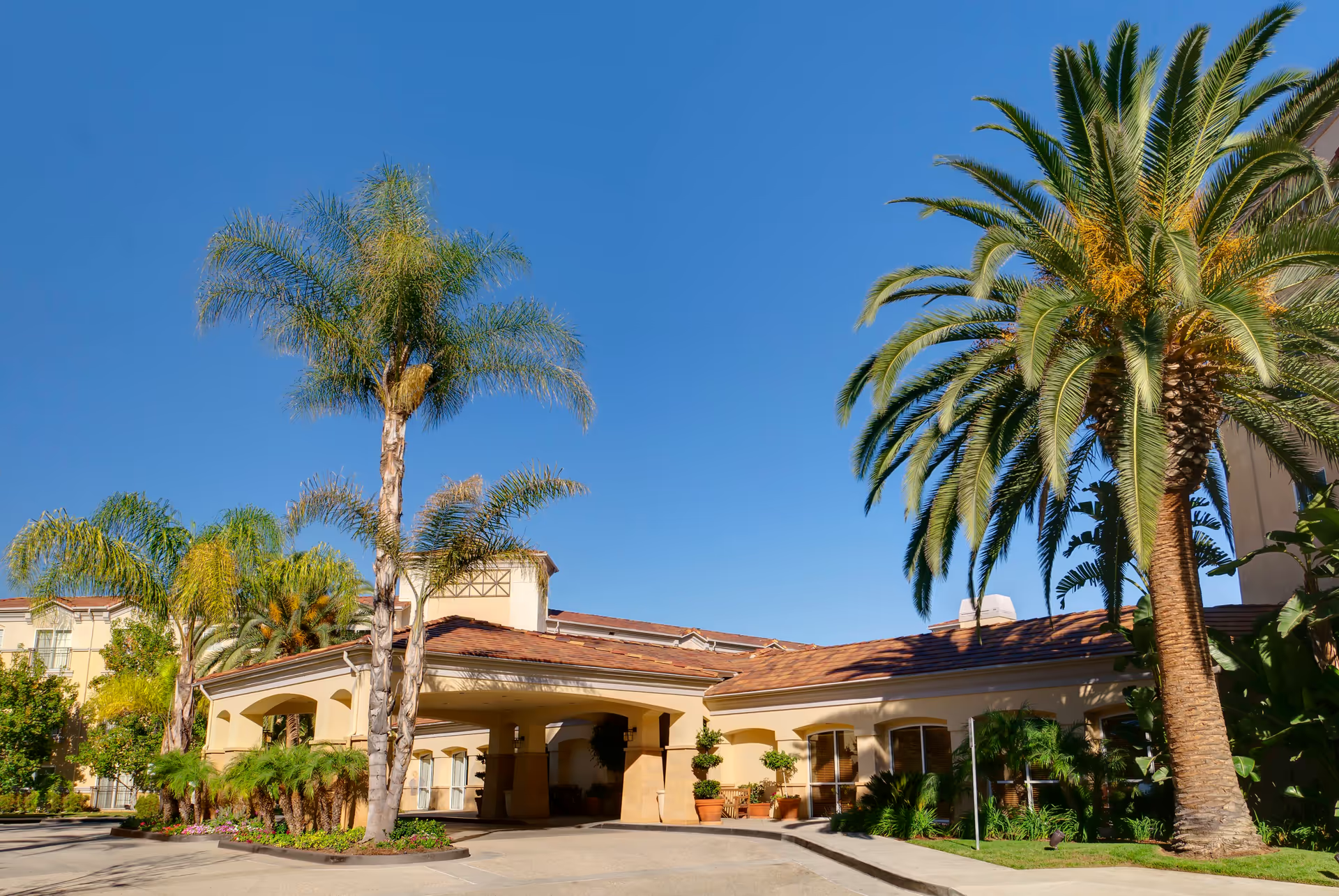
Windsor Terrace elicits strongly polarized impressions. Many families and residents describe high-quality rehabilitative care, with repeated praise for the facility’s physical, occupational, and speech therapy programs, skilled therapists, and a noted wound-care specialist. Admissions and liaison staff are frequently singled out as welcoming and effective at arranging transitions, and multiple reviewers described individualized outreach and family communication that helped reduce isolation. Several caregivers and CNAs receive commendation for compassion and attentiveness, and some units are described as clean, well-maintained, and home-like.
Alongside these strengths, there are consistent operational concerns. Staffing levels and staff consistency vary across shifts, which reviewers link to longer call-light response times, medication delays, and interrupted therapy or feeding assistance. Clinical continuity gaps are described in the form of missed or late medications, lapses in wound-care follow-up, and problems retrieving or sharing lab results with primary clinicians. A number of accounts raise safety and emergency-response worries; these include delayed attention to acute issues and coordination problems that families felt increased clinical risk.
Dining and daily-care experiences are mixed. Some reviews praise a proactive executive chef and satisfying menus; others describe undercooked or unappealing meals, inconsistent provision of special diets, and instances where feeding assistance was not consistently available. Activities programming and social offerings are generally viewed positively — reviewers note a variety of events, therapeutic activity options, and individualized engagement (including remote check-ins) that support recovery and morale.
Facility condition and housekeeping were another area of contrast. While parts of the building and many resident rooms are praised as clean and pleasant, other comments identify maintenance shortfalls (peeling wall coverings, broken fixtures, climate-control variability), sanitation concerns in specific areas, and evidence of inconsistent environmental upkeep. Property- and asset-management weaknesses are also reported, with at least one serious allegation of staff theft; this raises questions about security and inventory controls.
Management and culture present a similarly mixed picture. Admissions and certain administrators receive strong positive mention for smooth transitions and family outreach. At the same time, reviewers describe communication breakdowns with families, perceived prioritization of marketing or amenity presentation over direct-care investment, occasional pressure to provide positive feedback, and variability in responsiveness from leadership. Several reviews call attention to variable competency among agency/registry nurses and to tone or conduct issues in staff–resident interactions, indicating the need for more consistent training and supervision.
Taken together, Windsor Terrace shows notable strengths in rehabilitation services, some compassionate direct-care staff, and effective admissions/liaison support. However, the facility also exhibits operational variability that can materially affect individual experiences — staffing consistency, medication and wound-care processes, housekeeping and maintenance, family communication, and property controls are recurring themes. Prospective residents and families should weigh the facility’s strong therapy capabilities and positive staff relationships against these operational concerns, and consider asking targeted questions about staffing ratios, medication-administration protocols, wound-care oversight, security of personal belongings, special-diet procedures, and recent regulatory or inspection history before deciding.