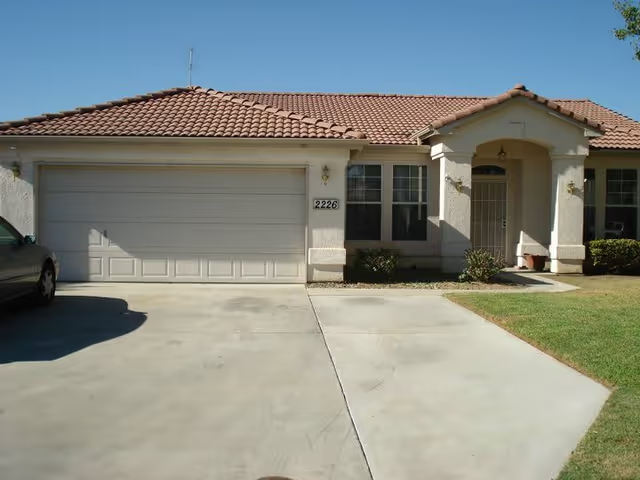
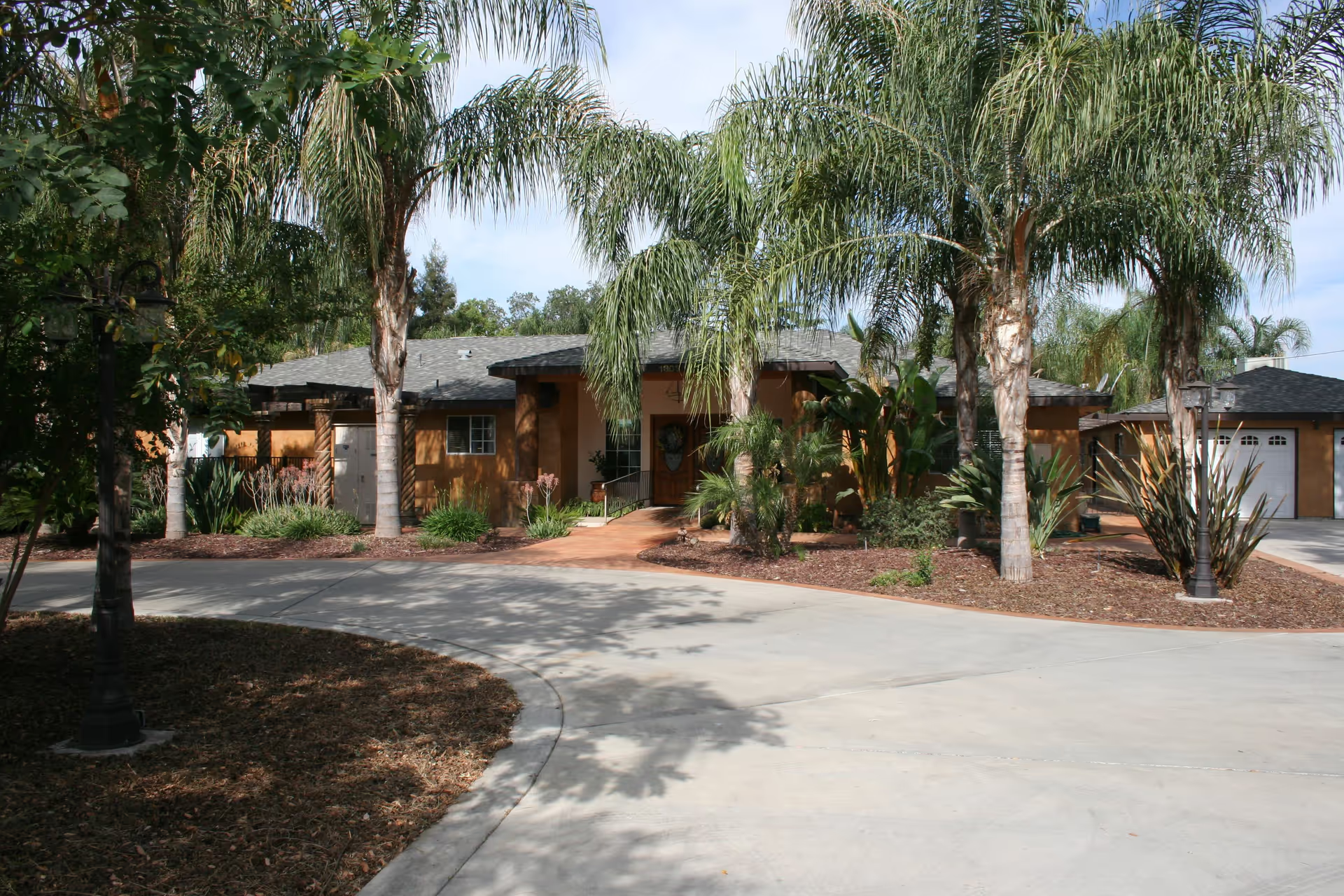
Linwood Meadows Care Center is frequently described as a rehabilitation-focused and family-oriented skilled nursing facility with a strong emphasis on personalized care and therapeutic recovery. Reviewers commonly praise the 24-hour nursing coverage, a skilled and engaged rehabilitation/physical therapy team, and clinical staff who create individualized care plans and provide attentive medication management. Many families emphasize the compassionate demeanor of nurses, CNAs, and activities staff; several accounts describe emotional, supportive interactions and active assistance with discharge planning aimed at returning residents home in improved condition.
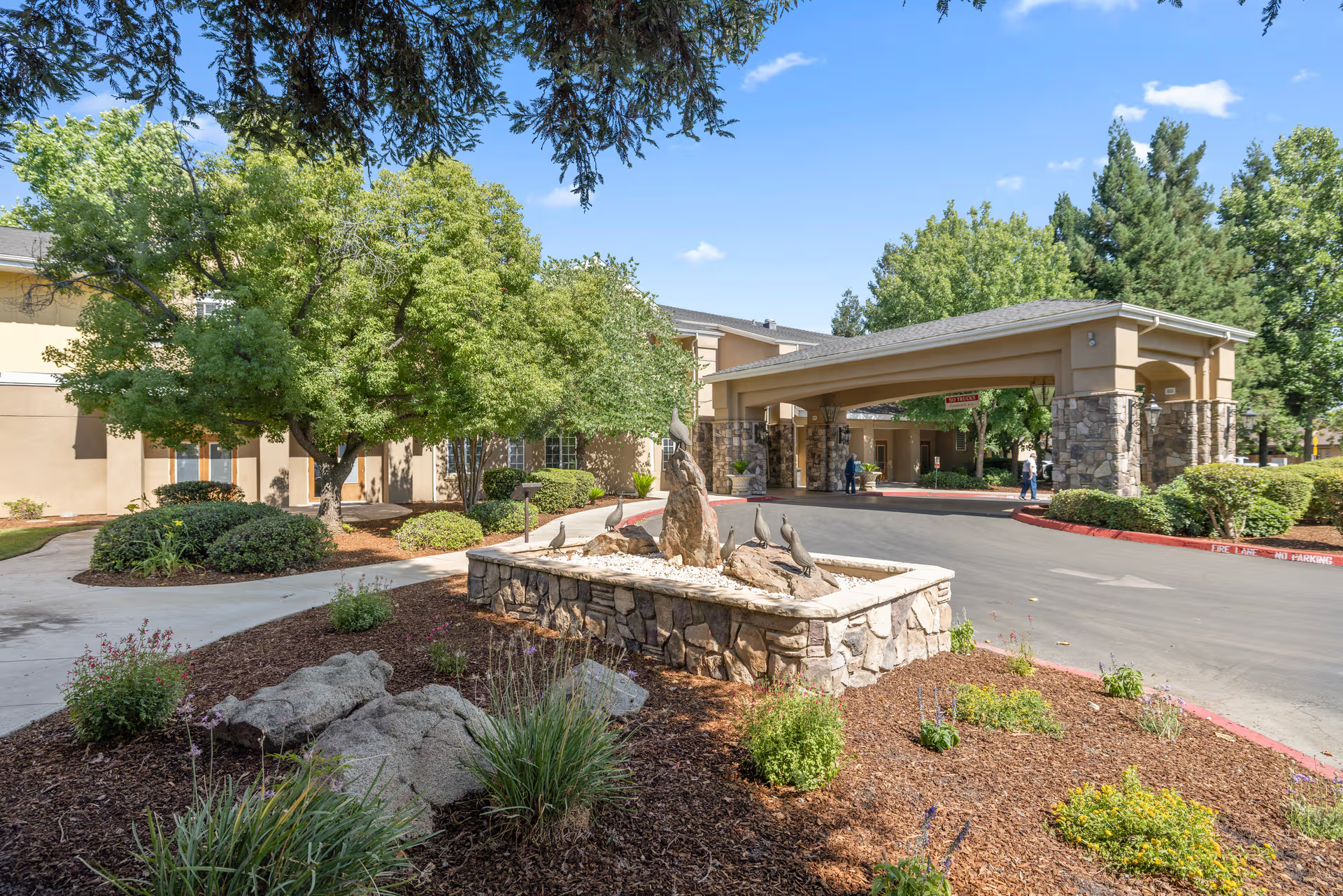
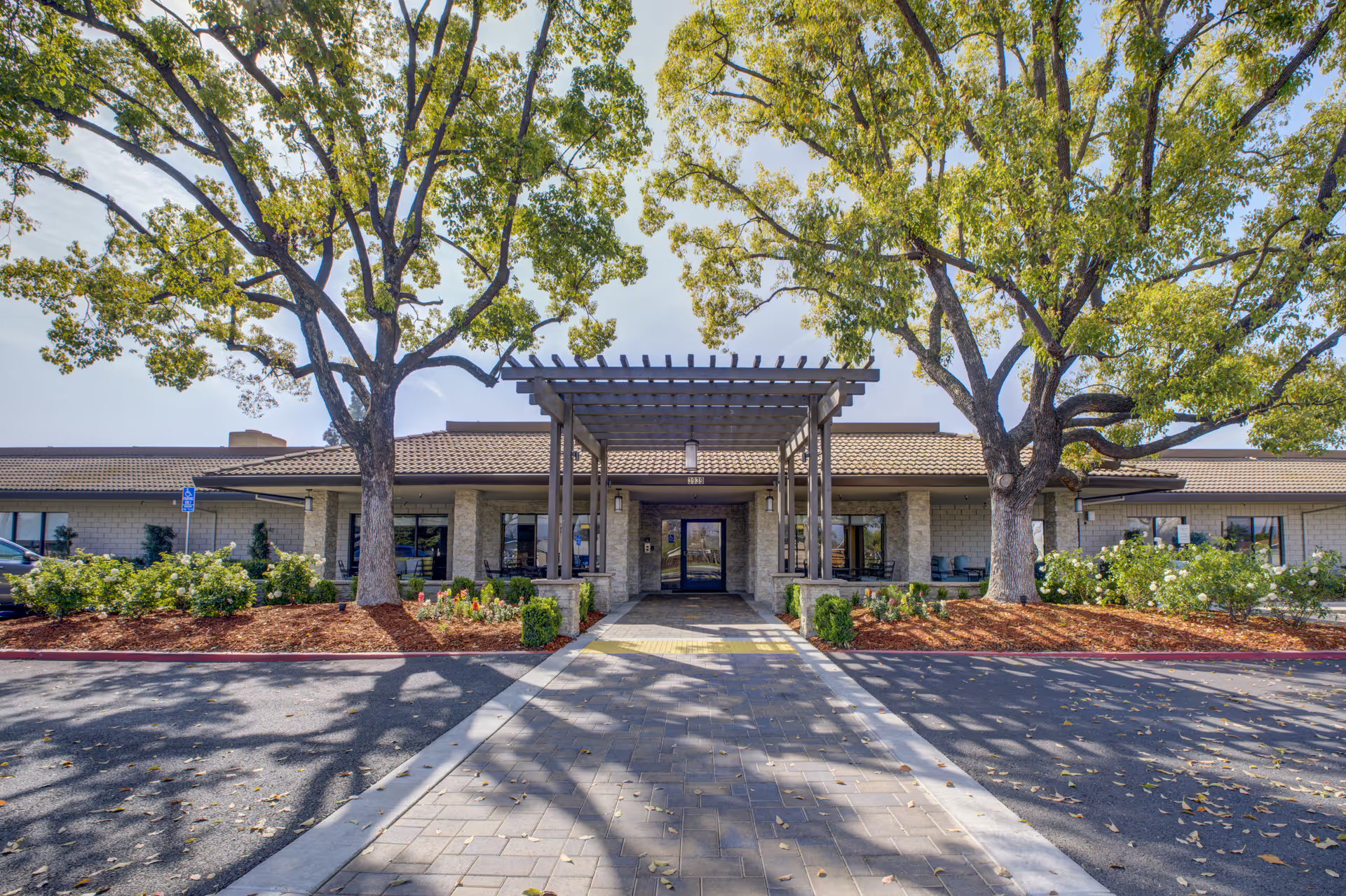
The facility’s activity program and social environment are consistent strengths. Reviewers note a broad and well-attended schedule—bingo, crafts, music events, movies, coffee socials, and family gatherings—which appears to support resident mood and social engagement. The property, courtyard and garden areas are repeatedly described as pleasant and well-kept, contributing to a home-like atmosphere. Admissions and administrative staff are often characterized as helpful and communicative, and social work support and on-site services (dietary, beautician, housekeeping) receive frequent positive mention.
Dining and housekeeping impressions are mixed. Several families praise a professional dietary team, varied menus and nourishing meals; others raise concerns about inconsistent food quality and limited kitchen hours that can affect meal availability. Housekeeping and maintenance are commonly commended for thoroughness, but a number of accounts describe sanitation and cleanliness inconsistencies, pest-control concerns in specific areas, and isolated issues with laundry handling and property control. These operational gaps create variability in room conditions and laundry service reliability.
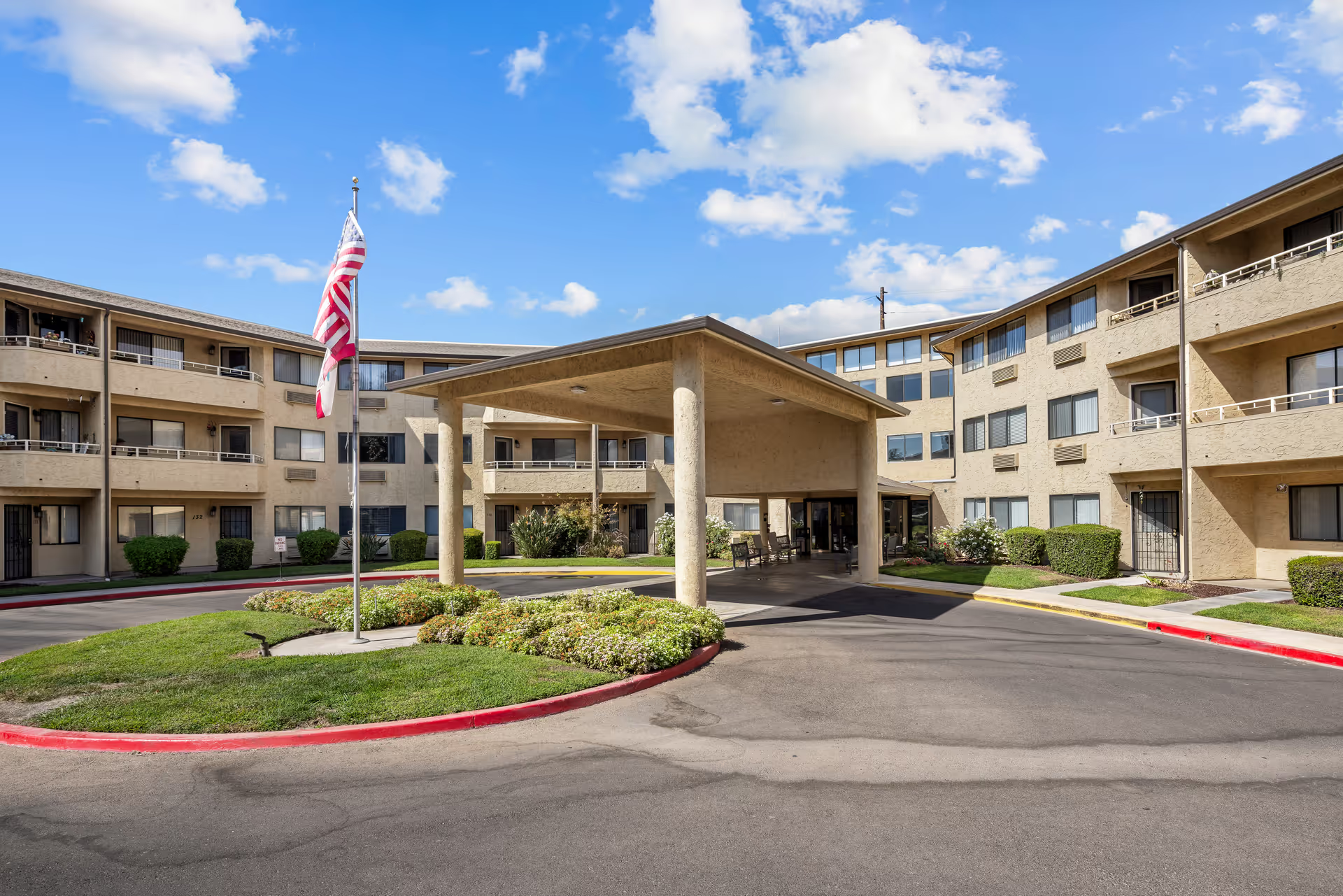
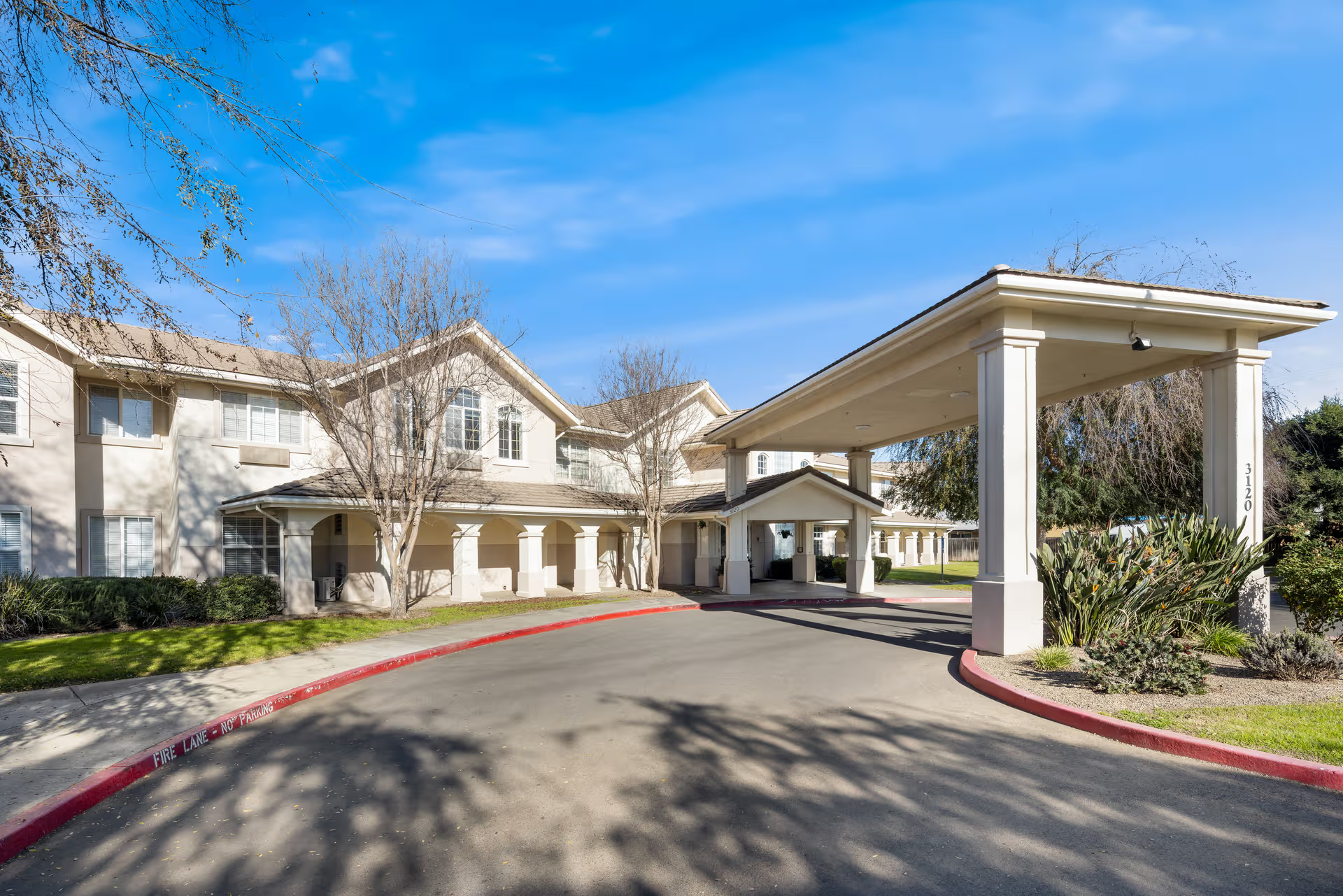
Operational and safety-related patterns warrant attention. While many reviewers describe timely, attentive care, there are multiple accounts indicating staffing turnover, delays in responding to call systems, inconsistent personal-care/incontinence assistance, and occasional medication-administration inconsistencies. A subset of families reported more serious care and safety concerns, including delayed clinical incident responses and communication breakdowns with families; these items have been characterized by some as allegations of lapses in conduct or supervision. Infrastructure limitations are also noted: some shared rooms are described as small, climate control has been inconsistent in certain units, and the building is characterized as older in parts.
Overall, Linwood Meadows appears to deliver a high level of rehabilitative and compassionate care for many residents, with a supportive activity program and strong therapy services. Prospective residents and families should weigh these strengths against recurring operational concerns—particularly cleanliness consistency, staffing continuity, responsiveness to call signals, meal-service consistency, and laundry/property controls—and ask targeted questions and conduct a guided tour focused on these areas when considering placement.