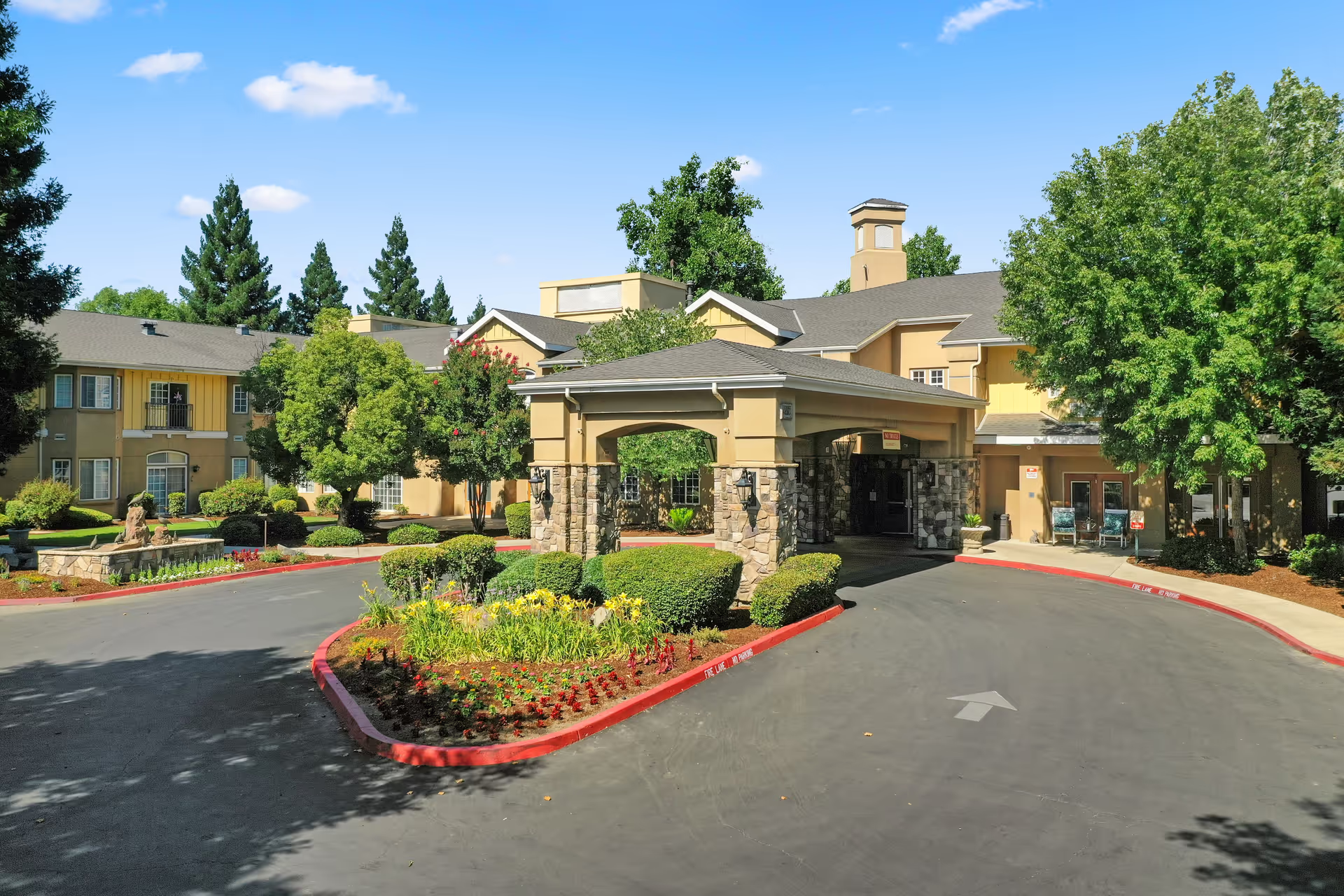
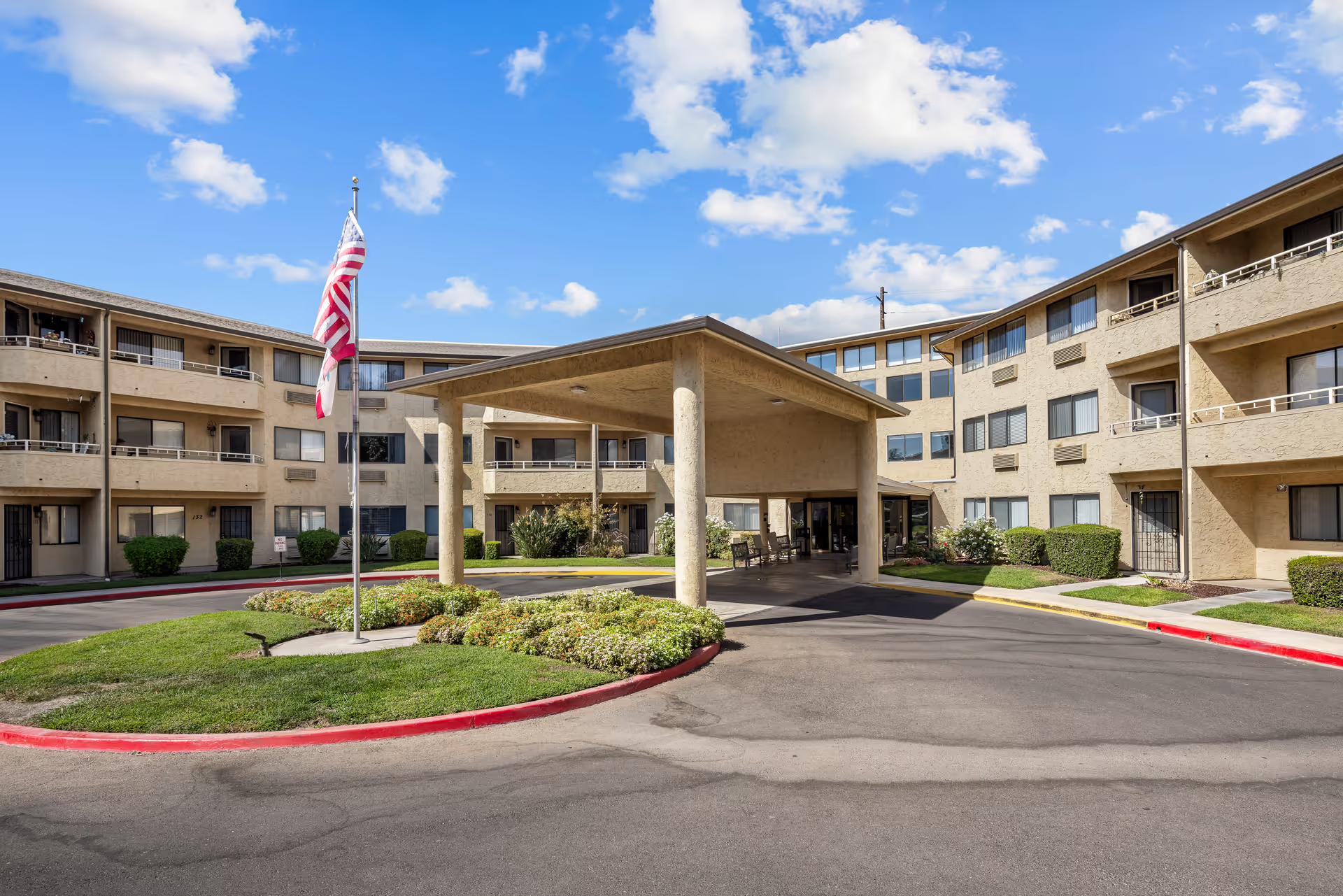
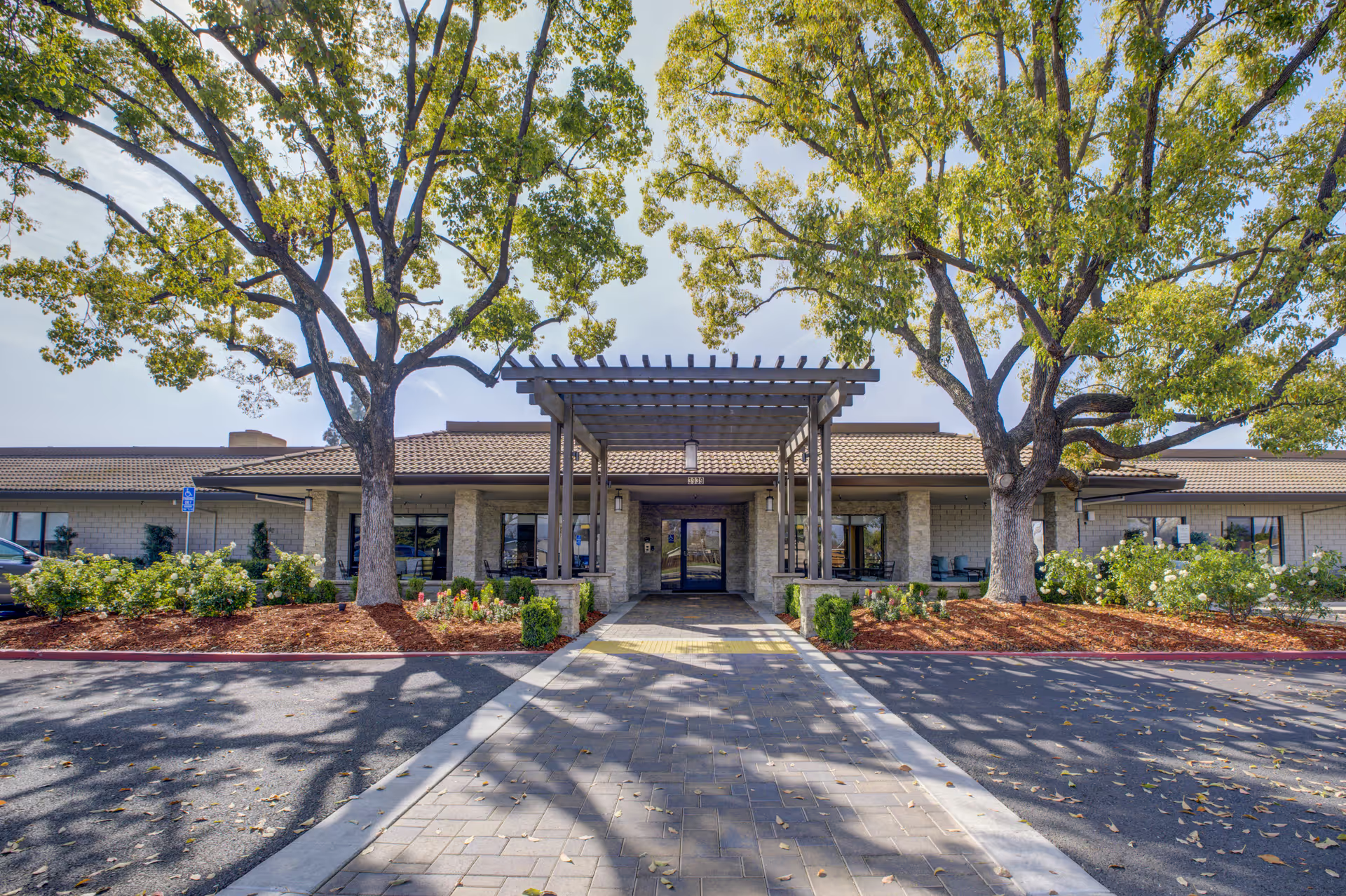
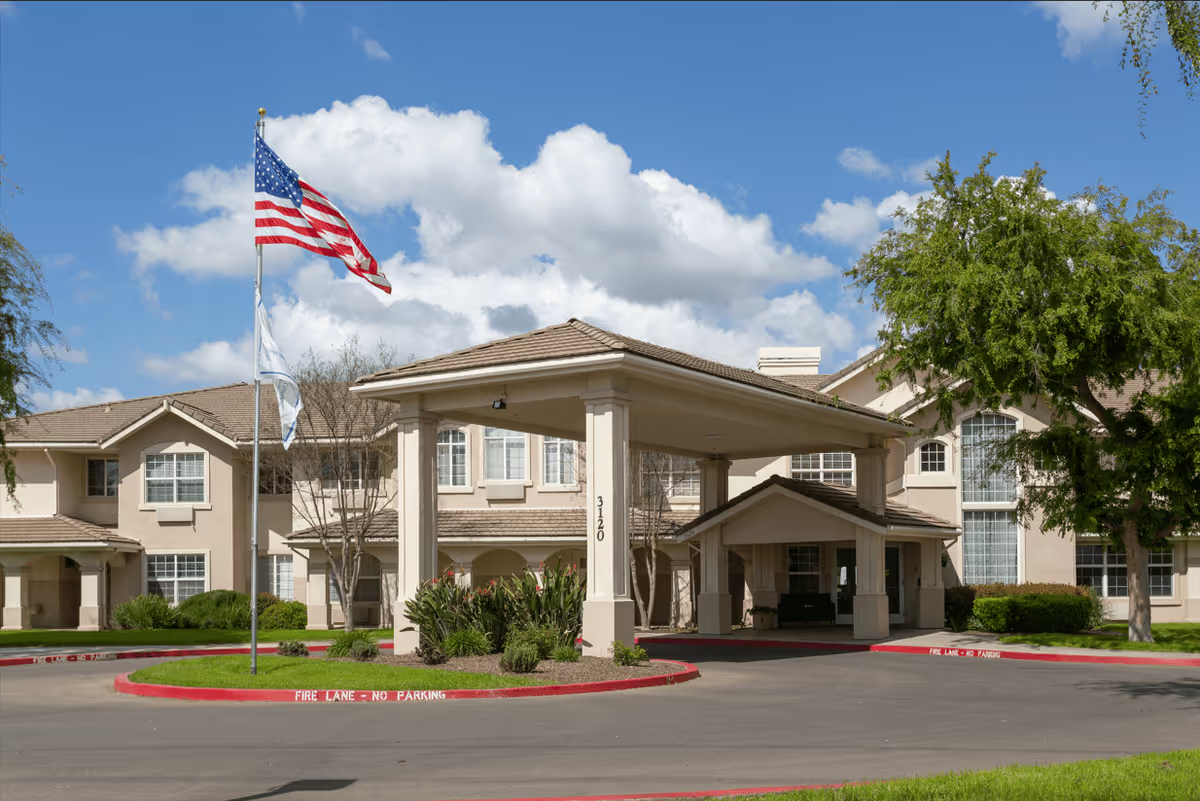
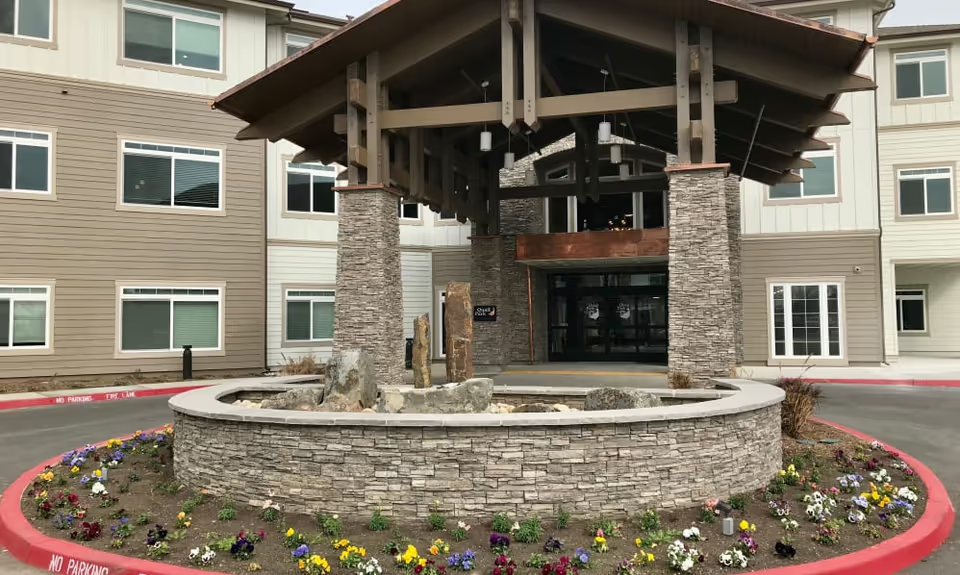
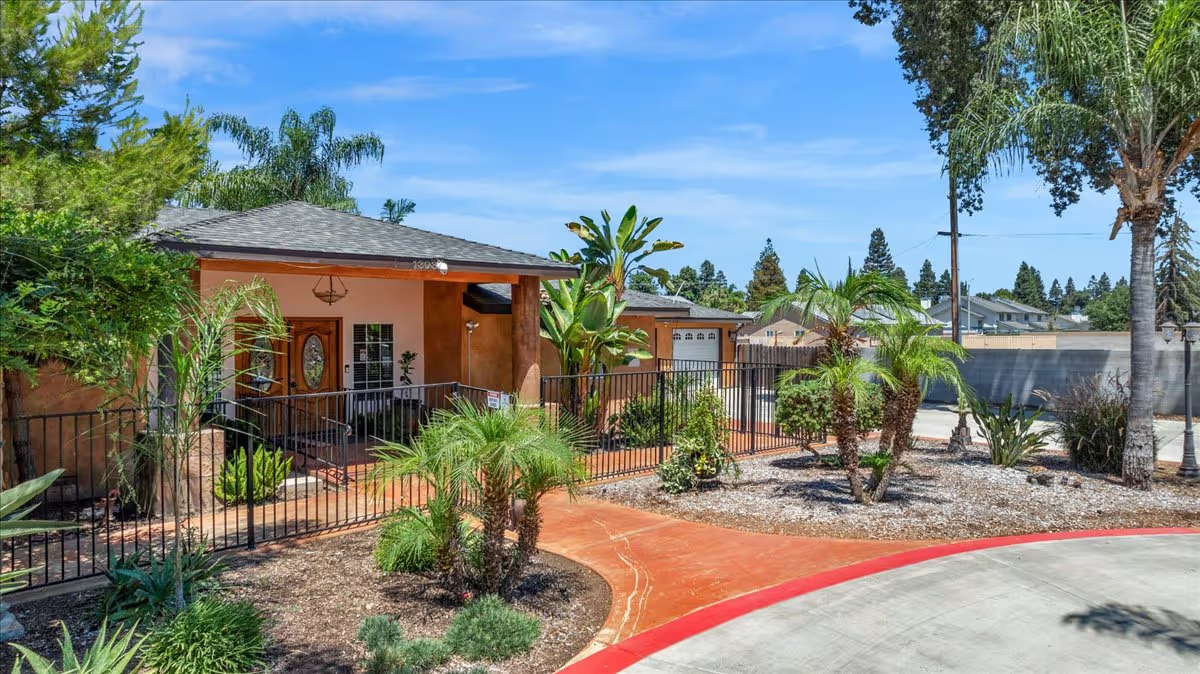
Quail Park Memory Care Residences of Visalia is described by reviewers as a facility with strong environmental and programmatic attributes alongside recurring operational concerns. Many families and visitors highlight the facility’s clean, well‑maintained interiors, attractive decor, and a range of amenities such as a salon/barber shop and a theater area. The environment is frequently characterized as home‑like and comfortable for visits, with spacious dining and visiting areas and visible safety measures. There is consistent praise for a visible professional nursing presence and for staff who are described as compassionate, attentive, and resident‑focused, contributing to feelings of reassurance and peace of mind for many families.
Activity programming and social engagement are notable strengths. Reviewers cite a varied calendar of on‑site activities, craft space, offsite field trips, family events, and coordinated outings that support resident engagement. Dining presentation and a flexible dining schedule are frequently commended; several reviewers described meals as well presented and enjoyable. The community’s collaborative relationships with outside home‑health and hospice providers and the presence of a family council are additional operational positives that families cited as supporting continuity of care and communication when it functions well.
Alongside positives, reviewers also describe several operational patterns that warrant inquiry. There are concerns about medication management and informed‑consent practices, including specific allegations about psychotropic medication use; prospective families should ask about medication assessment, documentation, and oversight protocols. Relatedly, some accounts indicate gaps in staff credentialing and supervision, suggesting a need to confirm staff training, licensing, and clinical oversight for memory‑care residents. Communication and administrative responsiveness emerge as recurring issues: families described delays or difficulty obtaining timely responses to questions or concerns.
Nutrition and clinical monitoring are other areas of note. Some reviewers raised concerns about weight loss and about menu items and preparation (for example, reliance on processed items) that did not match expectations set during tours; this points to potential gaps in nutritional monitoring, menu transparency, and individual dietary oversight. There are also descriptions consistent with delayed pest‑control or infection‑response actions in specific instances, which suggests the facility’s outbreak/pest‑response protocols and timelines are worth reviewing.
Finally, a subset of reviewers expressed concerns about inconsistent staff professionalism and attentiveness, and questioned value relative to cost; there are also mentions of a possible mismatch between the scope of advertised memory‑care oversight and the level of daily clinical attention experienced by some residents. Taken together, the pattern of reviews indicates that while the facility offers many environment, programming, and dementia‑care strengths, families should tour carefully and ask targeted operational questions — about medication policies, staff credentials and ratios, recent incident logs, nutritional and weight‑monitoring processes, pest‑response procedures, and how the community manages private‑pay memory‑care oversight — to ensure alignment between expectations and day‑to‑day practice.