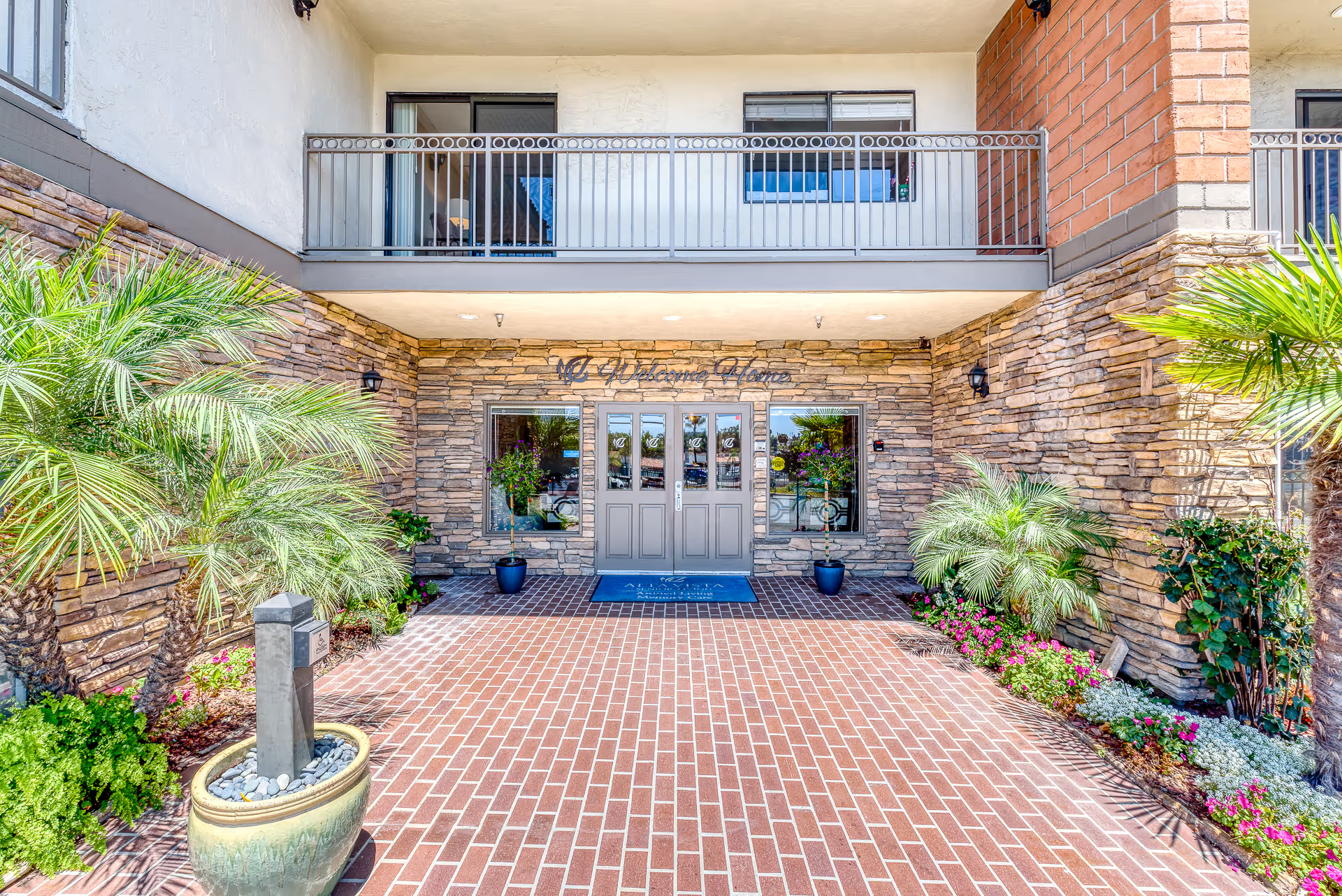
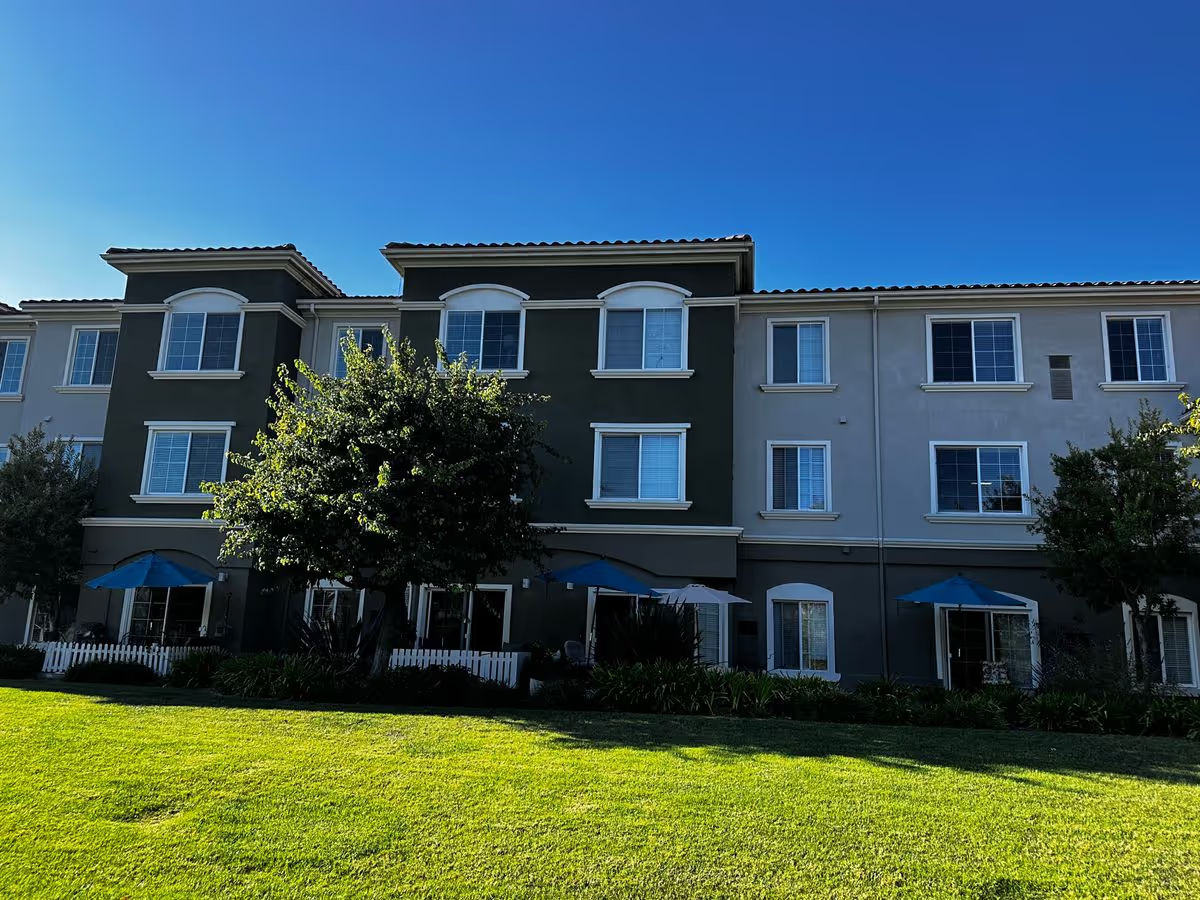
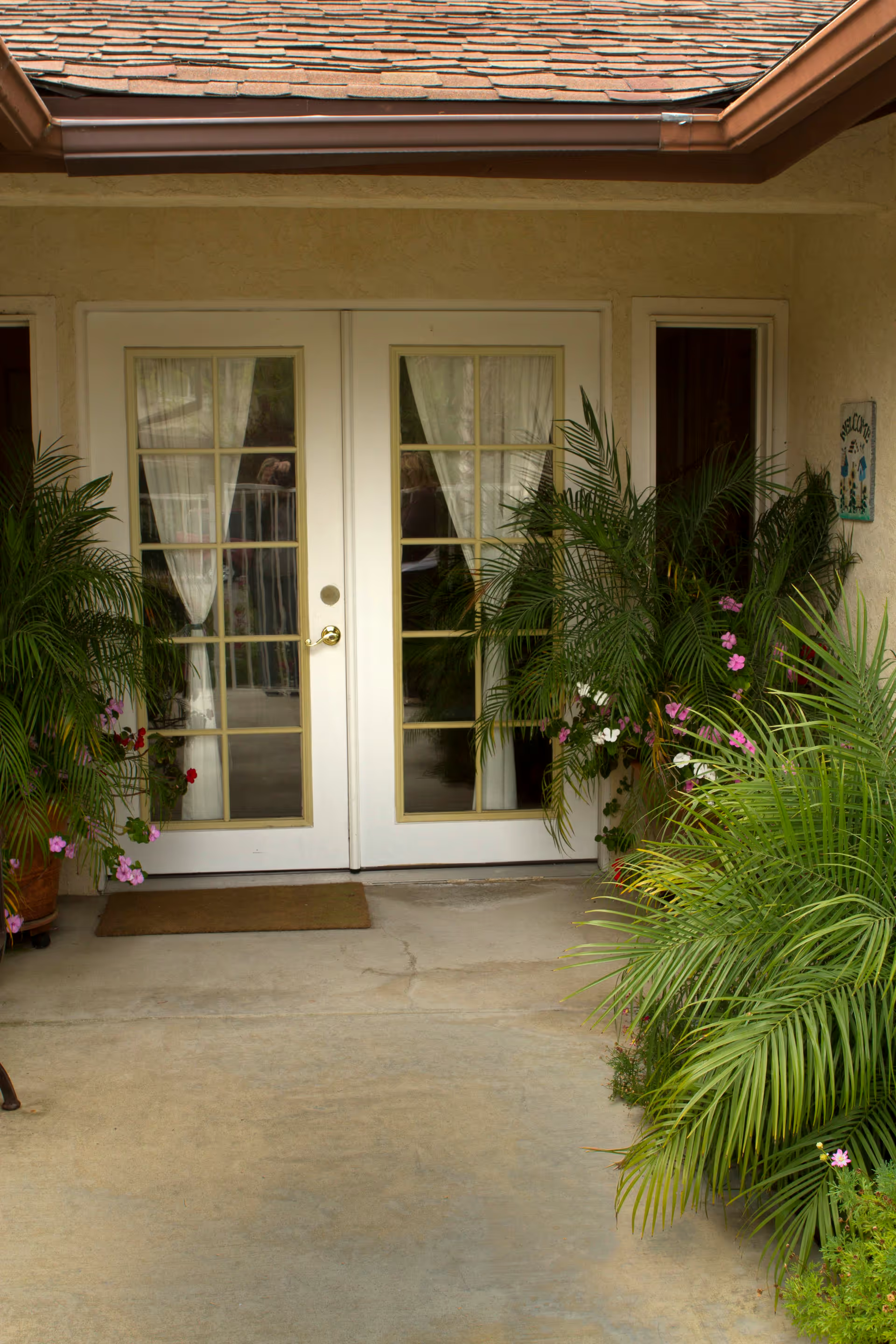
Vista Knoll Specialized Care elicits strongly mixed impressions. Many families and patients highlight an effective, rehabilitation-focused operation: the facility's physical and occupational therapy teams receive consistent praise for skill, individualized plans, measurable progress and successful discharges. The activities program, including group and music therapy, and a dedicated activities director are often cited as meaningful contributors to recovery and morale. The campus and outdoor grounds are frequently described as attractive, well-maintained, and conducive to healing.
Care quality and staffing present a clear divergence. Positive accounts describe compassionate, attentive nurses and CNAs who provide helpful support, timely assistance, and good coordination with therapists. However, a substantial set of concerns points to inconsistent nursing coverage, turnover or understaffing, and variable staff engagement. These operational issues are associated in several accounts with delayed responses to call lights, slow attention to basic needs, and inconsistent provision of assistive devices. A recurring pattern is a strong rehab unit experience contrasted with uneven performance in the long-term or skilled-nursing side of the facility.
Clinical safety and medication management are prominent areas of concern. Multiple reports describe delays and substitutions in medication administration, missed doses, and difficulties obtaining timely physician authorization for acute problems. Families also raise concerns about wound care and infection management in individual cases. Related safety themes include fall incidents and questions about transfer and monitoring practices. Reviewers also cite restricted egress and unsecured exit mechanisms that warrant verification from prospective families and regulatory oversight.
Dining and housekeeping show mixed results. Several reviewers praise nutritious, varied meals and homemade items; others describe late or unsuitable meals and inconsistencies in dietary management. Cleanliness and sanitation receive positive mention in many reviews, but there are also accounts of sanitation concerns, odor issues in some rooms or common areas, and pest-control concerns in units. Linen, belongings, and supply management are also described as inconsistent in some cases, including lost clothing and missing equipment such as walkers or wheelchairs.
Management, communication, and professionalism are uneven. The social work and case-management function is often singled out as helpful and supportive, and some families commend reception and administrative staff for smooth admissions. At the same time, families describe poor internal communication, slow or inadequate family updates, and varying degrees of staff professionalism (including phone use or inattentive behavior). There are also serious allegations regarding theft and shortcomings in incident handling; these raise concerns about leadership responses and complaint resolution processes and should prompt direct inquiry by prospective families.
Overall, Vista Knoll appears to offer excellent rehabilitation services and an attractive environment for recovery, supported by many caring staff members. At the same time, recurring operational weaknesses—especially inconsistent nursing coverage, medication-administration lapses, communication shortfalls, and safety/cleanliness variability—suggest that prospective residents and families should verify current staffing levels, medication protocols, safety features, and unit-specific conditions before admission. Visiting in person, reviewing recent inspection records, and speaking with the facility's leadership about specific concerns are recommended steps to determine whether Vista Knoll's strengths align with an individual patient's needs.