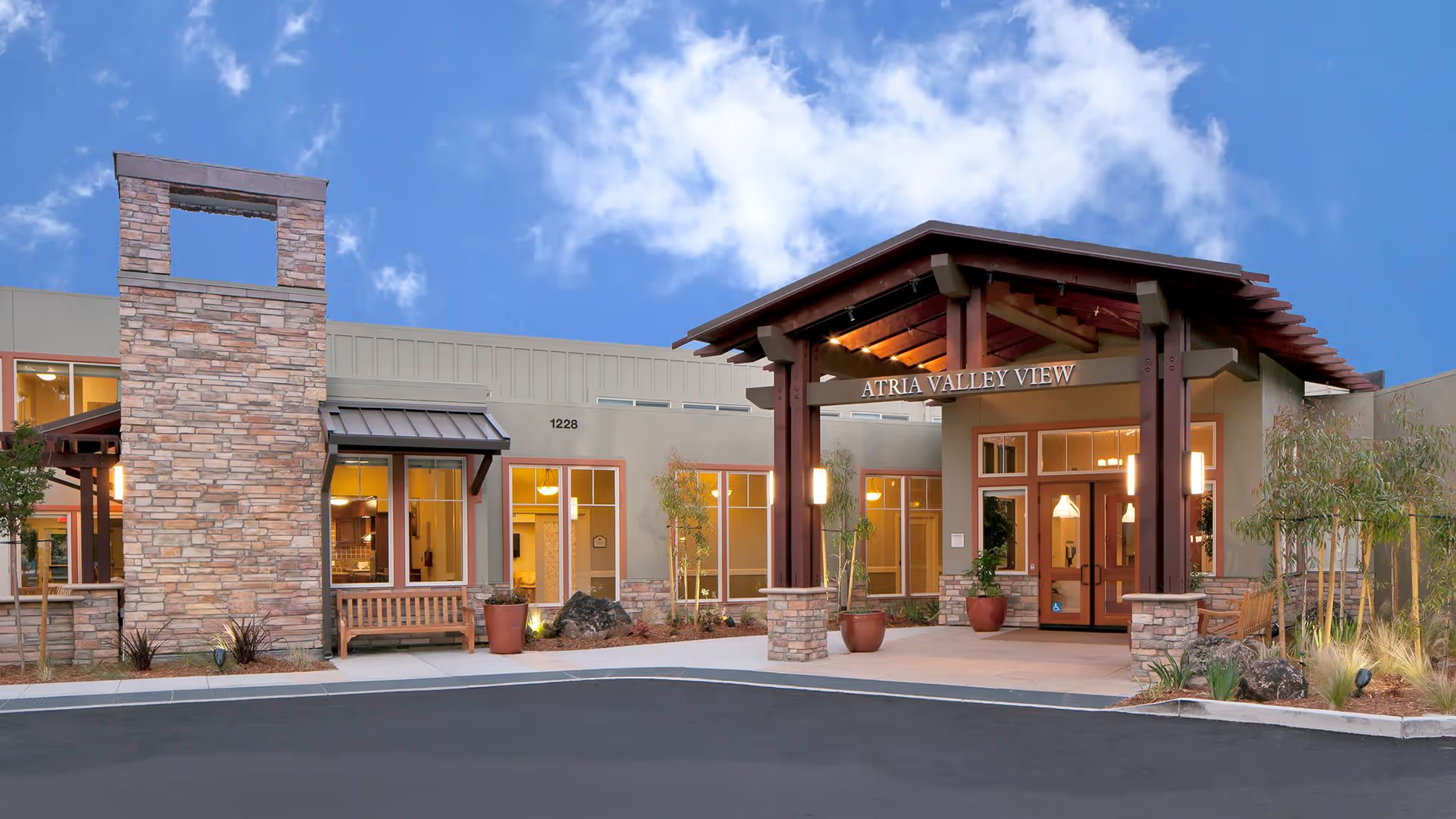
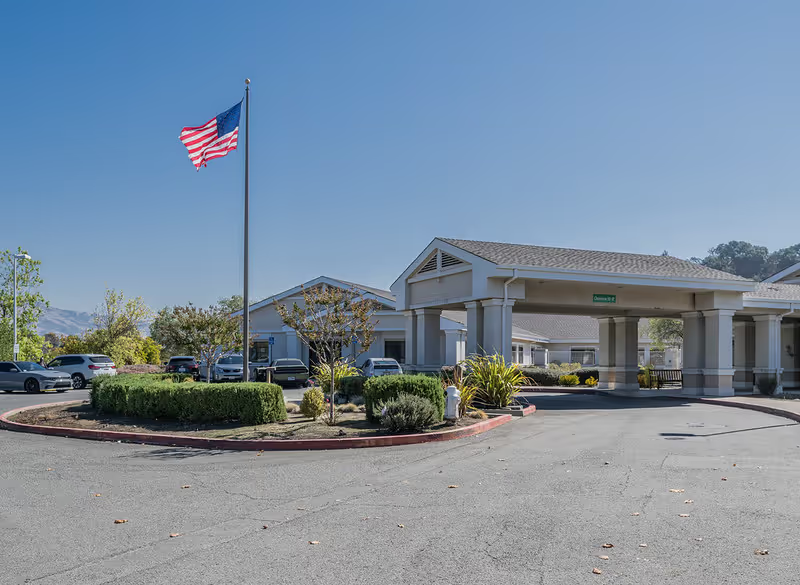
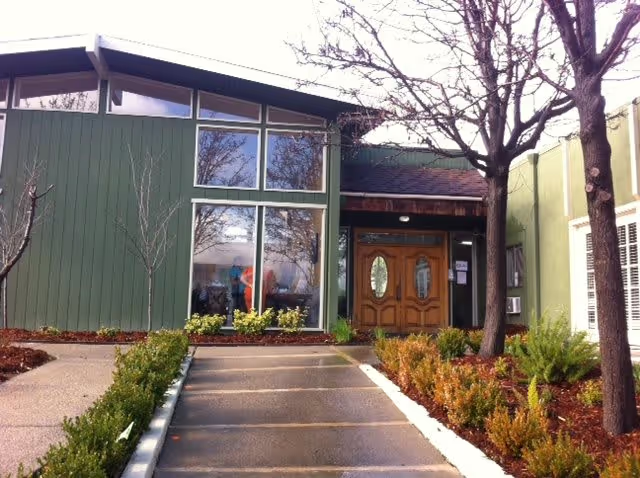
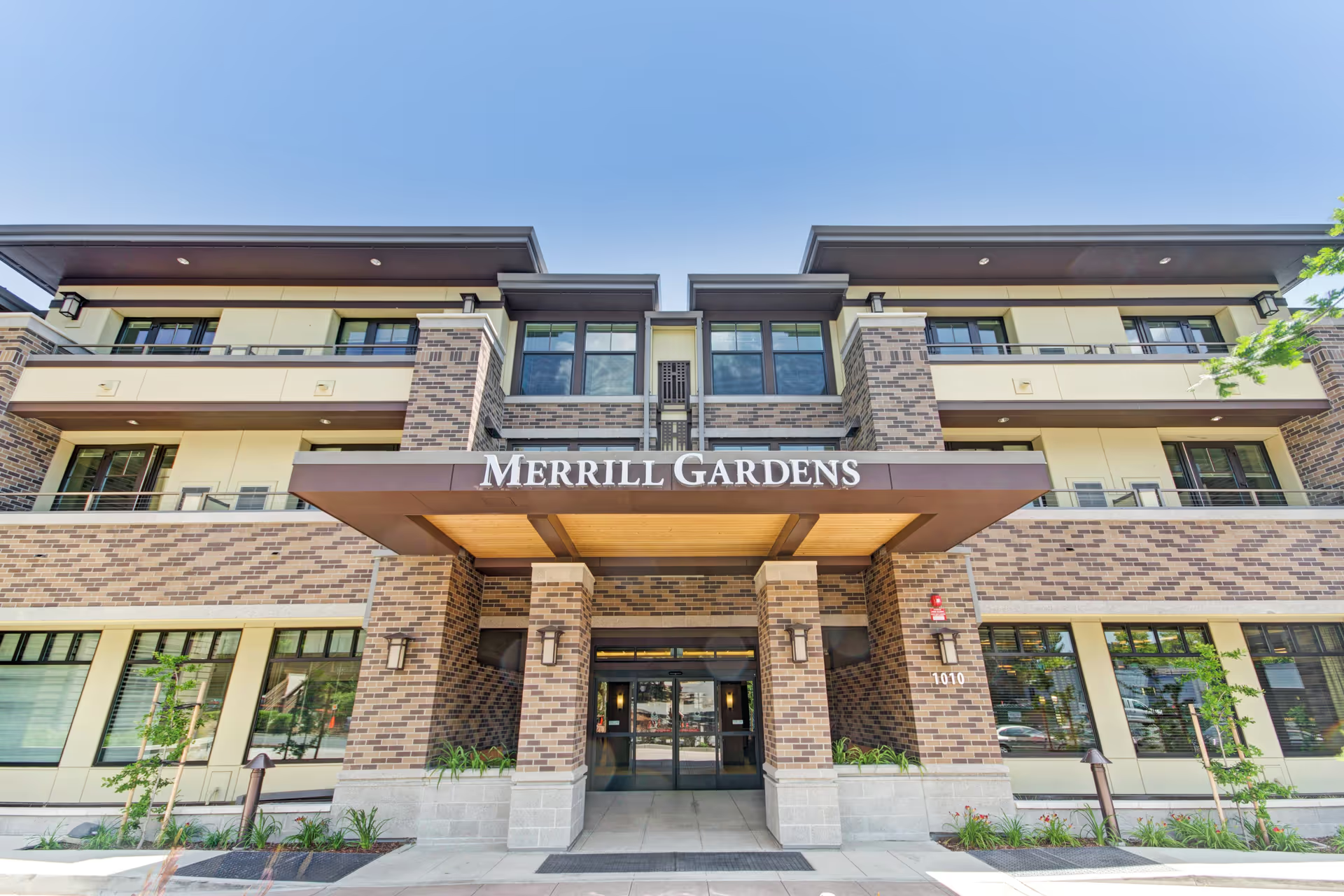
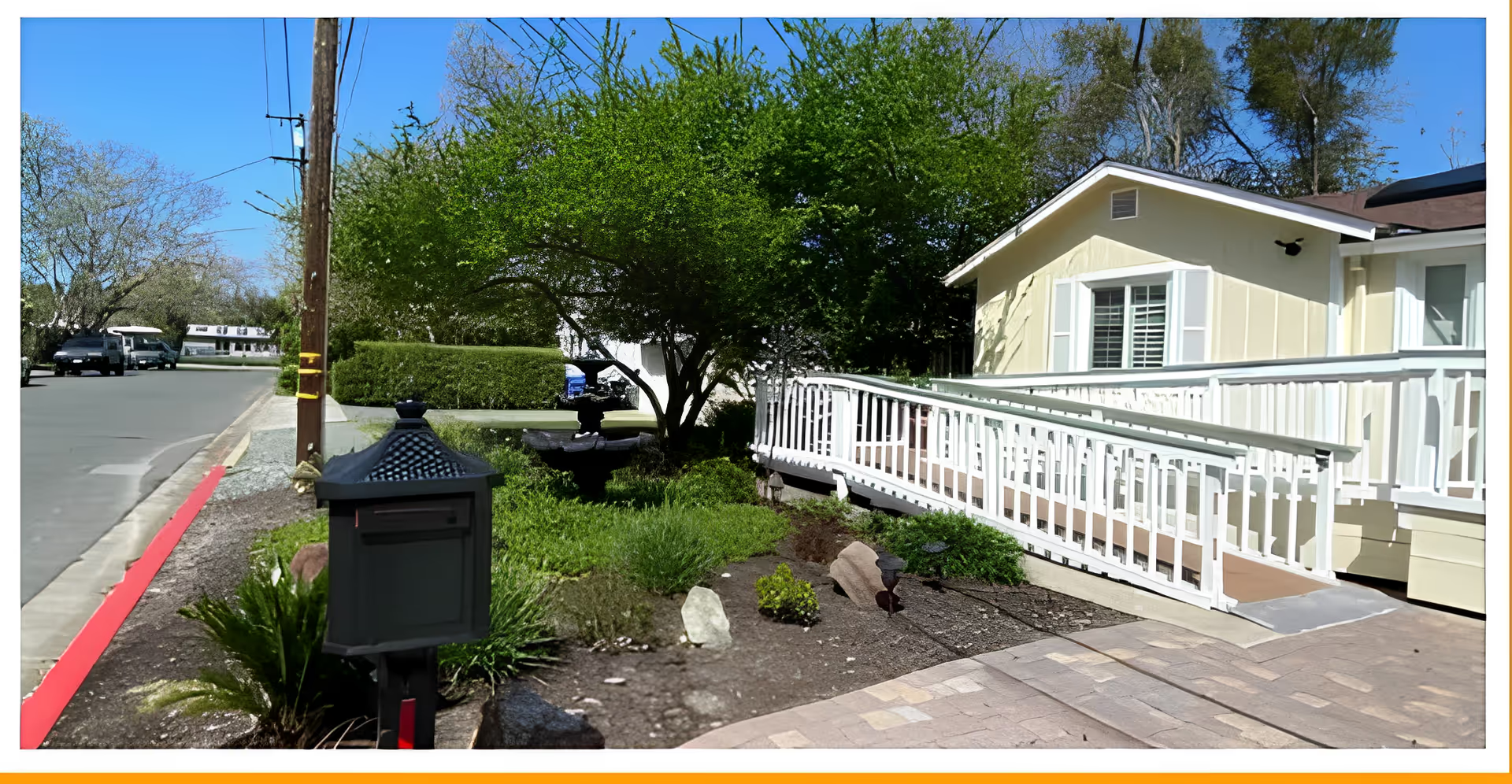
Reviewer experiences for Walnut Creek Skilled Nursing & Rehabilitation Center are highly polarized. A consistent strength across many reviews is the facility’s rehabilitation program: residents and families frequently cite effective physical, occupational, and speech therapy, including intensive schedules (twice daily and Saturday therapy) and measurable functional gains. The presence of an on‑site physician and clinical capabilities such as ventilator observation and stroke recovery support the center’s role as a post‑acute and skilled nursing provider. Many visitors also describe a well‑kept garden courtyard, attractive common areas, and modern check‑in technology that create a welcoming first impression.
Staff performance is a mixed picture. Numerous reviews praise compassionate, attentive nurses, CNAs, therapists, and certain case managers who provide individualized support and rapid follow‑up. At the same time, a recurrent operational theme is staffing strain: high workloads and perceived understaffing are linked to delays in responding to call lights, inconsistent bedside attention, and uneven shift‑to‑shift performance. Clinical coordination concerns appear in reports of medication confusion and difficulty reaching physicians or obtaining timely clinical updates; these raise questions about handoffs and interdisciplinary communication processes.
Dining and daily care show variability. Some families found meals acceptable or good, while others described inconsistent food quality and failures to adhere to dietary restrictions. Activity offerings and group therapy are generally seen as robust and encouraging for rehabilitation goals, though group formats are not universally preferred by residents and can feel impersonal to some.
Facility condition and operations also vary by unit and stay. Many reviewers describe clean, modern interiors, efficient registration, and attentive front‑desk staff; others cite sanitation concerns in particular rooms or bathrooms and problems with laundry and personal‑property handling. Infection‑control practices and PPE use were effective in many accounts, but a number of reviews raised concerns about inconsistent performance and potential transmission risk during certain periods.
Management and family communication are another area of divergence. Positive accounts highlight proactive case managers and staff who go above and beyond, while critical accounts emphasize difficulty reaching staff, rude front‑office interactions, and inconsistent discharge planning—sometimes resulting in unsafe transitions or insufficient post‑discharge supports. Privacy concerns related to electronic sign‑in and facial‑recognition tools were also raised and may merit clarification with facility leadership.
Finally, there are serious, individual allegations in some reviews about staff conduct and safety that go beyond routine complaints; these alleged incidents warrant direct inquiry with the facility and, if appropriate, reporting to regulators for investigation. Overall, the facility demonstrates strong clinical and rehabilitative strengths for many residents, but recurring operational issues—particularly staffing variability, cleanliness consistency, communication, and discharge coordination—create uneven experiences. Prospective residents and families should verify current staffing levels, unit‑specific cleanliness protocols, dietary accommodations, and discharge planning processes during a tour and ask about how the facility addresses and documents complaints and serious incidents.