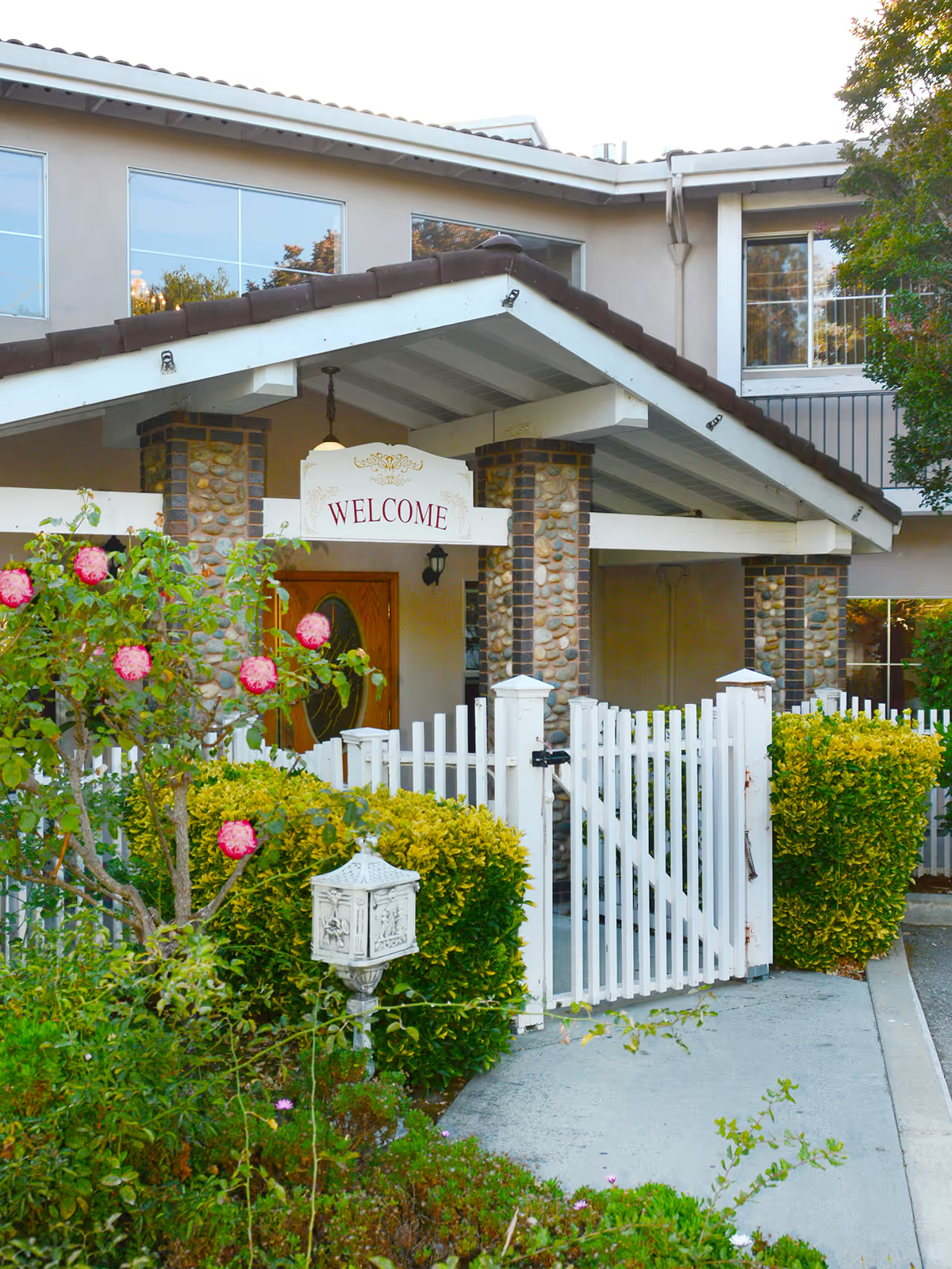
The reviews present a mixed but clear pattern: many families and residents describe high-quality clinical care and a strong rehabilitation focus, while others raise significant operational and safety concerns. On the positive side, reviewers frequently highlight compassionate, professional nursing and therapy teams, comprehensive clinical departments (including physical and occupational therapy), and successful rehab outcomes such as regained mobility after stroke. Housekeeping and facility maintenance are commonly noted as strengths, and the facility appears to offer an active activities calendar with social events (Candle Light Dinners, barbecues, birthday socials) that contribute to a community atmosphere.
At the same time, a number of operational weaknesses recur across reviews. Communication and documentation problems are a prominent theme: families described missing medication records, abrupt discharges, and difficulties obtaining timely updates. These issues point to gaps in clinical documentation and discharge-planning processes. Safety-related concerns also appear, including falls and questions about transfer and bed-safety practices; collectively these suggest opportunities to strengthen fall-risk management, transfer protocols, and overall safety oversight. Several reviews describe inconsistent staff conduct and responsiveness, which manifests as variability in care quality across shifts or units and as poor communication with families.
Dining and cost are additional areas with mixed feedback. While special-event meals and social dining are appreciated, routine meal quality is described as bland by some reviewers and there are concerns about pricing and affordability or transparency around costs. Staffing and resource constraints are implied in comments about declining care or limited responsiveness, and some reviews indicate weaknesses in incident response and family notification procedures.
Notable patterns: experiences appear polarized—some residents and families report top‑notch, compassionate care and successful rehabilitation, while others report serious concerns about safety, communication, and staff behavior. A few reviews include more severe allegations and calls for regulatory attention; those items warrant direct follow-up with the facility and, if appropriate, review of regulatory records. For prospective residents and families, recommended due diligence includes asking for current staffing ratios, fall-prevention protocols, medication‑management and documentation procedures, sample menus, clear pricing and contract terms, examples of discharge-planning workflows, and recent inspection or survey results. Visiting the facility during multiple shifts and speaking with families of current residents can also help assess consistency of care.