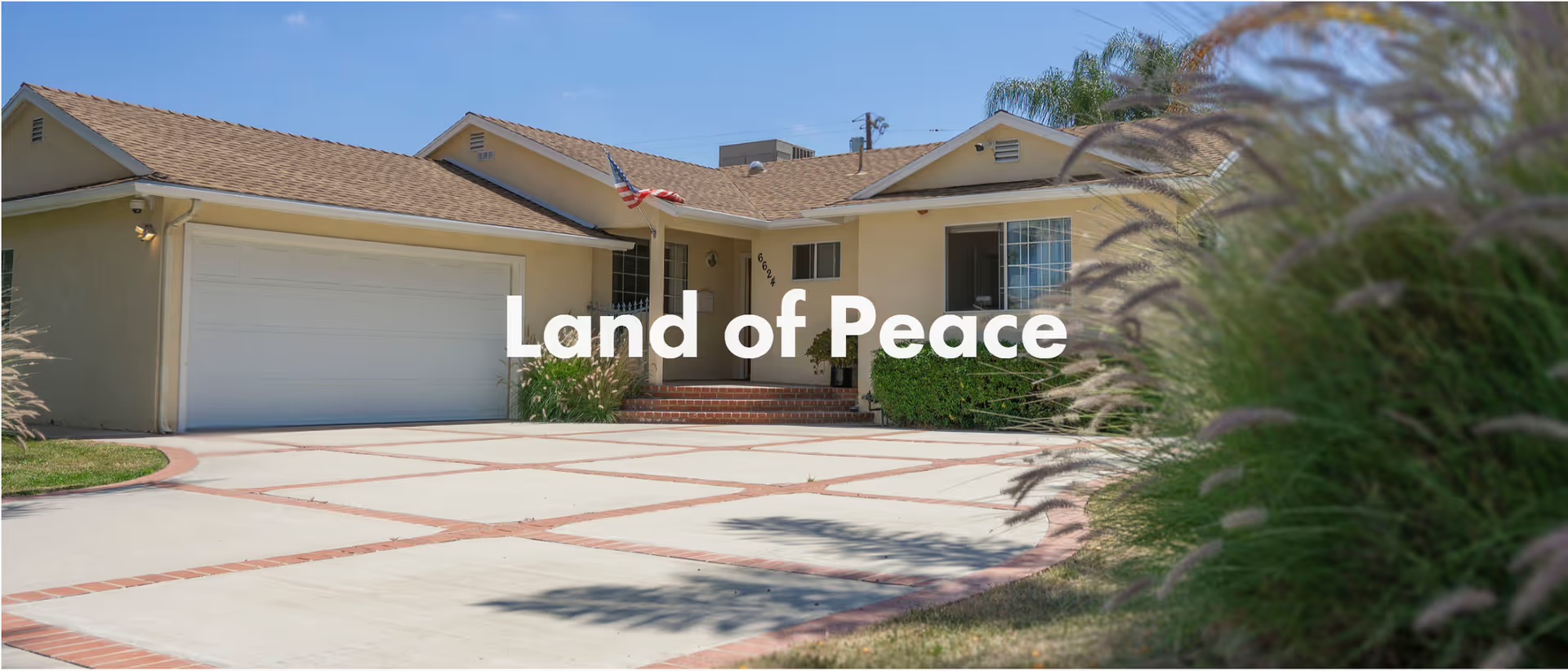
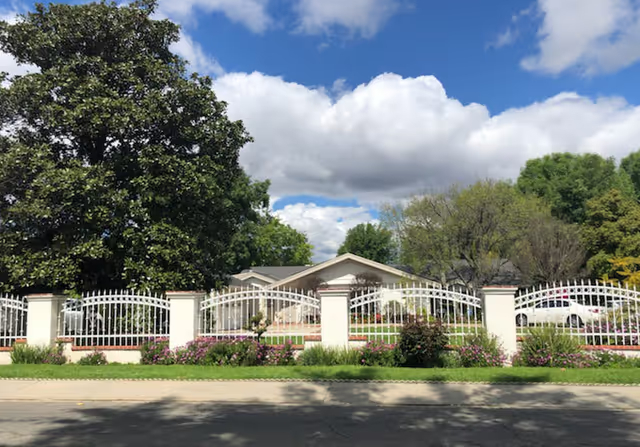
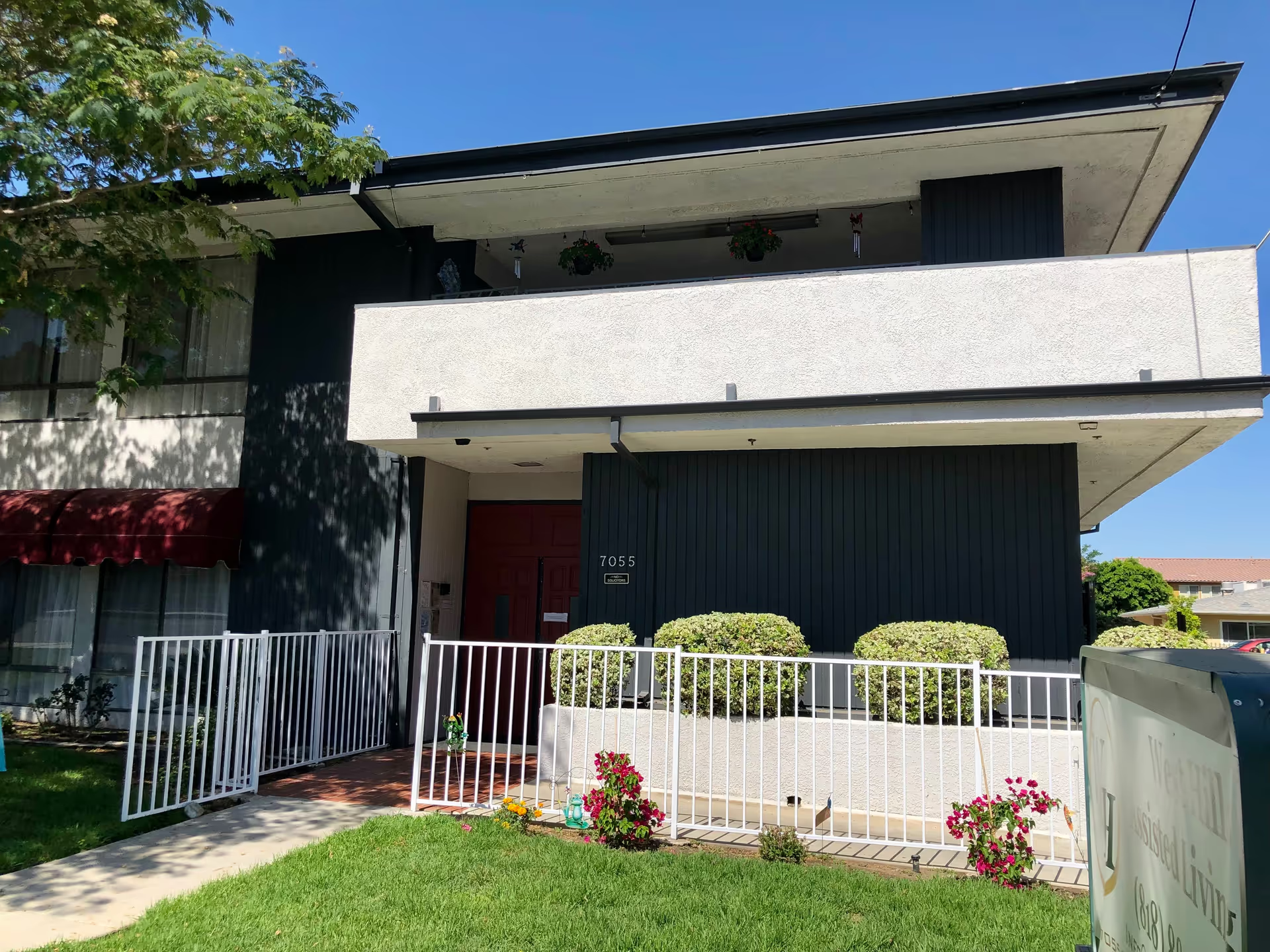
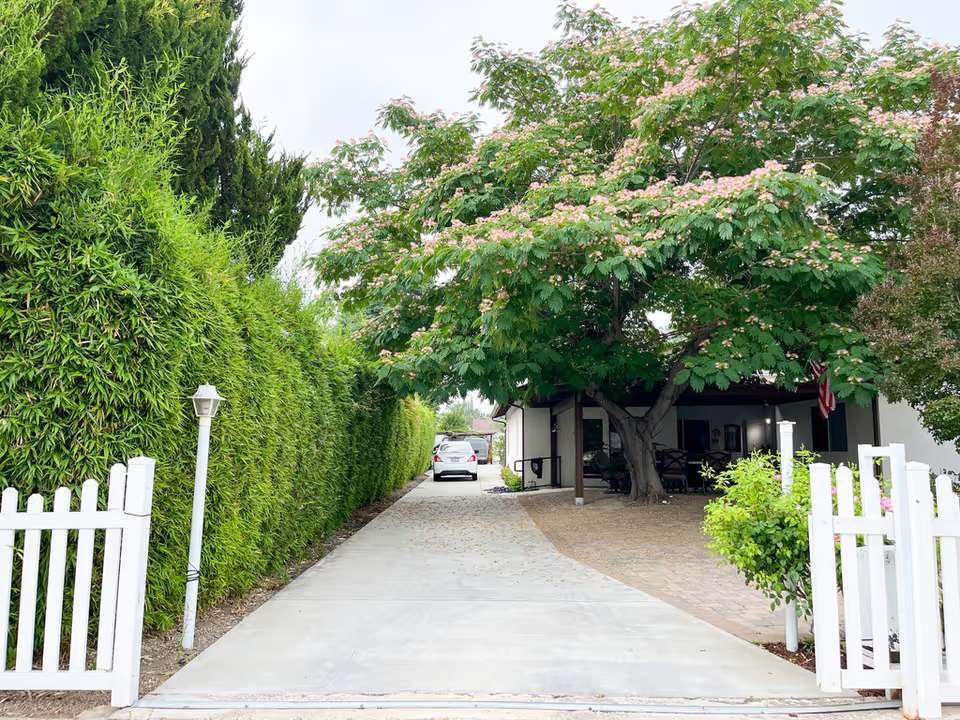
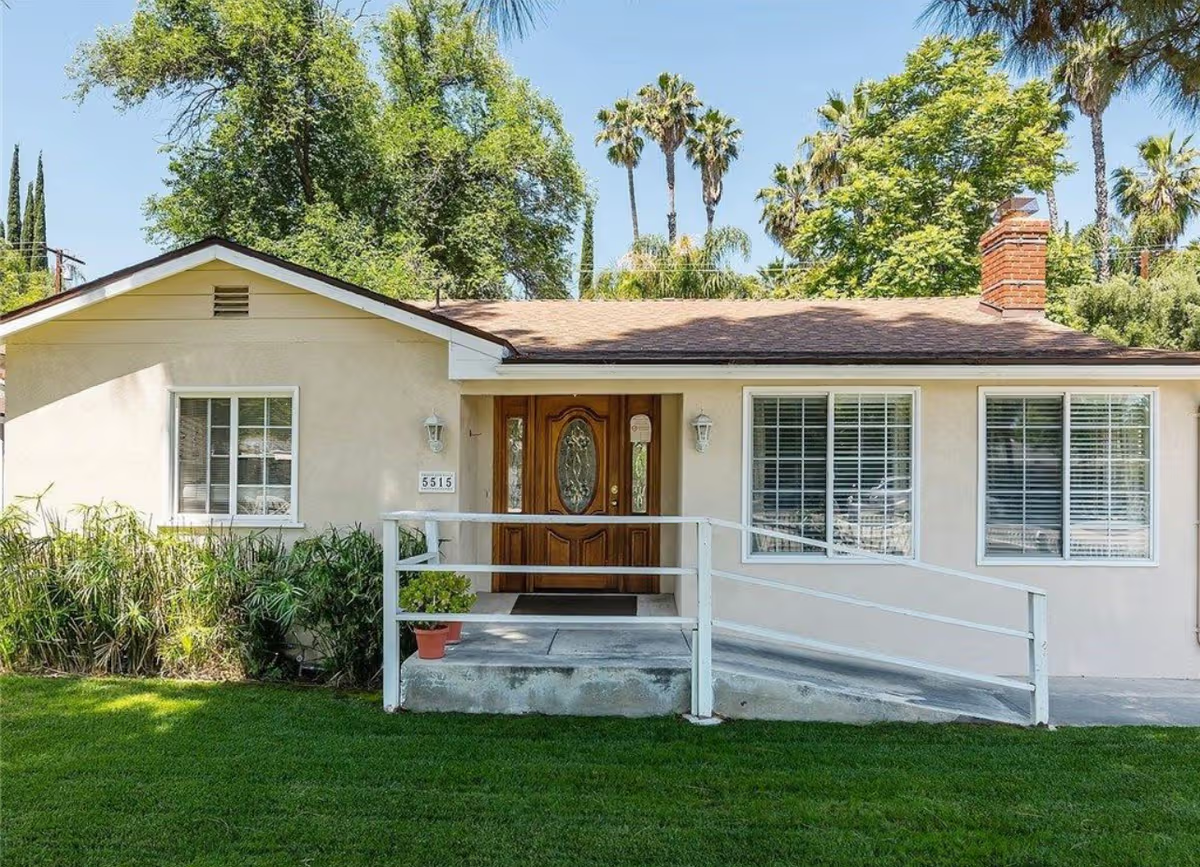
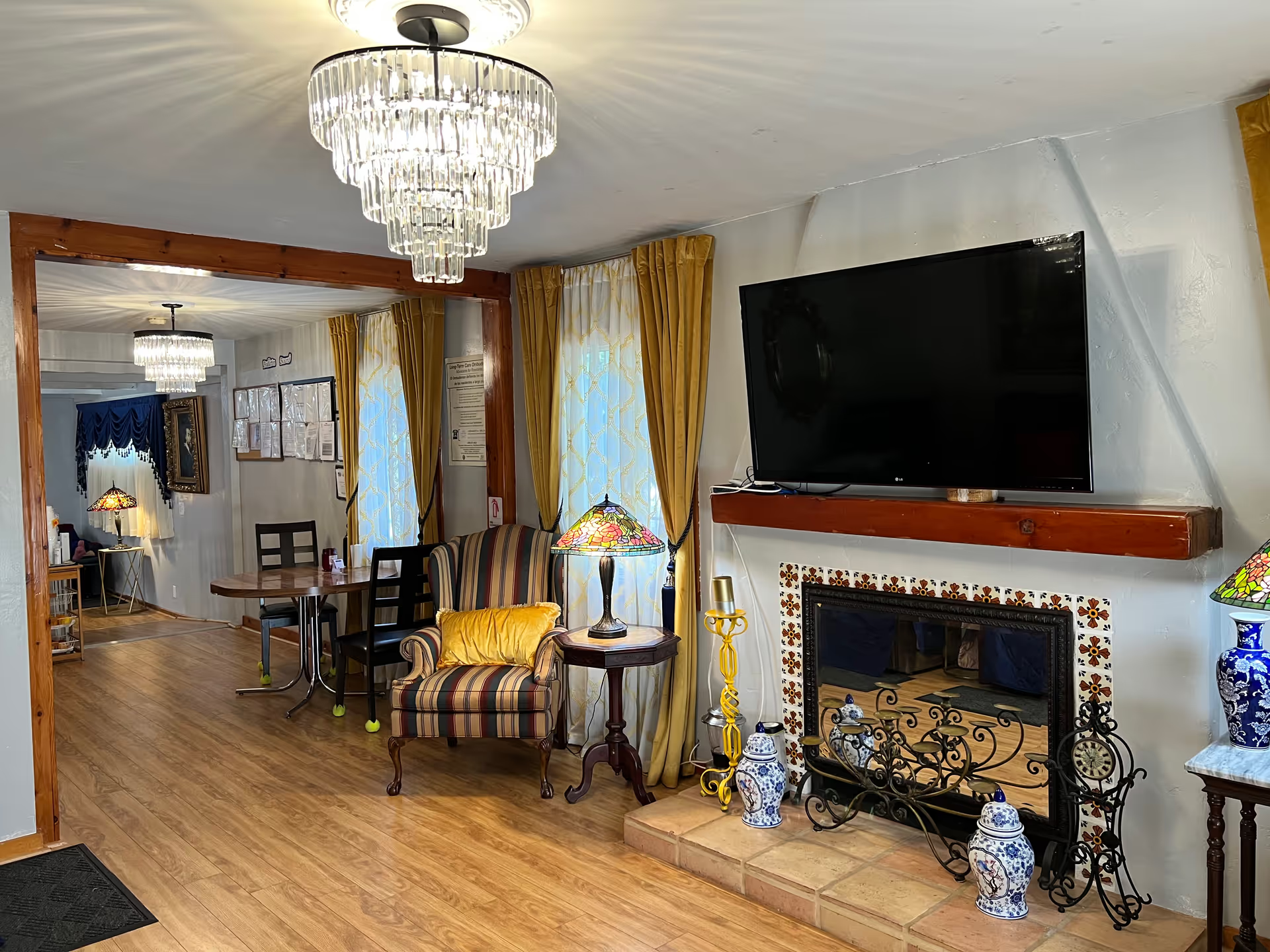
Overall impression: Reviews present a consistently positive view of Abundant Wellness Residence, with recurring emphasis on nurse ownership, attentive nursing staff, and a clean, home-like environment. Families and visitors describe a warm, intimate setting with thoughtful touches, natural light, fireplaces in common areas, and accessible outdoor spaces. The combination of RN-led management and hands-on staff is highlighted as a central strength that contributes to residents' comfort and families' trust.
Care quality and staff: Clinical oversight by registered nurses is a prominent theme. Reviewers emphasize compassionate, professional caregivers, responsive staff, and proactive health monitoring. Several comments point to clear, timely family communication and an easy, well-organized admissions process. The workforce is portrayed as knowledgeable and personable, which supports a strong sense of community and resident-centered attention.
Facilities and environment: Physical attributes receive consistent praise. The home is described as spotless and well maintained, with a cozy, residential ambience rather than an institutional feel. Accessible design elements — ramps, call-button accessibility, and outdoor areas with greenery and fruit trees — are noted as practical features that enhance safety and quality of life. The small-house scale and thoughtful common spaces support social interaction but also imply a limited capacity compared with larger campuses.
Dining, activities, and programming: Reviews provide little specific information about meals, menus, or structured activity schedules. That absence of detail makes it difficult to assess the breadth and regularity of social, recreational, or therapeutic programming. Prospective families should request sample menus, dietary-accommodation policies, and a calendar of activities to confirm fit with a resident's nutritional and engagement needs.
Management and operational considerations: Nurse ownership and hands-on management appear to drive clinical standards and communication practices. Reviewers describe an organized, caring admissions experience and responsive ongoing interactions. Areas to clarify during a visit include medication-management protocols, access to physician or specialist services, emergency-transfer arrangements, and any limits on care acuity that arise from the small-residence model.
Notable patterns and recommendations: The most consistent strengths are clinical leadership (RN-led), staff attentiveness, cleanliness, and a home-like setting with accessible outdoor space. The primary gaps in the available commentary are details about dining, activity programming, pricing/fee structures, and the facility's capacity to manage higher-acuity clinical needs. Prospective residents and families would benefit from an in-person visit and targeted questions about meals, daily schedules, cost breakdowns, staffing ratios, and contingency plans for escalating medical needs to ensure the residence matches clinical and lifestyle expectations.