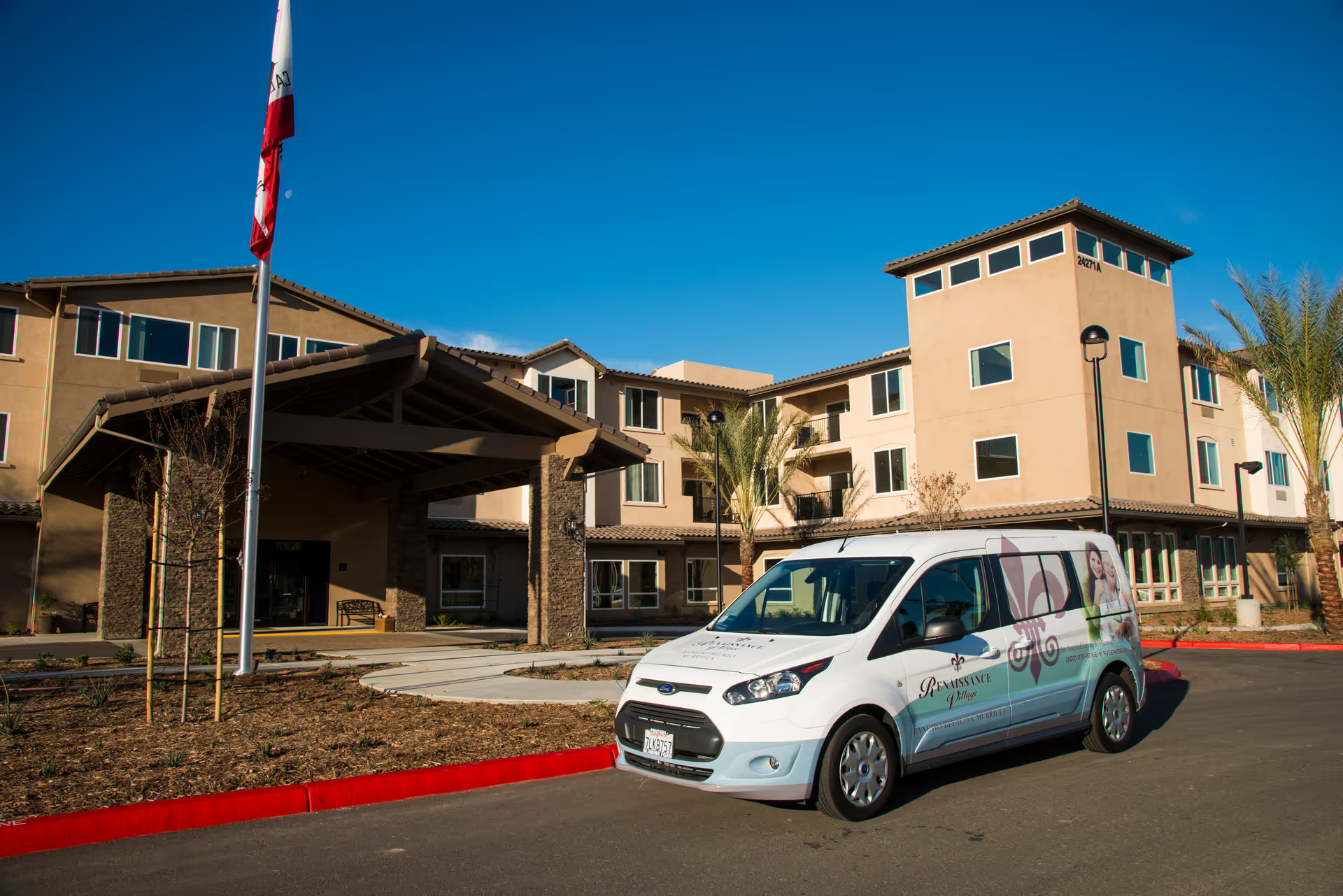
Overall sentiment from the reviews is positive with a strong emphasis on the quality of personal care and the warm, family-like environment. Multiple reviewers highlight compassionate, kind staff and describe the atmosphere as friendly and caring. The facility is repeatedly noted as clean, and several reviewers explicitly recommend it for residents in later stages of dementia, which suggests staff are experienced and comfortable with higher-care needs.
Care quality and resident experience are the clearest strengths in the reviews. Phrases such as "residents well taken care of" and recommendations for later-stage dementia indicate that hands-on care, attentiveness, and appropriate support for more dependent residents are present. The repeated mention of a family environment implies individualized attention and a homelike approach rather than an institutional feel, which can be comforting for residents with cognitive impairment.
Staff-related themes are mixed. On the positive side, reviewers repeatedly describe staff as wonderful, kind, and caring. At the same time, there are consistent concerns about communication and staffing levels: reviewers note that some staff speak little English, which could create a communication barrier for families and residents who rely on English. Understaffing is also called out explicitly; while the reviews still praise the care provided, understaffing could affect response times, limit availability for social interaction or activities, and increase strain on existing staff.
Facility and environment observations are similarly dual in nature. The building is described as clean, which supports the positive impressions of care and management attention to hygiene. However, several reviewers say the facility is too small and needs updating, and specifically call out the backyard as not inviting. A smaller, more intimate size can be an advantage for later-stage dementia care (easier supervision, a homelike feeling), but reviewers flagged size and a need for modernization as downsides—suggesting limited common areas, older finishes or fixtures, and outdoor spaces that do not encourage use.
There is little or no direct feedback about dining, scheduled activities, or management practices in these summaries. The absence of mentions could indicate that those areas are unremarkable (neither notably positive nor negative) or simply not a focus of the reviewers. Given the strong emphasis on personal care and atmosphere, it is reasonable to infer that daily routines and basic needs are being met, but the documented understaffing and small physical space could limit the breadth or frequency of activities and social programming.
Notable patterns and considerations: the most frequent positives are staff compassion, a family-like environment, cleanliness, and suitability for later-stage dementia. The recurring concerns are communication barriers due to limited English among some staff, understaffing, the facility's small size, need for updates, and an uninviting backyard. For families considering this home, the trade-off appears to be high-touch, compassionate care in a clean, intimate setting versus possible limitations in space, amenities, outdoor areas, and potential communication challenges. Prospective families who prioritize compassionate dementia care may find this facility a good fit, while those for whom modern facilities, robust activity programs, fluent English communication, or expansive outdoor spaces are priorities may want to investigate further or seek alternatives. Management focus areas suggested by these reviews would be addressing staffing levels, improving language support or communication strategies, and investing in facility and outdoor space updates to match the quality of caregiving reported.