The reviews for Shalom Elderly Care present a mixed but specific picture: several accounts emphasize strong hands-on coordination and a warm caregiving culture, while others raise substantive clinical concerns that families should investigate before placement.
Care and clinical oversight: Families describe active care coordination, including assistance with hospital discharges and external services. A named coordinator is repeatedly highlighted as arranging physician and home-health interactions, which supports smooth transitions and gives some families confidence to take short absences. Conversely, there are explicit concerns about medication management—particularly the use of psychotropic/antipsychotic medications—and about how behavioral symptoms are clinically managed. These items suggest the facility may require clearer protocols or stronger clinical oversight for residents with behavioral-health needs.
Staff and interpersonal environment: Multiple comments characterize staff as welcoming, patient, kind and "family-like." Caregivers are described as engaged and respectful, with daily visits and attentive presence noted. This interpersonal strength appears to be a consistent positive and contributes to a peaceful atmosphere cited by reviewers.
Dining and activities: Dining is described in warm, home-style terms (for example, homemade pea soup and celebratory cake and coffee). Small social touches and informal events are mentioned, which supports social engagement. Activity reporting is modest but the presence of daily visit routines and small celebrations implies routine social contacts rather than an extensive programmed activities calendar.
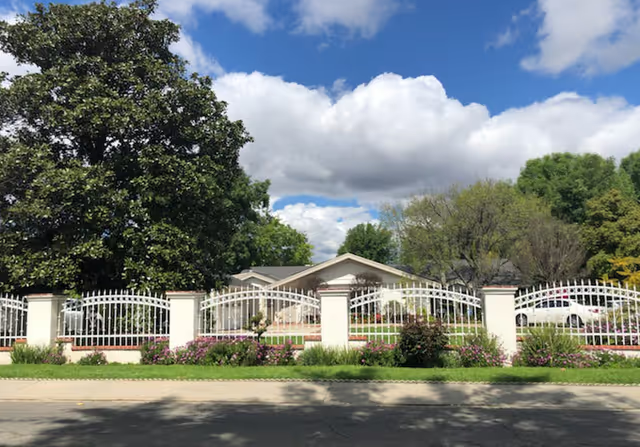
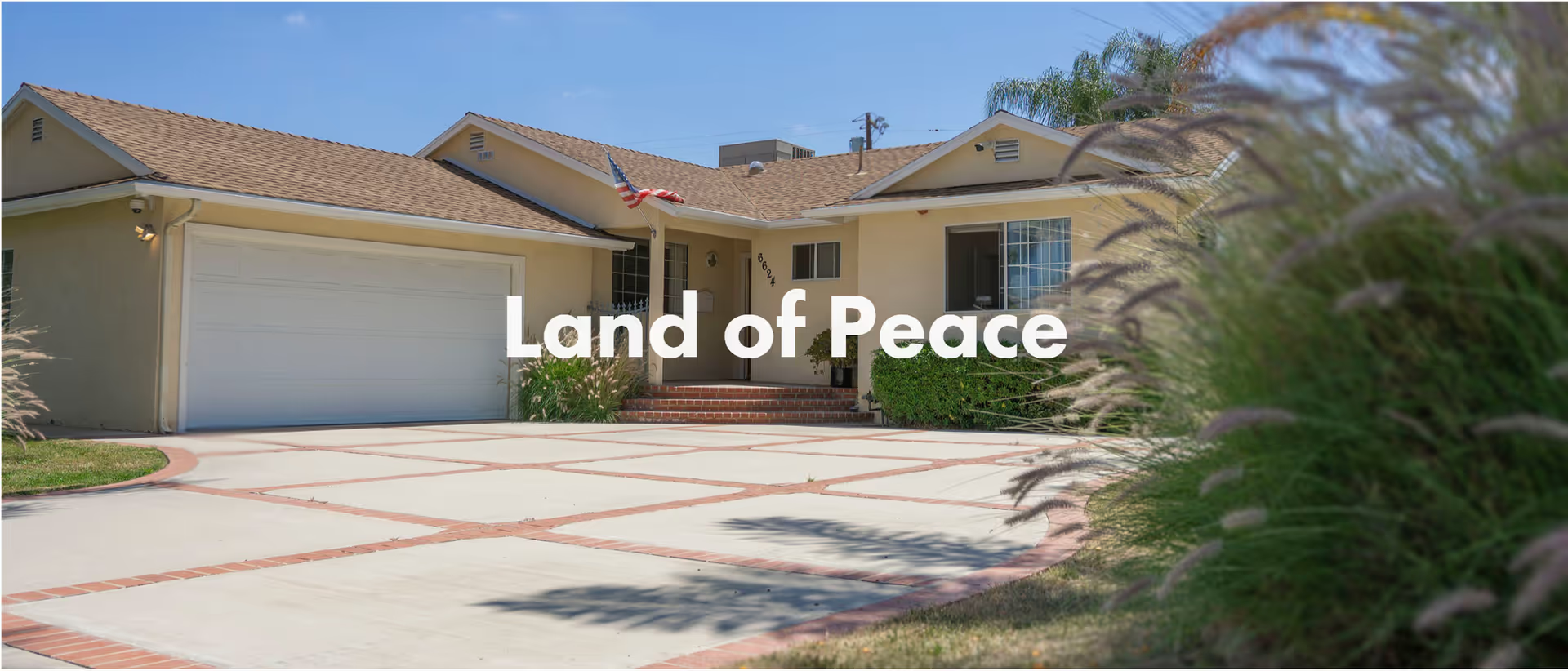
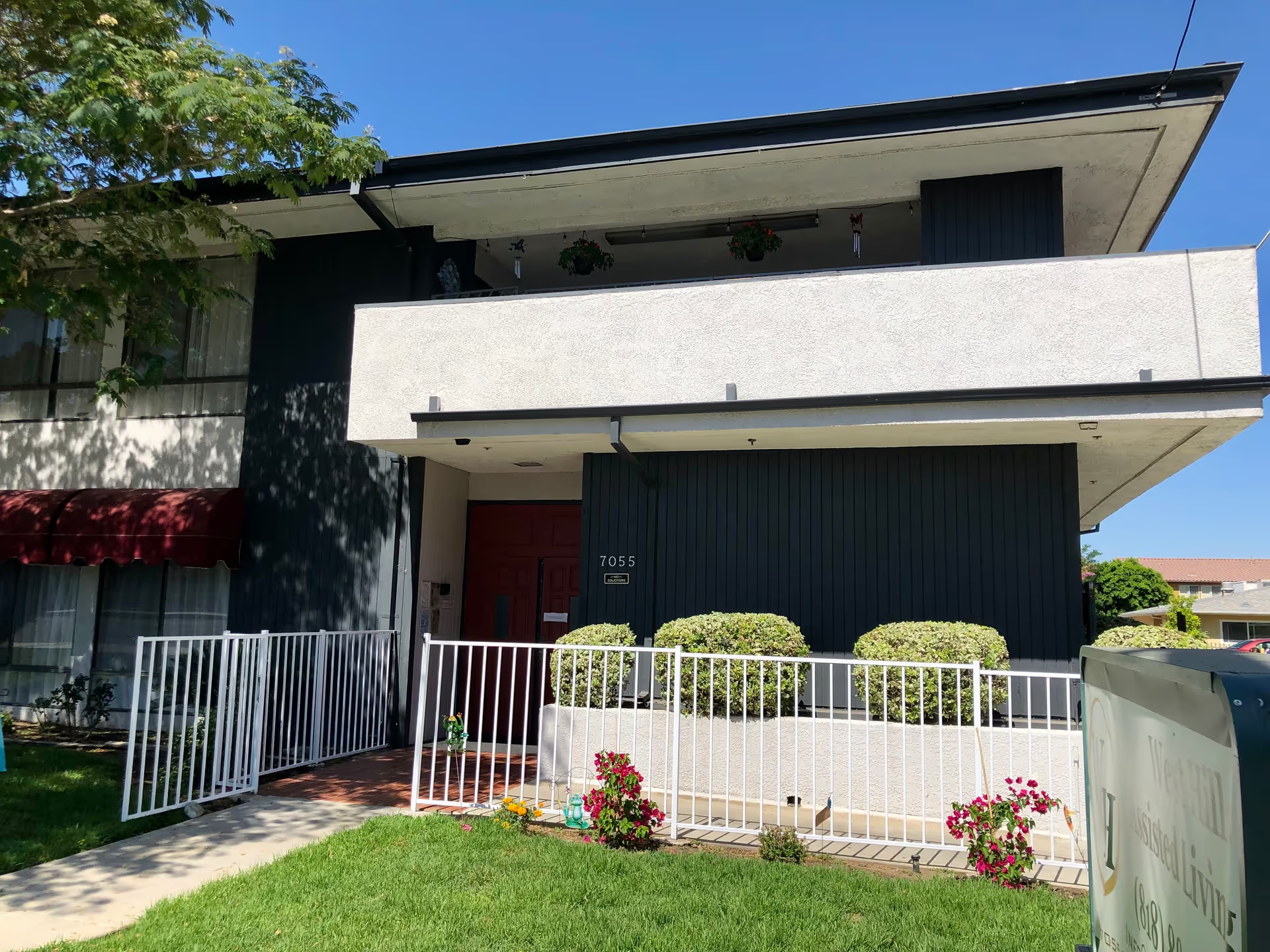
Facilities and ambience: The physical environment is described as clean, quiet, and peaceful, with an outdoor backyard available for residents. These descriptions indicate a well-maintained, low-stimulus setting that some families find comforting.
Management and communication: While coordination of outside services is a clear strength, reviewers also point to gaps in management decision-making and family communication in at least one significant case—enough that a family ultimately moved a resident elsewhere. That tension suggests variability in how clinical decisions and family concerns are handled; prospective residents and families should ask about escalation pathways, medication-review processes, and how the facility documents and communicates changes in condition.
Notable patterns and considerations: The dominant positive themes are warm staff interactions, strong discharge and service coordination, and a homelike, peaceful environment with modest social offerings. The dominant risk themes center on medication management and inconsistent clinical oversight for behavioral issues, plus occasional breakdowns in family communication. Prospective families should verify clinical oversight practices, ask about psychotropic-medication protocols and interdisciplinary review, and request examples of how the facility communicates significant clinical changes to next of kin.