High Desert Residential Care presents a mixed picture in these summaries. Strengths repeatedly noted include compassionate, family-like interactions from many direct-care staff, demonstrated ability to support residents with Alzheimer's and other dementia-related needs, and a responsive owner/management team. Families also value the facility's attractive grounds and interior when described positively, the availability of Sunday religious programming, an open visitation policy, and transparent billing practices. Several reviewers reported long-tenure relationships with the facility, which suggests continuity of care for some residents.
Care and staffing appear uneven. While many reviewers praised attentive aides and individualized feeding assistance, there are clear operational concerns about overall staffing levels and the availability of extra aide support. These workforce constraints are associated with limited organized activities and social programming, and with reports of gaps in personal-care assistance that have led to hygiene-related concerns for some residents. The pattern described suggests that core caregiving is often compassionate, but that resource constraints can reduce the facility's ability to provide consistent, proactive attention across all shifts.
Dining and clinical oversight raise separate issues. Multiple accounts describe inconsistent meal quality and an expectation gap between advertised meal presentation and the delivered dining experience; there are also allegations regarding staged meal photos. Physician visits and clinical oversight were described as infrequent by some families, indicating potential variability in medical supervision. Transportation services were also noted as unreliable or rarely available, which can limit residents' access to external appointments and community activities.
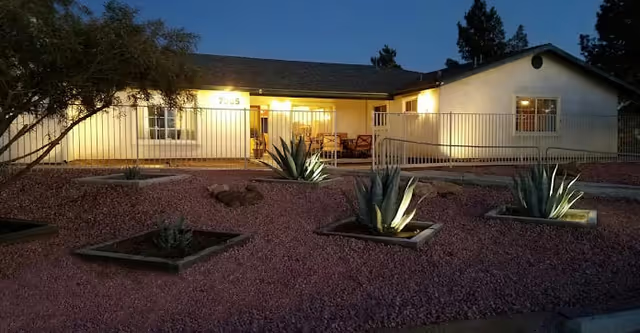
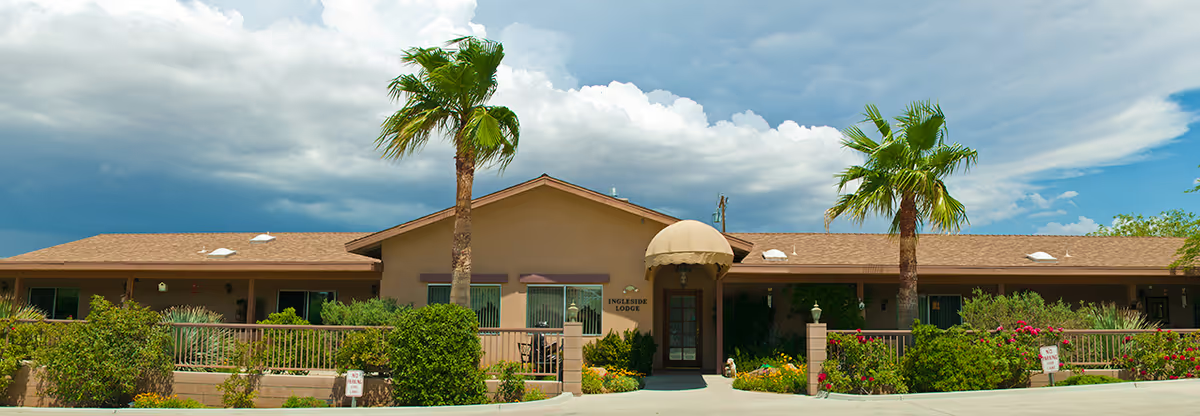
Facility environment and management communication show contrasts. The grounds and many interior areas are described positively, but other accounts indicate cleanliness and odor concerns in some spaces and an uninviting interior atmosphere in places. Management and ownership receive consistently positive marks for responsiveness and willingness to address family concerns, which is an important mitigating factor; however, reviewers also described variable friendliness among staff overall, suggesting inconsistency in interpersonal communication and conduct across team members.
Bottom line: Prospective families should weigh the facility's strengths — notably compassionate direct-care staff, dementia-care capability, responsive management, and pleasant grounds — against recurring operational weaknesses: understaffing, limited activity and transportation options, inconsistent dining and cleanliness standards, and variability in clinical oversight. Visiting the facility during different shifts, asking about staffing ratios, reviewing recent menus and sample medical oversight schedules, and clarifying transportation and activity plans would help determine whether the operational patterns align with an individual resident's needs.