Overall impression: Reviews present a mixed but repeatable pattern. Clinical-rehabilitation services and day-to-day caregiving are frequently described as strengths: residents and families note effective physical therapy, attentive nursing, responsive CNAs, and a recovery-focused approach that supports improved mobility and discharge to the community. Social-work and case-management services are repeatedly highlighted for coordination, transportation support, and assistance with discharge planning.
Care and staff: Clinical care and frontline staff receive consistently positive comments. Therapy teams, nurses, and social workers are described as professional, kind, and supportive; some reviewers specifically praise rapid call-light responses and individualized rehabilitation progress. These positive accounts suggest that the facility can deliver strong restorative care and case coordination when staffing is stable.
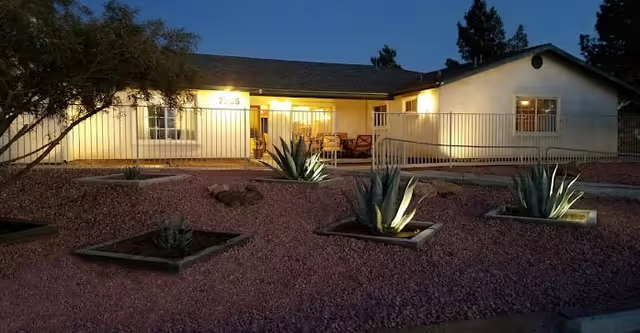
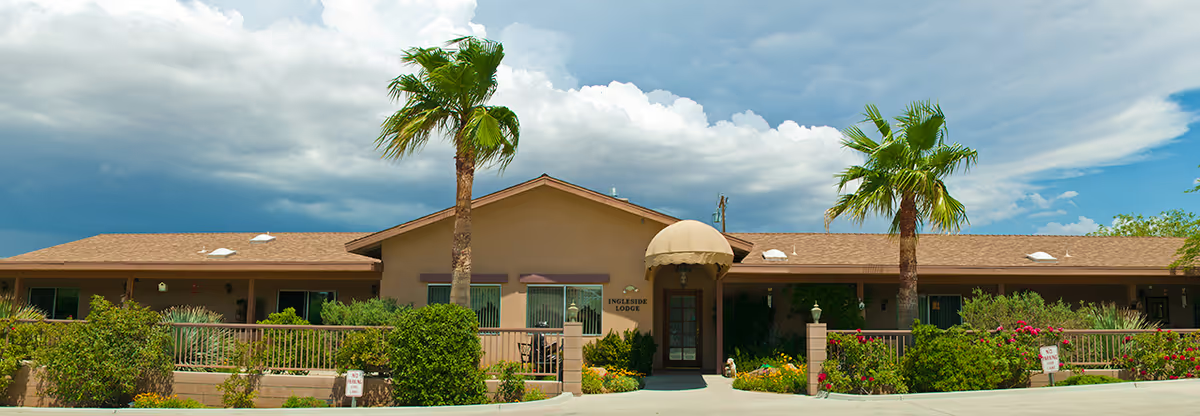
Facilities, dining, and activities: Several reviewers note facility improvements such as an upgraded rehab gym and generally well-maintained common areas. However, there are also mentions of sanitation and odor concerns in certain areas; reports are inconsistent, producing a mixed picture of environmental quality. There is limited information about dining quality and organized recreational activities in the provided summaries, so prospective families should request current menus and activity schedules during a visit.
Management and operations: Operational and administrative themes are the primary source of concern. Multiple summaries describe poor management communication, unclear phone systems (including lack of voicemail), inconsistent staff onboarding, and staffing/payment instability tied to vendor nonpayment and parent-company payment changes. A subset of reviews includes allegations of wage-related threats and unpaid vendors, which raises questions about financial stability and potential downstream effects on staffing and care continuity. These administrative issues also correlate with reports of reduced responsiveness from management and gaps in incident transparency following adverse events.
Patterns and recommendations: The dominant pattern is a facility with capable clinical and rehabilitative staff but with recurring administrative and operational weaknesses that could affect reliability of care. Prospective residents and family members should verify current management practices, ask about vendor and payroll stability, review staffing levels and orientation procedures, inspect environmental cleanliness during a tour, and confirm communication protocols (phone, voicemail, and post-incident family updates). Doing so will help determine whether the facility’s clinical strengths are matched by stable, transparent administration at the time of placement.