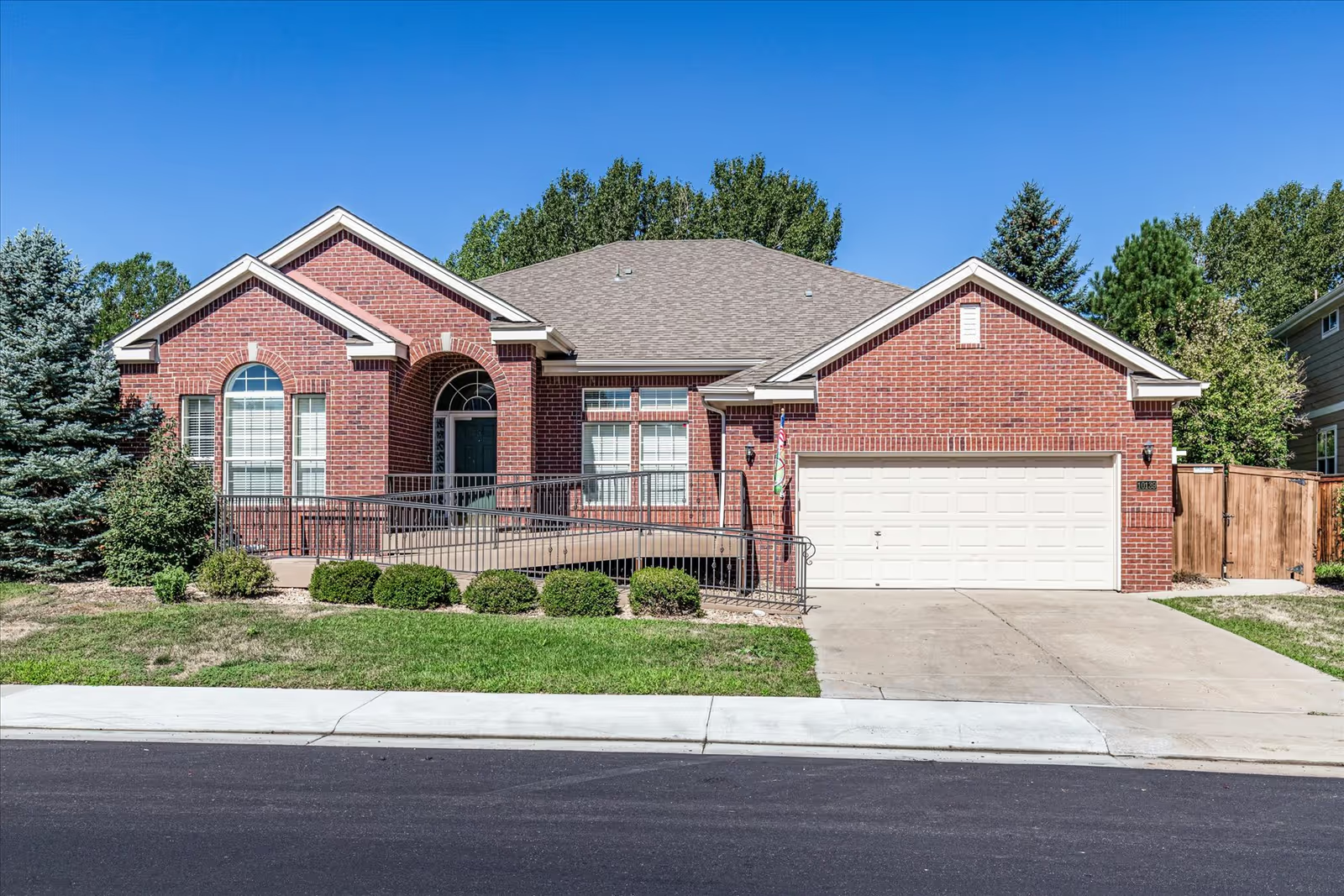
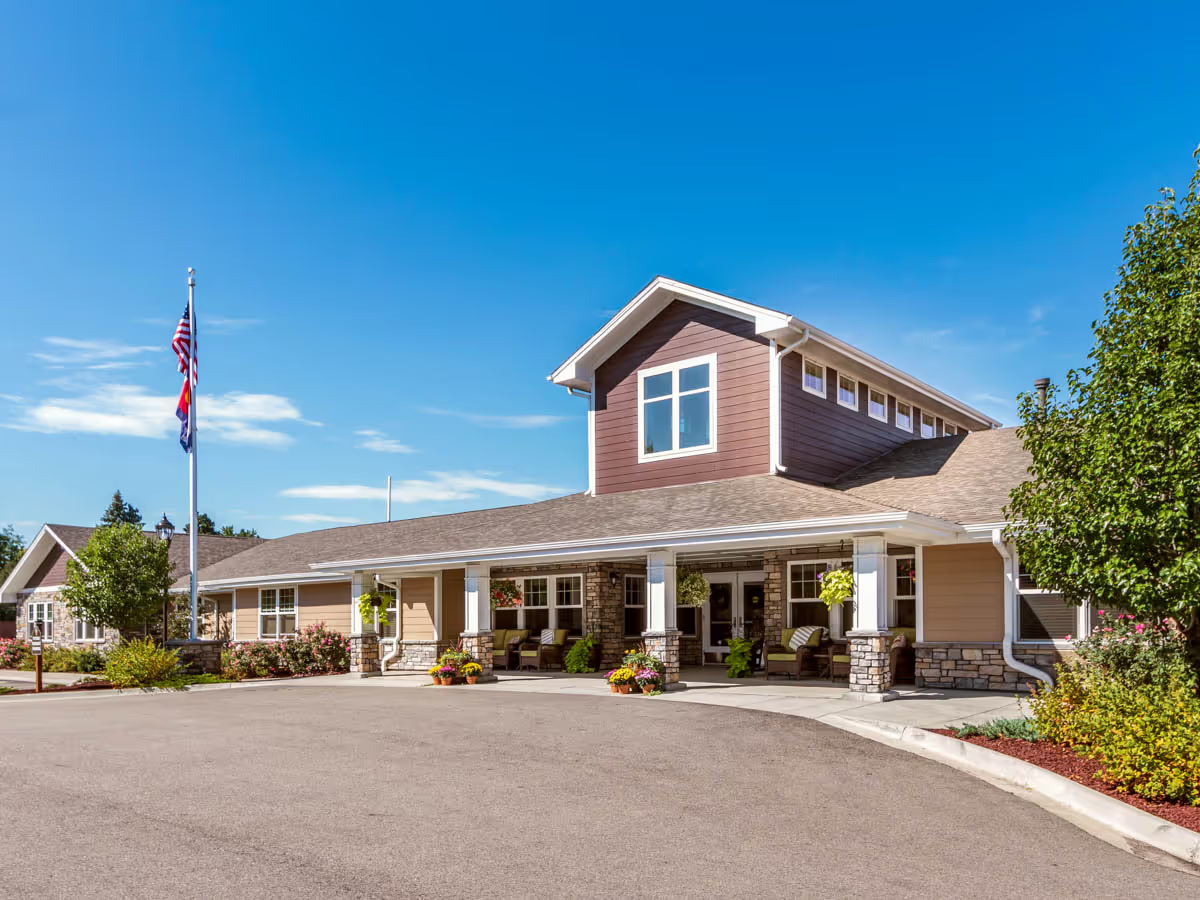
The reviews portray Healing Hands Assisted Living as a small, private, residential home that emphasizes a family-style approach to long-term care. Care quality is characterized by close, personalized relationships between staff and residents: reviewers describe attentive, compassionate caregivers who provide 24-hour support and are engaged in end-of-life care when needed. Nursing oversight and hospice nurse visits are noted, indicating access to clinical input alongside hands-on caregiver attention.
Staffing and management are presented as strengths in terms of person-centeredness and communication. The facility appears to be owner- and caregiver-run with regular family meetings and frequent updates—often including photos and videos—which families identify as reassuring. Reviewers consistently highlight warm interactions, genuine relationships, and staff who check in regularly; this pattern suggests a stable culture of individualized attention rather than a high-volume institutional model.
Dining and activities are prominent positive themes. Meals are described as nutritious, well-plated, and tailored to residents’ preferences. Activity programming includes live musicians, library visits, birthday and holiday celebrations, and other social events that reinforce engagement and a communal atmosphere. These elements contribute to the home's characterization as cozy and celebratory rather than clinical.
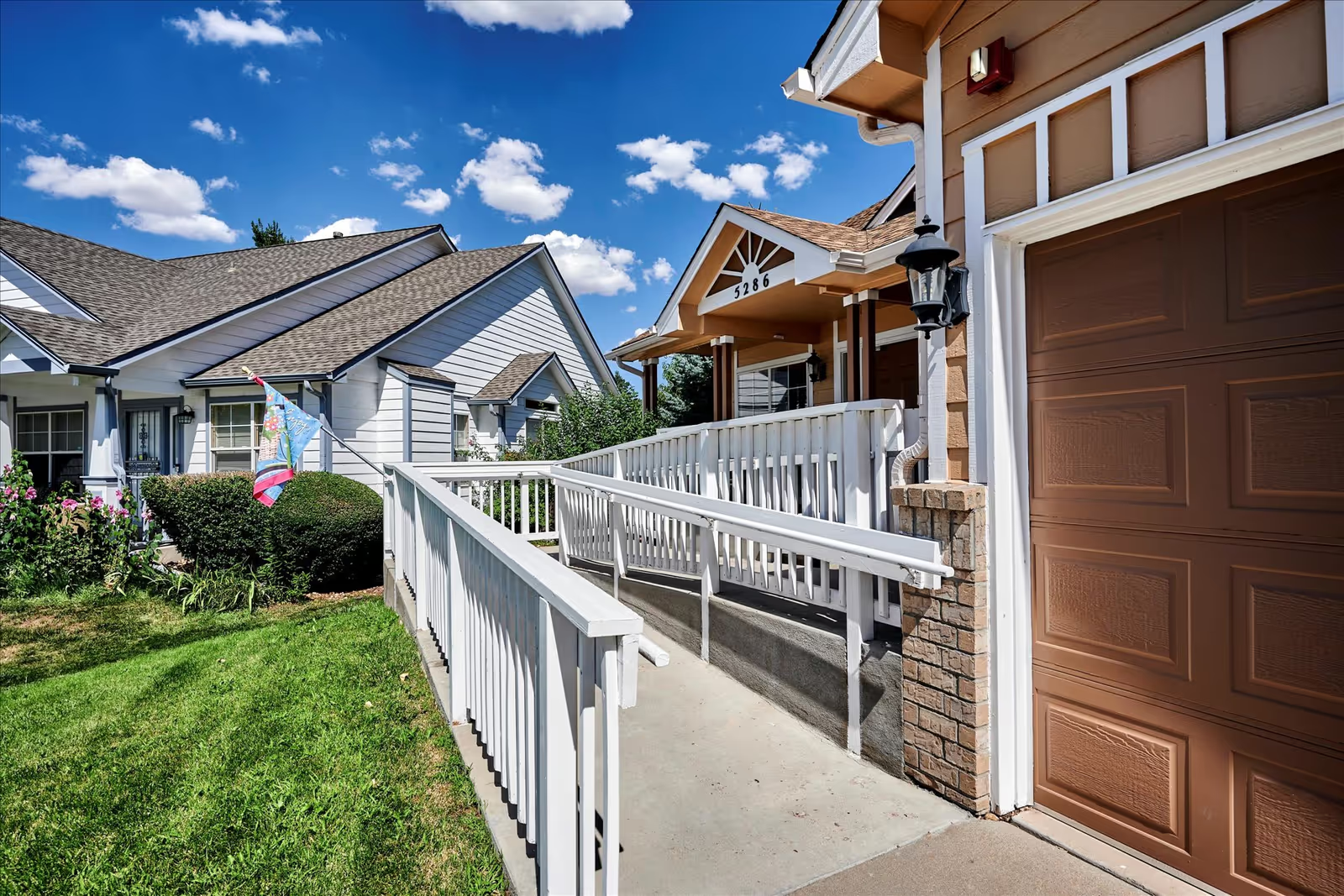
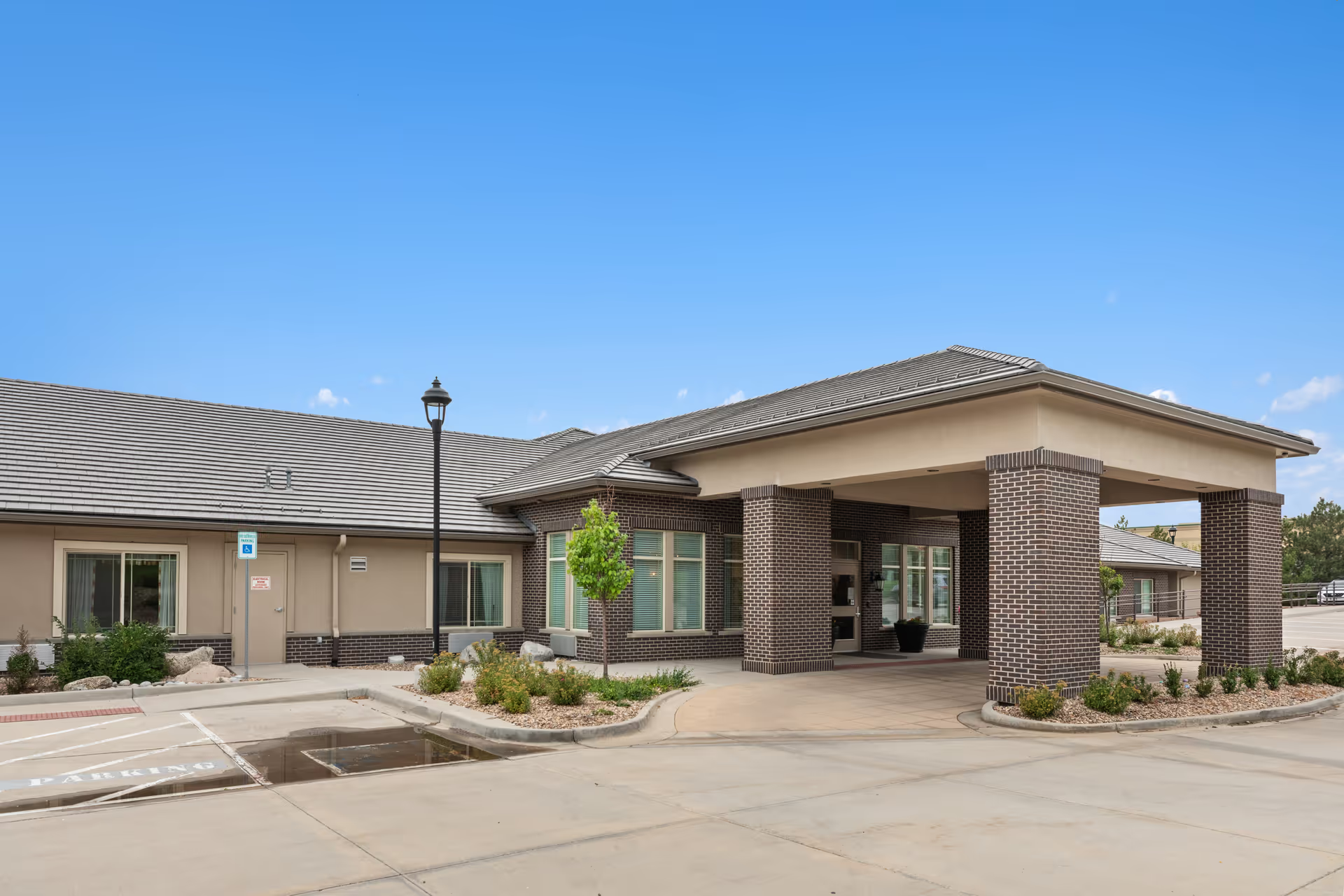
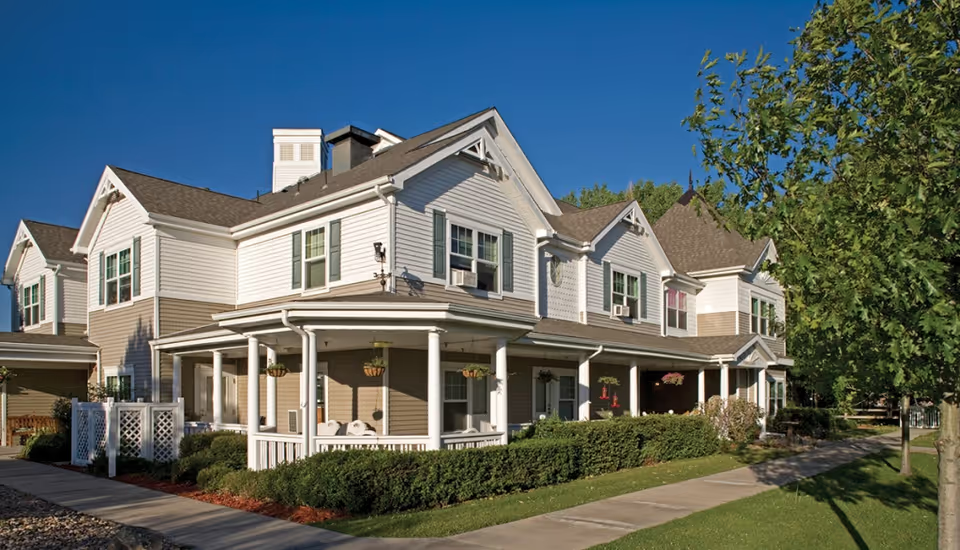
The physical environment is small, clean, and peaceful, with accessible features such as a wheelchair-friendly layout and a mountain-view deck. The limited size (eight residents) supports close supervision and a homelike feel, and reviewers note that the facility is a convenient location for daily visits.
Notable patterns and potential trade-offs: the small, owner-operated model supports personalized care and lower cost, but it also implies operational limits compared with larger facilities. Reviewers’ descriptions suggest restricted on-site access to specialized therapies or extensive medical services, limited private-space options because of shared common areas, and a dependency on owner-managed staffing that could create continuity challenges if staffing changes occur. Prospective residents and families should weigh the benefits of individualized attention, close family communication, and engaging social programming against potential limitations in specialized clinical resources and breadth of amenities typical of larger institutions.