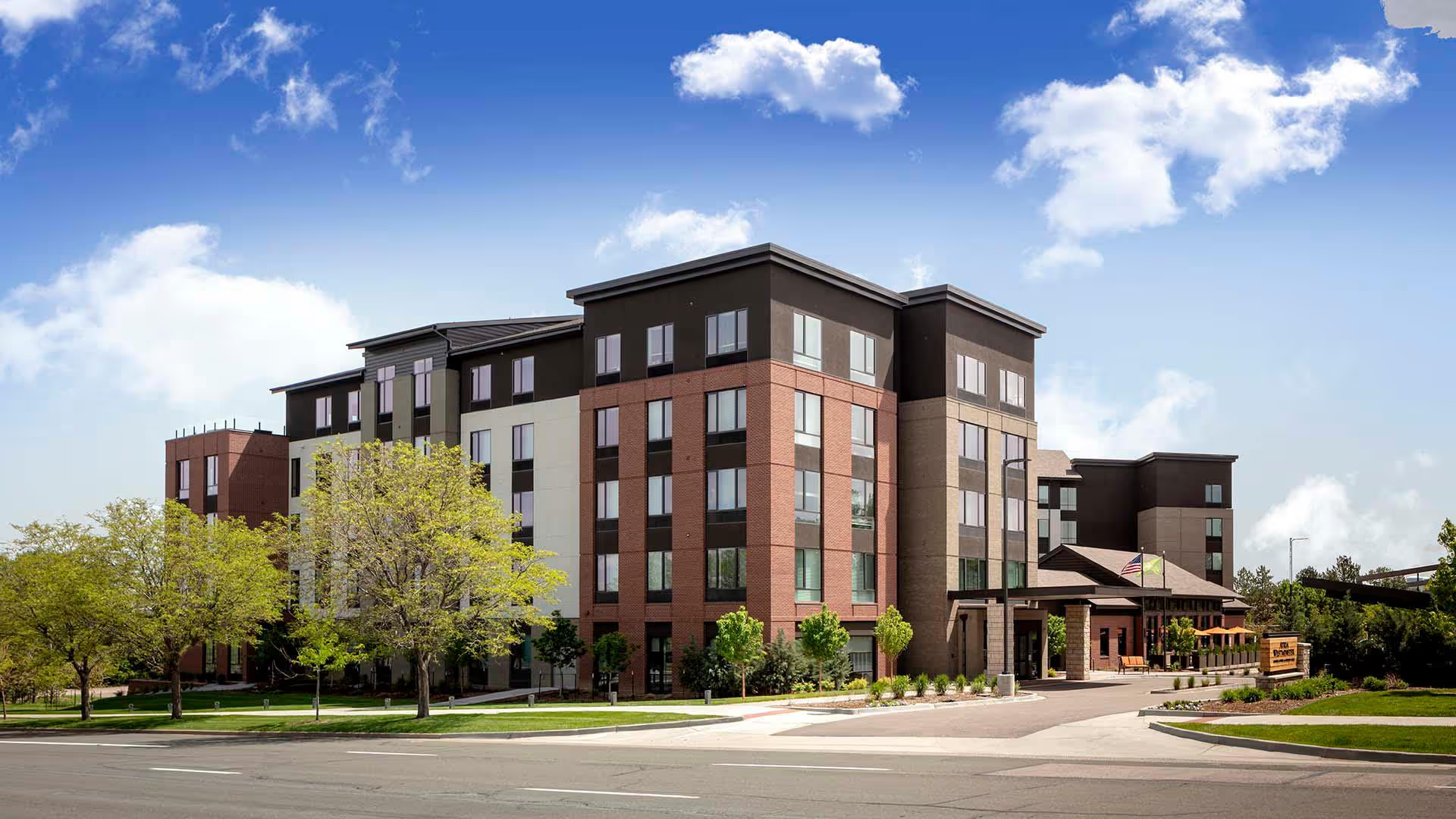
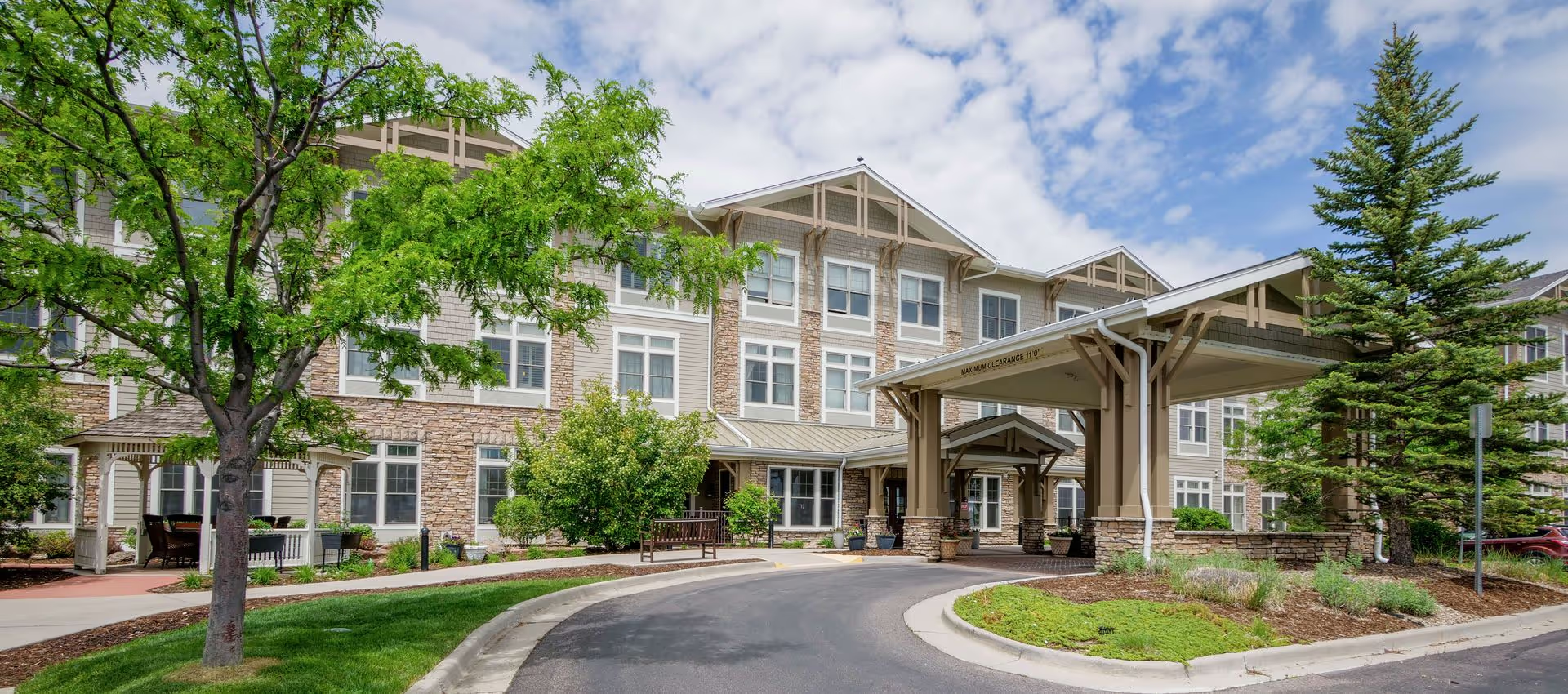
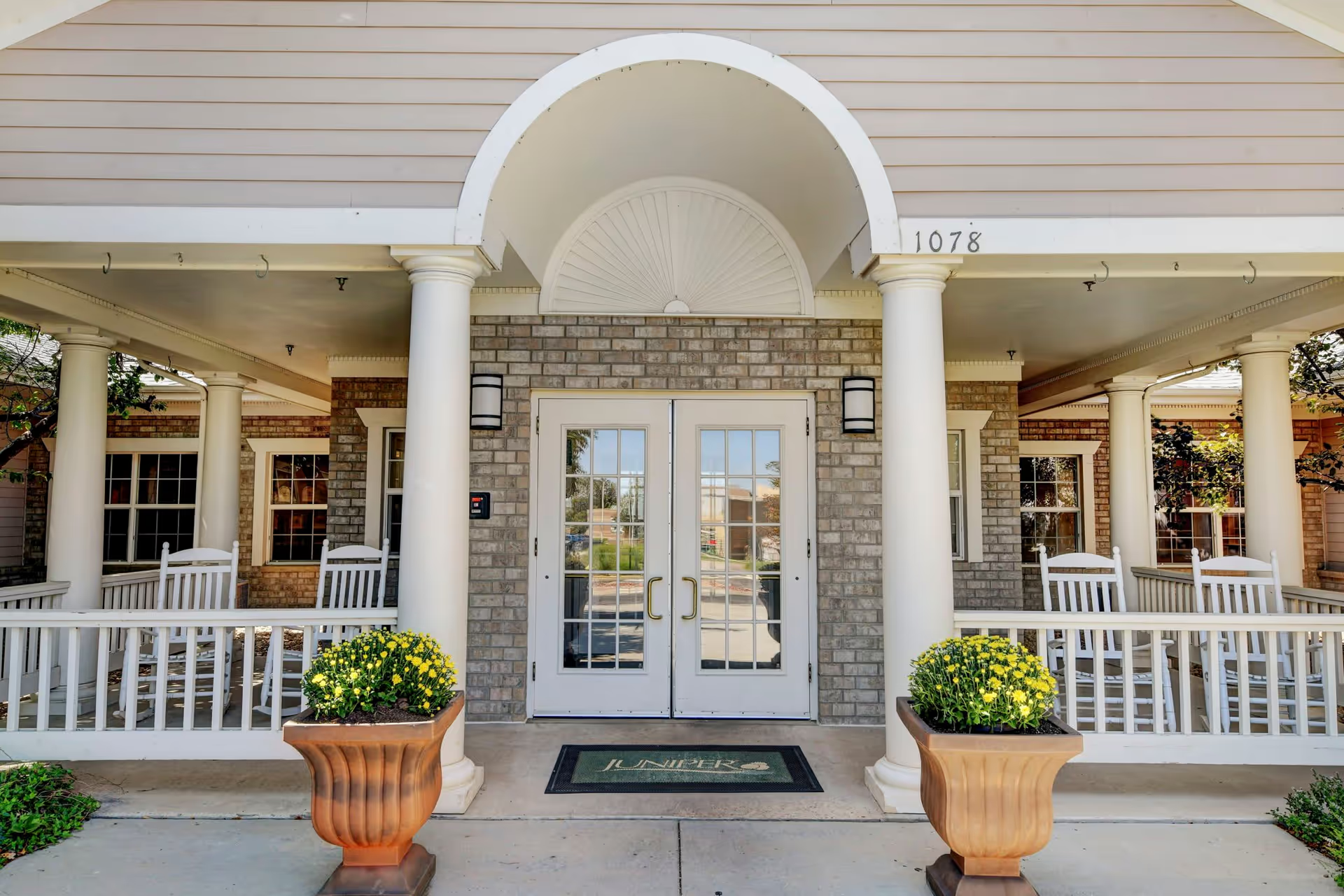
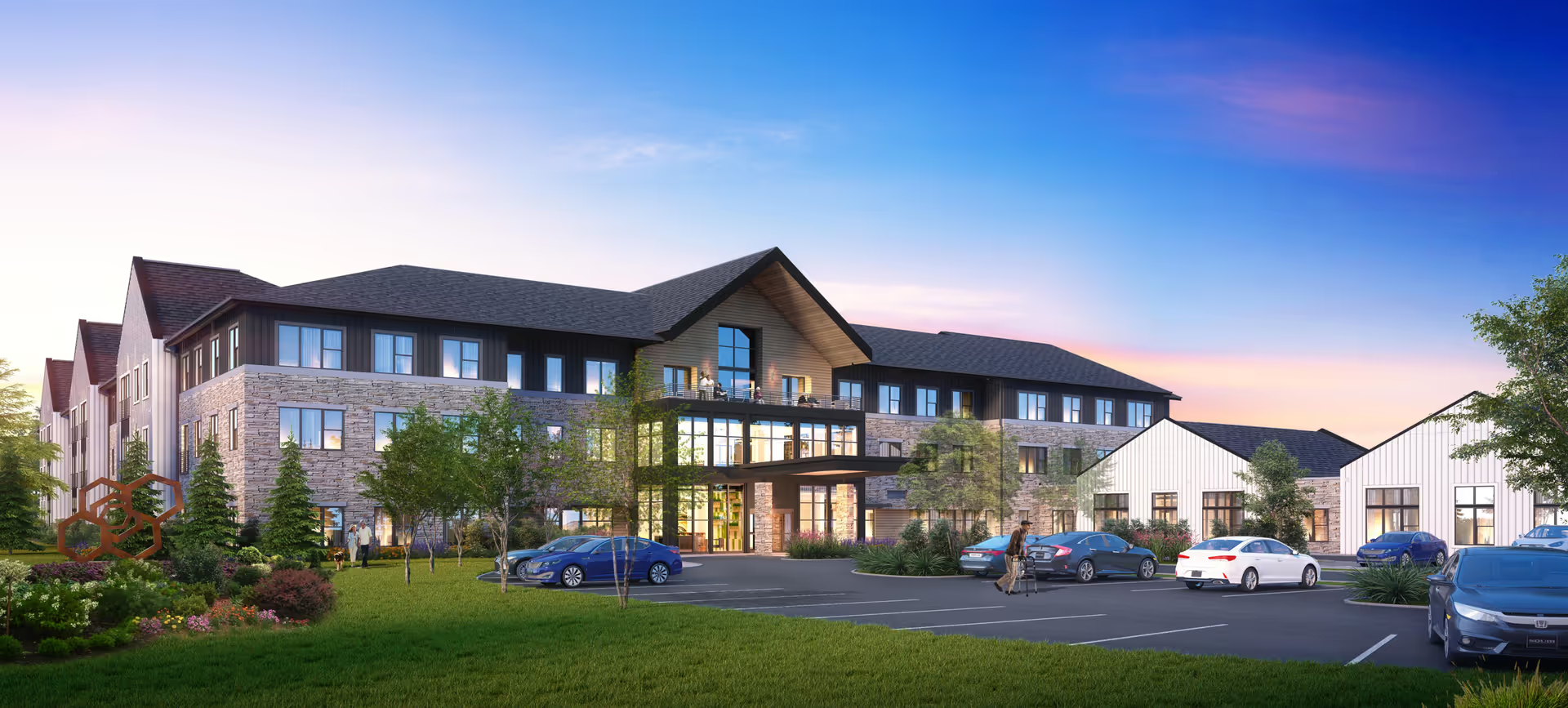
The reviews present a polarized picture of the facility: many families and residents describe warm, attentive caregivers, strong therapy outcomes, and an administratively accessible environment, while other accounts identify persistent operational weaknesses that materially affect care experience. Strengths most commonly cited include compassionate CNAs and nurses, responsive rehabilitation and wound-care teams that helped residents regain function, a visible administrative presence on some units, engaging activities (church services, games, veterans’ social gatherings), and availability of hospice services. Several reviewers specifically praised admissions and business-office staff for helpfulness and communication, and portions of the building have been updated with ongoing renovation work.
Care quality is uneven. Where the facility performs well, reviewers describe individualized attention, effective therapy leading to recovery, and coordinated clinical conferences involving families. Conversely, recurring issues include missed medications, delayed or inconsistent adherence to physician orders, and variability in hygiene and daily-care routines. These gaps are often linked in reviews to staffing shortages or to uneven training, especially during nights and weekends. Families should weigh the evidence of strong clinical teams in some cases against the pattern of inconsistent coverage when evaluating risk for a particular resident.
Staffing and management are central themes. Positive accounts highlight kind, attentive employees and accessible administrators who communicate regularly with families. Negative accounts describe abrupt or dismissive staff conduct, slow responses, and sometimes unaddressed complaints. Several reviewers noted improvement under new ownership or management in certain areas, while others described persistent problems with staff morale, organization, and follow-through. The pattern suggests that experiences may vary significantly by shift, floor, and leadership continuity.
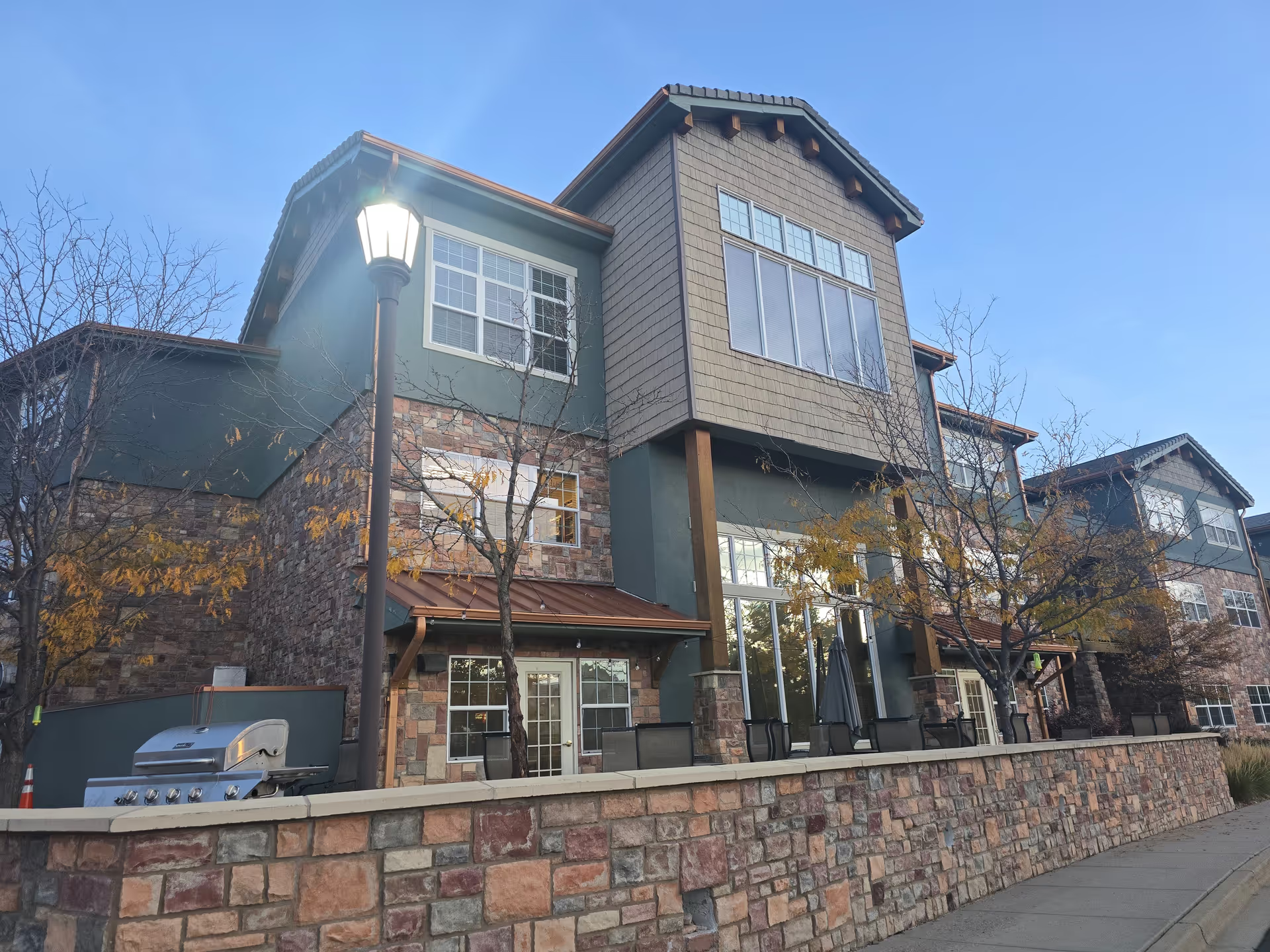
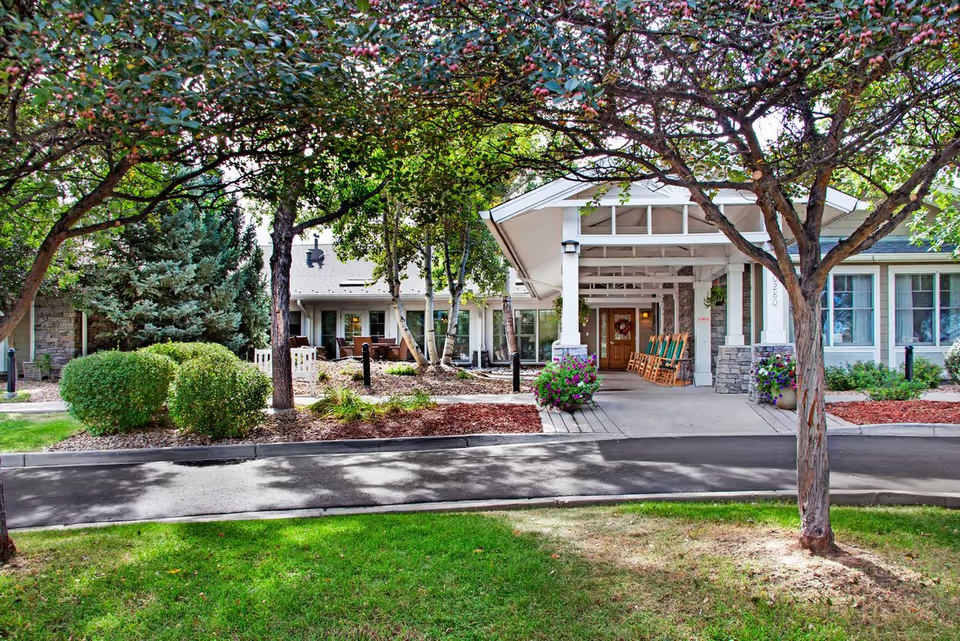
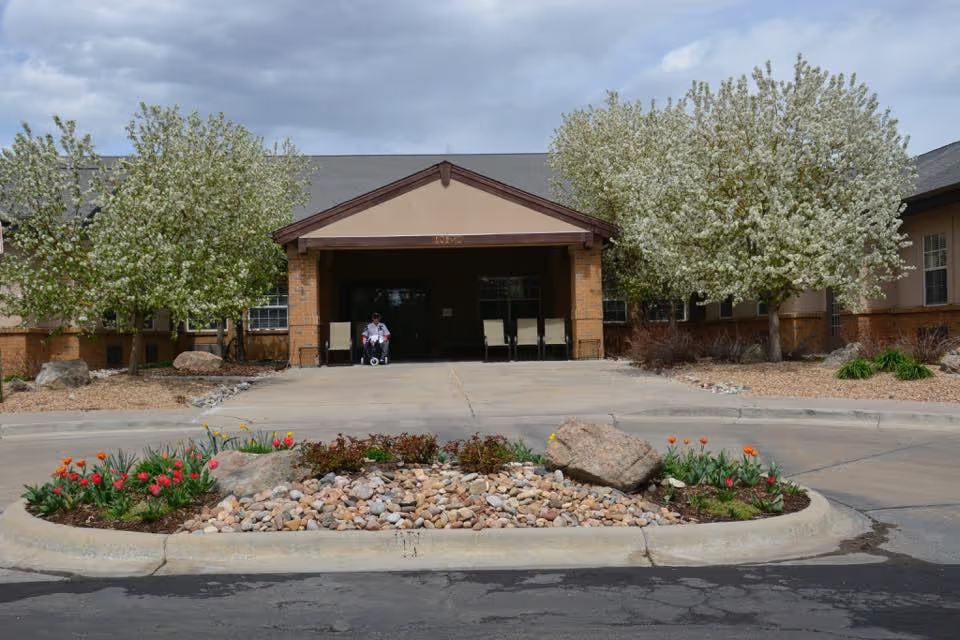
Dining, activities, and facilities are likewise mixed. Activities programming is generally seen as a strength, offering social engagement and routine. Meal service receives both praise for friendly dietary staff and criticism for inconsistent food quality and palatability; a few reviews also expressed concerns about resident illnesses linked temporally to meal service. Physical plant comments range from freshly renovated, open rooms and pleasant views to dated areas and accessibility limitations—particularly bathroom layouts that are difficult for some wheelchair users. Sanitation and pest-control concerns are raised in a subset of reviews and are mentioned alongside inconsistent housekeeping.
Operational and safety-related patterns to note: reviews indicate potential vulnerabilities in medication management, personal-property security, sanitation consistency, and payroll/staffing stability. There are also repeated observations that weekends and night shifts are staffed differently in ways that can affect responsiveness. Prospective residents and families should inquire about staffing ratios across shifts, medication-administration protocols, property safeguards, housekeeping and pest-control measures, and how clinical incidents and family complaints are escalated and documented. Taken together, the facility has clear strengths in compassionate front-line care and rehabilitation services, but also identifiable operational gaps that merit direct inquiry during tours and meetings with leadership.