Overall sentiment in the reviews is mixed but leans toward concern because several safety, maintenance, and management issues recur across multiple summaries despite the property having clear positives such as affordability, a convenient location, and basic amenities. Residents consistently note that the apartments are small but pleasant and that the property is affordable with income-based rent. The presence of weekly door-to-door bus service, proximity to shops and restaurants, and a pet-friendly policy are cited as meaningful conveniences that add value for tenants.
Care quality and resident safety are major areas of concern in the reviews. Multiple summaries call out explicit safety risks that affect resident well-being, including bat droppings creating unsanitary conditions, mold inside units, and failing air-conditioning systems. Compromised indoor environmental quality (mold, bat guano, poor HVAC) raises both immediate sanitation worries and longer-term health implications for residents, particularly older or medically vulnerable individuals. Trip hazards such as unraveling carpet and exterior doors left unsecured further compound safety risks. These are not isolated mentions; they appear repeatedly and suggest systemic maintenance and safety lapses rather than one-off incidents.
Staff and management issues are also prominent. Reviews describe on-site management as unhelpful and perceived as indifferent, with a lack of responsiveness when residents raise concerns. Emergency preparedness practices are criticized as irregular or poorly communicated—residents report infrequent drills or unclear notifications—leaving doubts about the community’s ability to respond effectively in a real emergency. The combination of maintenance problems and a reported lack of follow-through by management intensifies resident frustration and undermines confidence in the facility’s operations.
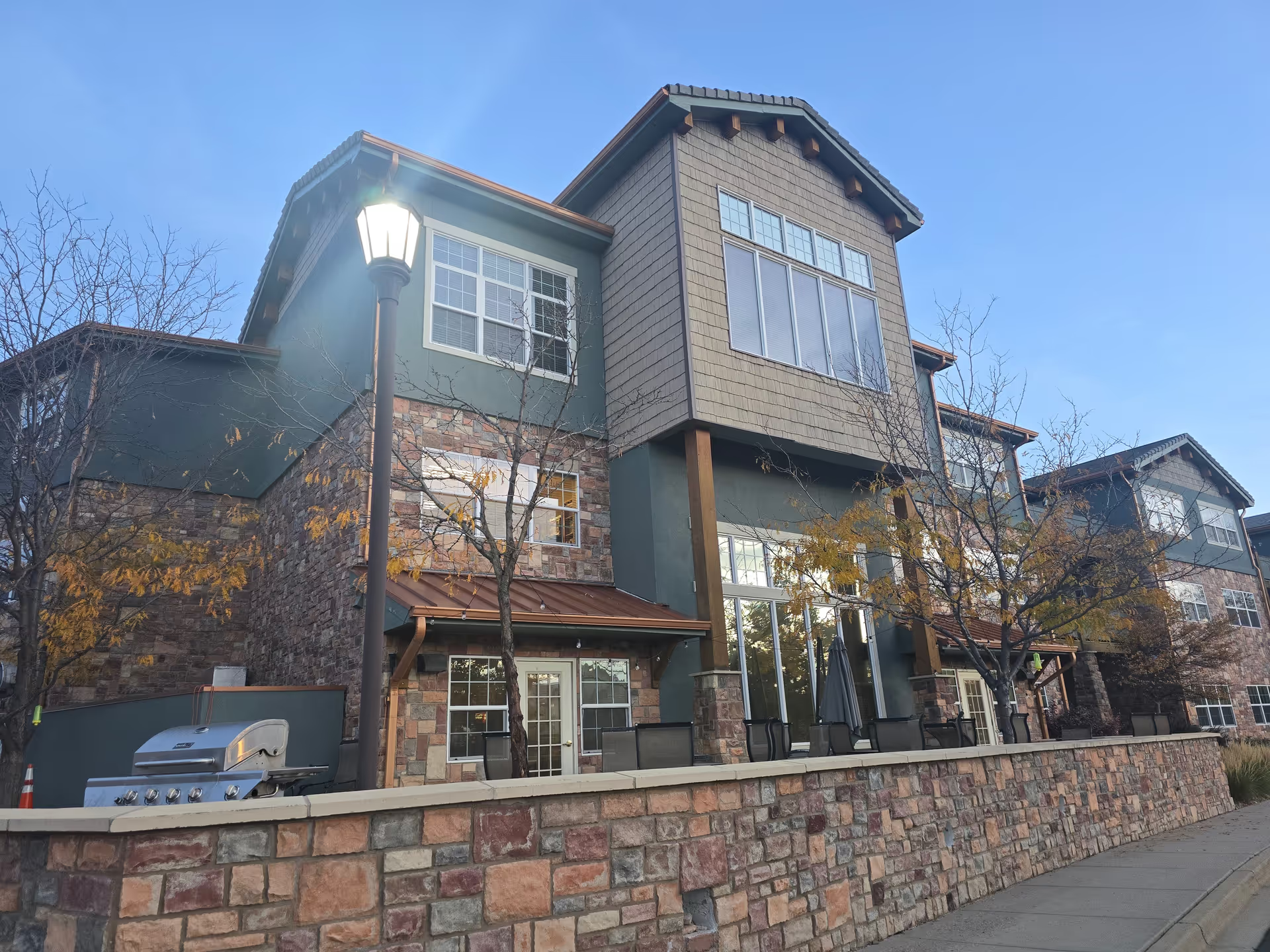
Facility condition and maintenance emerge as core weak points. Specific physical problems mentioned include mold in units, bat droppings, malfunctioning air-conditioning, unraveling carpeting that creates tripping hazards, and unsecured exterior doors. Exterior maintenance problems, such as poor snow removal, were also cited and represent a safety risk for outdoor mobility and access. Additionally, the presence of dogs off leash indicates inconsistent enforcement of pet policies and can create safety and sanitation issues on shared property. Taken together, these facility and grounds concerns point to gaps in routine maintenance, pest control, HVAC upkeep, building security, and groundskeeping.
Dining and activities receive little to no direct commentary in the provided reviews. The only activity-like amenity referenced is a weekly door-to-door bus service—useful for shopping and appointments—which is a positive service for mobility and social access. Beyond that, there is no substantive information about dining services, onsite activities, programming, or social engagement opportunities, so no conclusions can be drawn about those areas from the available summaries.
Notable patterns and overall impression: the reviews reveal a split between the property’s appealing practical features (affordability, location, modest apartment quality, transportation) and significant operational and safety shortcomings. Recurring mentions of sanitation (bats, mold), maintenance failures (AC, carpeting, snow removal), security lapses (doors unsecured), and poor communication from management are consistent across summaries and constitute the dominant negative themes. While the site is called “nice” and is pet friendly, those positives are overshadowed for many reviewers by health, safety, and responsiveness issues.
For prospective residents or family members considering this community, the reviews suggest weighing the financial and locational benefits against documented maintenance and safety concerns. They should inspect units for signs of mold or pest issues, ask management about pest control and remediation records, verify HVAC service history, confirm building security measures and snow removal protocols, inquire about emergency drill schedules and communications, and clarify how pet policies are enforced. For management, the review patterns indicate priorities: address sanitation and pest issues promptly, remediate mold and HVAC failures, secure doors and repair trip hazards, improve snow removal, enforce pet rules, and importantly, improve responsiveness and communication with residents—especially around safety and emergency procedures. Addressing these areas would likely shift the overall sentiment toward the positive aspects already noted by residents.